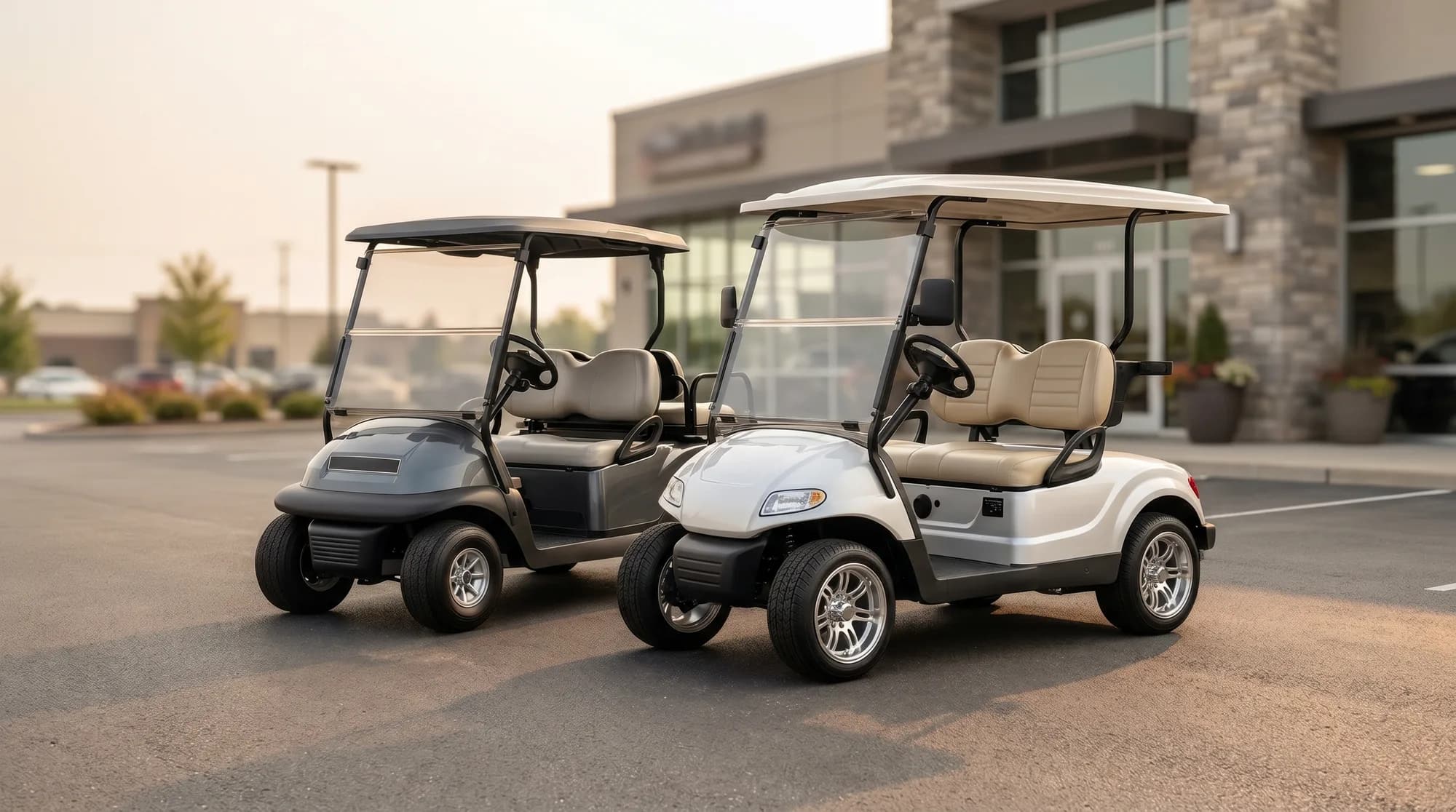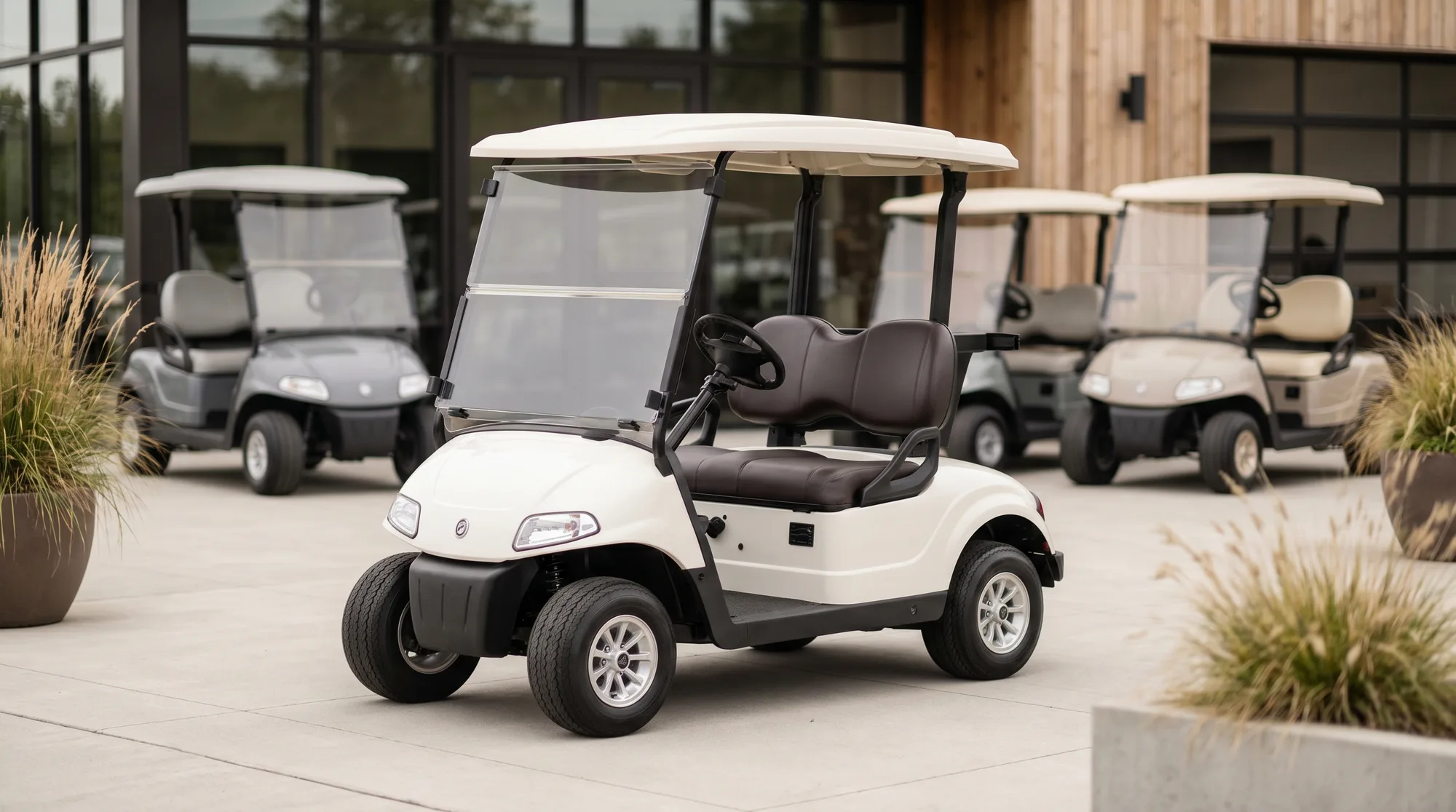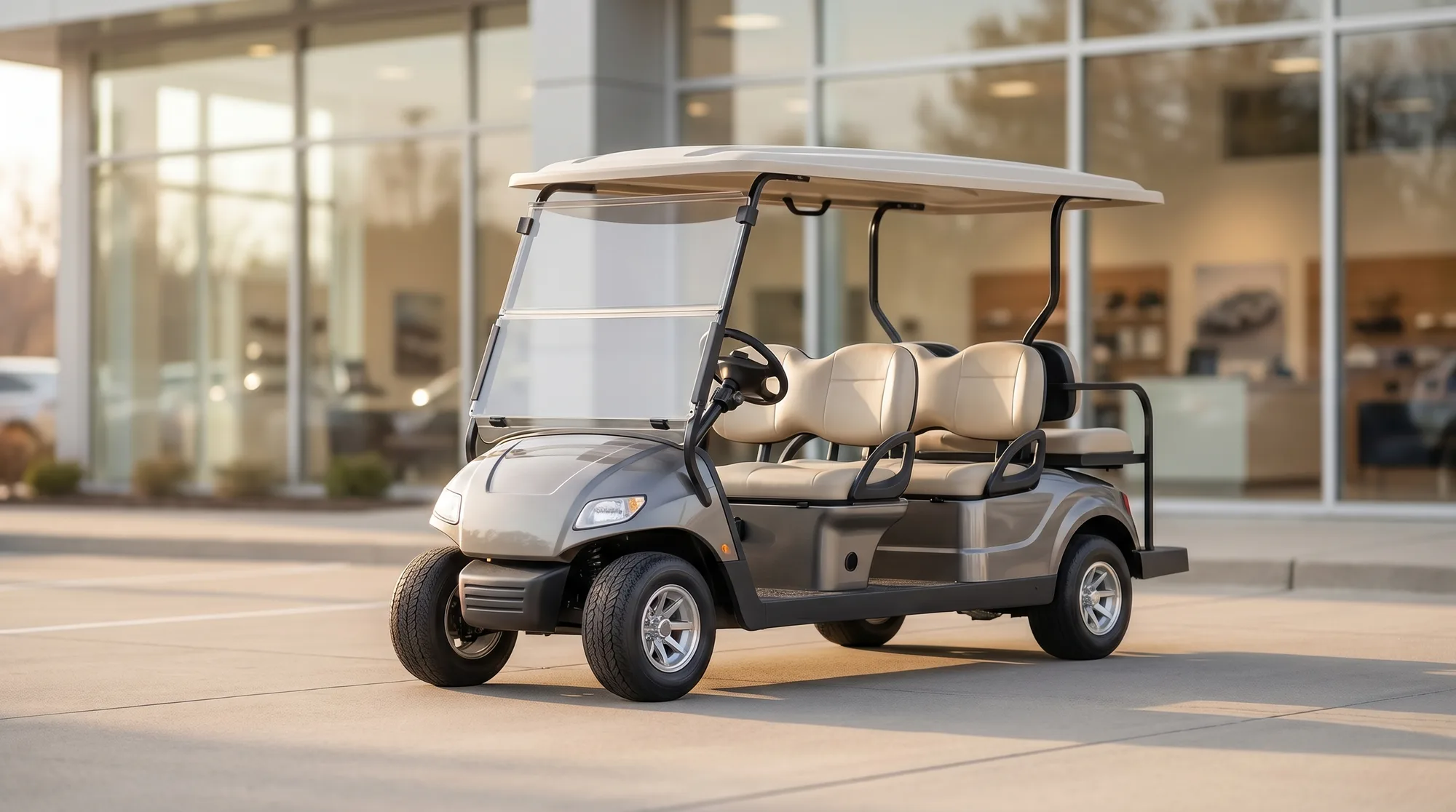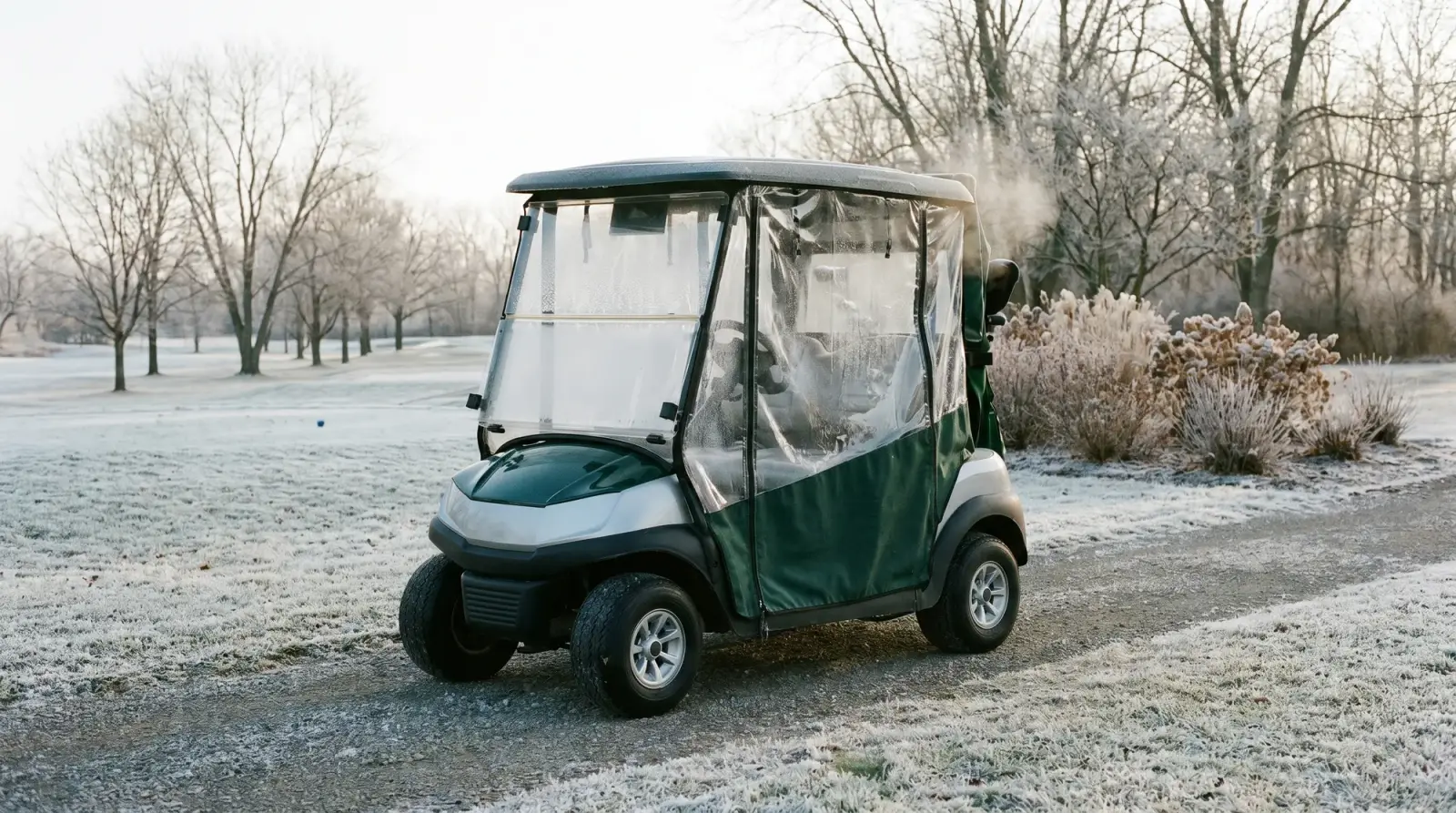
Depreciation is the cost nobody quotes you, yet it is often the largest single expense of owning a golf cart. The good news is that carts generally hold value better than cars in percentage terms, and a few sensible choices at purchase can keep more of your money in your pocket when you sell. This guide explains how golf cart resale value behaves, what protects it, and how to buy and sell smartly in 2026.
- Golf carts depreciate fastest in the first few years, then the curve flattens.
- Battery health is the single biggest factor in a used cart's resale value.
- Reputable brands, popular configurations and good condition all protect value.
- Buying lightly used lets the first owner absorb the steepest drop.
- Records, a clean cart and a healthy battery make the easiest, best-priced sale.
How golf cart depreciation works
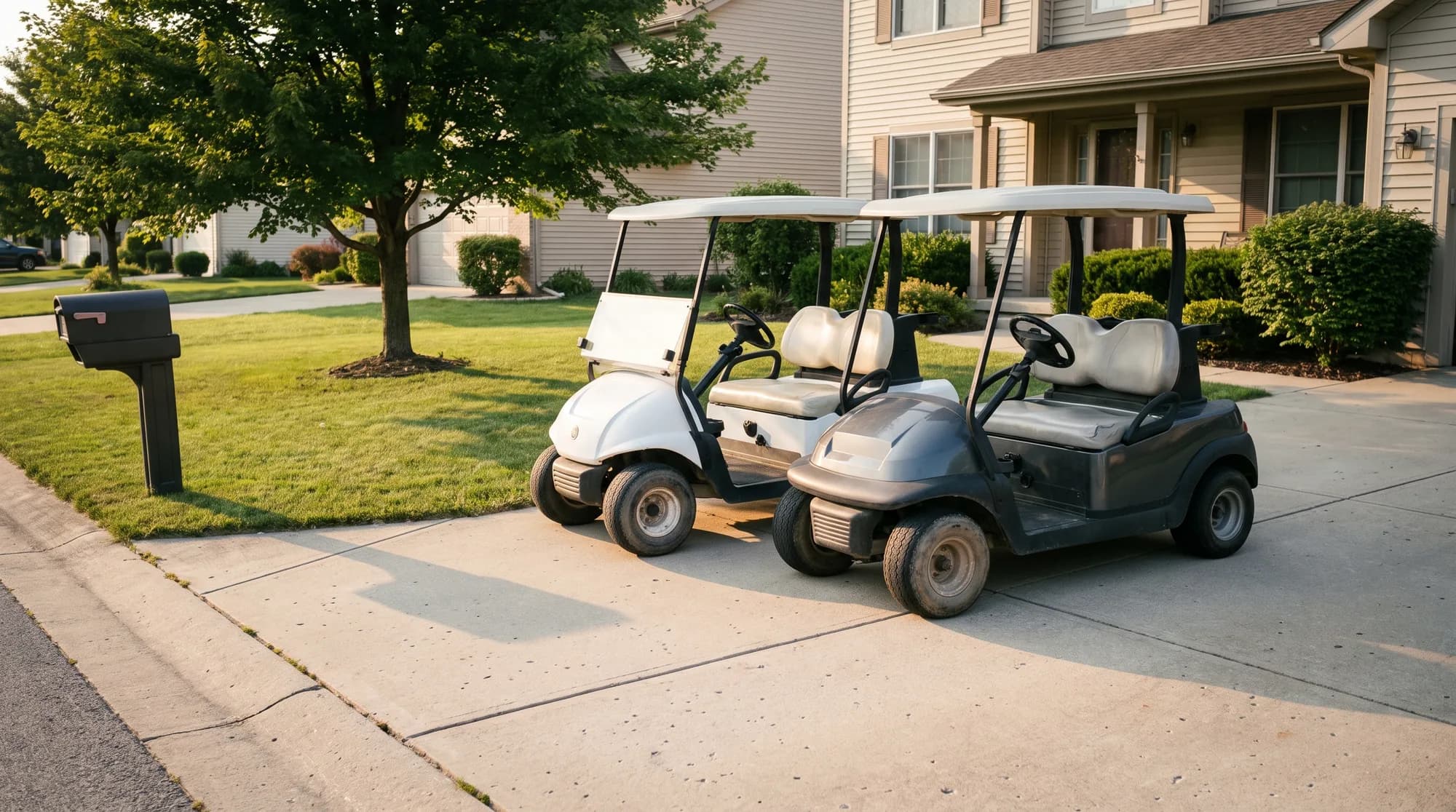
Like most vehicles, golf carts lose the largest share of their value early, then settle into a slower decline. A new cart takes the sharpest hit in its first couple of years; after that, a well-kept cart depreciates gently. This is why buying a two or three year old cart is often the value sweet spot, and why selling a nearly new cart soon after purchase is the most expensive way to own one. Our new vs used guide uses exactly this curve.
What protects resale value
Some factors are within your control at purchase and during ownership, and they make a real difference when you sell.
- A reputable brand with strong parts support and a good reputation.
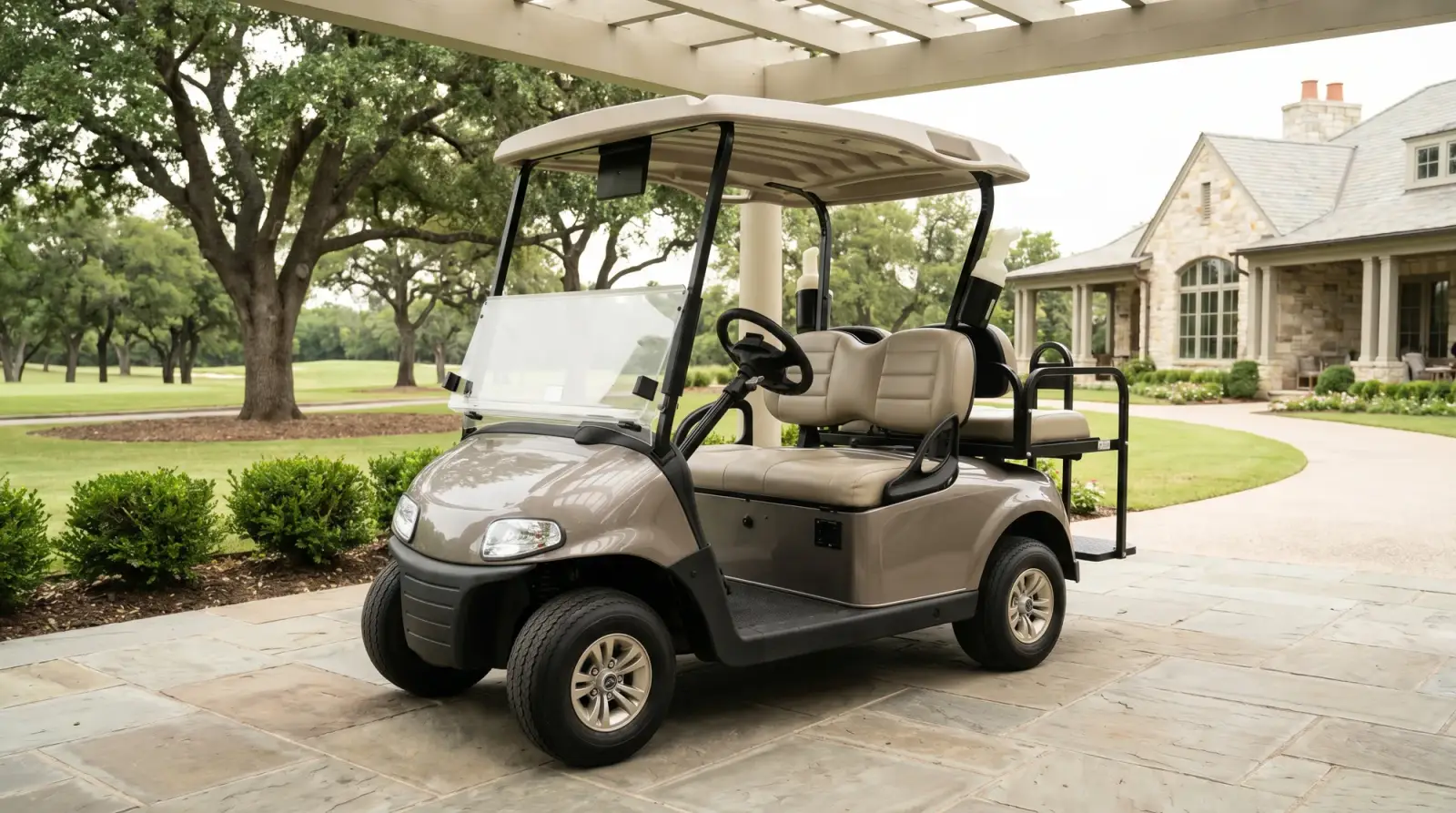
- A popular configuration: four seats and a sensible spec sell more easily than niche builds.
- A healthy battery, ideally lithium with life remaining, or recently replaced lead-acid.
- Clean, undamaged bodywork and a tidy interior.
- Service records and proof the cart has been looked after.
- Desirable, sensible accessories rather than heavily personalized modifications.
Why the battery dominates resale
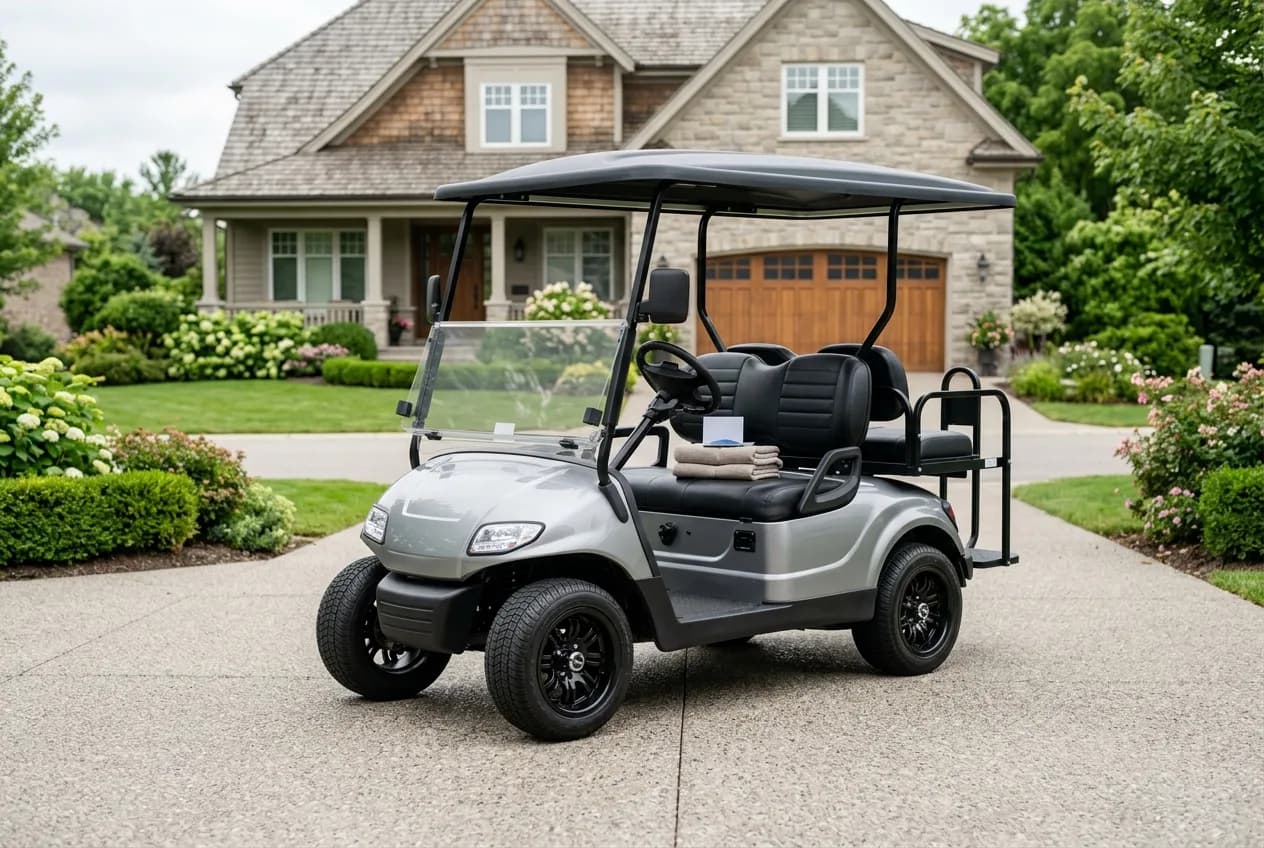
On an electric cart, the battery is the most expensive wear item, so its condition swings the resale value more than anything else. A buyer who sees a tired pack mentally subtracts the cost of replacement, often $1,000 to $2,000. Keeping the battery healthy, and being able to show its age and condition, directly protects your sale price. Our guides on battery life and lithium vs lead-acid explain how to keep and prove battery health.
How to buy for the best resale
- 01
Choose a reputable brand
Stick to well-known names with good parts support; see our [brands comparison](/guides/club-car-vs-ezgo-vs-yamaha-us).
- 02
Pick a popular spec
A sensible four-seat configuration resells more easily than a niche or heavily customized build.
- 03
Favor a good battery
Lithium or a recently replaced pack protects value and reassures the next buyer.
- 04
Consider buying lightly used
Let the first owner absorb the steepest depreciation, then enjoy the flatter curve.
Where you sell affects the price too
The channel you sell through changes what you net. A private sale usually fetches the most because there is no middleman, but it takes more effort and patience. Trading in at a dealer is quicker and simpler but typically nets less. Online marketplaces sit in between. The same logic that guides buyers in our where to buy guide applies in reverse when you sell, so weigh speed against the figure you want.
How to sell for the most
When it is time to sell, clean the cart thoroughly, fix small faults, gather your records and be honest about the battery. Take clear, well-lit photos and write a straightforward description. Price it against genuinely comparable carts, not wishful thinking. A clean, well-documented cart with a healthy battery sells faster and for more than a neglected one with a vague history, every time, and a few hours of preparation often returns far more than they cost in time.
Buy a cart that holds its value
We will help you spec a cart that serves you well now and resells strongly later, with an honest price.
Frequently asked questions
Do golf carts hold their value?+
Generally better than cars in percentage terms. They depreciate fastest in the first few years, then the curve flattens, so a well-kept cart with a healthy battery retains a solid share of its value.
What affects golf cart resale value most?+
Battery health, above all. After that, the brand and its reputation, the configuration, overall condition and whether the cart has service records and has been stored out of the weather.
How fast do golf carts depreciate?+
Most of the loss happens in the first two to three years, after which a well-maintained cart depreciates slowly. This is why lightly used carts are often the best value entry point.
Does a lithium battery help resale?+
Yes. A healthy lithium pack with life remaining reassures buyers and avoids the replacement cost they would subtract for a tired lead-acid battery, supporting a higher sale price.
How do I get the most when selling?+
Clean the cart, fix small faults, gather records, be honest about the battery and price against truly comparable carts. A clean, documented cart with a good battery sells fastest and for the most.
Related solutions
Ready to explore what we build?
See the vehicles and the setting this applies to, or get a tailored quote built around your site.
Ready to find the right buggy?
Tell us how and where it will work and we will specify a vehicle and a tailored quote built around you. Every build comes with a 3-year warranty and a 24-hour priority call-out.
Our guides are written and reviewed by the Hawke Electric Vehicles team, the people who specify, build, deliver and support the vehicles. We focus on honest, practical advice and flag where a figure depends on the build rather than guessing.
More guides by Hawke