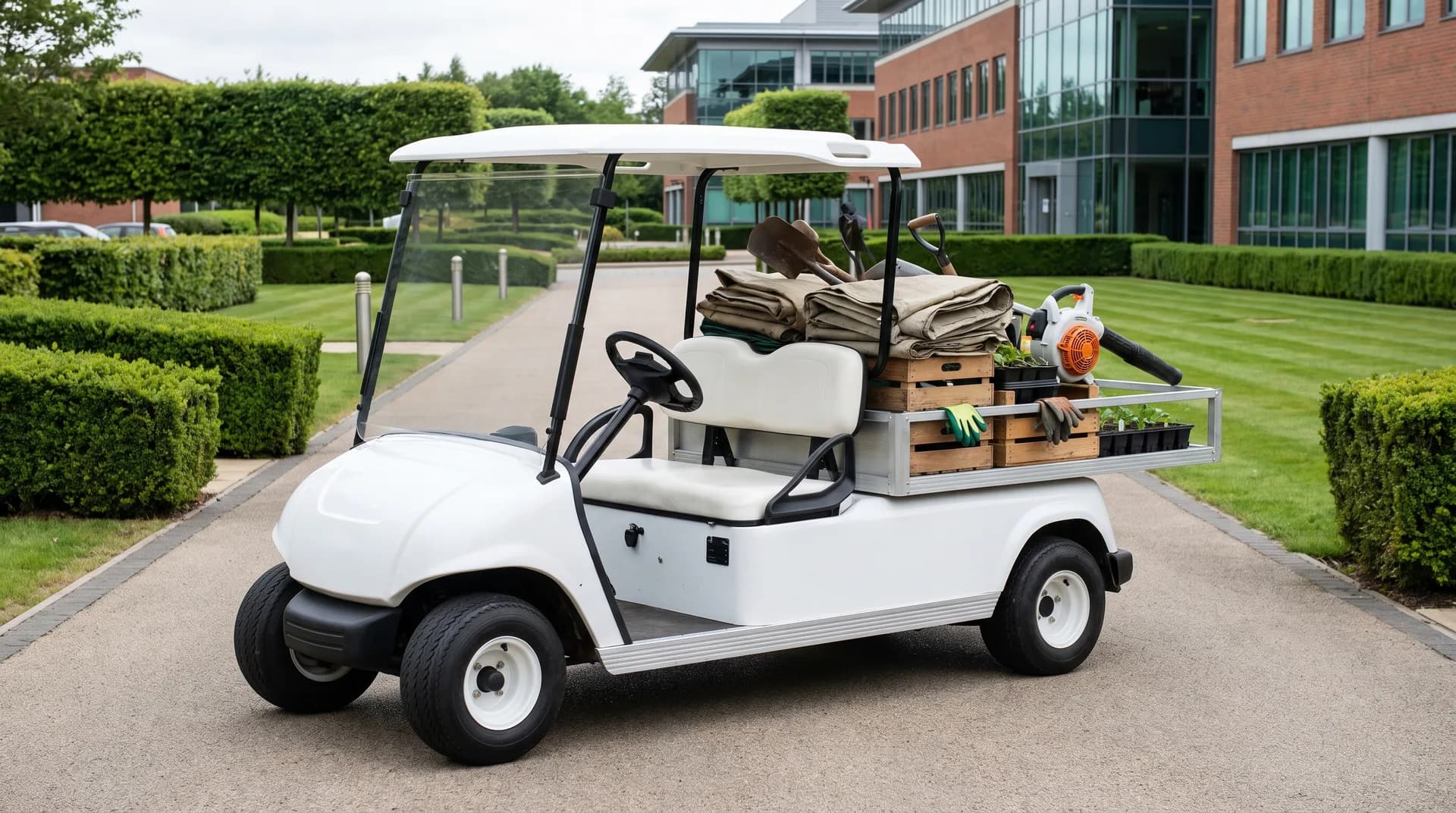
A contractor's vehicle lives a different life from an in-house grounds team's. It works on other people's sites, under other people's rules, and it often has to get between those sites on a trailer. That changes what matters: transportability, quick loading, a payload you can plan a job around, and manners quiet and clean enough for any client environment, from a corporate campus to a care home. This guide covers choosing an electric utility vehicle for landscaping and grounds contracting, where the vehicle is part of how you win and keep contracts.
- Clients increasingly specify quiet, zero-emission working; electric wins bids.
- Plan around trailer transportability: weight, dimensions and tie-down points.
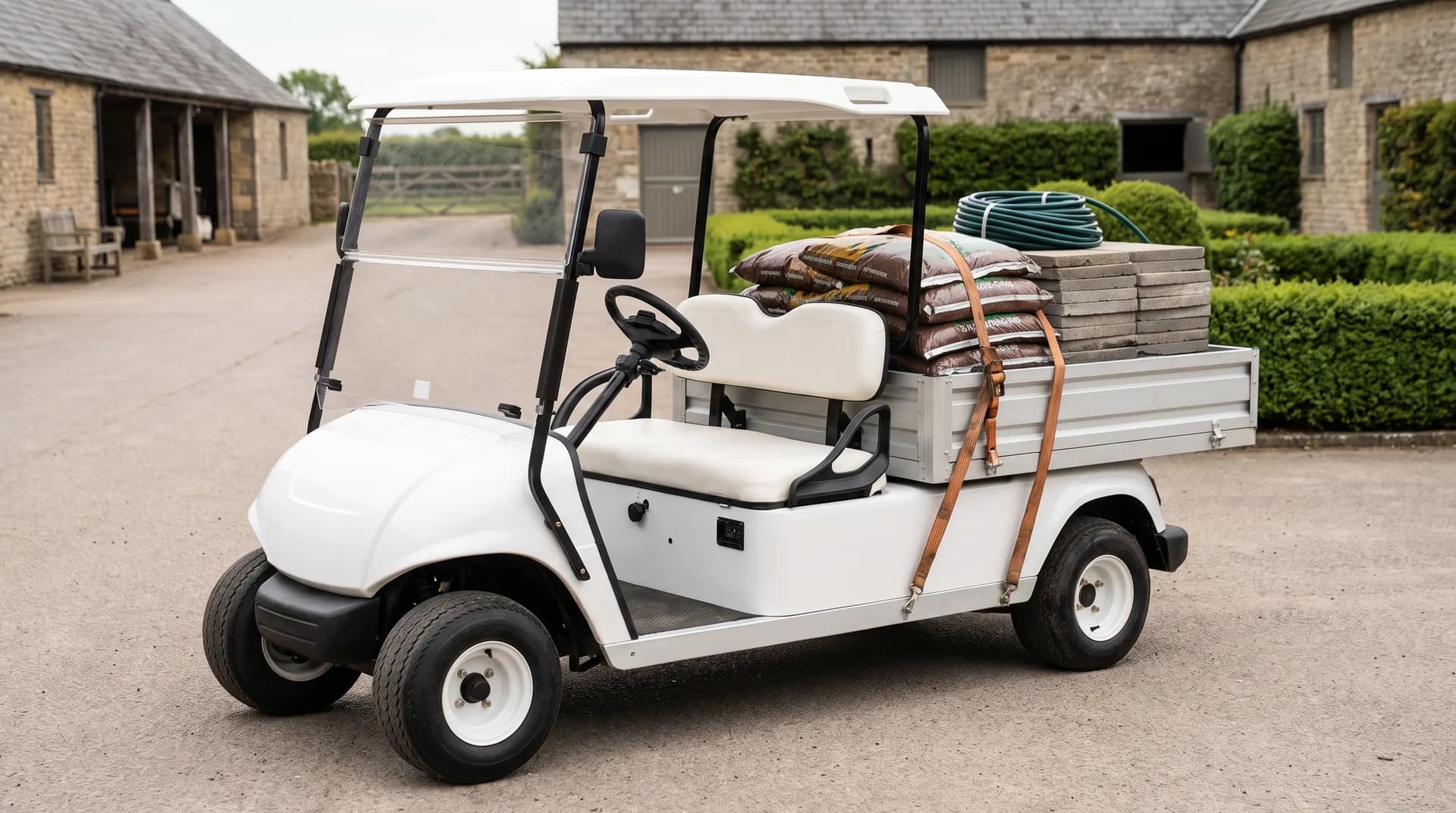
- A rated payload you can trust turns quoting a job into arithmetic.
- One vehicle serving many sites needs tyres for every ground it meets.
- Low running cost per contract-hour compounds across a season.
The contractor's difference: the vehicle travels
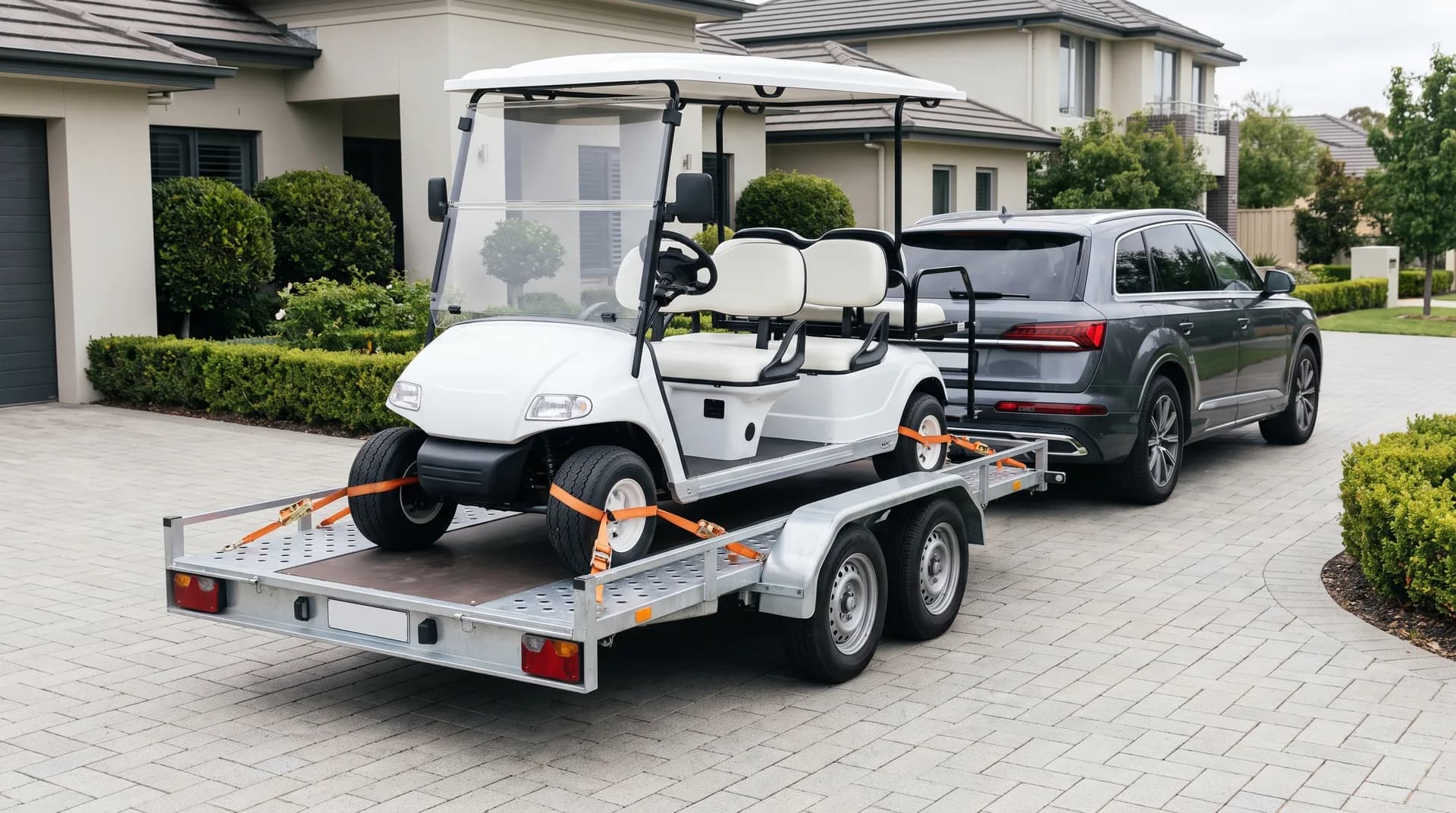
An estate vehicle sleeps where it works; a contractor's vehicle commutes by trailer. That makes kerb weight, dimensions and lashing points part of the buying decision, exactly the practicalities our transporting guide covers, and it rewards a vehicle that loads fast and secures simply so the day is spent working, not strapping. Charging fits the same rhythm: back to the yard at night, charged from an ordinary socket, ready for tomorrow's site.
Winning the sites petrol cannot
The commercial case is sharpening: schools, care settings, hospitals, corporate campuses and heritage clients increasingly write low-noise, zero-emission working into their contracts, and a contractor who turns up electric walks into sites a petrol machine now struggles to. No fumes near buildings, no engine noise during term time or visiting hours, no fuel stored on a client's premises. The vehicle becomes a line in your tender, not just a tool in your yard.
Specifying for many grounds, not one
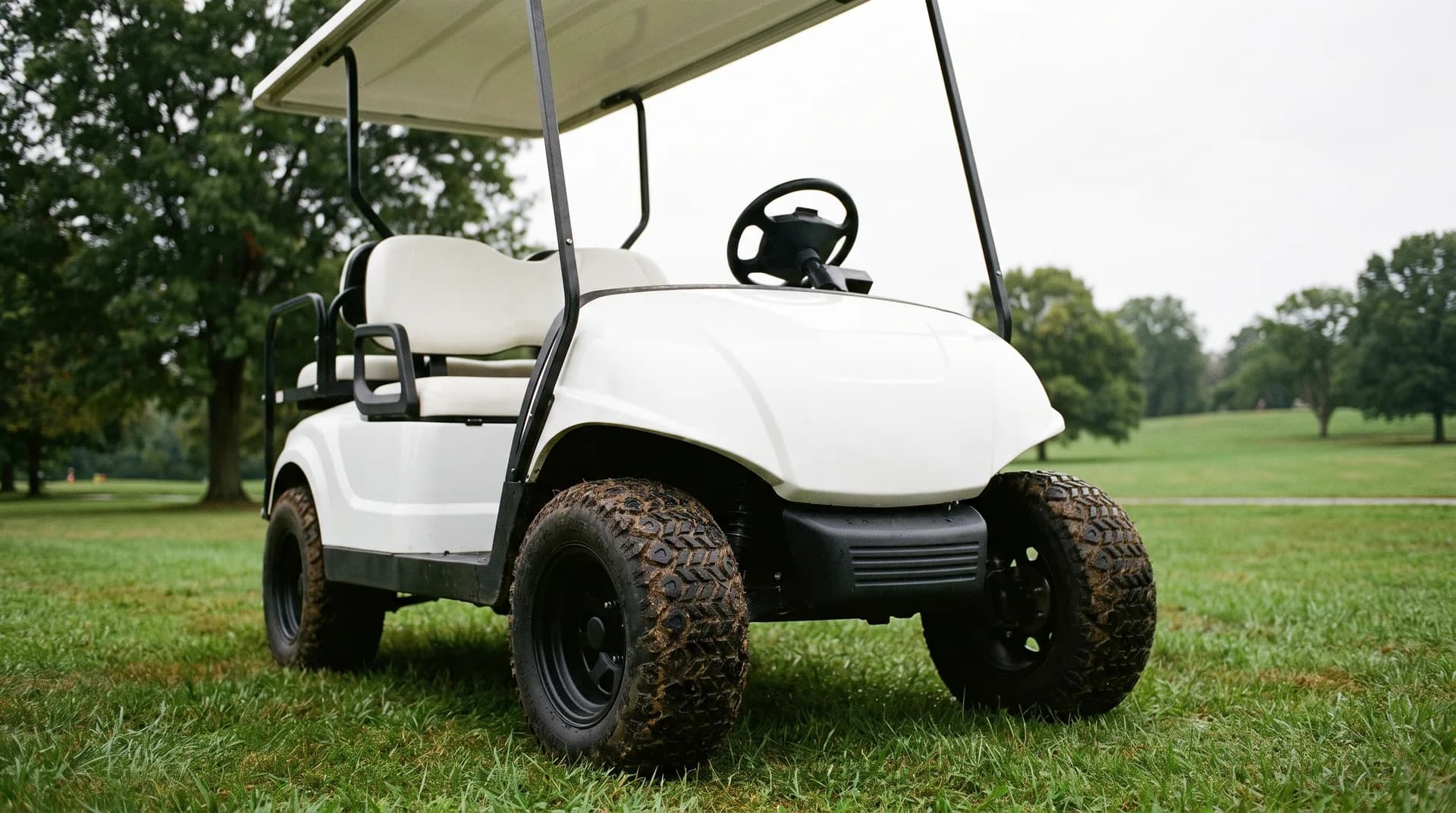
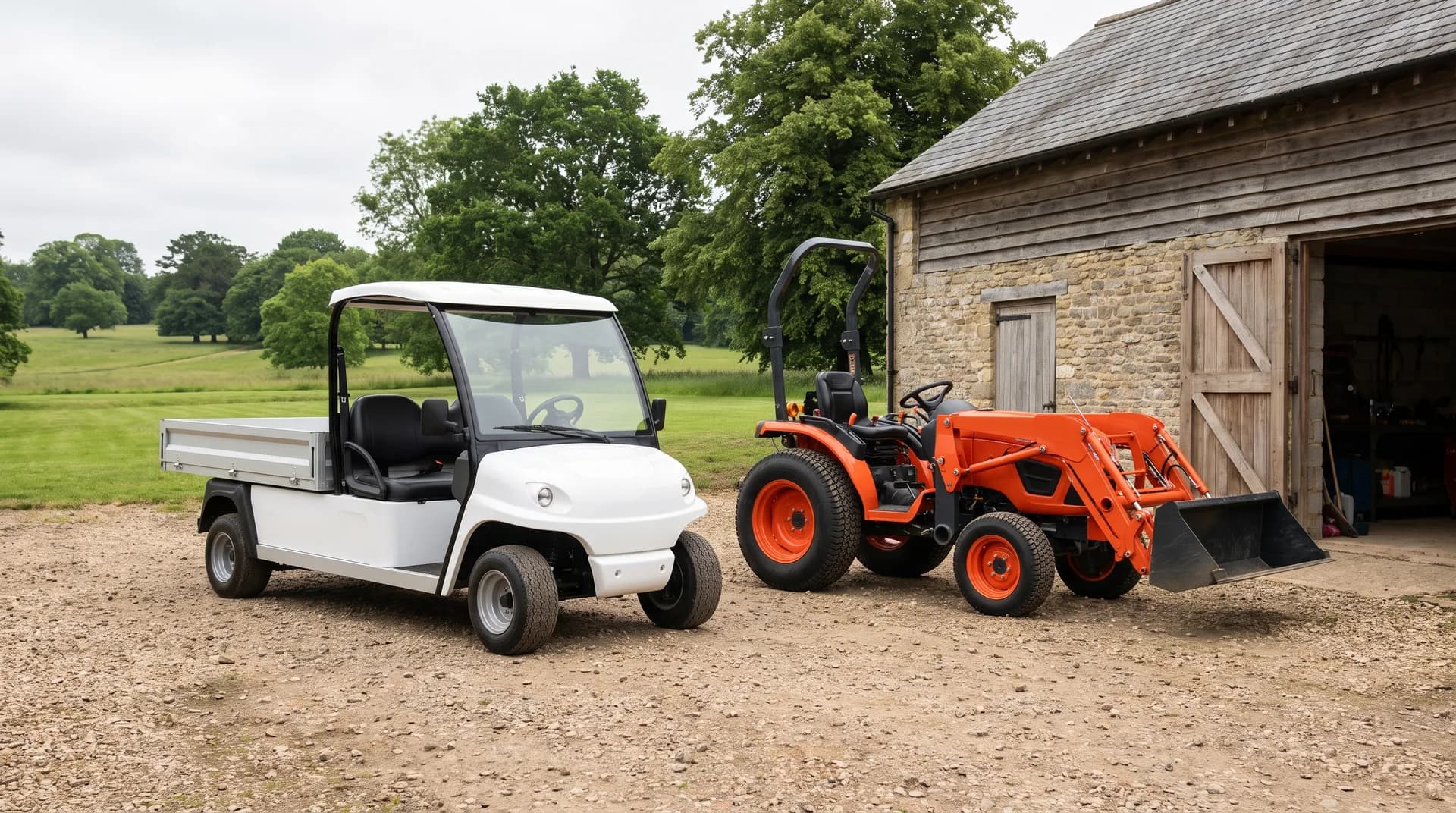
An in-house vehicle is specified for one site; a contractor's must handle every ground on the round. That points to all-terrain tyres over pure turf, as our tyres guide explains, honest payload with margin for the heaviest regular job, covered in our weight guide, and towing within rating for the kit trailer. Where your work is powered attachments rather than carrying, be honest that it is tractor territory, the distinction our UTV versus compact tractor guide draws.
Frequently asked questions
Why would a landscaping contractor go electric?+
Because clients increasingly require it: low-noise, zero-emission working is being written into contracts for schools, care settings, campuses and heritage sites. Add running costs of pennies per hour and no fuel stored on client premises, and the vehicle becomes a tender advantage.
Can an electric utility vehicle be trailered between sites?+
Yes, and it should be planned for: check kerb weight against your trailer and towing vehicle, use proper lashing points, and follow the battery guidance in transit. Our transporting guide covers doing it safely.
Will one vehicle cope with different client sites?+
Specified for the round rather than one site, yes: all-terrain tyres for mixed ground, honest payload with margin, and towing within rating for the kit trailer. We specify for the variety a contractor actually meets.
How does charging work for a contractor?+
Back at the yard overnight from an ordinary socket, the same rhythm as the trailer. For a long day on one site, a client socket at lunch adds margin, with permission and the usual outdoor-charging care.
What does it cost to run across a season?+
A fraction of petrol per contract-hour, with far less servicing, and the saving compounds across a season of sites. We will quote honestly against your current machine using your real workload.
Specify a contractor's workhorse
Tell us your round, your trailer and your heaviest jobs, and we will specify a vehicle that travels, works and wins tenders, and prepare a working quote.
Related solutions
Ready to explore what we build?
See the vehicles and the setting this applies to, or get a tailored quote built around your site.

Ready to find the right buggy?
Tell us how and where it will work and we will specify a vehicle and a tailored quote built around you. Every build comes with a 3-year warranty and a 24-hour priority call-out.
Our guides are written and reviewed by the Hawke Electric Vehicles team, the people who specify, build, deliver and support the vehicles. We focus on honest, practical advice and flag where a figure depends on the build rather than guessing.
More guides by Hawke