Most electric buggy niggles have a simple cause, and a few safe checks solve or explain the common ones before you need anyone out. This guide covers the usual problems, the first things to check that anyone can do safely, and, just as importantly, when to stop and call an engineer rather than poking at the electrics. A quick, safe diagnosis often saves a call-out, and knowing the limits keeps you safe.
It will not start
The most common cause is the simplest: check the key is on, the forward-neutral-reverse selector is in gear and not stuck in neutral, and the parking brake is released. Then check the battery has charge, since a flat or very low battery will not move the vehicle. Many a call-out turns out to be a selector in neutral or a battery that was not charged overnight. If those are all fine and it still will not start, it is time to call an engineer.
It will not charge
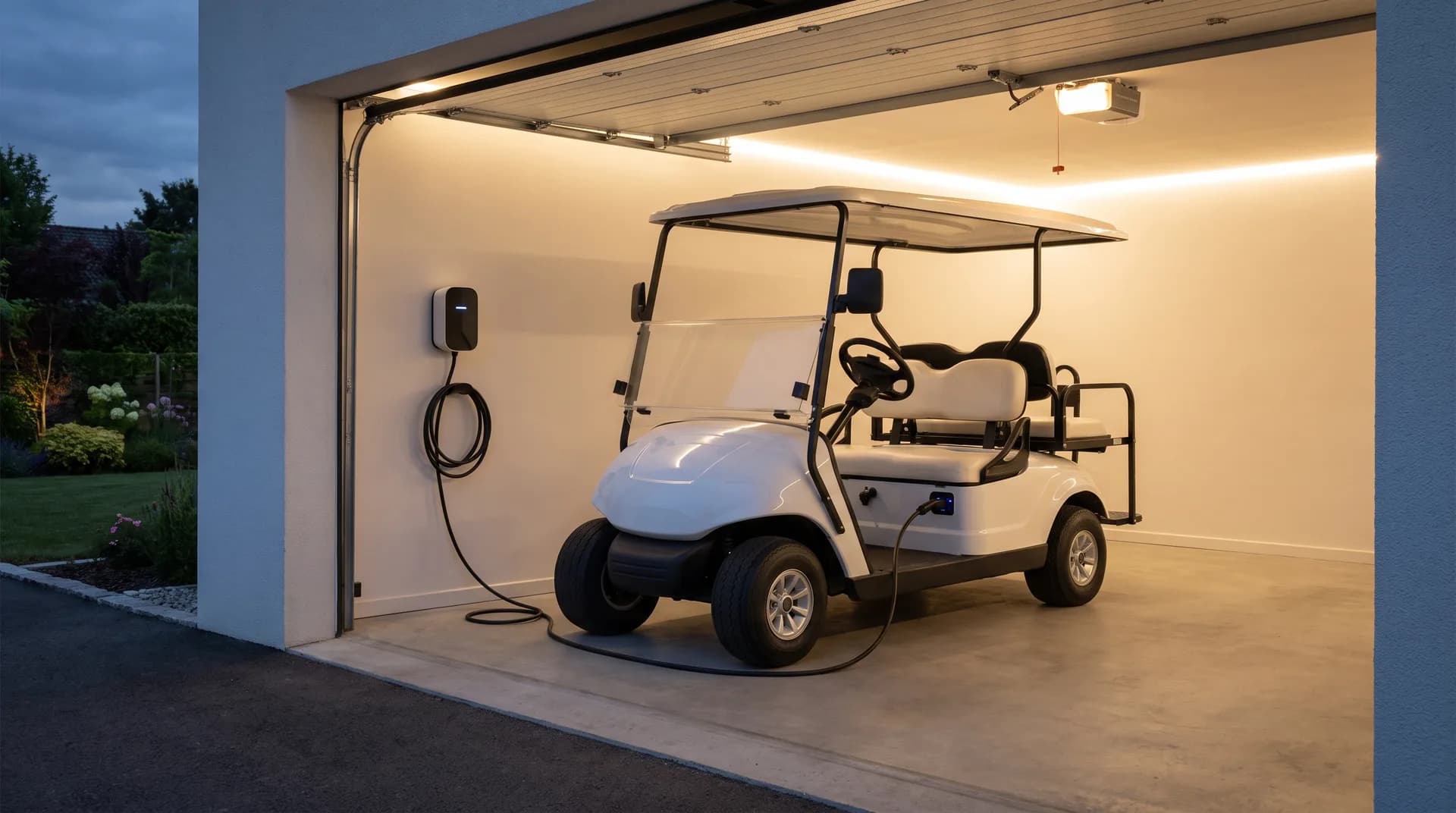
If the battery is not charging, check the obvious first: the charger is plugged in at both ends and switched on at the socket, the charge port connection is clean and fully seated, and the socket itself has power. A loose or dirty connection, or a tripped socket, is a frequent and harmless cause. If the connections are all good and it still will not charge, do not investigate the charger or battery yourself; call an engineer, as our warranty and aftercare covers.
It has lost power or feels slow
A buggy that feels sluggish is often simply low on charge, so check the battery level first, and remember that a heavy load, a hill or soft ground all draw more power and slow it, as our guide on how buggies work explains. A battery reaching the end of its life also holds less, which shows as reduced range and power over time. If it is well charged, lightly loaded and still weak, have it looked at.
When to call an engineer
The rule is simple: do the safe external checks, and if they do not solve it, call an engineer rather than opening anything electrical. Warning lights, burning smells, sparks, water damage or anything involving the battery, wiring, motor or controller are always a job for a qualified person. A 24-hour priority call-out means help is quick, and it is always the safe choice over a home repair on an electric drivetrain.
Frequently asked questions
Why won't my electric golf buggy start?+
Most often the key is off, the selector is in neutral, the parking brake is on, or the battery is flat. Check those safe, external things first. If they are all fine and it still will not start, call an engineer rather than investigating the electrics.
Why won't my buggy charge?+
Usually a simple connection issue: the charger not plugged in or switched on at both ends, a dirty or loose charge port, or a tripped socket. Check those. If the connections are good and it still will not charge, do not open the charger or battery; call an engineer.
Why has my buggy lost power?+
Commonly a low battery, or a heavy load, hill or soft ground drawing more power. A battery nearing the end of its life also holds less. Check the charge and load first; if it is well charged, lightly loaded and still weak, have it looked at.
Can I fix it myself?+
You can safely make external checks: key, selector, brake, charge and the charger connections. You should never open the battery or work on the wiring, motor or controller. Those carry real electrical risk and are a job for a qualified engineer.
When should I call an engineer?+
Whenever the safe checks do not solve it, or if there are warning lights, burning smells, sparks or water damage, or anything involving the battery or wiring. A 24-hour priority call-out means help is quick and safe.
Need a hand with a fault?
Tell us the vehicle and the problem, and we will advise or arrange an engineer, and keep your buggy running.
Related solutions
Ready to explore what we build?
See the vehicles and the setting this applies to, or get a tailored quote built around your site.

Ready to find the right buggy?
Tell us how and where it will work and we will specify a vehicle and a tailored quote built around you. Every build comes with a 3-year warranty and a 24-hour priority call-out.
Our guides are written and reviewed by the Hawke Electric Vehicles team, the people who specify, build, deliver and support the vehicles. We focus on honest, practical advice and flag where a figure depends on the build rather than guessing.
More guides by Hawke