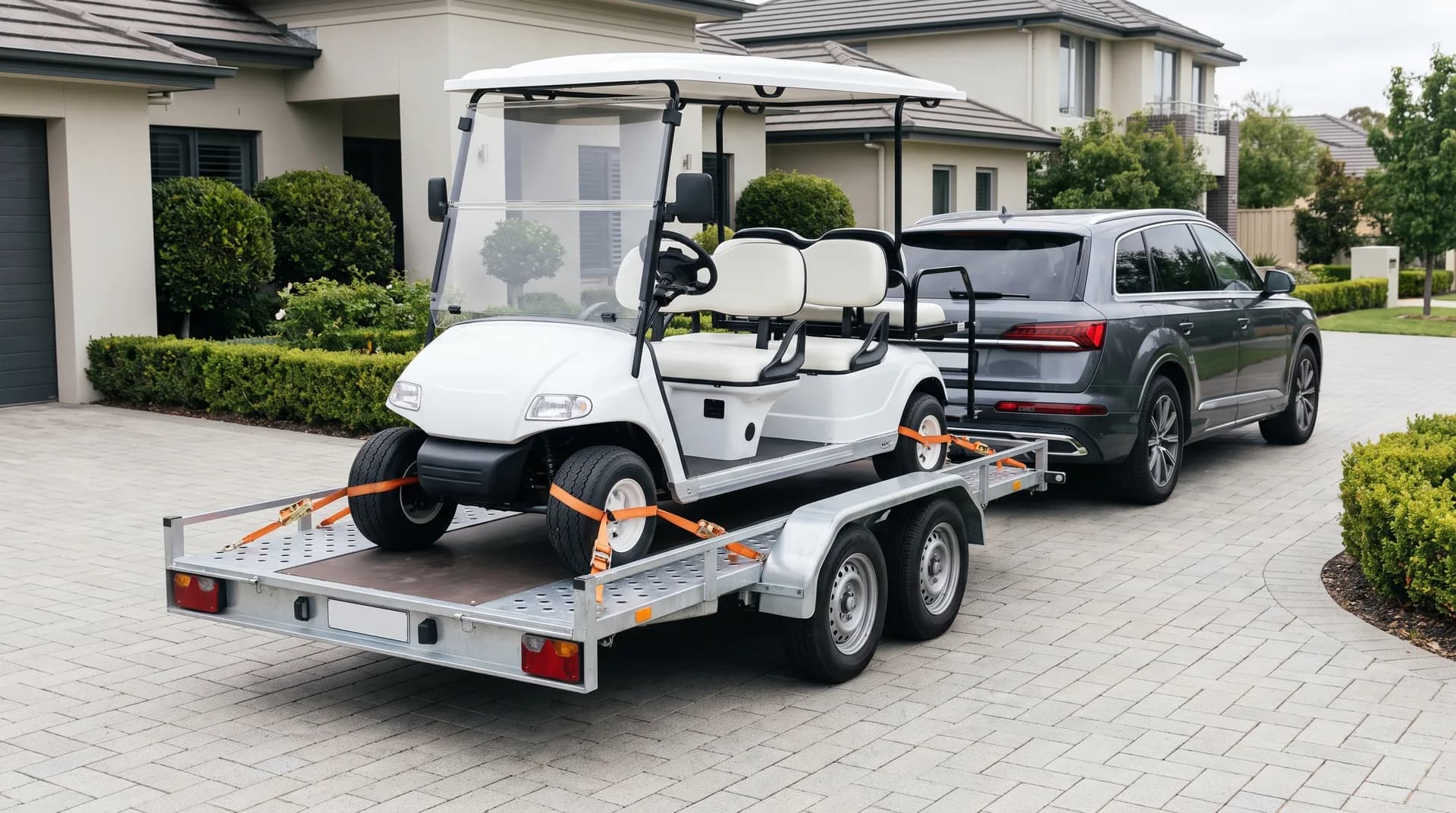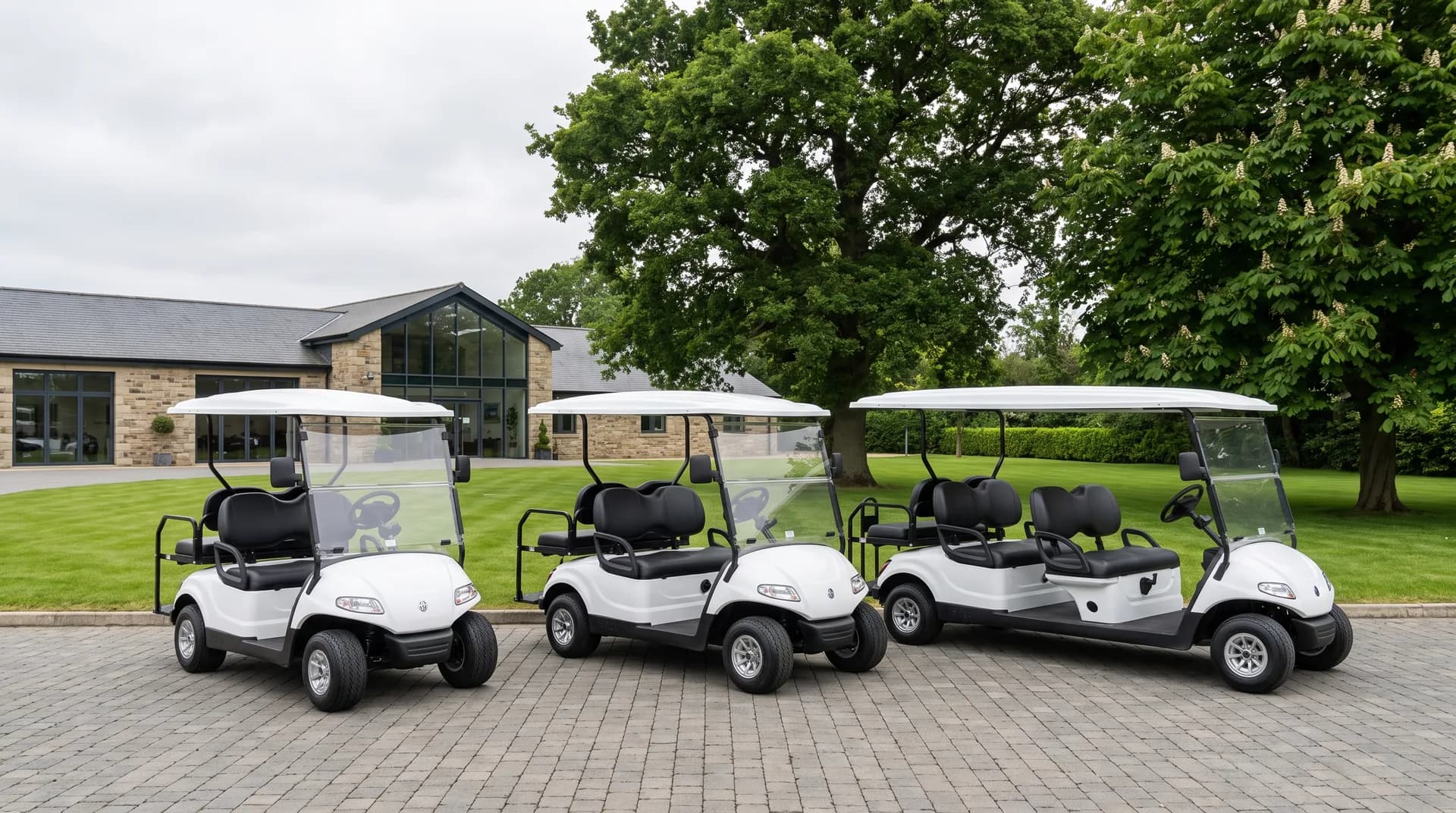
Cheap golf carts are genuinely available in the UK: private-sale machines from a few hundred pounds, ex-fleet golf carts retired by clubs and resorts, dealer-prepared used stock, and entry-level new models above that. The honest question is not how little you can pay, it is what each level of budget actually buys, because the gap between the purchase price and the real cost of ownership is wider in this market than almost anywhere else. The pattern to understand from the start: the vehicle's mechanicals usually outlast its batteries, so cheap golf carts are frequently machines wearing a dying battery pack, and the pack is the expensive part. This guide walks the budget ladder honestly, rung by rung, including where cheap quietly stops being cheap.
- The used market runs from a few hundred pounds to several thousand; the battery pack explains most of the spread.
- A cheap cart on tired lead-acid batteries often needs £500 to £1,500 of pack within a year or two.
- Ex-fleet golf carts can be excellent value, but hours of use matter more than age.
- Approved used from a dealer costs more than a private bargain and removes most of the risk.
- Over several years of regular use, entry-level new can be the cheaper total sum than serial bargains.
What cheap golf carts look like at each level
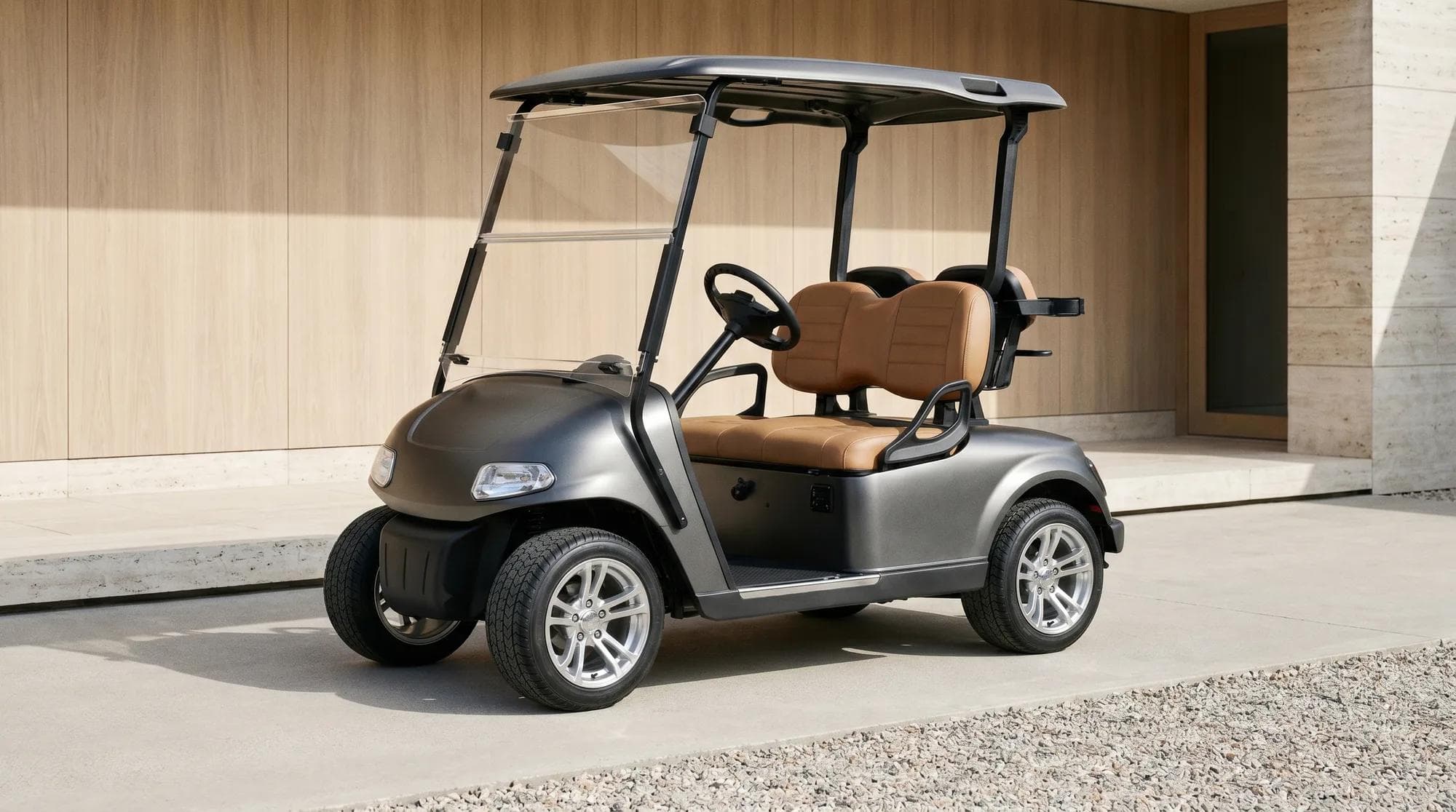
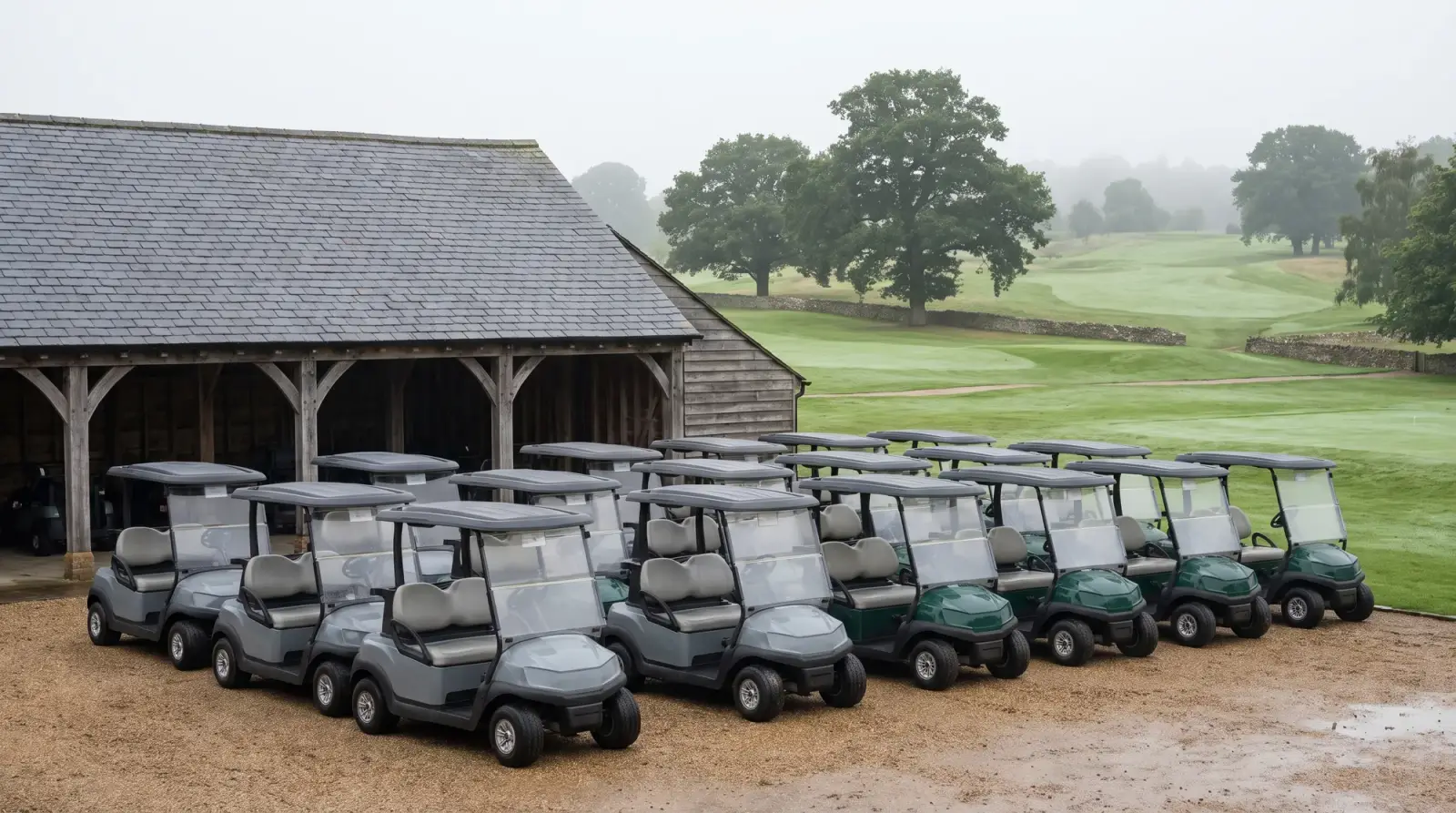
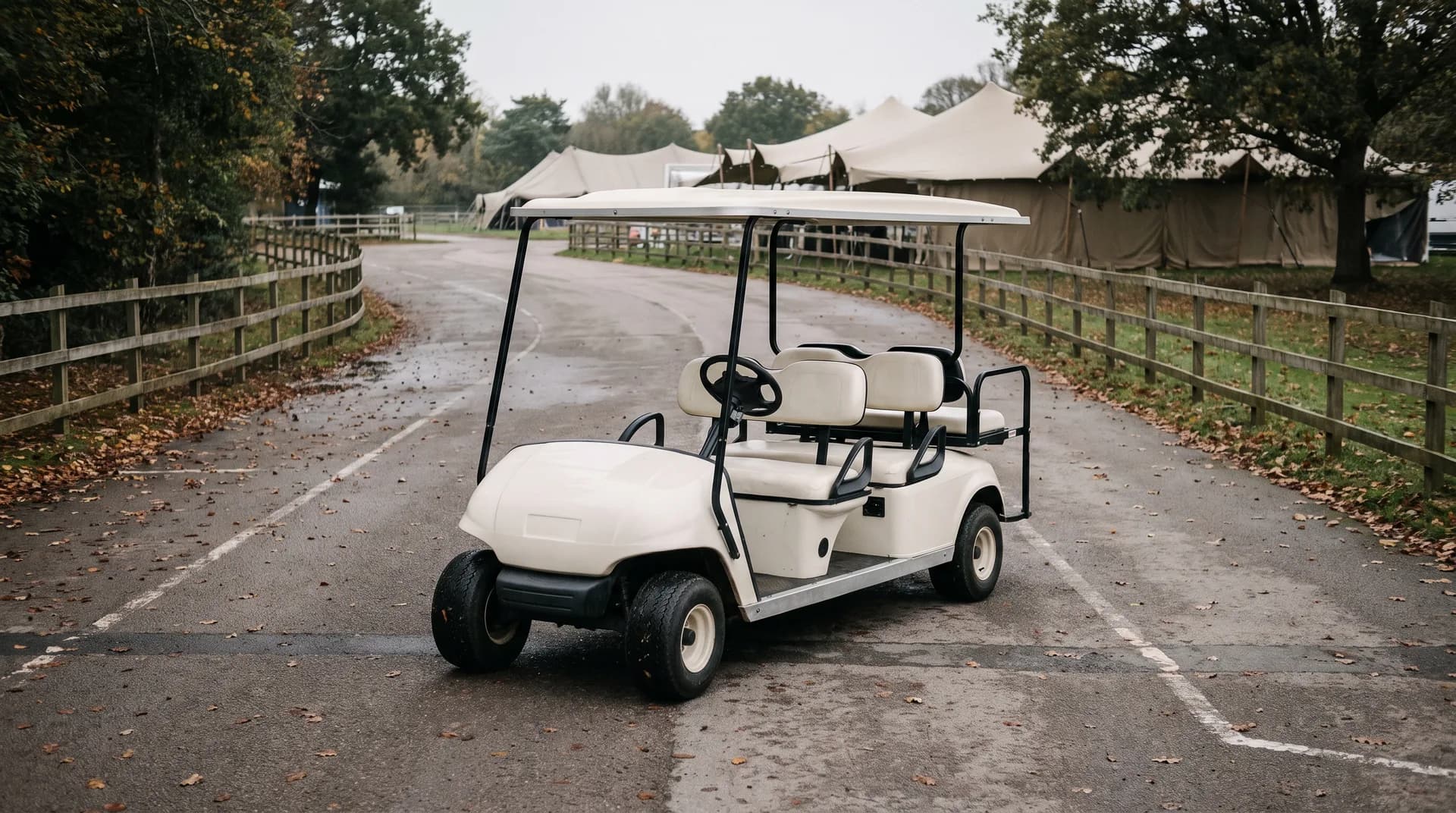
At the very bottom, a few hundred pounds to around £1,500, sit private marketplace sales: older machines, almost always lead-acid, sold with limited history and no comeback. Some are honest; the battery pack is nearly always near the end. From roughly £1,500 to £3,500 you find ex-fleet golf carts, machines retired from golf club and resort fleets, and better private sales. Ex-fleet stock has usually been serviced on a schedule, which is a genuine advantage, but fleet golf carts work hard, so the hour meter tells you more than the registration year, our guide to buying an ex-golf-club cart covers what to check. From about £3,500 to £7,000 sits dealer-prepared approved used stock, inspected, often on fresh batteries, and warranted. Above that you are into newer used and entry-level new territory, where our own range starts with the S2 two-passenger at £11,500.
Where cheap golf carts get expensive
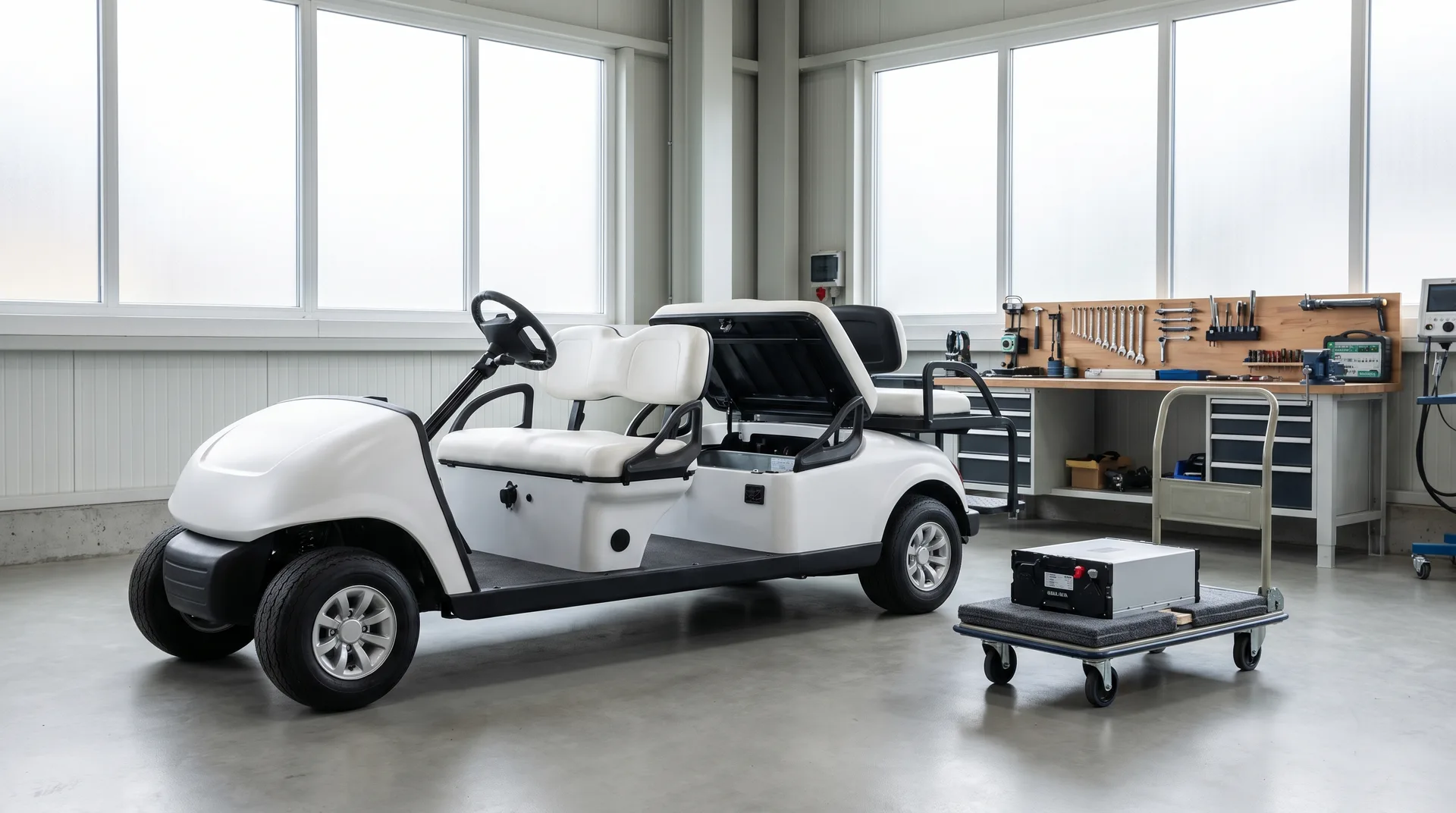
The battery is the trap. A lead-acid pack lasts a few seasons of regular use, and replacement typically costs several hundred pounds to over a thousand depending on the vehicle, the full ranges are in our guide to battery replacement costs. That means a £900 cart on original five-year-old batteries is realistically a £1,800 to £2,400 purchase within a year or so, at which point the dealer-prepared machine that looked expensive suddenly does not. Beyond batteries, budget buys carry quieter costs: chargers near the end of their lives, tires perished by outdoor storage, controllers and solenoids from ranges with thin UK parts supply, and the simple absence of anyone to call when something fails. None of this means avoid the budget market; it means price the whole first two years, not the day of purchase, and negotiate on the battery's age like it is the main component, because it is.
- Typical price
- A few hundred to £1,500
- What you get
- Older machine, unknown history
- The catch
- Battery usually near the end; no comeback
- Typical price
- £1,500 to £3,500
- What you get
- Serviced regularly, honest workhorses
- The catch
- High hours; condition varies widely
- Typical price
- £3,500 to £7,000
- What you get
- Inspected, often fresh batteries, warranted
- The catch
- Costs more than the bargain routes
- Typical price
- From £11,500 (Hawke S2)
- What you get
- Full warranty, lithium options, dealer support
- The catch
- Highest outlay; best cost per year for regular use
| Typical price | What you get | The catch | |
|---|---|---|---|
| Private marketplace | A few hundred to £1,500 | Older machine, unknown history | Battery usually near the end; no comeback |
| Ex-fleet | £1,500 to £3,500 | Serviced regularly, honest workhorses | High hours; condition varies widely |
| Approved used (dealer) | £3,500 to £7,000 | Inspected, often fresh batteries, warranted | Costs more than the bargain routes |
| Entry-level new | From £11,500 (Hawke S2) | Full warranty, lithium options, dealer support | Highest outlay; best cost per year for regular use |
When approved used beats the bargain
A dealer-prepared used cart typically costs a couple of thousand pounds more than a comparable private sale, and for many buyers that premium is the best value on the page. It buys an inspection by someone who knows what fails, batteries that are new or honestly assessed, a warranty that survives the drive home, and a phone number that answers in year two. For a buyer who cannot assess a battery pack, does not want to gamble on an unknown charger, or simply needs the machine to work every week, the private-sale saving is mostly a transfer of risk, not a saving at all. The calculation flips for genuinely handy buyers: if you can test a pack, fit batteries yourself and shrug off a bad month, the bottom of the market can reward you. You can see what the approved route looks like on our used golf carts page, and our new versus used guide works the comparison in full.
When entry-level new is the better sum
Run the numbers over five years rather than one and the answer sometimes surprises. A £2,500 used cart that needs a £1,000 pack in year one and another before year five, plus repairs with no warranty behind them, has cost £5,000-plus and still carries an old machine's reliability. A new entry-level cart such as the S2 at £11,500 costs more, clearly, but it arrives with a multi-year warranty, a lithium option that removes the battery-replacement cycle from the first several years entirely, negligible early maintenance and strong resale. For occasional summer use, the used route wins comfortably and we would say so. For a golfer or a site using the machine several times a week, year in, year out, the cost per reliable year is the fair comparison, and new or nearly-new frequently wins it. The wrong answer is only the one bought on purchase price alone.
Frequently asked questions
How much is a cheap golf cart in the UK?+
Private-sale machines start at a few hundred pounds, ex-fleet golf carts typically run £1,500 to £3,500, and dealer-prepared approved used sits around £3,500 to £7,000. The battery pack's age explains most of the price differences, so ask about it first.
Are cheap second-hand golf carts worth buying?+
They can be, if you price honestly. Assume a lead-acid pack near the end of its life unless proven otherwise, add £500 to £1,500 for replacement, and compare that total with dealer stock. Handy buyers who can assess and fit batteries get the most from the bottom of the market.
What should I check before buying a cheap golf cart?+
Battery age and chemistry first, then charger condition, tires, brakes, controller behaviour under load, and the hour meter on ex-fleet machines. Test it on a slope, not just a flat car park, and ask what UK parts support exists for the model.
Are ex-golf-club golf carts a good buy?+
Often, because fleet machines are serviced on a schedule. But they work hard, so hours matter more than age, and batteries are usually the first thing to need money. Buy on condition and service history rather than the badge or the year.
Is it cheaper to buy new or used overall?+
For occasional use, used wins. For regular use over several years, an entry-level new machine with a warranty and a lithium battery often costs less per reliable year than a series of cheap golf carts and battery packs. Compare five-year totals, not purchase prices.
Tell us your budget, get a straight answer
Whatever you have to spend, we will tell you honestly what it buys, approved used, ex-fleet or new, and when the bargain route genuinely serves you better.
Related solutions
Ready to explore what we build?
See the vehicles and the setting this applies to, or get a tailored quote built around your site.
Ready to find the right golf cart?
Tell us how and where it will work and we will specify a vehicle and a tailored quote built around you. Every build comes with a 3-year warranty and a 24-hour priority call-out.
Our guides are written and reviewed by the Hawke Electric Vehicles team, the people who specify, build, deliver and support the vehicles. We focus on honest, practical advice and flag where a figure depends on the build rather than guessing.
More guides by Hawke