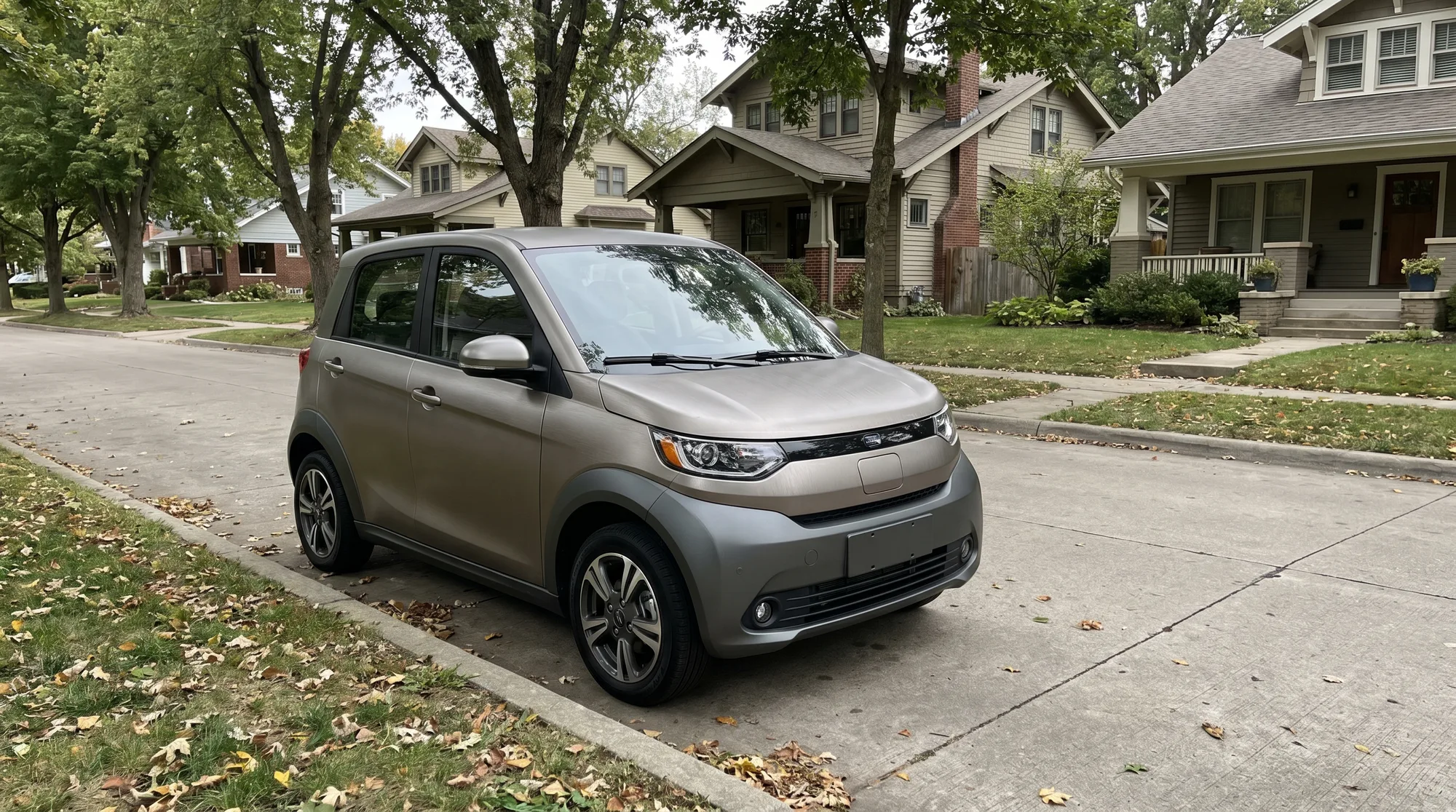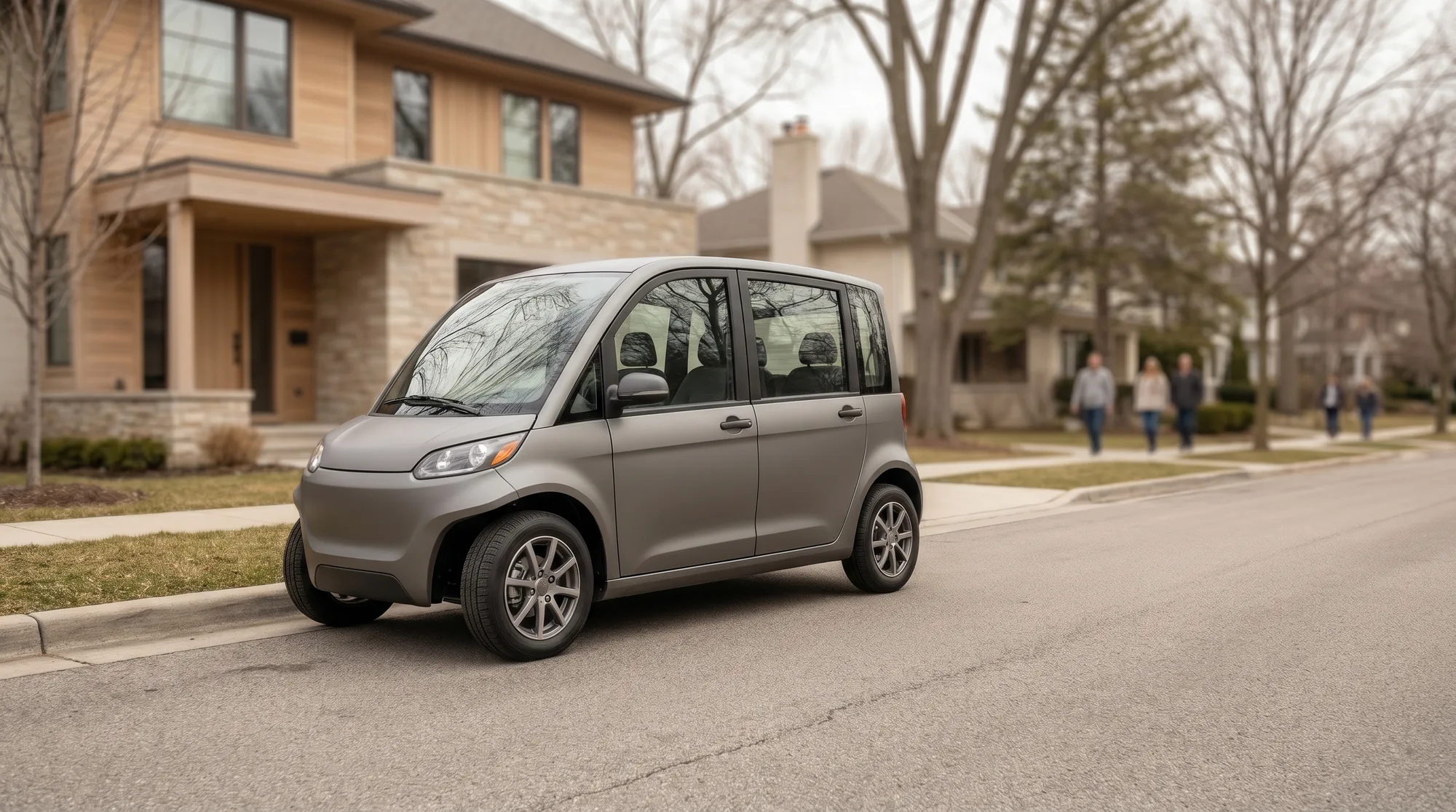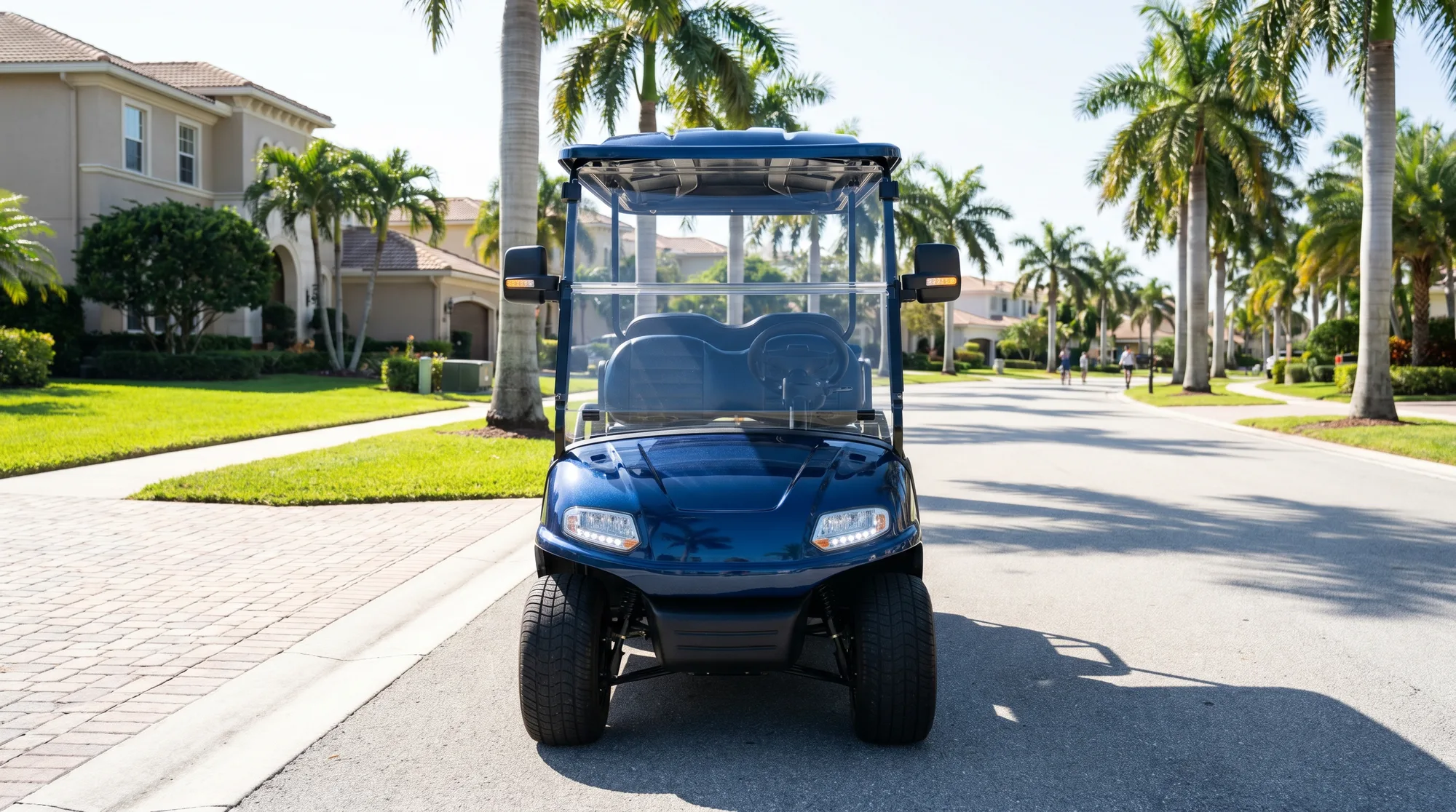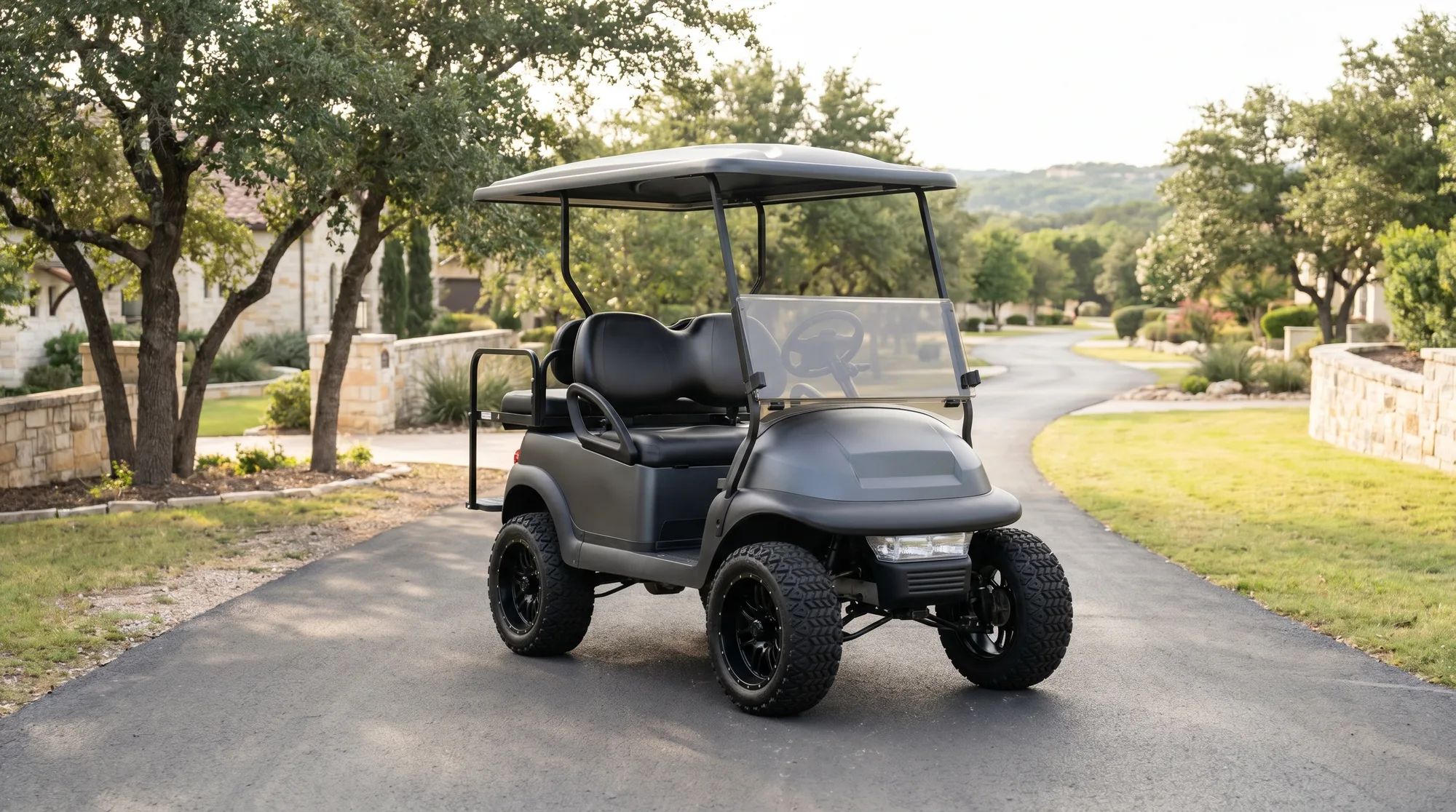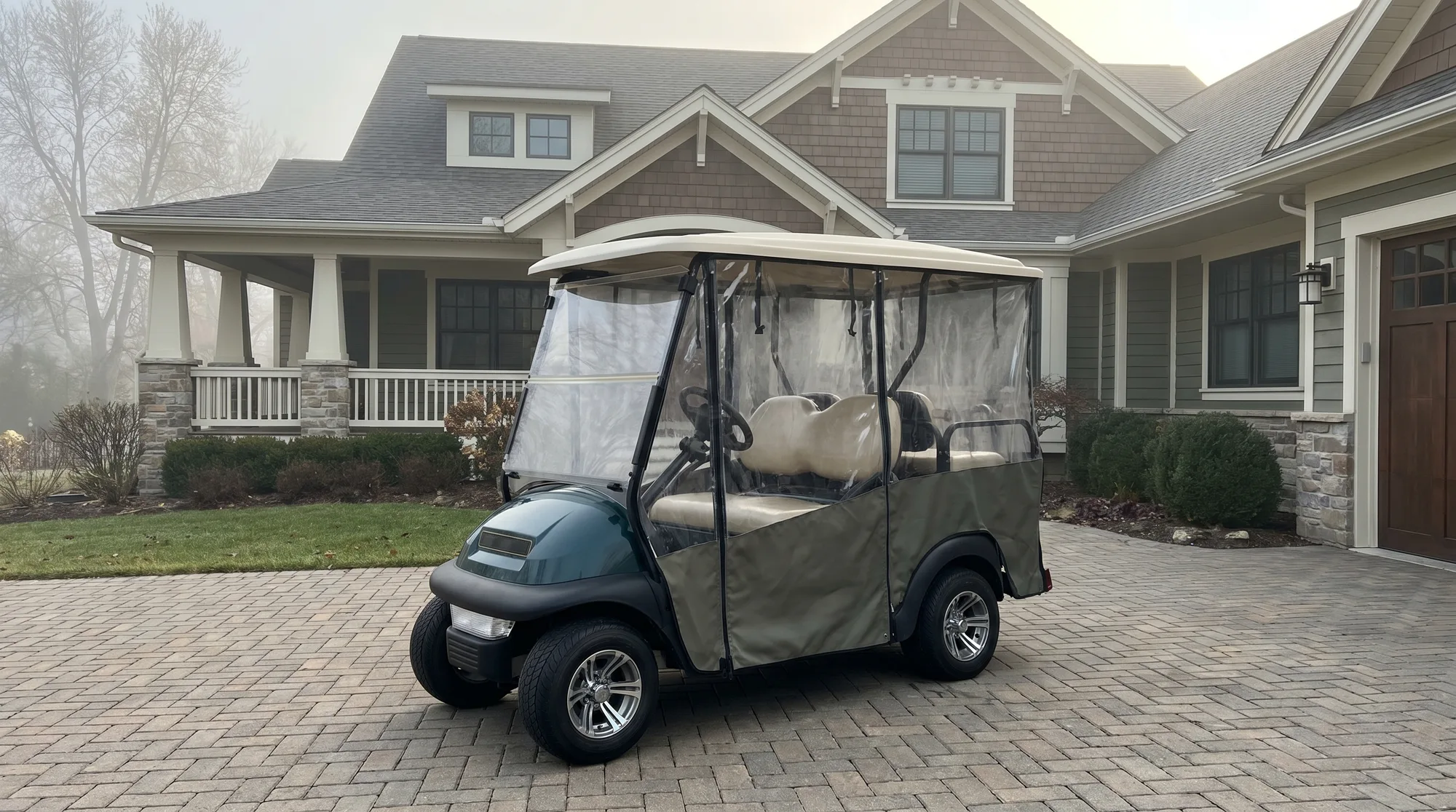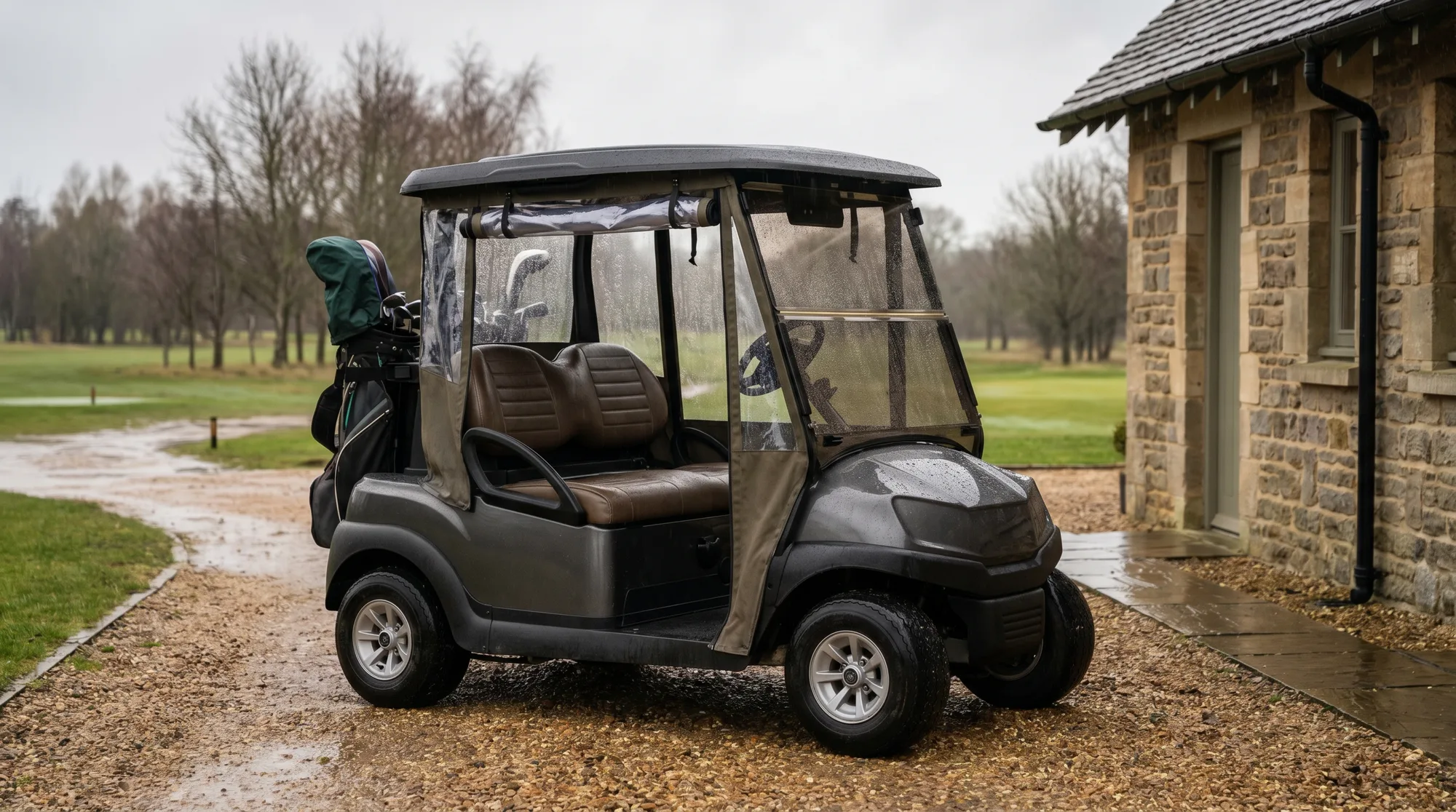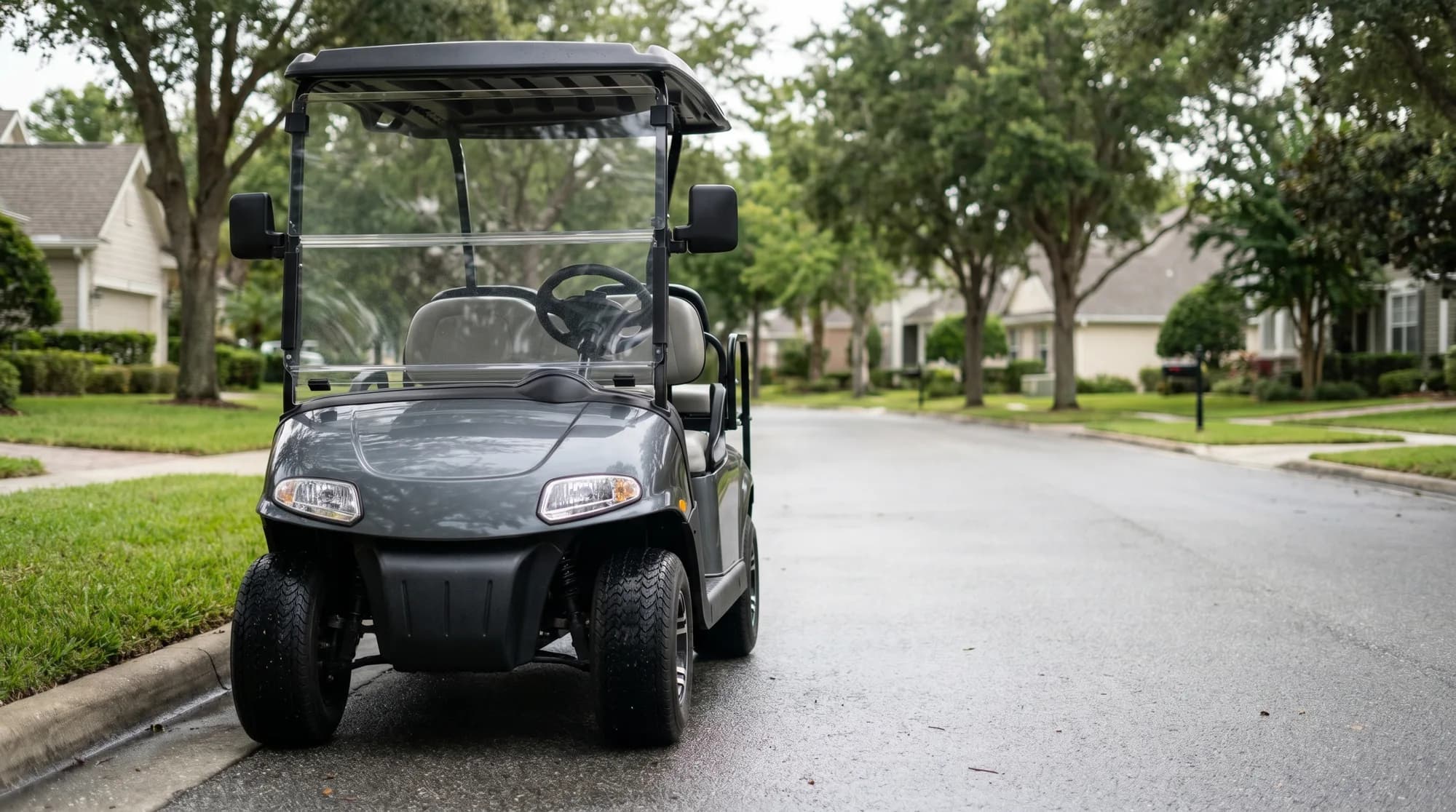
Making a golf cart street legal sounds like a weekend of bolting on lights. Sometimes it nearly is. Often it is more, because the goal is not just to add equipment but to end up with a vehicle your state will actually register and let you drive on the road. That usually means meeting the federal Low-Speed Vehicle standard, and not every cart can get there. This guide separates the carts that can be made road-legal cleanly from the ones where the smart money buys an LSV.
Know your target: LSV, not just well lit
Before touching a wrench, get clear on what street legal means. In most states the only route to genuine road use is to qualify as a Low-Speed Vehicle under Federal Motor Vehicle Safety Standard 500. That requires a top speed between 20 and 25 mph and a gross vehicle weight rating under 3,000 pounds, plus the full safety equipment list. A cart capped at 15 mph with lights added is still not an LSV, and many states will not register it as a road vehicle. So step one is confirming your cart can run 20-25 mph and can be assigned a VIN.
The equipment you must add
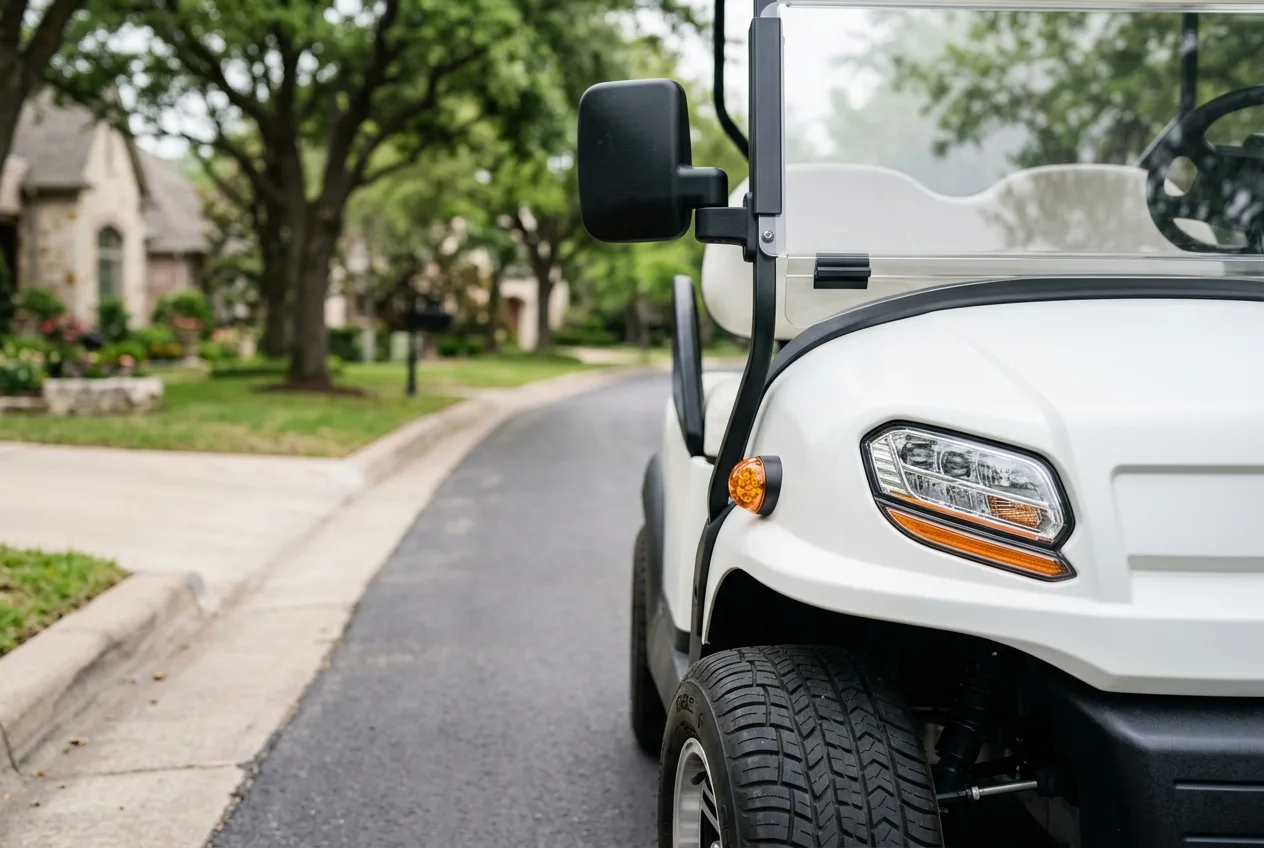
An LSV needs a specific, non-negotiable list of equipment. Some carts come pre-wired for these, which makes life easier; others need a proper kit and competent fitting. This is safety equipment carrying you at road speed near traffic, so quality and correct installation matter.
- Headlights and tail lights
- Turn signals (front and rear)
- Brake lights
- Reflex reflectors
- Rear-view and side mirrors
- A windshield (often required to meet a safety-glazing standard)
- A parking brake
- Seat belts for every seat
- A horn
- A 17-character VIN
The conversion, step by step
- 01
Confirm eligibility
Check the cart can be set to a 20-25 mph top speed and has a path to a VIN. If not, stop here and consider an LSV instead.
- 02
Check your state and local rules
Read your state's LSV definition and your city or county ordinance for where these vehicles may operate. Rules vary widely.
- 03
Fit the safety equipment
Install the full list above using quality components and, for wiring and glazing, a competent installer.
- 04
Obtain or verify the VIN
Ensure the vehicle carries a compliant 17-character VIN, which your state will need to register it.
- 05
Register, plate and insure
Take the vehicle and paperwork to the DMV to title and register it, get a plate, and arrange insurance.
- 06
Carry your license
In most states you need a valid driver's license to operate an LSV on the road.
What it costs
Costs swing on how road-ready your cart already is. A street-legal kit with quality lights, signals, mirrors and a windshield, plus professional fitting, can run several hundred to a couple of thousand dollars. Add registration and insurance on top. When you total it against the price of a factory street-legal LSV, the gap often narrows to the point where the LSV is the better value, especially once you weigh reliability and the certainty of registration. The golf cart vs LSV guide runs that comparison, and how much does a golf cart cost frames the budget.
When to skip the conversion
If your cart cannot reach 20-25 mph, has no clean VIN path, or your state simply will not register converted carts, do not fight it. Buy a vehicle built to the standard from the factory. It will be more reliable, register without drama, and usually cost less than the conversion would once you include the equipment and your time.
Where to go next
Once the vehicle qualifies, registering and titling a golf cart or LSV covers the DMV process and golf cart insurance covers cover. For the framework behind it all, see street-legal golf carts and LSV rules. Rules vary by city and county, so always confirm with your local DMV.
Want road-legal without the project?
Skip the conversion guesswork. Tell us where you will drive and we will quote a street-legal LSV built to the standard.
Frequently asked questions
Can any golf cart be made street legal?+
No. To be street legal in most states a cart must qualify as an LSV: it needs to reach 20-25 mph, weigh under 3,000 lb GVWR, carry the full safety equipment list and have a VIN. Carts that cannot reach 20 mph or lack a VIN path usually cannot be registered.
What equipment does a golf cart need to be street legal?+
Headlights, turn signals, brake and tail lights, reflectors, mirrors, a windshield, a parking brake, seat belts, a horn and a 17-character VIN. After that comes registration, a plate, insurance and a license in most states.
Do I need a license to drive a converted cart on the road?+
In most states, yes. Once registered as an LSV, the vehicle requires a valid driver's license and is subject to the same basic road rules as other vehicles.
Is it cheaper to convert a cart or buy an LSV?+
Often the LSV wins. By the time you buy quality equipment, pay for fitting and add registration and insurance, the cost can approach a factory LSV that registers without any uncertainty.
Where can I drive a cart that is not an LSV?+
Only on public roads where a local ordinance allows, typically streets posted at 35 mph or less and often in daylight, plus golf courses and private property. Confirm with your local DMV.
Related solutions
Ready to explore what we build?
See the vehicles and the setting this applies to, or get a tailored quote built around your site.

Ready to find the right buggy?
Tell us how and where it will work and we will specify a vehicle and a tailored quote built around you. Every build comes with a 3-year warranty and a 24-hour priority call-out.