Florida runs on golf carts. From The Villages to coastal towns and gated communities statewide, carts are part of daily life, and the state's law reflects that. But Florida is also precise about the difference between a golf cart and a Low-Speed Vehicle, and that distinction drives almost everything: how old you must be, whether you need a license, where you can go and what speed you can do. Here is how Florida treats each, in plain terms.
How Florida classifies carts
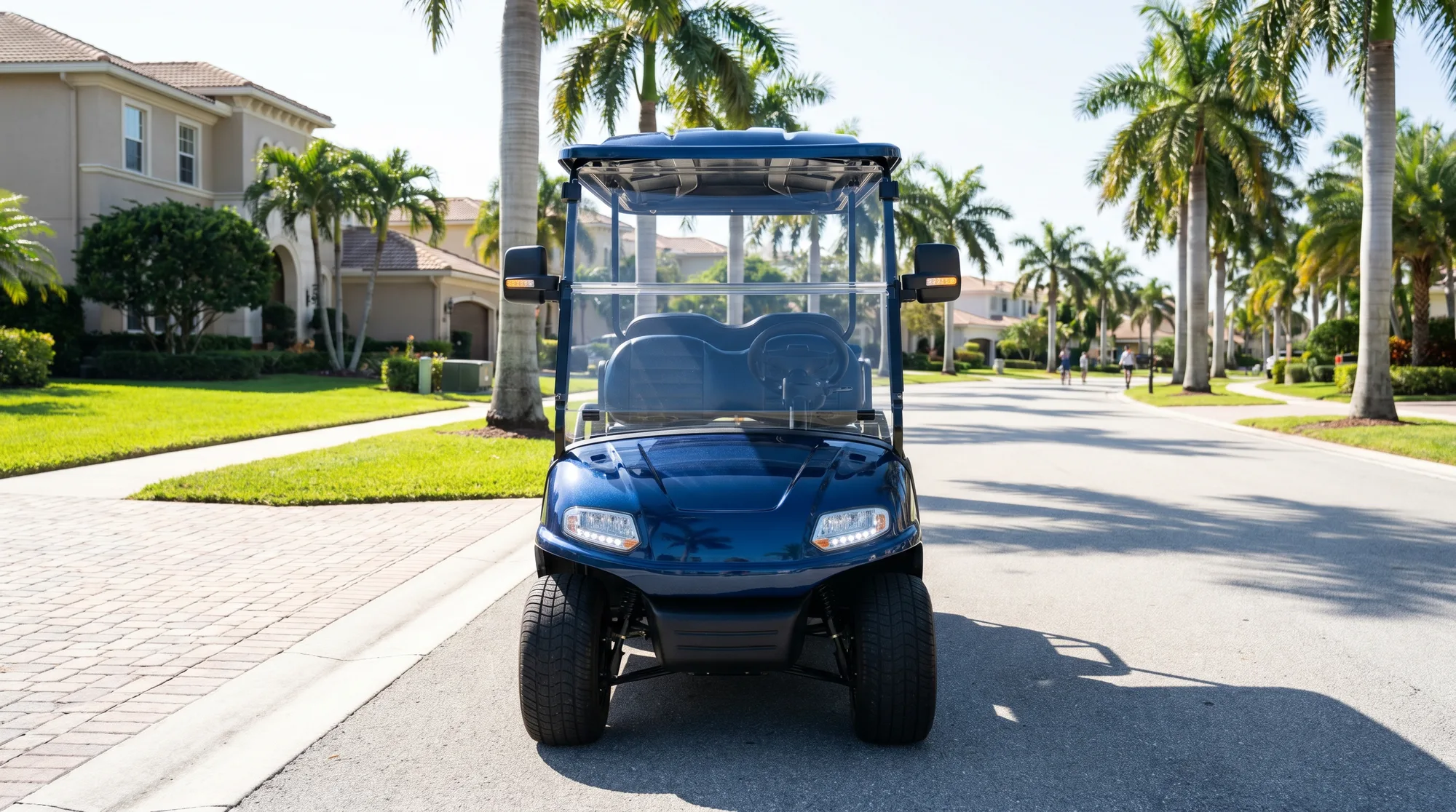
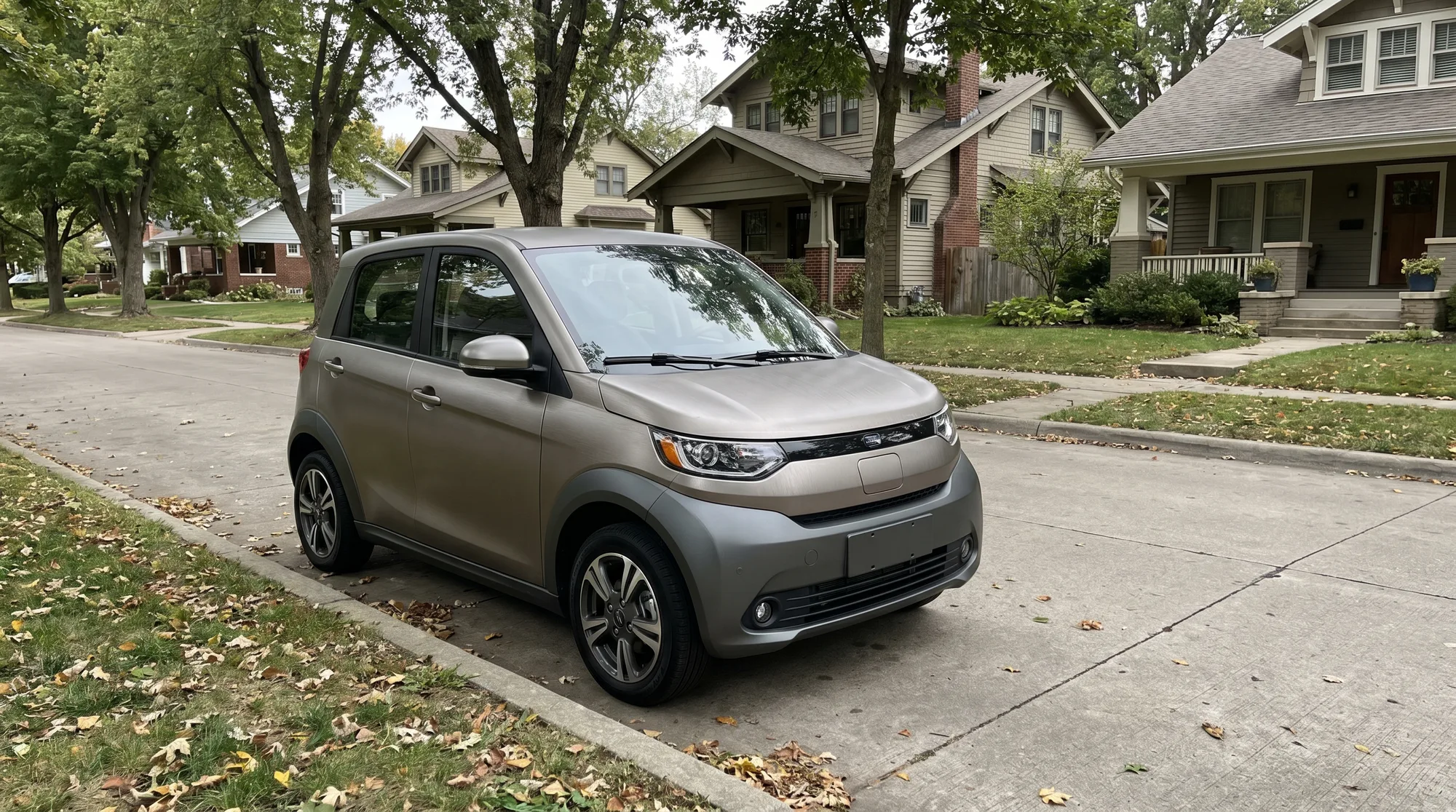
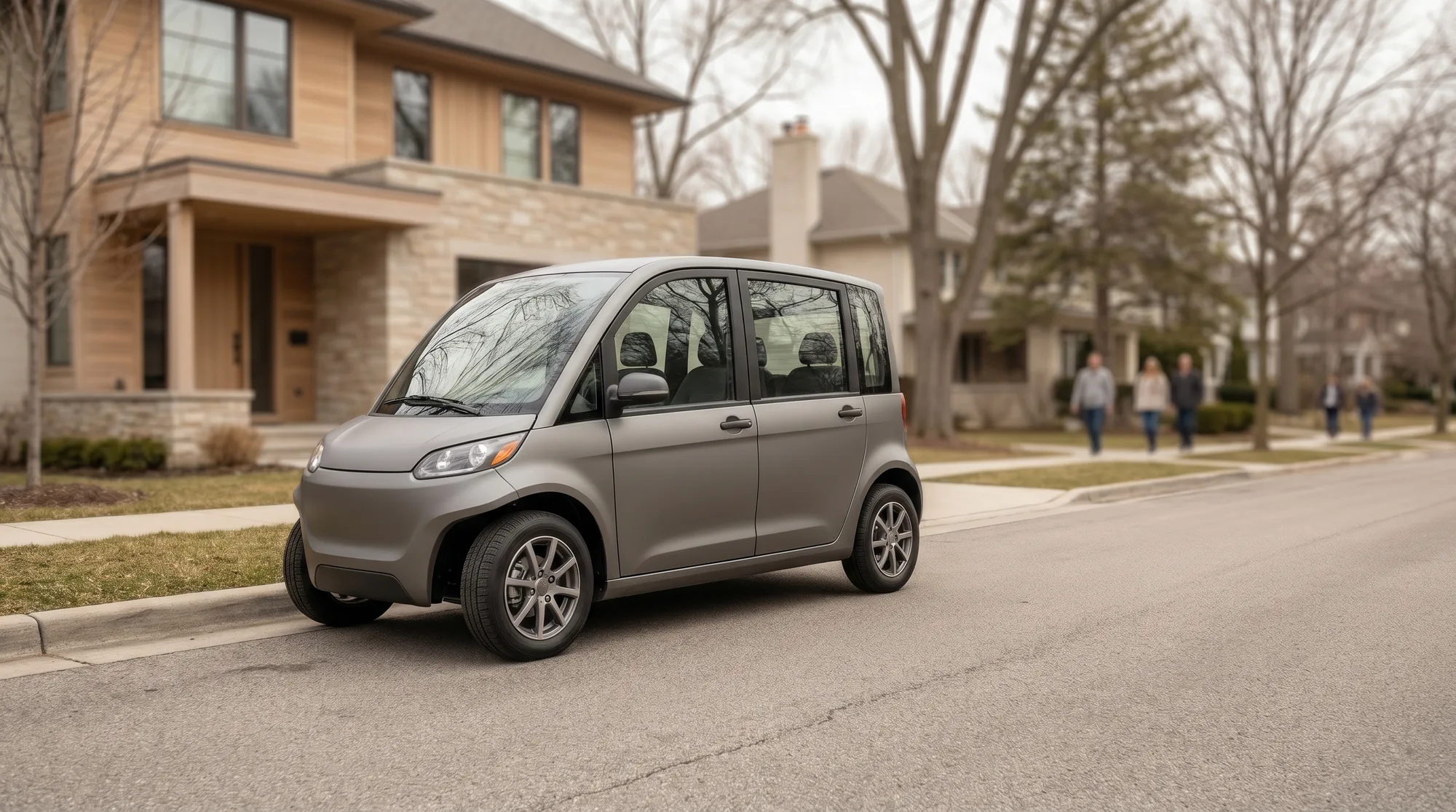
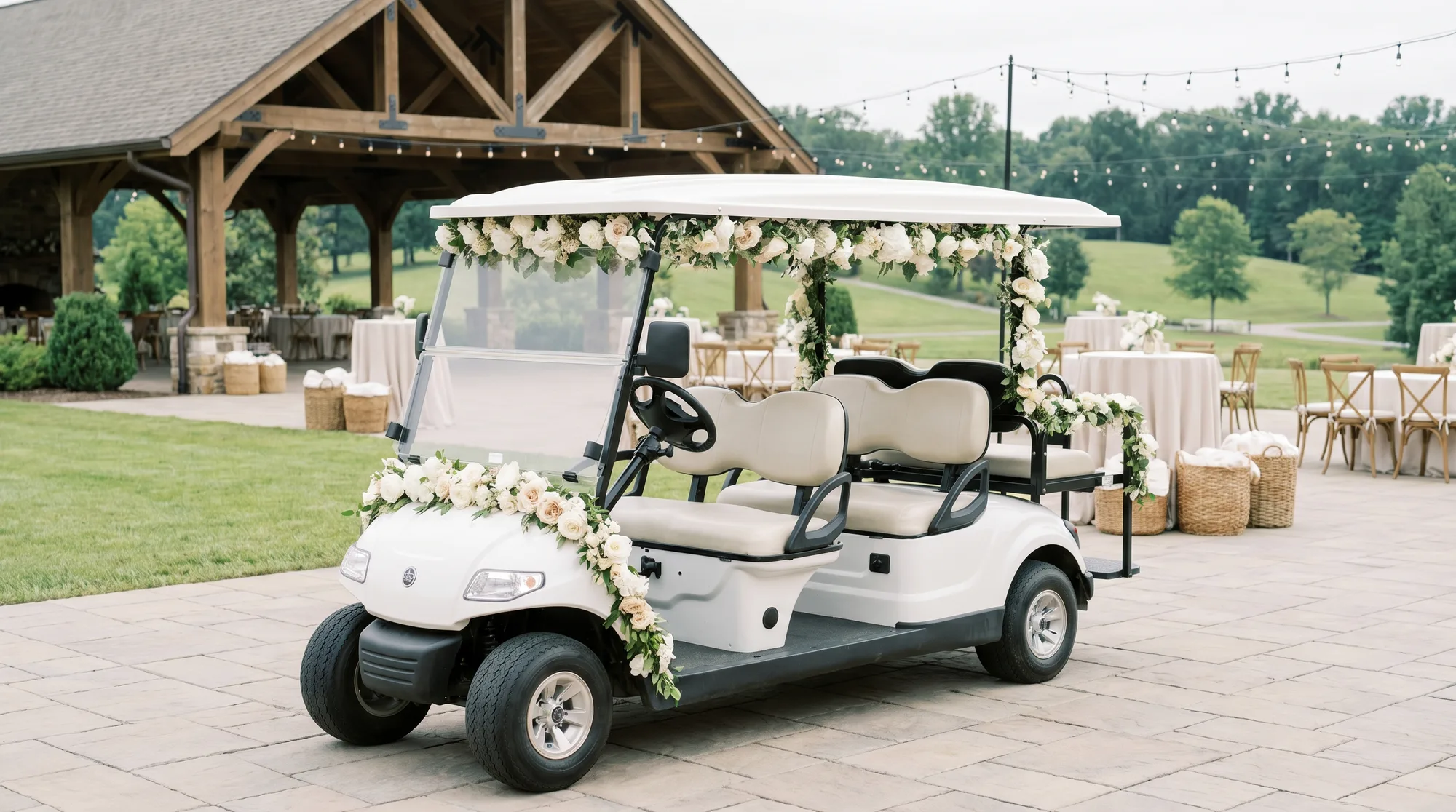
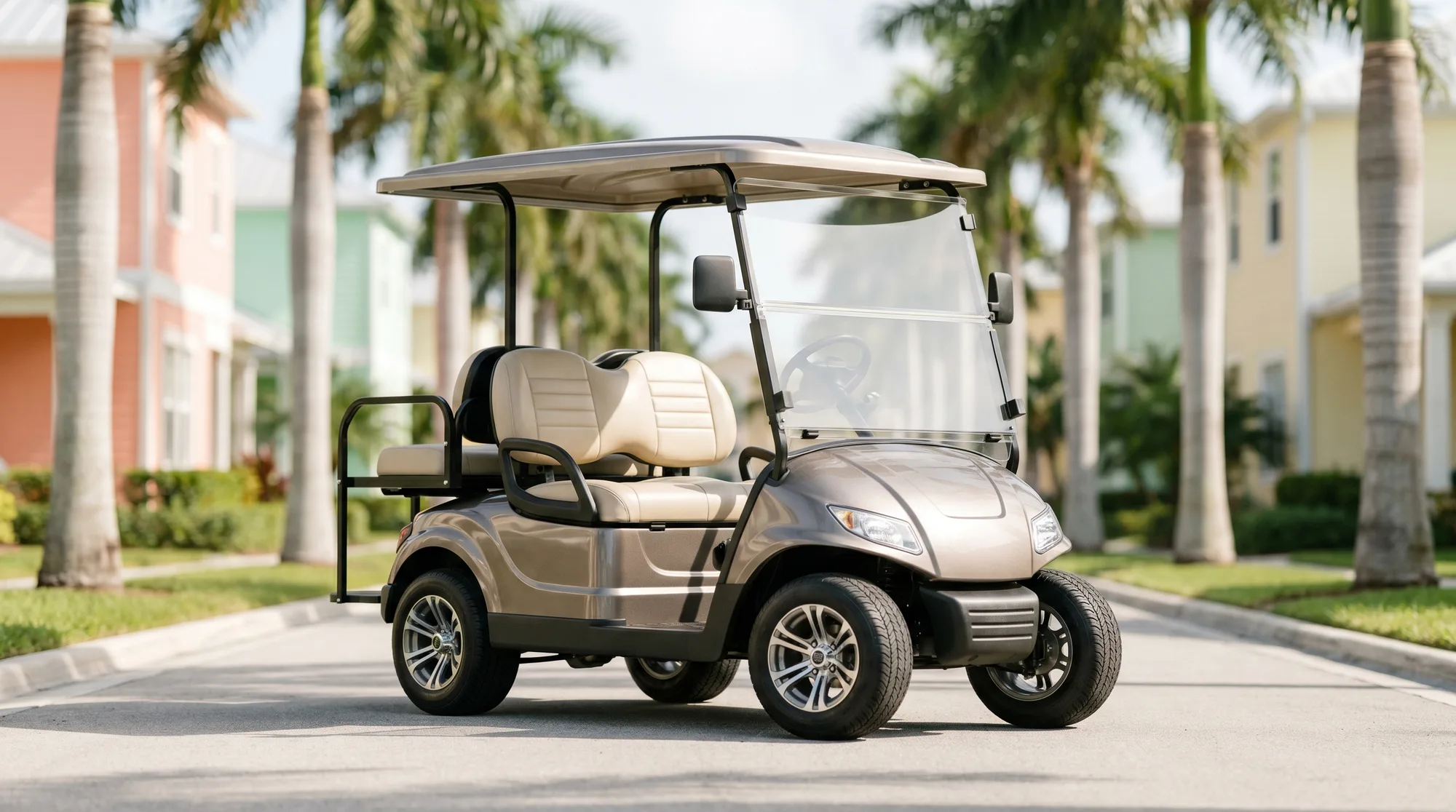
Florida law separates a golf cart from a Low-Speed Vehicle. A golf cart is defined as a vehicle designed and manufactured for operation on a golf course, capped at a low speed, while an LSV is the federal class doing 20 to 25 mph with full safety equipment. The two are governed by different rules, and the most common Florida mistake is assuming a golf cart enjoys the same road rights as an LSV. It does not.
Who can drive, and where
For golf carts, Florida sets an age floor. Under the law as tightened in recent years, a person must be at least 18 to operate a golf cart on a public road or street where carts are allowed, unless they are 14 or older and hold a valid learner's license or driver license. Golf carts may only be driven on roads that the county or municipality has specifically designated for cart use, generally streets with a speed limit of 35 mph or less, and there are equipment expectations such as efficient brakes, reliable steering, safe tires, a rear-view mirror and reflective warning devices.
Low-Speed Vehicles in Florida
An LSV is a different animal under Florida law. Because it meets the federal FMVSS 500 standard, it can be driven on public roads with a posted limit of 35 mph or less, but it must be registered and titled with the state, carry insurance with personal injury protection and property damage liability, and be operated by someone with a valid driver's license. The vehicle must have all the LSV safety equipment: headlights, turn signals, brake and tail lights, reflectors, mirrors, a windshield, a parking brake, seat belts, a horn and a VIN.
- Golf cart
- Low-speed (sub-20 mph)
- LSV
- 20-25 mph
- Golf cart
- Roads designated by local govt, 35 mph or below
- LSV
- Public roads posted 35 mph or below
- Golf cart
- 18, or 14+ with learner/driver license
- LSV
- Licensed driver (15+ with at least a learner's permit per state rules)
- Golf cart
- Not required
- LSV
- Required
- Golf cart
- Not mandated by the state
- LSV
- Required (PIP and PDL)
- Golf cart
- Learner/driver license if under 18
- LSV
- Valid driver license required
| Golf cart | LSV | |
|---|---|---|
| Top speed | Low-speed (sub-20 mph) | 20-25 mph |
| Where allowed | Roads designated by local govt, 35 mph or below | Public roads posted 35 mph or below |
| Minimum driver age | 18, or 14+ with learner/driver license | Licensed driver (15+ with at least a learner's permit per state rules) |
| Registration and title | Not required | Required |
| Insurance | Not mandated by the state | Required (PIP and PDL) |
| Driver license | Learner/driver license if under 18 | Valid driver license required |
Local ordinances change the picture
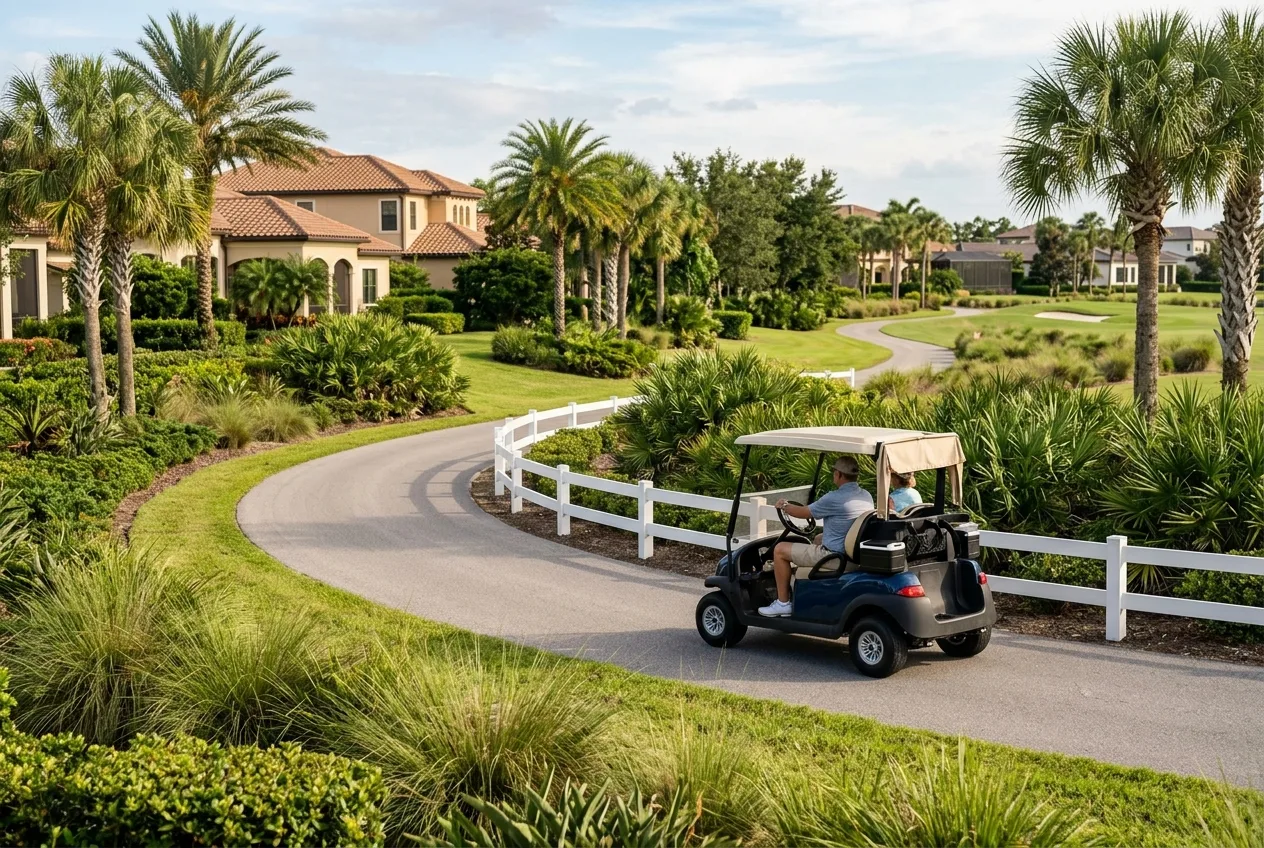
Florida gives counties and municipalities real power to set the local rules. Some communities designate extensive cart-friendly road networks; others restrict carts heavily or add daylight-only and equipment conditions. The Villages, famous for its cart paths, is a world apart from a city that allows carts only on a handful of streets. Never assume; the rules a few miles away may be very different. Rules vary by city and county, so always confirm with your local authorities and the Florida DMV.
What this means when you buy
If your Florida driving will include any public roads beyond a community's permitted cart paths, buy an LSV, register it and insure it. If you stay within a cart-friendly community and on designated streets, a standard golf cart is fine and cheaper. For the national framework see street-legal golf carts and LSV rules, to choose between the classes see golf cart vs LSV, and for cover see golf cart insurance.
Getting set up
Once you have chosen, registering and titling a golf cart or LSV walks through the DMV side, and if you are upgrading a cart, how to make a golf cart street legal covers the equipment. Florida's sunshine and flat terrain make it ideal cart country; just match the vehicle to where you will actually drive.
Driving on Florida roads?
Tell us your community and routes and we will quote a street-legal LSV that meets Florida's requirements.
Frequently asked questions
How old do you have to be to drive a golf cart in Florida?+
On public roads where carts are allowed, you must generally be at least 18, or 14 or older with a valid learner's license or driver license. The age rule was tightened in recent years, so confirm the current requirement locally.
Do I need a license for a golf cart in Florida?+
If you are under 18, you need at least a learner's license or driver license to drive a golf cart on permitted public roads. LSVs always require a valid driver's license.
Can I drive a golf cart on the road in Florida?+
Only on roads that the local government has designated for cart use, generally those posted at 35 mph or less. An LSV may use public roads posted at 35 mph or below statewide, once registered and insured.
Does an LSV need insurance in Florida?+
Yes. A Florida LSV must be registered, titled and insured with personal injury protection and property damage liability, and driven by someone with a valid driver's license.
Are golf cart rules the same everywhere in Florida?+
No. Counties and municipalities set their own ordinances, so where and when you can drive varies widely. Always confirm with your local authorities and the Florida DMV.
Related solutions
Ready to explore what we build?
See the vehicles and the setting this applies to, or get a tailored quote built around your site.

Ready to find the right buggy?
Tell us how and where it will work and we will specify a vehicle and a tailored quote built around you. Every build comes with a 3-year warranty and a 24-hour priority call-out.