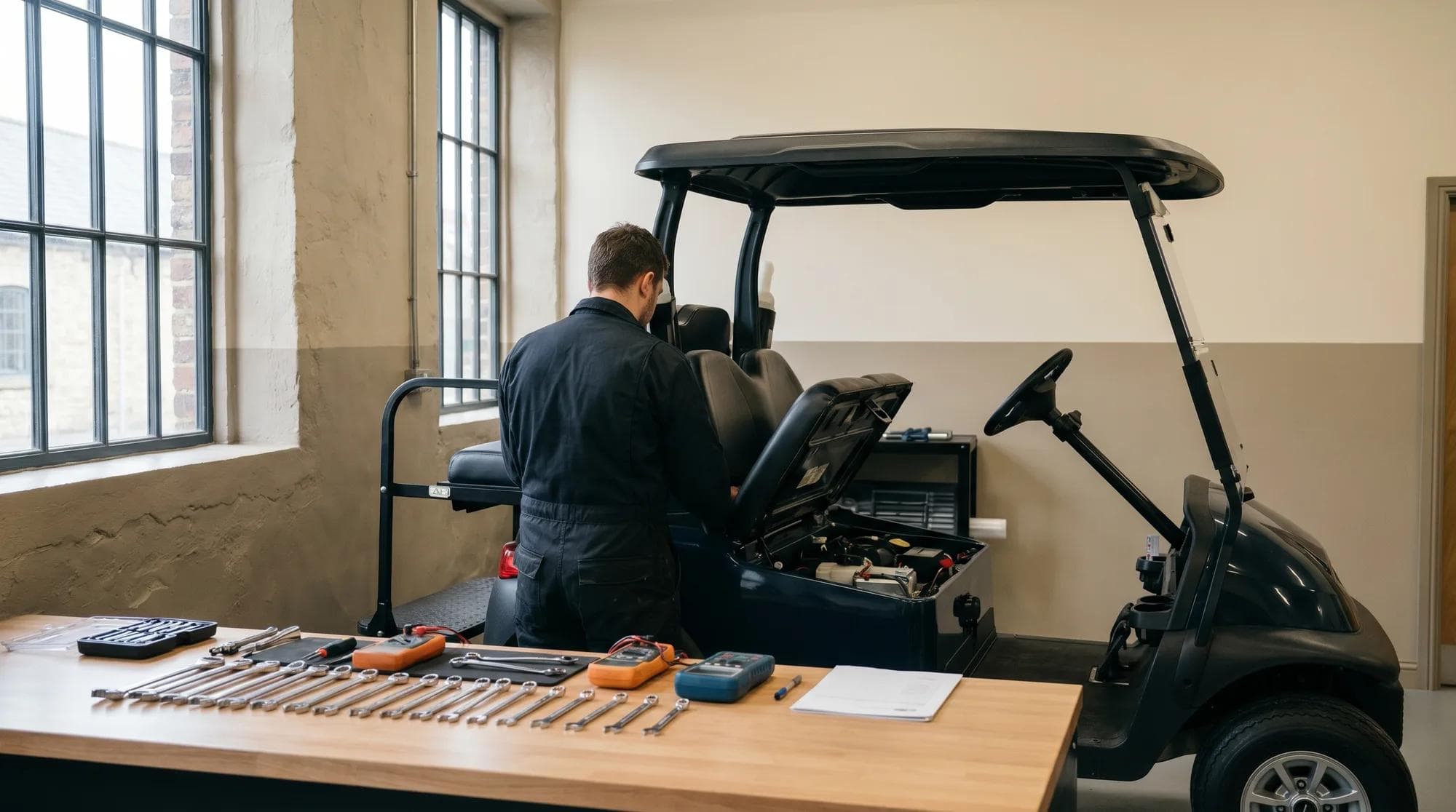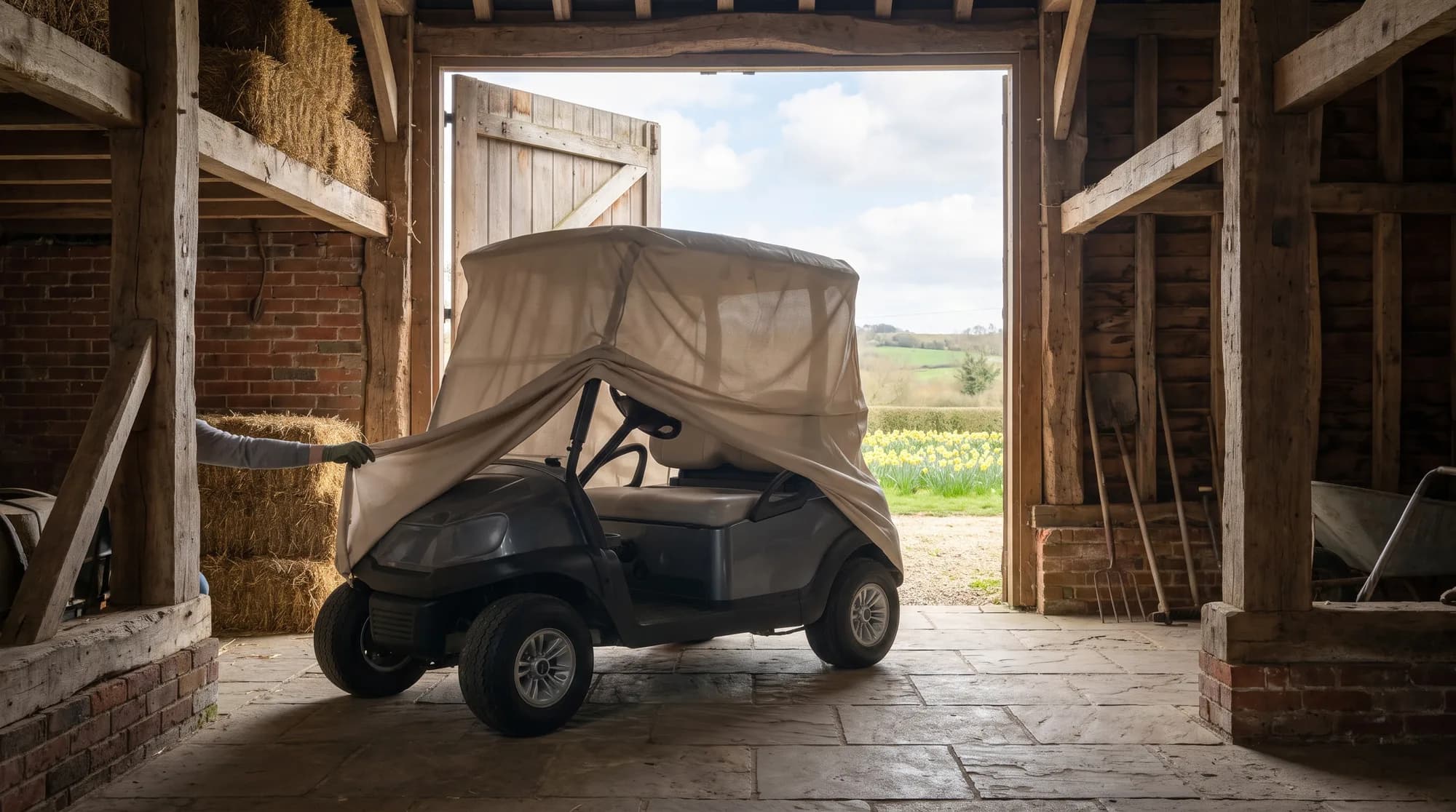
Getting a golf cart ready after winter takes about an hour: a visual sweep for damp and rodent damage, a slow full charge, tire pressures, and a careful brake test before anyone rides in it. Do those things in that order and most golf carts wake up without drama. Skip them and you'll discover the faults on the first tee in April instead of in the shed in March.
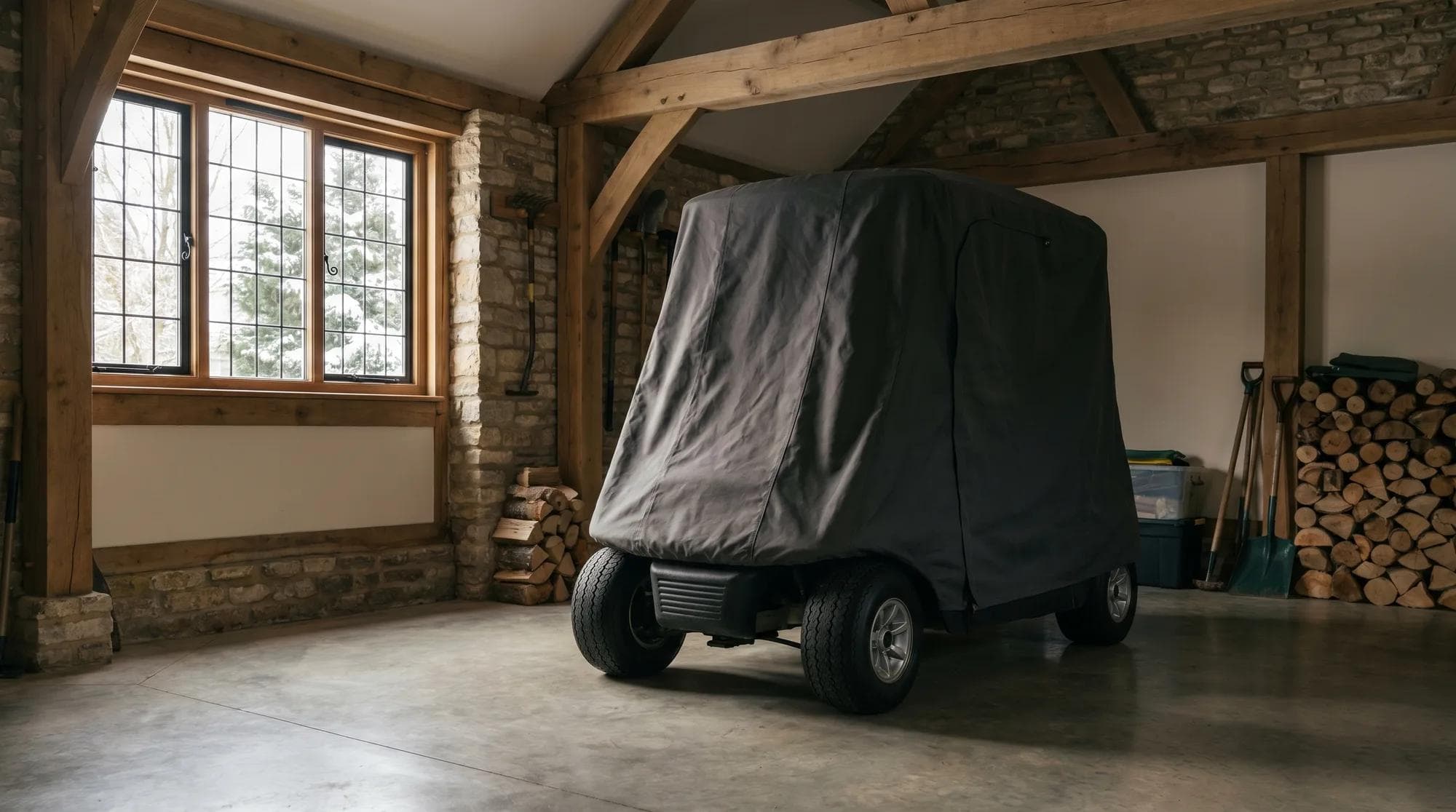
The timing matters more than people think. Golf Carts come out of hibernation between February and April across the UK, and the ones that give trouble are almost never victims of bad luck. They're victims of how they went into storage. A pack left flat since November, a handbrake left on in a damp barn, tires sat soft on cold concrete: spring is when the bill for autumn shortcuts arrives. Here's how to work through it, and what each miss actually costs.
- The single most common spring casualty is a lead-acid pack left flat all winter. Sulphation sets in and replacement runs £600 to £1,500.
- Check for rodent damage before you switch anything on. Chewed insulation plus a live pack is how spring fires start.
- Tires lose pressure over winter and cold storage cracks sidewalls; check both before the first drive.
- Test the brakes rolling slowly on flat ground before any passenger gets in. Damp storage seizes cables and rusts drums.
- Fleets should document the recommissioning check for each vehicle; it's part of your equipment duties, not just good practice.
The seven-step spring wake-up
- 01
Do a visual sweep before touching anything
Look before you power up. Rodents love a stored cart: check the wiring loom for chewed insulation, the seat foam for nesting, and the battery bay for droppings. Then look for winter's other fingerprints, damp patches on the floor, white or green corrosion on battery terminals and connectors, and surface rust on anything unpainted. Chewed wiring must be repaired before the pack is connected to anything; insulation damage plus stored energy is a fire waiting for a switch-on.
- 02
Wake the batteries properly
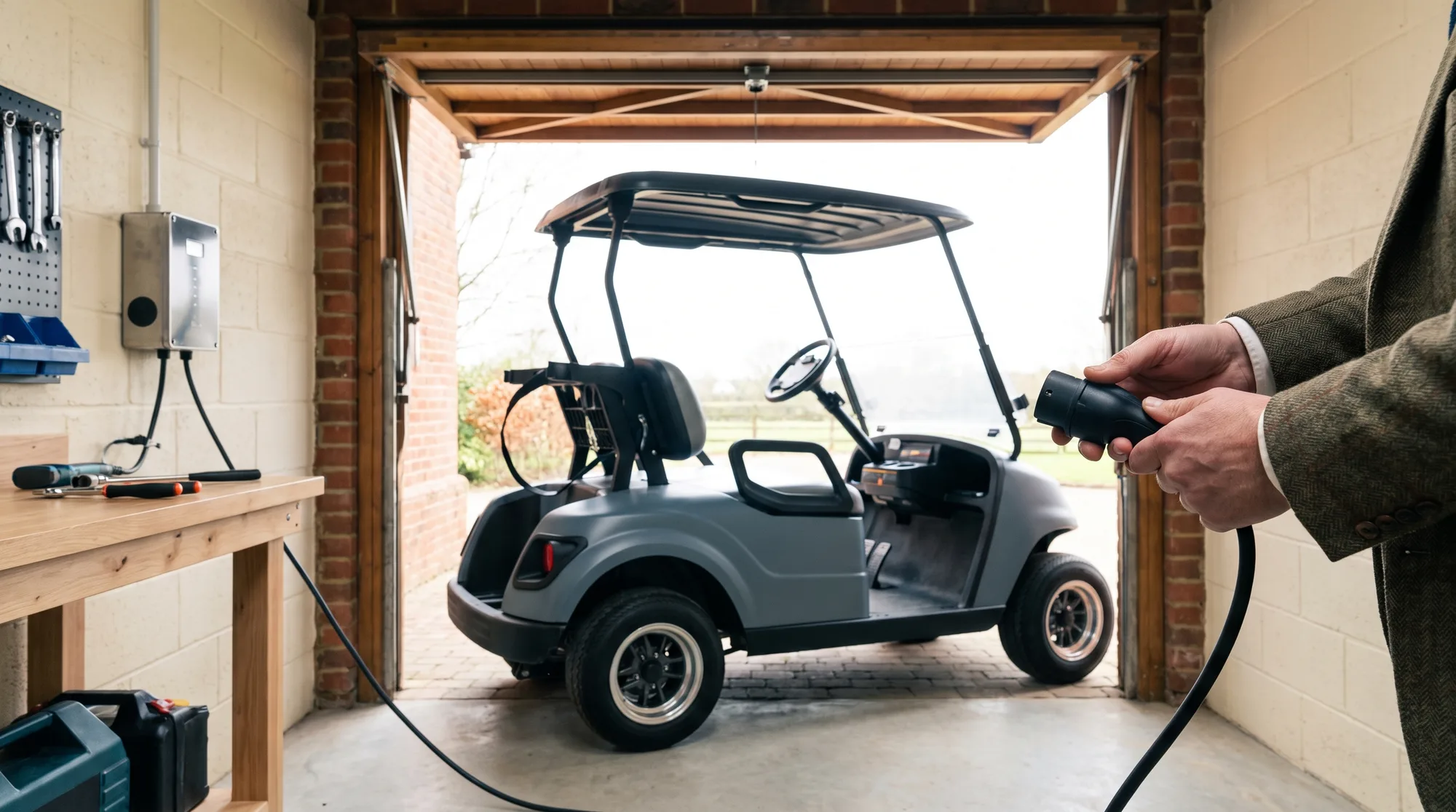
For lead-acid: clean the terminals, check the electrolyte level in each cell and top up with deionised water where plates are exposed, then give the pack a slow, full charge rather than a quick blast. If the cart was topped up monthly it should charge normally; if it sat flat, see the callout above and get a load test before trusting it. For lithium: check the state of charge, bring the pack up to normal levels, and if it was put away in a storage mode, follow the maker's wake procedure. A lithium pack that appears completely dead after a cold winter may be in BMS protection rather than actually dead, so don't condemn it without a proper check.
- 03
Check the tires
Tires lose pressure steadily over a winter lay-up, and running a cart on soft tires scrubs turf and wears the shoulders fast. Inflate to the pressures on the sidewall or in the handbook, then inspect for cracking, especially if the cart stood in a cold shed on concrete. Fine crazing on an older tire is worth watching; deep cracks in the sidewall mean replacement before serious use.
- 04
Test the brakes before anyone rides along
Damp storage is hard on brakes. Cables seize, drums grow surface rust, and a handbrake left applied all winter can stick on. Roll the cart slowly on flat ground and test the footbrake gently, then firmly. Listen for scraping that doesn't clear after a few stops, and check the handbrake both holds and fully releases. Do all of this solo, at walking pace, before the cart carries its first passenger of the year.
- 05
Work through controls and lights
Key switch, forward and reverse selector, accelerator response, horn, lights and indicators if fitted. Switches and connectors that spent winter in damp air often misbehave on day one; a squirt of contact cleaner fixes most of it. Anything that works intermittently now will fail completely later in the season, so note it rather than shrug at it.
- 06
Do a first drive with a checklist head on
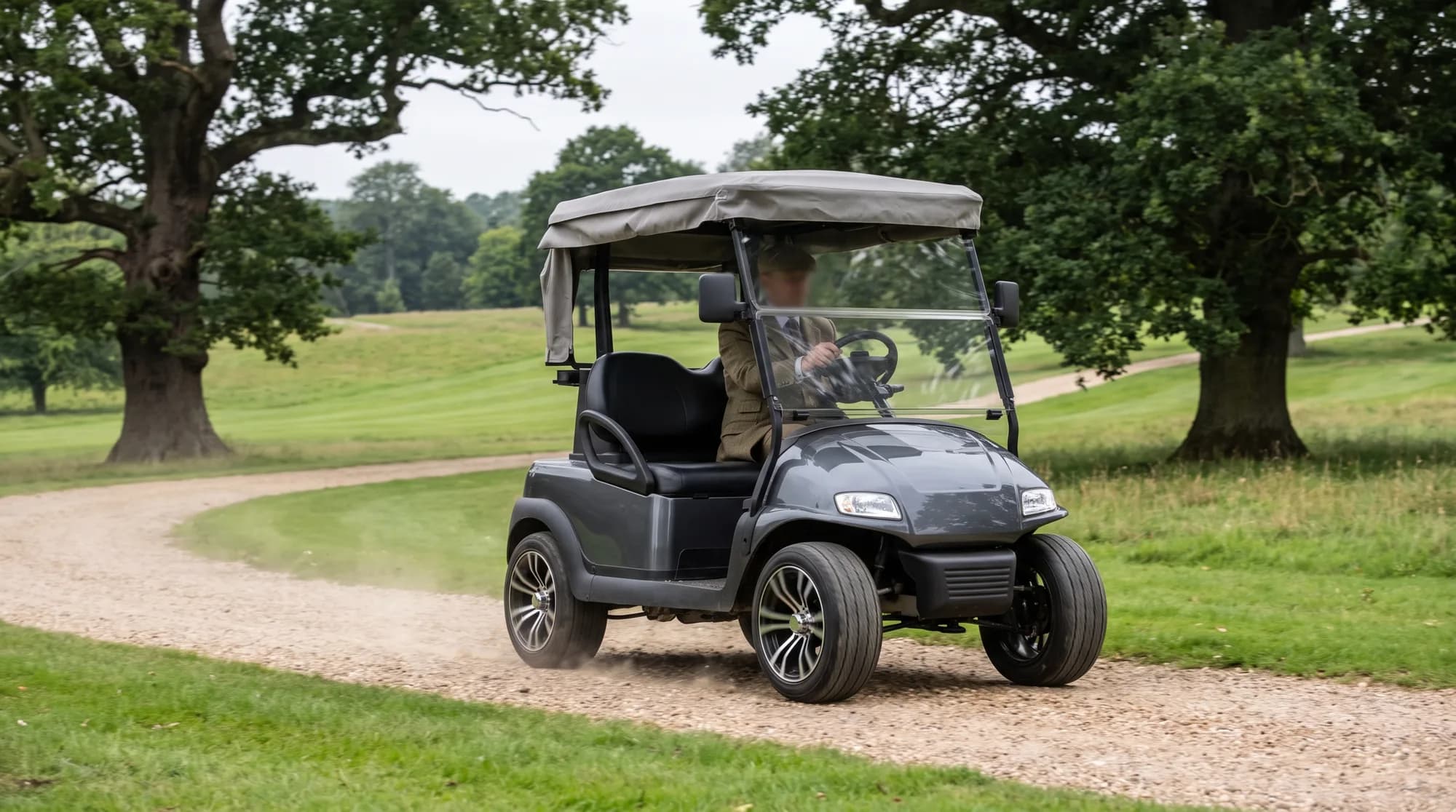
Ten minutes, no passengers, somewhere soft to stop. You're listening for new noises, feeling for pulling under braking, watching the battery gauge for sudden drops under load, and checking the cart tracks straight with your hands loose on the wheel. A pack that shows full but sags hard on the first hill is telling you it lost capacity over winter. Take the drive seriously; it's the test that catches what the shed checks can't.
- 07
Book a service for anything marginal
Spring is exactly when to have an engineer look at anything you're unsure about, before the season loads the diary. Sagging batteries, scraping brakes, damp-damaged wiring and charger quirks are all cheaper to fix in March than to recover from in June. For fleets, put every vehicle through the same written checklist and file the results; a documented recommissioning check is evidence your equipment duties are being met.
What winter neglect actually costs
Every item on the spring casualty list has a cheap prevention and an expensive cure. The gap between them is the whole argument for doing storage properly, which our guide to storing a cart over winter covers from the other end of the season.
- Winter prevention
- Monthly top-up charge, pennies
- Typical cost if it fails
- £600 to £1,500 replacement
- Winter prevention
- Dry storage, handbrake off, wheels chocked
- Typical cost if it fails
- £80 to £250 to free or replace
- Winter prevention
- Correct pressures, off cold concrete
- Typical cost if it fails
- £50 to £90 per tire
- Winter prevention
- Deterrents, sealed shed, check monthly
- Typical cost if it fails
- £100 to £400 in repairs
- Winter prevention
- Terminal grease, breathable cover
- Typical cost if it fails
- £50 to £150 plus the faults it causes
| Winter prevention | Typical cost if it fails | |
|---|---|---|
| Sulphated lead-acid pack | Monthly top-up charge, pennies | £600 to £1,500 replacement |
| Seized brake cables | Dry storage, handbrake off, wheels chocked | £80 to £250 to free or replace |
| Cracked tires | Correct pressures, off cold concrete | £50 to £90 per tire |
| Rodent-chewed wiring | Deterrents, sealed shed, check monthly | £100 to £400 in repairs |
| Corroded terminals and connectors | Terminal grease, breathable cover | £50 to £150 plus the faults it causes |
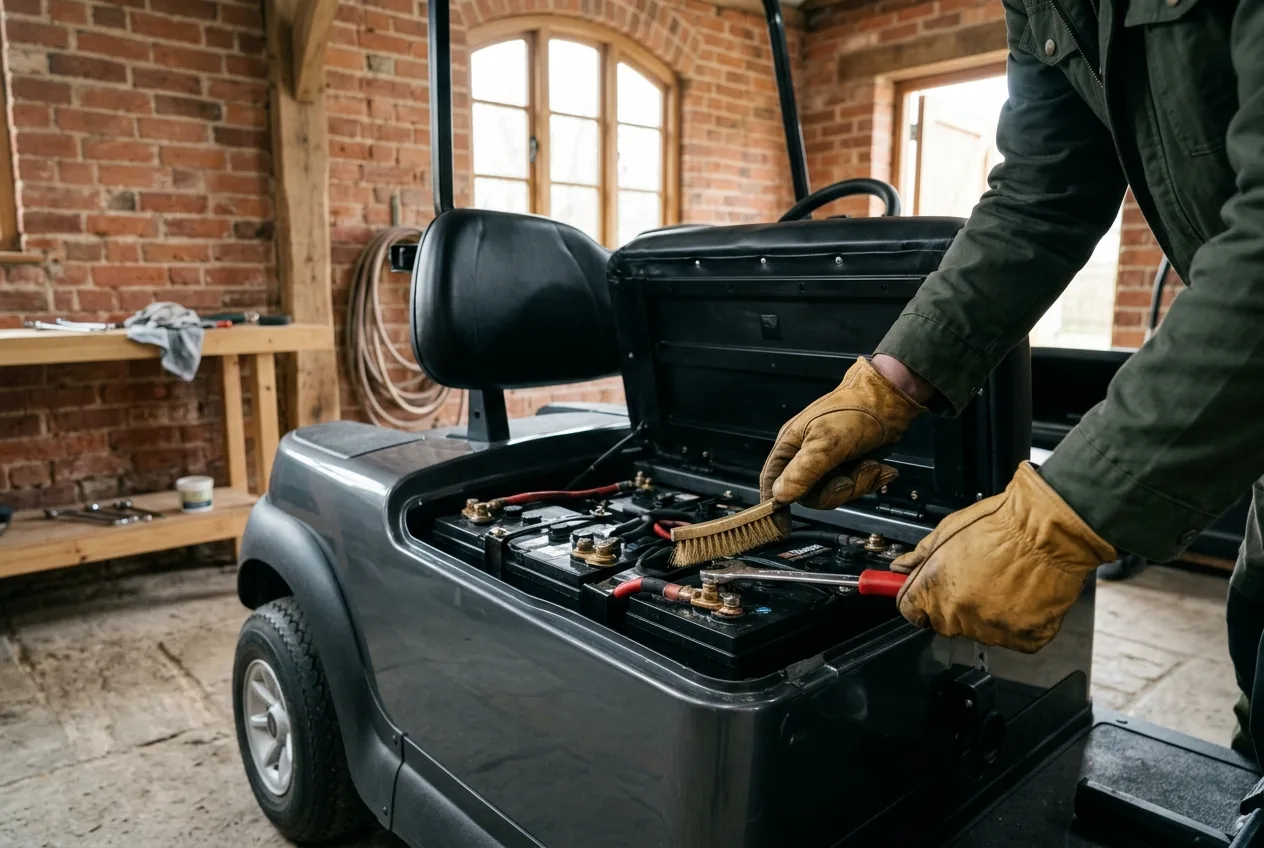
Batteries: the check that decides everything
Be honest with yourself about the winter the pack actually had, not the one it was supposed to have. If it got its monthly charges, expect a normal spring. If it went in flat and stayed flat, budget for bad news: a sulphated pack sometimes takes a charge and shows full voltage, then collapses under the first real load of the season. That's why a load test matters more than the gauge. The winter battery care guide explains the chemistry, but the spring decision is simple: test before you trust. And if the cart won't charge at all after its lay-up, work through the checks in our common faults guide before assuming the worst; a charger that won't wake a deeply discharged pack is a known trap, not always a dead pack.
Small fleets: write it down
For clubs, resort parks and estates running several golf carts, the spring wake-up doubles as your annual paperwork moment. Put each vehicle through the same checklist, record what was found and fixed, and date it. Under workplace equipment rules you're expected to keep work equipment maintained and to be able to show it; a one-page recommissioning record per cart does exactly that, and it also builds the fault history that makes next winter's decisions easier. Ten minutes of writing per vehicle. Do it while the kettle's on.
Frequently asked questions
How do I get my golf cart ready after winter?+
Work through seven steps: a visual sweep for rodent and damp damage, battery cleaning and a slow full charge, tire pressures and crack checks, a careful brake test, controls and lights, a solo first drive, and a service booking for anything marginal. Allow about an hour.
Should golf cart batteries be replaced after winter storage?+
Only if they've actually failed. A pack that was topped up monthly usually comes back fine. A lead-acid pack left flat all winter often sulphates and needs replacing at £600 to £1,500, but get a load test first; the gauge alone can show full on a pack that collapses under load.
Why won't my cart start after winter?+
The usual suspects, in order: a pack too flat for the charger to recognise, corroded terminals or connectors, a lithium BMS in protection mode after cold storage, or rodent-damaged wiring. Check connections and charge state before assuming anything expensive has died.
Do golf cart brakes seize in storage?+
They can, especially in damp sheds with the handbrake left applied. Cables stick and drums grow surface rust. Test the brakes solo at walking pace before the first proper drive; light surface rust usually clears after a few gentle stops, but a sticking cable needs freeing or replacing.
When should I book a spring service?+
As soon as the cart comes out of storage, ideally February or March, and definitely before the season starts if anything on the checklist felt marginal. Engineers' diaries fill from April onwards, and a spring fix is nearly always cheaper than a mid-season breakdown.
For most owners, the right pattern is an hour of checks done yourself, a first drive taken seriously, and an engineer booked for anything the checks flag rather than hoping it settles down. For fleets, make the written checklist non-negotiable. The golf carts that sail through spring are the ones that were stored well and woken carefully, and both halves of that are entirely in your control.
Want it woken up professionally?
A Hawke service plan covers spring recommissioning, battery load testing and brake checks, with a 24-hour call-out line for the season ahead. One visit in March beats a breakdown in June.
Related solutions
Ready to explore what we build?
See the vehicles and the setting this applies to, or get a tailored quote built around your site.

Ready to find the right golf cart?
Tell us how and where it will work and we will specify a vehicle and a tailored quote built around you. Every build comes with a 3-year warranty and a 24-hour priority call-out.
Our guides are written and reviewed by the Hawke Electric Vehicles team, the people who specify, build, deliver and support the vehicles. We focus on honest, practical advice and flag where a figure depends on the build rather than guessing.
More guides by Hawke