Club Car, E-Z-GO and Yamaha are the three names most US buyers run into first, and for good reason: between them they have built golf carts for decades and earned loyal followings. The truth is that all three make capable, reliable carts, and the differences are real but rarely dramatic. This guide compares them on the things that actually matter day to day, then explains where the heritage brands sit alongside newer premium options.
How the big three compare
- Club Car
- Aluminum frame, durability
- E-Z-GO
- Availability, model range
- Yamaha
- Refinement, quiet running
- Club Car
- Rust-resistant aluminum
- E-Z-GO
- Steel (treated)
- Yamaha
- Steel (treated)
- Club Car
- Electric and gas
- E-Z-GO
- Electric and gas
- Yamaha
- Electric and gas
- Club Car
- Strong
- E-Z-GO
- Very strong, widespread
- Yamaha
- Strong
- Club Car
- Holds value well
- E-Z-GO
- Solid
- Yamaha
- Solid
| Club Car | E-Z-GO | Yamaha | |
|---|---|---|---|
| Known for | Aluminum frame, durability | Availability, model range | Refinement, quiet running |
| Frame | Rust-resistant aluminum | Steel (treated) | Steel (treated) |
| Drivetrain | Electric and gas | Electric and gas | Electric and gas |
| Parts support | Strong | Very strong, widespread | Strong |
| Resale reputation | Holds value well | Solid | Solid |
Club Car
Club Car's signature is its aluminum frame, which does not rust the way steel can, a genuine advantage in coastal and humid regions and a reason its carts often hold value well. The brand has a reputation for solid engineering and a comfortable ride. If long-term durability and resale matter most to you, Club Car is a natural shortlist entry.
E-Z-GO
E-Z-GO is everywhere, and that ubiquity is its strength: parts are easy to find, service is widely available and the model range is broad, from simple course carts to street-legal models. For buyers who value easy support and a wide choice of configurations, E-Z-GO is a safe, sensible pick that rarely disappoints.
Yamaha
Yamaha leans on its engineering pedigree, and it shows most in refinement. Its gas models in particular are praised for being quiet and smooth, and the overall fit and finish feels polished. If you want a cart that drives nicely and you are not wedded to electric, Yamaha deserves a close look.
What matters more than the badge
Here is the honest bit: for most buyers, the choice between these three matters less than two other things. First, electric or gas, which changes running costs and maintenance more than the brand does; see our electric vs gas guide. Second, your local service and parts situation, because a brand with a great dealer near you beats a slightly better cart with no support for fifty miles.
Where premium and newer brands fit
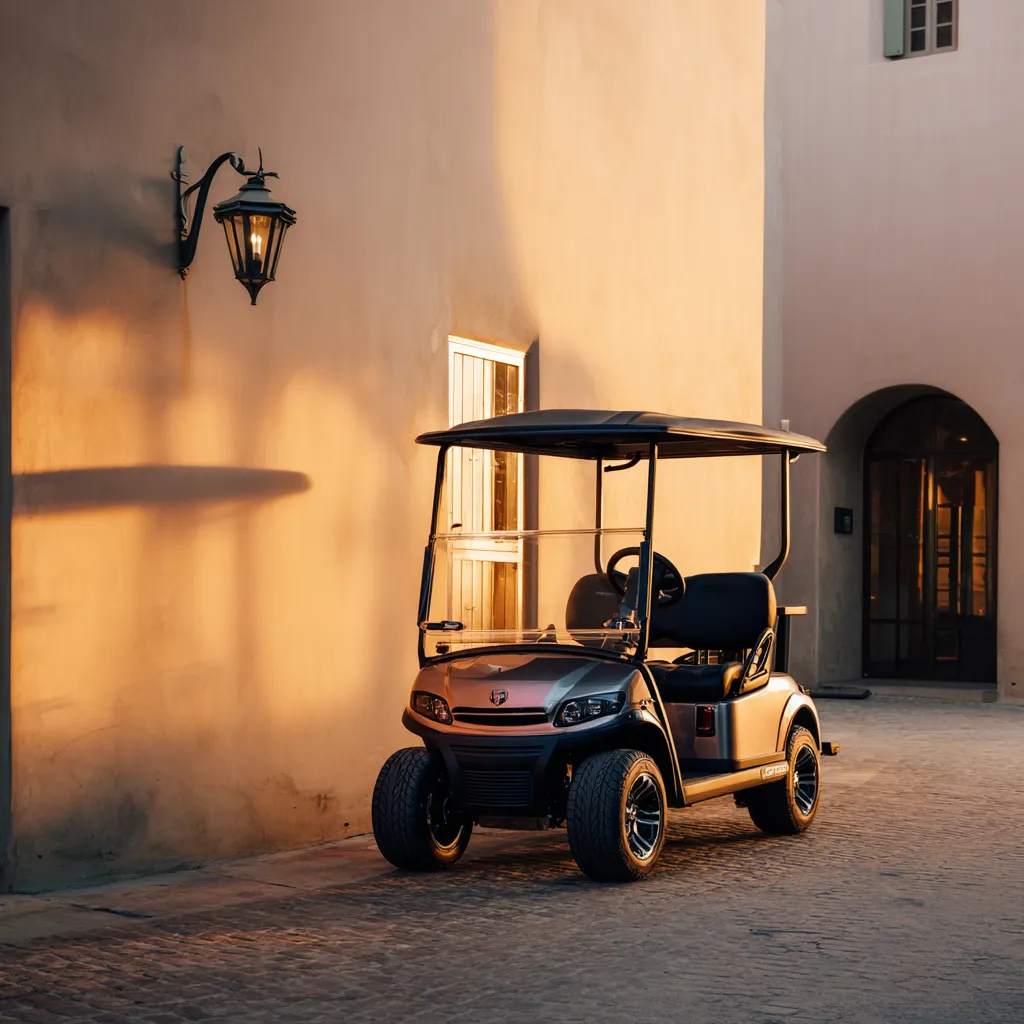
The big three are not the only game in 2026. Newer premium brands, including refined electric specializts, compete on design, lithium battery integration and modern features such as proper street-legal packages and longer warranties. If you want a cart that feels current rather than traditional, it is worth comparing these alongside the heritage names. Our range shows where a modern lithium-electric build sits against the classics, and our lithium vs lead-acid guide explains why the battery technology a brand fits matters as much as the badge.
Don't forget size and street-legal needs
Brand is only one axis of the decision. How many seats you need shapes which models in each lineup are even relevant, so settle that using our size guide first. If the cart must be road legal, check that the brand offers a genuine LSV package built to the street-legal rules for your state, with lights, belts, mirrors and a VIN. A brand you love that cannot be made compliant where you live is no use to you.
A simple way to decide
- Coastal or humid area, value resale: lean Club Car for the aluminum frame.
- Want easy parts and wide choice: lean E-Z-GO.
- Prefer a quiet, refined gas cart: lean Yamaha.
- Want modern lithium-electric design and a strong warranty: compare premium brands too.
- Above all: choose the brand with the best local service for you.
Compare a modern build against the classics
See how a refined lithium-electric cart stacks up, then get an honest price for yours.
Frequently asked questions
Which is the best golf cart brand?+
There is no single best; Club Car, E-Z-GO and Yamaha are all reliable. Club Car is known for its rust-resistant aluminum frame, E-Z-GO for availability and parts, and Yamaha for quiet, refined gas models. The right choice depends on your priorities and local service.
Is Club Car better than E-Z-GO?+
Neither is outright better. Club Car's aluminum frame resists rust and helps resale, while E-Z-GO offers wider availability and easy parts support. Both make dependable carts; choose based on what matters most to you.
Does brand affect resale value?+
Somewhat. Club Car's aluminum frame and the strong dealer networks of all three help resale. But condition, battery health and equipment usually affect resale value more than the badge alone.
Should I consider brands beyond the big three?+
Yes. Newer premium and electric-specializt brands compete on design, lithium integration, street-legal packages and warranty. If you want a modern cart, compare these alongside the heritage names.
Electric or gas, does the brand change that?+
All three offer electric and gas. The electric-versus-gas decision affects running costs and maintenance more than the brand does, so settle that first, then compare brands within your chosen drivetrain.
Ready to find the right golf cart?
Tell us how and where it will work and we will specify a vehicle and a tailored quote built around you. Every build comes with a 3-year warranty and a 24-hour priority call-out.