A shoot day is a logistics exercise dressed as a country pursuit, which is why shooting day cart hire has quietly become normal on UK estates. Guns, loaders and guests have to be moved between drives on a timetable, across the worst ground the estate has, in weather nobody chose, with kit that is heavy, valuable and must be handled correctly. Traditionally that has meant a converted trailer behind a tractor or an ageing four-wheel drive, both of which work and neither of which is comfortable, quiet or particularly kind to the ground. Hired electric golf carts have become a common alternative on UK shoots, particularly for corporate and let days where guests are paying for an experience. This guide covers what the vehicles need to do, what to specify, and the practical points that decide whether a hire works on a shoot.
- Terrain, not seat count, decides the specification: wet grass, tracks, gates and slopes in December.
- Quiet running is a genuine sporting advantage, not just a comfort one.
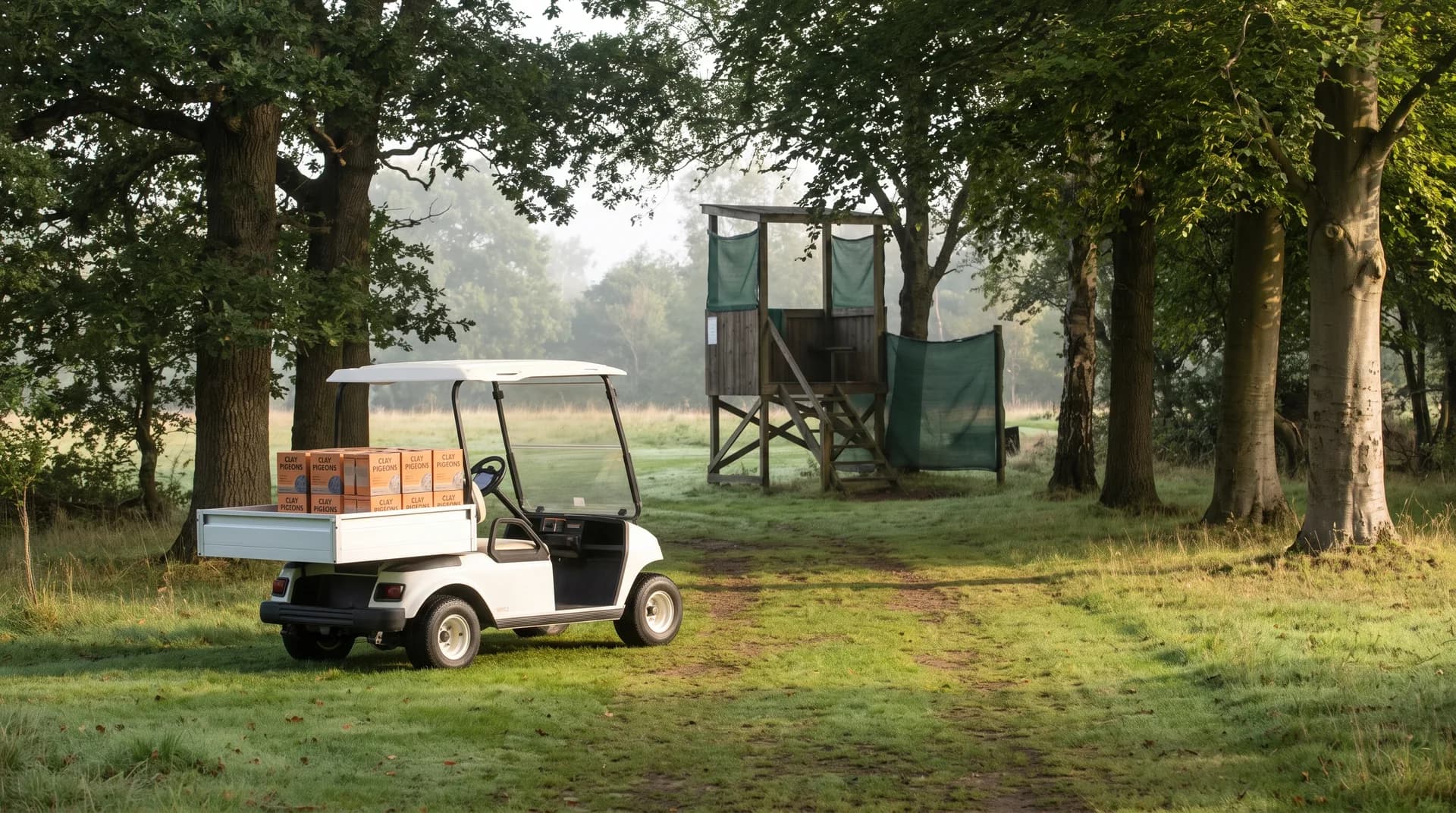
- Guests need weather protection and a proper seat; kit needs separate load space, not the seat next to them.
- Charging matters on a short winter day; plan where vehicles plug in overnight at the estate.
- Hire is often the sensible route for a handful of let days a season, ownership for a full programme.
What a shoot day actually asks of a vehicle
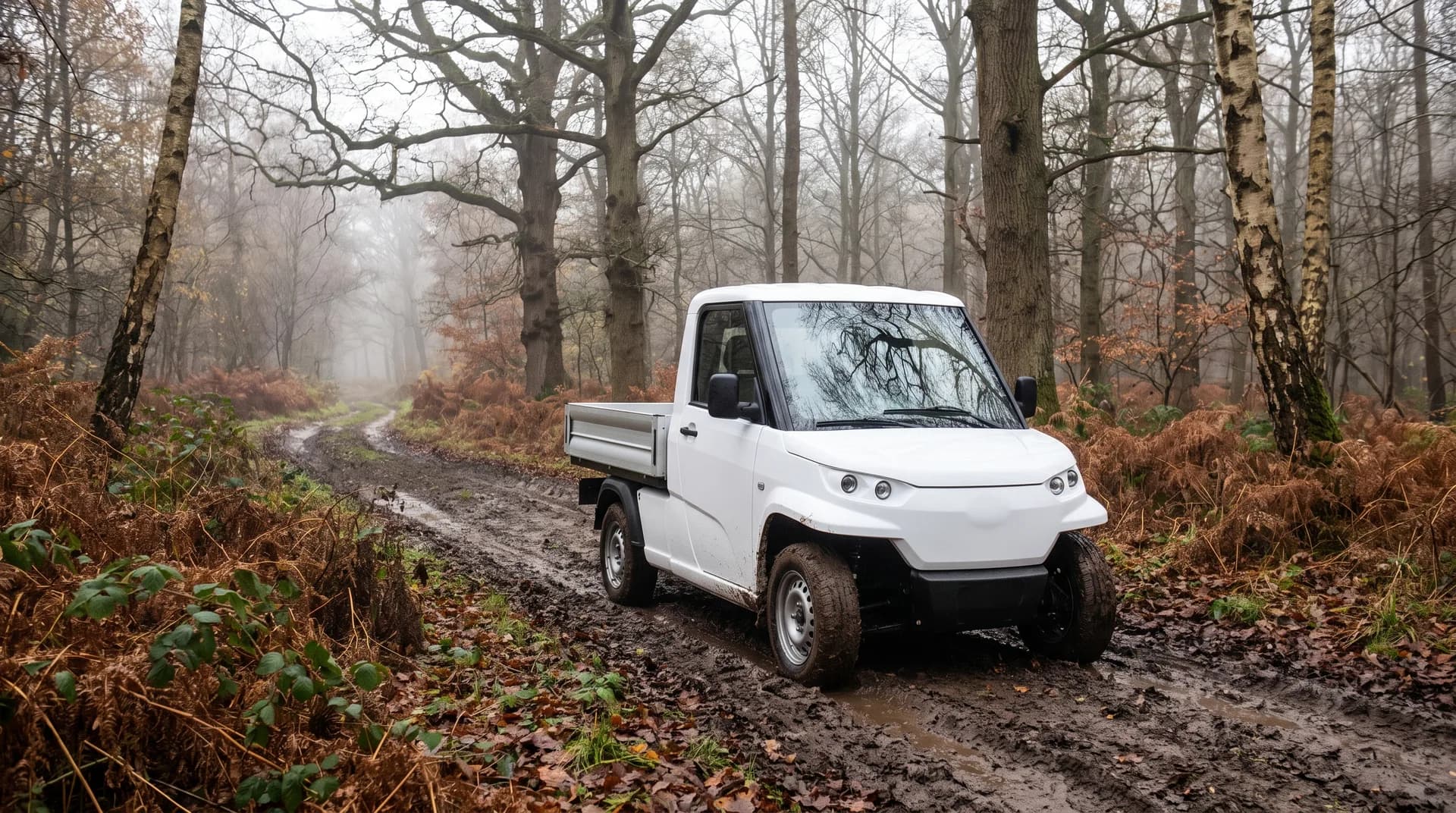
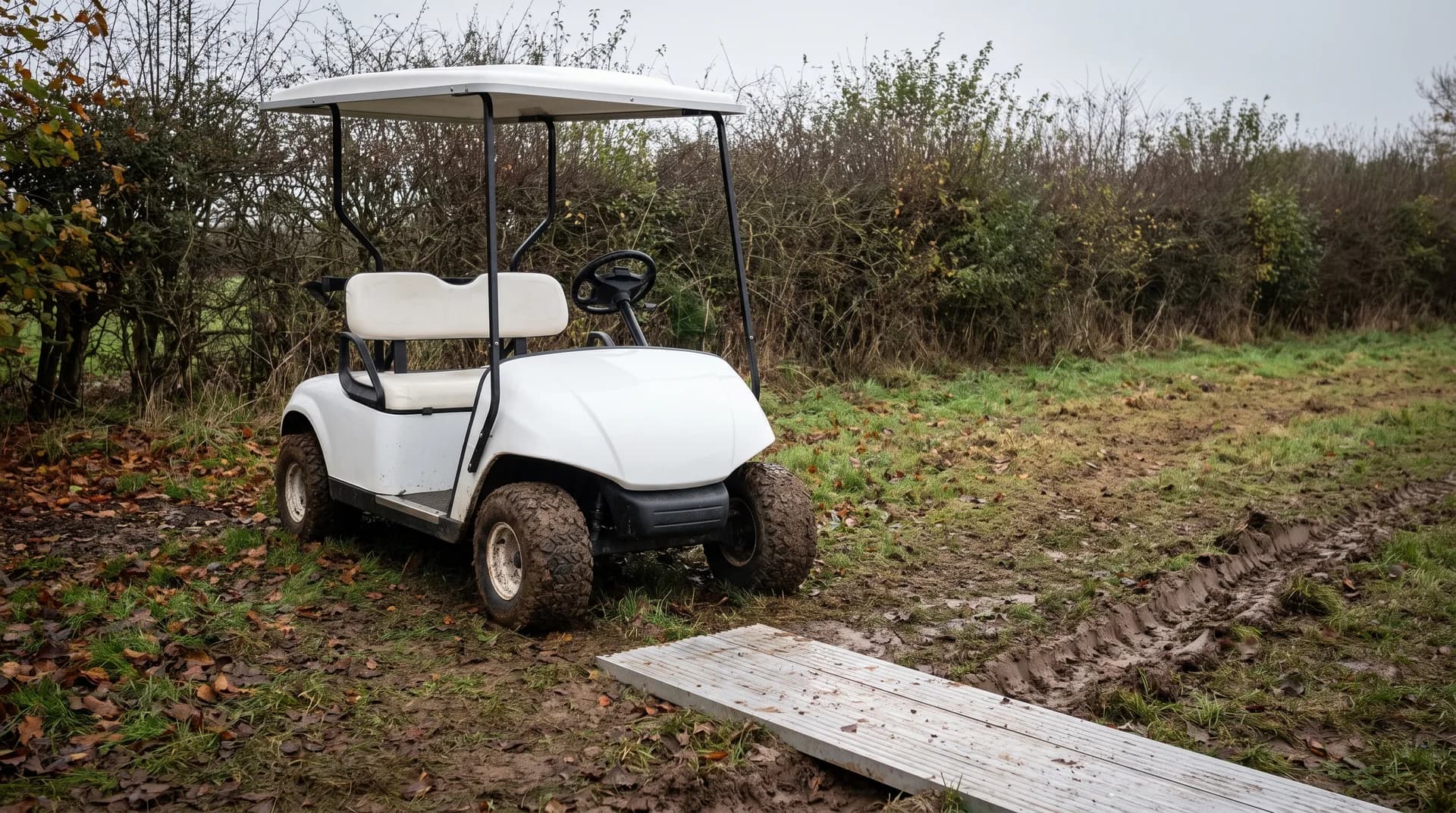
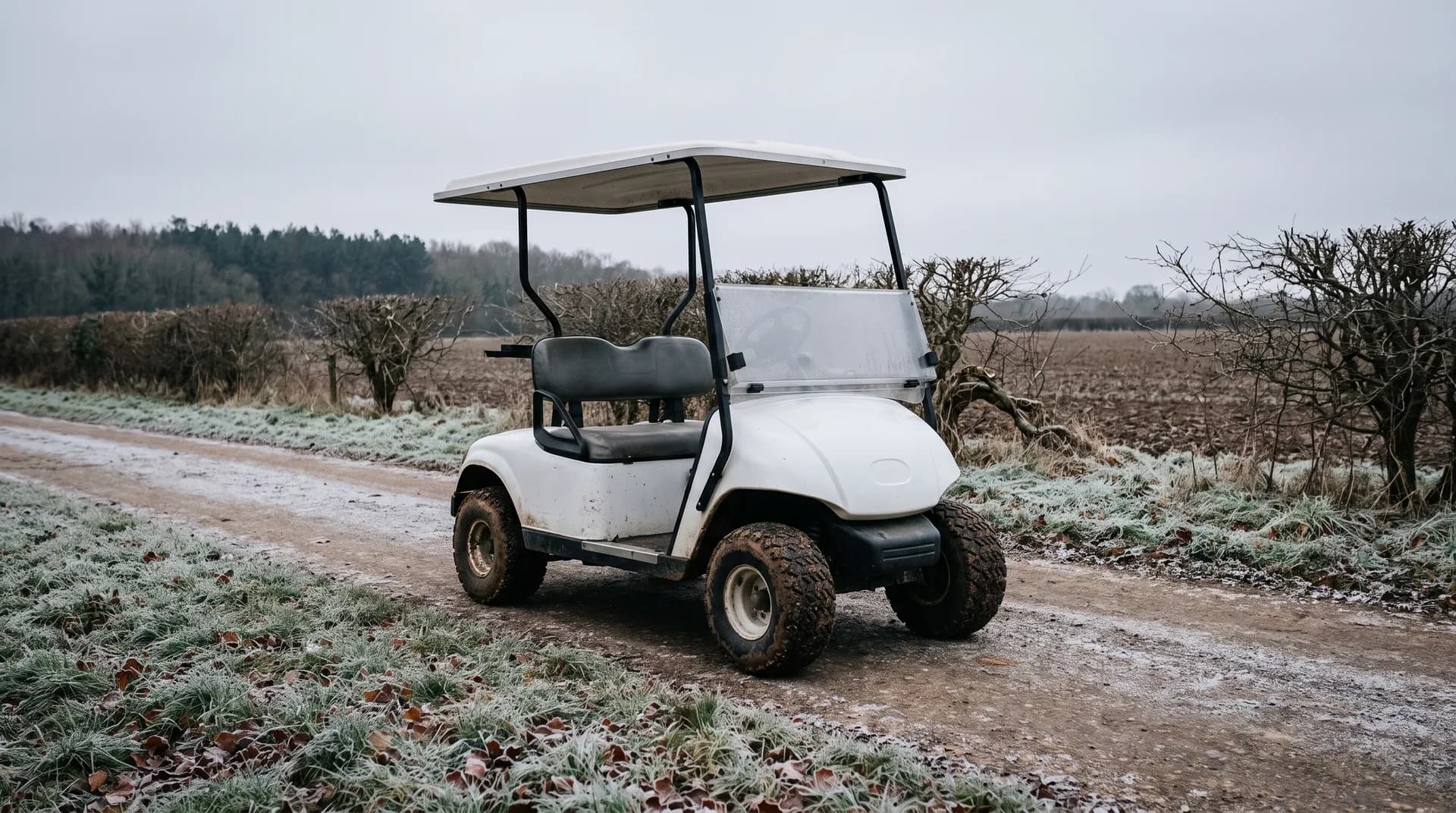
Four things, in order. Terrain first: farm tracks, wet grass, headlands, gateways churned by tractors, and slopes, in the months when British ground is at its worst. This is a tire and traction question far more than a power question, and it is the single biggest determinant of whether a hire succeeds, as our guide to ground conditions explains. Second, capacity split between people and kit: guests, loaders, dogs, gun slips, cartridge bags and lunch do not all belong on the same bench. Third, weather protection, because a shoot day in December with an open vehicle is an unpleasant experience for a paying guest and a poor advertisement for the estate. Fourth, quiet, which matters more here than almost anywhere: an electric vehicle moving between drives does not announce itself across the valley, and on a shoot that is a sporting advantage rather than a nicety, as our noise guide sets out.
- What it carries
- Paying guests between drives
- What to specify
- Comfortable seating, canopy, side protection, low step-in
- What it carries
- Working team, moving constantly
- What to specify
- Agile, robust, quick to load and unload
- What it carries
- Slips, bags, lunch, spares
- What to specify
- Separate load space or a cargo platform
- What it carries
- Recovery and estate work after the drive
- What to specify
- Load bed, payload headroom, all-terrain tires
| What it carries | What to specify | |
|---|---|---|
| Guns and guests | Paying guests between drives | Comfortable seating, canopy, side protection, low step-in |
| Loaders and keepers | Working team, moving constantly | Agile, robust, quick to load and unload |
| Kit and cartridges | Slips, bags, lunch, spares | Separate load space or a cargo platform |
| Game and equipment | Recovery and estate work after the drive | Load bed, payload headroom, all-terrain tires |
Why electric suits a shoot
Three reasons that matter to a shoot captain rather than to a brochure. Noise is the first and most persuasive: game is disturbed by engine noise, and a quiet vehicle moving guns into position is genuinely better sport. It also transforms the guest experience, because a conversation is possible between drives rather than shouting over a diesel. Ground pressure is the second: a cart on suitable tires is kinder to wet ground than a full-size vehicle, and on an estate that has to look presentable in spring, the difference over a season is visible. Fumes are the third, and they matter to guests sitting behind an exhaust in cold, still air. The trade-off is charging on a short winter day, which needs a plan rather than an assumption, and range discipline when the day covers a lot of ground.
Charging and range on a winter shooting day
Be realistic about this at the specification stage, because it is where an under-specified hire disappoints. A shoot day is not long in hours but it can cover considerable distance over demanding ground, and cold weather reduces the effective range of any battery. Three practical responses. Specify for the day you actually have, telling the supplier the distance covered and the terrain rather than the number of drives. Plan charging overnight at the estate, with sockets available where vehicles are stored and someone responsible for plugging them in, and confirm that arrangement before the fleet arrives. And build in headroom rather than running to the edge, because a vehicle that runs out at the third drive is a problem that cannot be solved in the field. Our battery in cold weather guidance covers what cold does to performance.
Corporate and let days: presentation matters
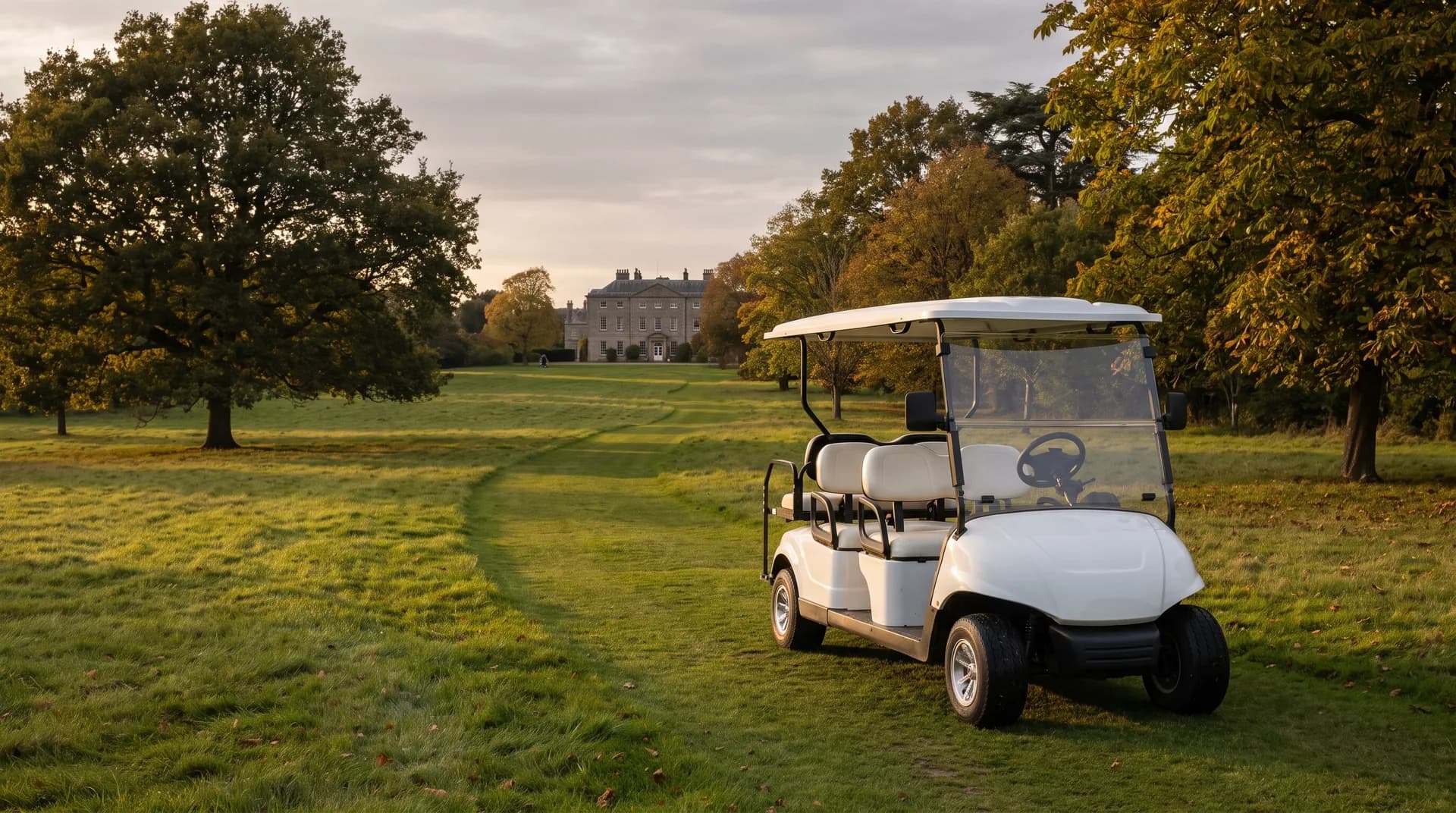
For a let day or a corporate shoot, the transport is part of the product. Guests are paying for a day out, and the vehicle they sit in between drives shapes their impression as much as the lunch does. That changes the specification from purely functional to presentable: clean vehicles in good condition, comfortable seating, proper weather protection, and enough capacity that nobody is squeezed in with a wet dog and a cartridge bag on their lap. Estates running commercial days increasingly hire in specifically for those dates rather than pressing the farm vehicles into service, and it reads to guests as a properly run operation. If your estate hosts a handful of let days a season, hiring for those dates is usually the right call; if the shooting programme is substantial, our guide to utility vehicles for shooting estates covers the ownership case.
Practical points that decide the day
- The real distance covered on a day, and the worst ground on the route
- Gate widths and any tracks that a wider vehicle cannot use
- Where vehicles are stored and charged overnight, and whether power is available there
- Who drives, and whether guests will drive themselves at any point
- Separate load space for kit, so guests are not sharing a seat with equipment
- Weather protection appropriate to the month, not to the month you booked in
- Dogs: where they travel, and whether that vehicle also carries guests
- How game and equipment are moved after the last drive
Shooting day cart hire: for a season, or for a day
The economics here are straightforward. A handful of let days across a season is a clear hire case: you pay for the dates you use, the vehicles arrive clean and specified, and nothing sits in a barn depreciating through the summer. A full shooting programme with regular days, plus estate work the rest of the year, is where ownership starts to earn its keep, since the same vehicles do keepering, ground work and estate transport between shoot days. Many estates run a hybrid, owning working vehicles and hiring presentable ones for commercial days. If you are unsure which you are, hire first for a season and count the days you actually used them. Tell us the ground, the distance and the dates, and we will specify a fleet for December rather than for a catalogue photograph, in a hire quote. Estates hosting paying guests often pair it with our country house and hotel and resort hire.
Frequently asked questions
Can you hire golf carts for a shooting day?+
Yes, and it is increasingly common for corporate and let days, where the transport forms part of the guest experience. Vehicles are specified for winter ground and comfort rather than for a seat count, with separate load space for kit and proper weather protection.
Are electric golf carts suitable for game shoots?+
They suit shoots well. Quiet running disturbs game far less than a diesel, which is a sporting advantage as well as a comfort one, and a cart on suitable tires is kinder to wet ground than a full-size vehicle. Charging on a short winter day needs planning rather than assuming.
What tires do you need for a shoot day?+
All-terrain tires, specified for wet grass, farm tracks and churned gateways in winter conditions. Traction rather than power is what limits a vehicle on that ground, so describe the worst part of the route to your supplier rather than the average.
How far will a cart go on a shooting day?+
It depends on distance covered, terrain and temperature, and cold weather reduces effective range. Specify by telling the supplier the real distance and ground rather than the number of drives, plan overnight charging at the estate, and build in headroom rather than running to the edge.
Should an estate hire or buy shoot vehicles?+
A handful of let days a season is a clear hire case, with vehicles arriving clean, specified and only paid for on the dates used. A full programme plus year-round estate work usually favours owning. Many estates do both: own the working vehicles, hire presentable ones for commercial days.
Shooting this season?
Tell us the ground, the distances and the dates, and we will specify vehicles for a December shoot day rather than a summer brochure.
Related solutions
Ready to explore what we build?
See the vehicles and the setting this applies to, or get a tailored quote built around your site.
Ready to find the right golf cart?
Tell us how and where it will work and we will specify a vehicle and a tailored quote built around you. Every build comes with a 3-year warranty and a 24-hour priority call-out.
Our guides are written and reviewed by the Hawke Electric Vehicles team, the people who specify, build, deliver and support the vehicles. We focus on honest, practical advice and flag where a figure depends on the build rather than guessing.
More guides by Hawke