Ask a greenkeeper about electric machinery five years ago and you would have heard polite scepticism. In 2026 the picture looks different: British clubs are publishing sustainability pages, buying electric mowers and utility vehicles, and in some cases running the whole operation on zero-emissions electricity. Here is what is actually happening, drawn from the clubs' own published accounts.
What clubs are actually doing
- Redbourn Golf Club runs entirely on certified zero-emissions electricity and reports avoiding over 44 tonnes of CO2 in 2024, part of an award-winning sustainability programme.
- North Hants Golf Club reports its electric mower cutting all 21 greens on just 56% of a battery charge, the kind of concrete duty-cycle figure that settles range anxiety arguments.
- Saunton Golf Club in Devon runs hybrid greenkeeping machinery today and has published plans to take the fleet fully electric.
- At industry level, the UK Golf Federation has partnered with electric groundscare maker Kress, and the amenity sector now has its own electrification event in VoltWorx26.
Why the shift is happening now
Three forces are converging. First, the machinery has caught up: modern lithium packs handle a full working day, as North Hants' greens figure shows. Second, members and visitors increasingly expect quiet, clean operations, and early-morning diesel noise is one of the fastest ways to generate complaints on a course with housing nearby. Third, clubs are setting their own net-zero commitments, and the grounds fleet is one of the few emission sources a club controls outright.
Where buggies and utility vehicles fit
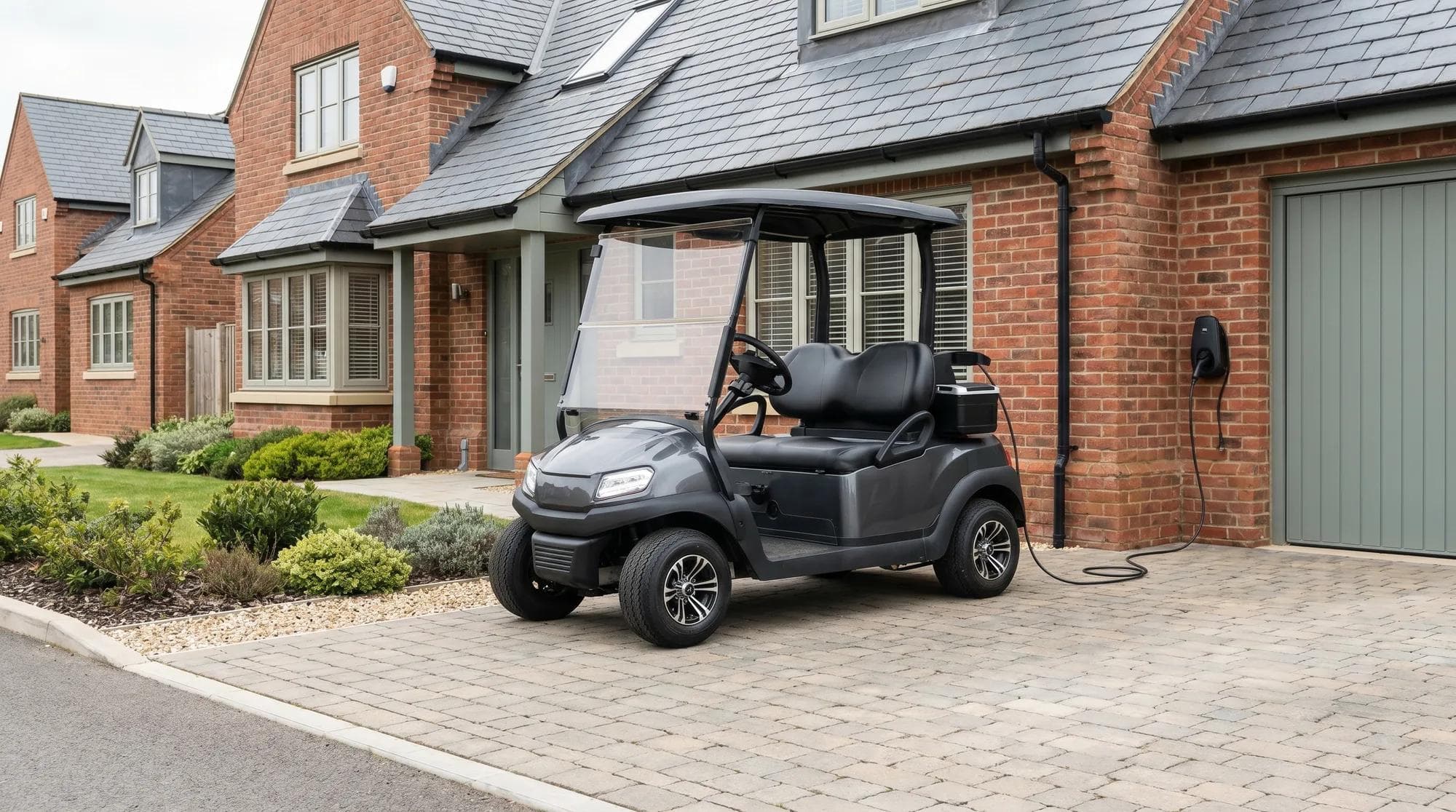
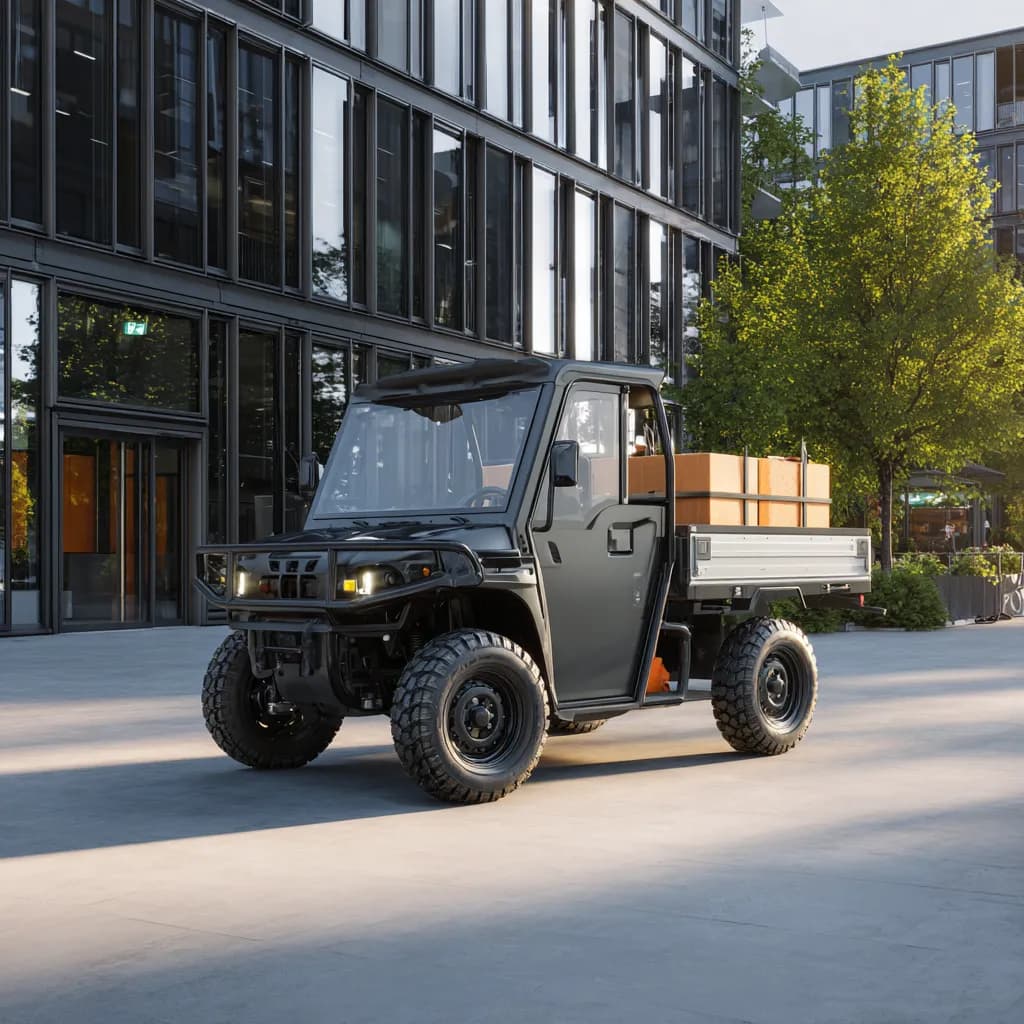
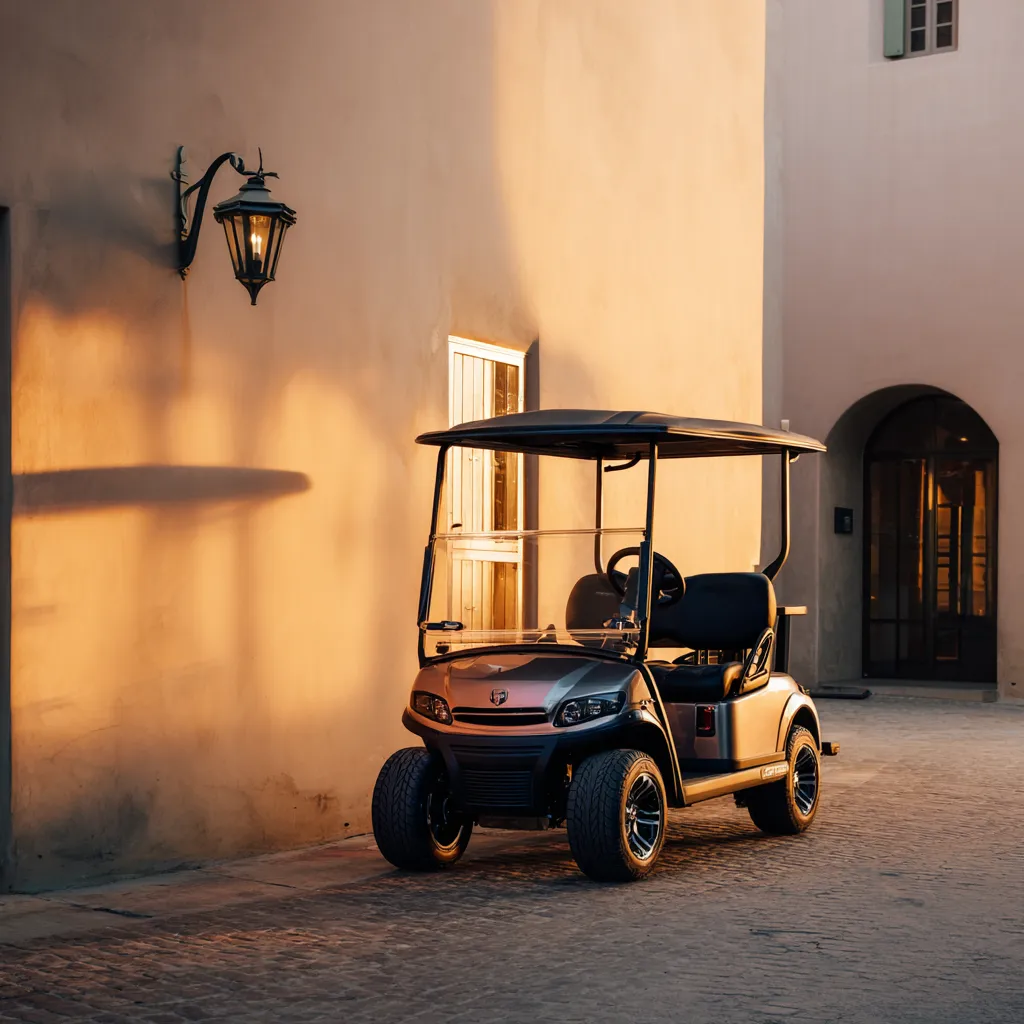
Mowers get the headlines, but the transport fleet usually electrifies first because it is the easy win: member buggies, marshalling vehicles and the pickups that move staff, sand and tools between holes. An electric buggy fleet charges overnight from a standard supply, runs silent past the clubhouse at dawn, and removes petrol storage from the site entirely. Our guides on electric versus petrol golf buggies and electric utility vehicles set out the practical comparison for club fleets.
The honest caveat: electrification is a programme, not a purchase. Charging infrastructure, duty cycles and winter performance all need planning, and the clubs above got there in stages. But the direction among UK clubs is no longer in question, and the published examples make the case better than any brochure.
Planning a club fleet?
We specify, brand and support buggy and utility fleets for UK clubs.
Related solutions
Ready to explore what we build?
See the vehicles and the setting this applies to, or get a tailored quote built around your site.
Ready to find the right buggy?
Tell us how and where it will work and we will specify a vehicle and a tailored quote built around you. Every build comes with a 3-year warranty and a 24-hour priority call-out.
Our guides are written and reviewed by the Hawke Electric Vehicles team, the people who specify, build, deliver and support the vehicles. We focus on honest, practical advice and flag where a figure depends on the build rather than guessing.
More guides by Hawke