Walk any university or large corporate campus and you will see the carts before you see anything else: facilities crews fixing a path, grounds teams moving equipment, campus police on patrol, mail and supplies on the move, and accessibility shuttles carrying students who cannot make the walk between far-flung buildings. A campus is essentially a small town, and its cart fleet is its municipal vehicle pool. Managing that fleet well, across many departments with different needs, on paths crowded with distracted pedestrians, is a real facilities challenge. This guide covers sizing, safety, accessibility and the operating decisions that keep a campus fleet useful rather than chaotic.
A campus is many fleets in one
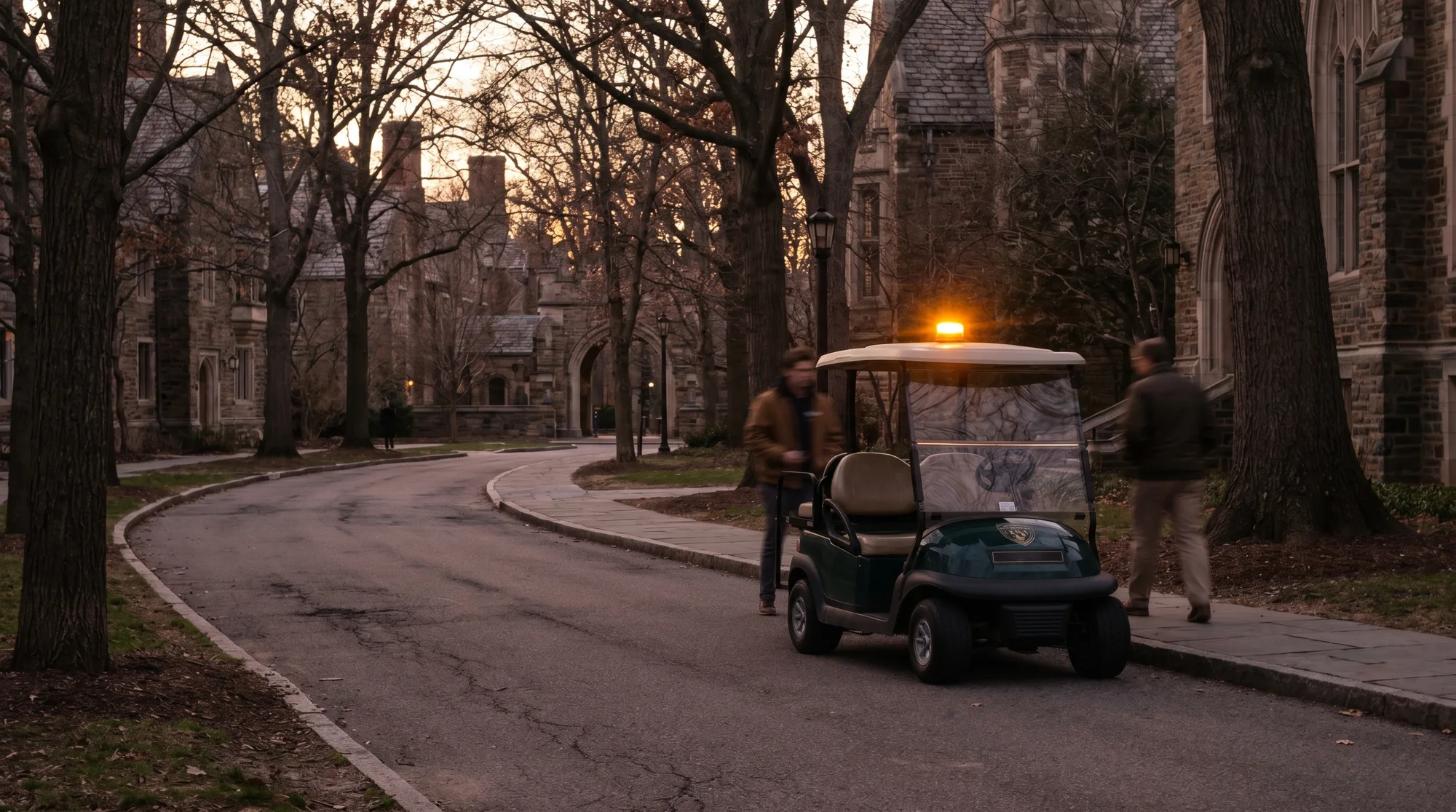
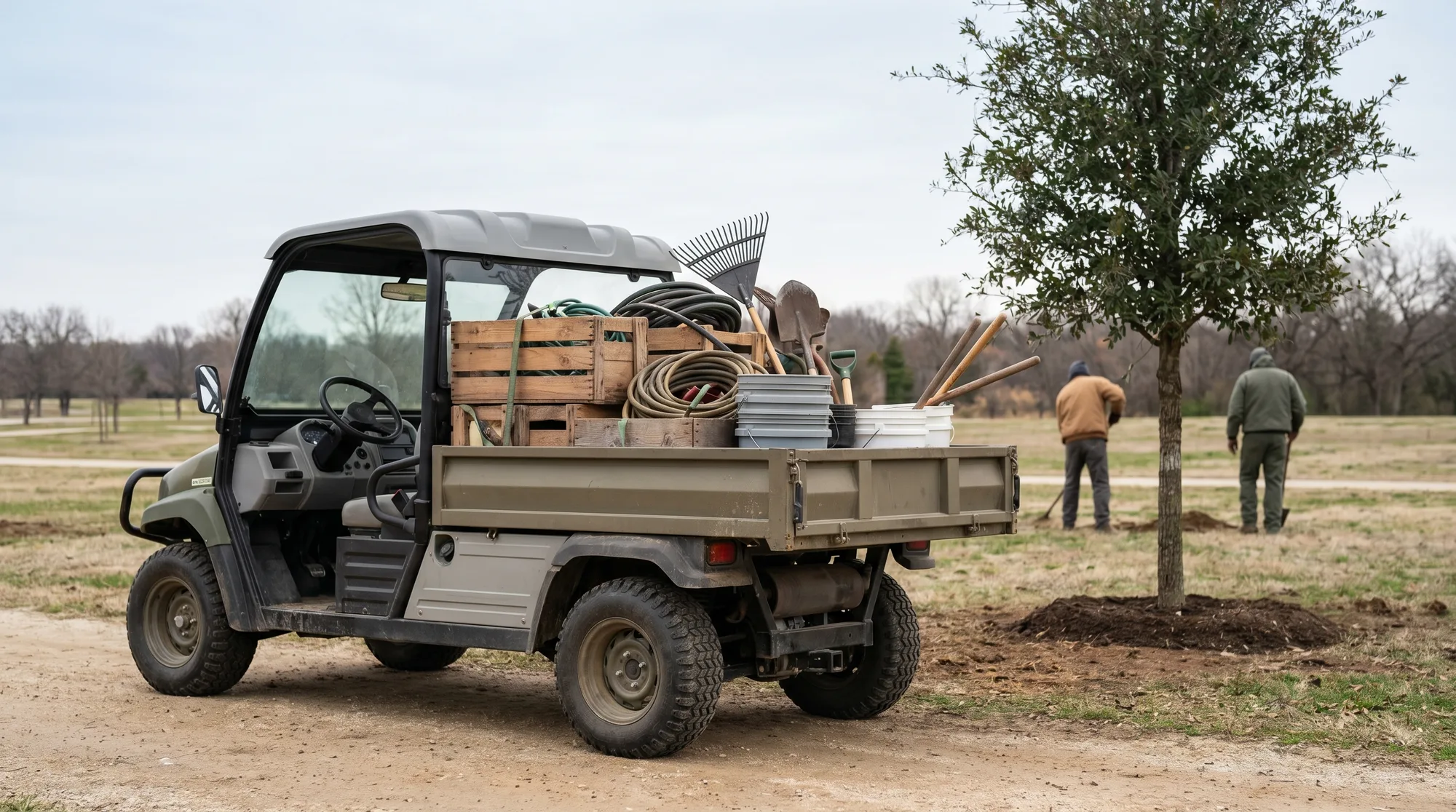
The mistake campuses make is treating carts as a single shared pool. In reality each department has distinct needs. Facilities and maintenance want rugged burden carriers for tools and parts. Grounds want carriers that take equipment and debris. Campus safety wants patrol-spec carts with lighting and visibility. Mail and logistics want covered cargo carts. And accessibility services want comfortable, accessible passenger shuttles. Budgeting and sizing per department, rather than buying a stack of identical carts, gets each team the right tool and avoids the turf wars that erupt when one cart is shared across incompatible jobs.
ADA paratransit: the role that matters most
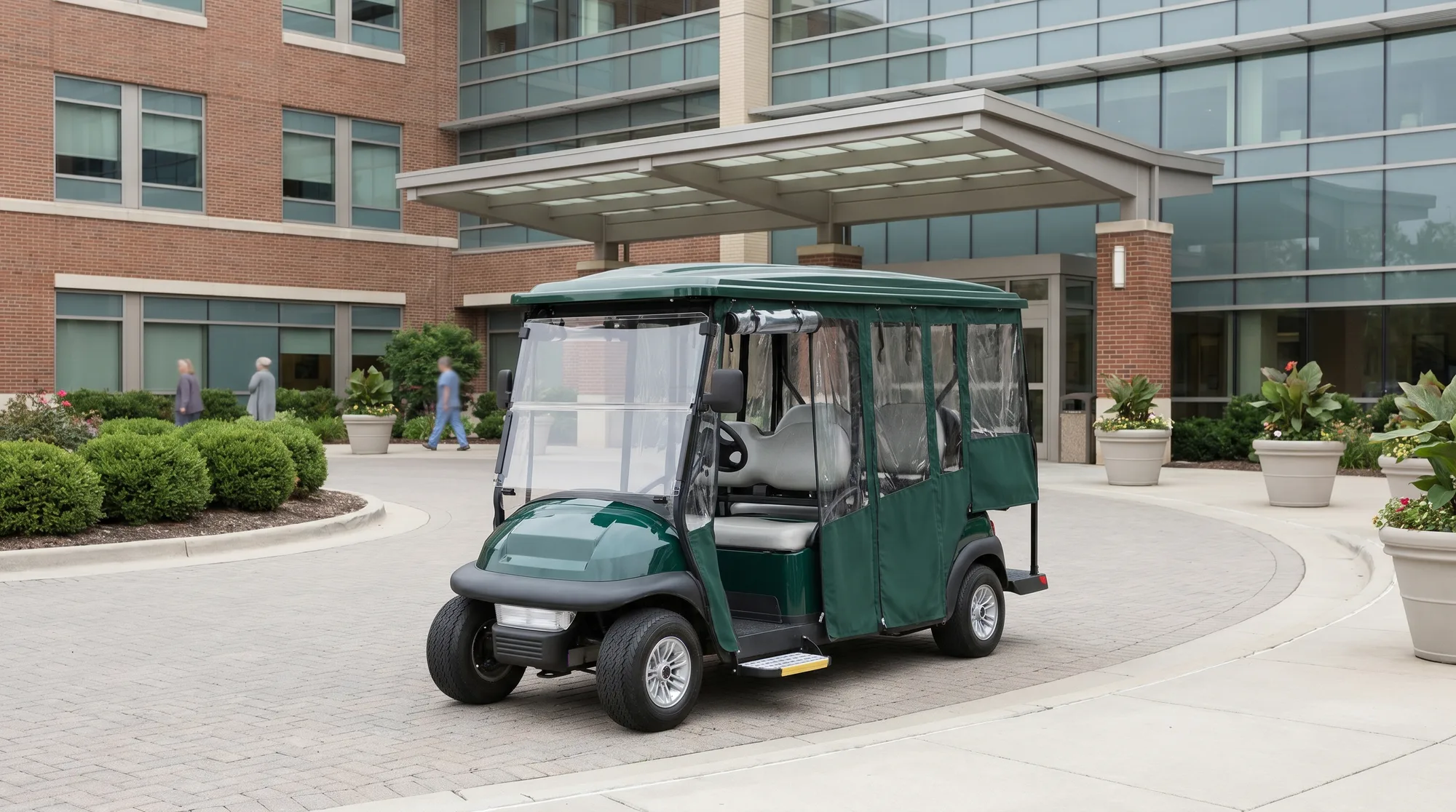
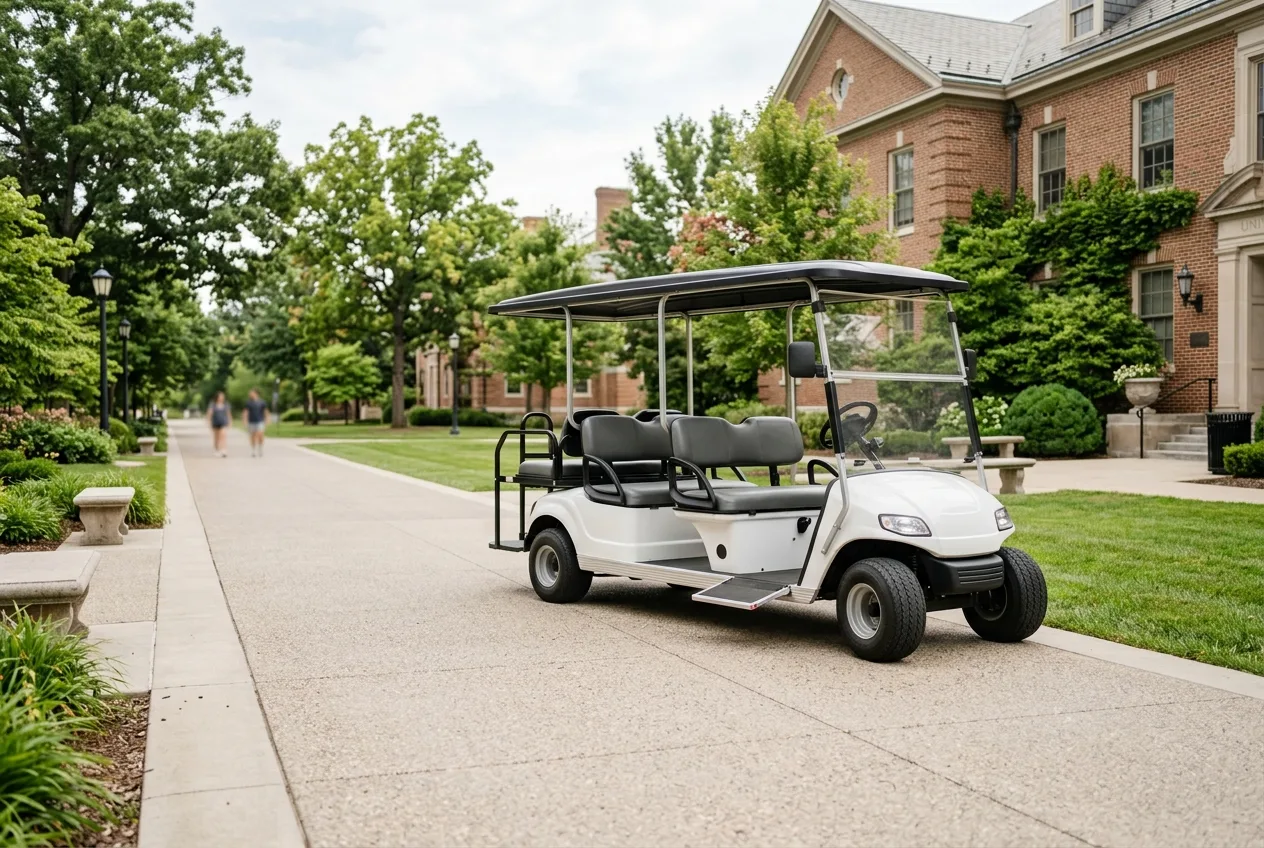
For many campuses the single most important cart role is accessibility transport. A student with a temporary injury or a permanent disability may be unable to cross a large campus between back-to-back classes, and an accessible cart shuttle is what makes their education physically possible. This is not a nice-to-have; supporting students with disabilities is a legal and moral obligation, and a well-run paratransit cart service is often how a campus meets it. Spec these carts for genuine accessibility, with low entry, grab handles, weather protection and room for a wheelchair or mobility device, and run them on a reliable, bookable basis. The hospitals-and-medical companion guide on carts for hospitals and medical campuses shares much of this accessibility thinking.
Pedestrian safety on a crowded campus
The defining safety risk on a campus is people on foot, many of them looking at phones, crossing paths and emerging from buildings without looking. A cart moving through that environment must be driven defensively and spec'd to be safe at low speed in crowds. Set and enforce campus speed limits for carts, keep them off the busiest pedestrian zones at peak class-change times where possible, fit good visibility and audible warning, and train every driver, student worker and staff alike, on pedestrian priority. A campus cart program needs a clear policy on who may drive, at what speed and where, because the carts share space with thousands of distracted young people.
Charging a distributed campus fleet
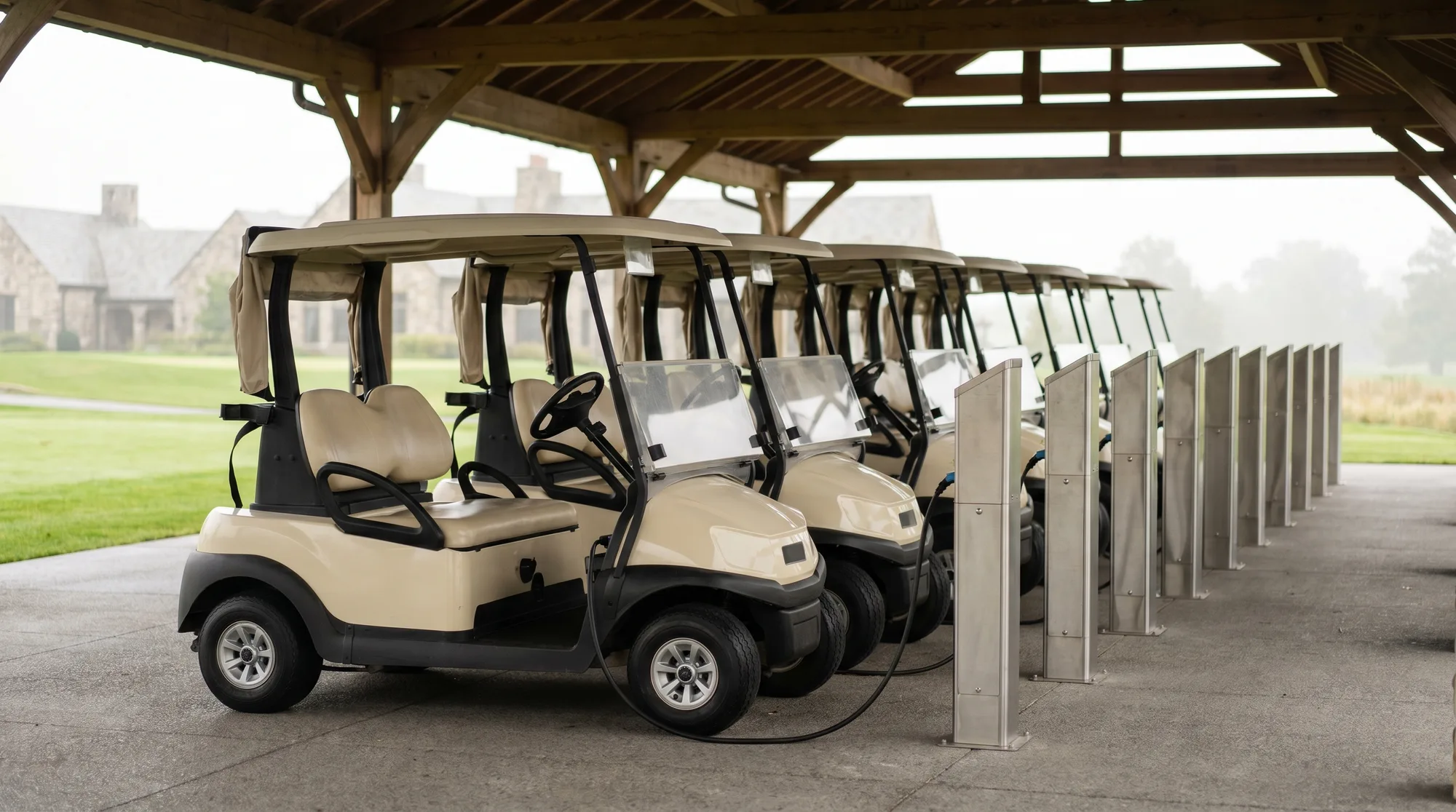
On a large campus the fleet is spread across buildings and departments, so charging cannot be an afterthought at one loading dock. Plan charging bays near where each department's carts are based, with proper ventilated circuits rather than daisy-chained extension cords, which are both a fire risk and a constant source of dead carts. Standardizing on consistent charging infrastructure across departments makes maintenance and cart-sharing easier. For year-round campuses running carts hard, faster-charging lithium packs reduce downtime and the watering and voltage-sag headaches of large lead-acid fleets.
Branding and the campus experience
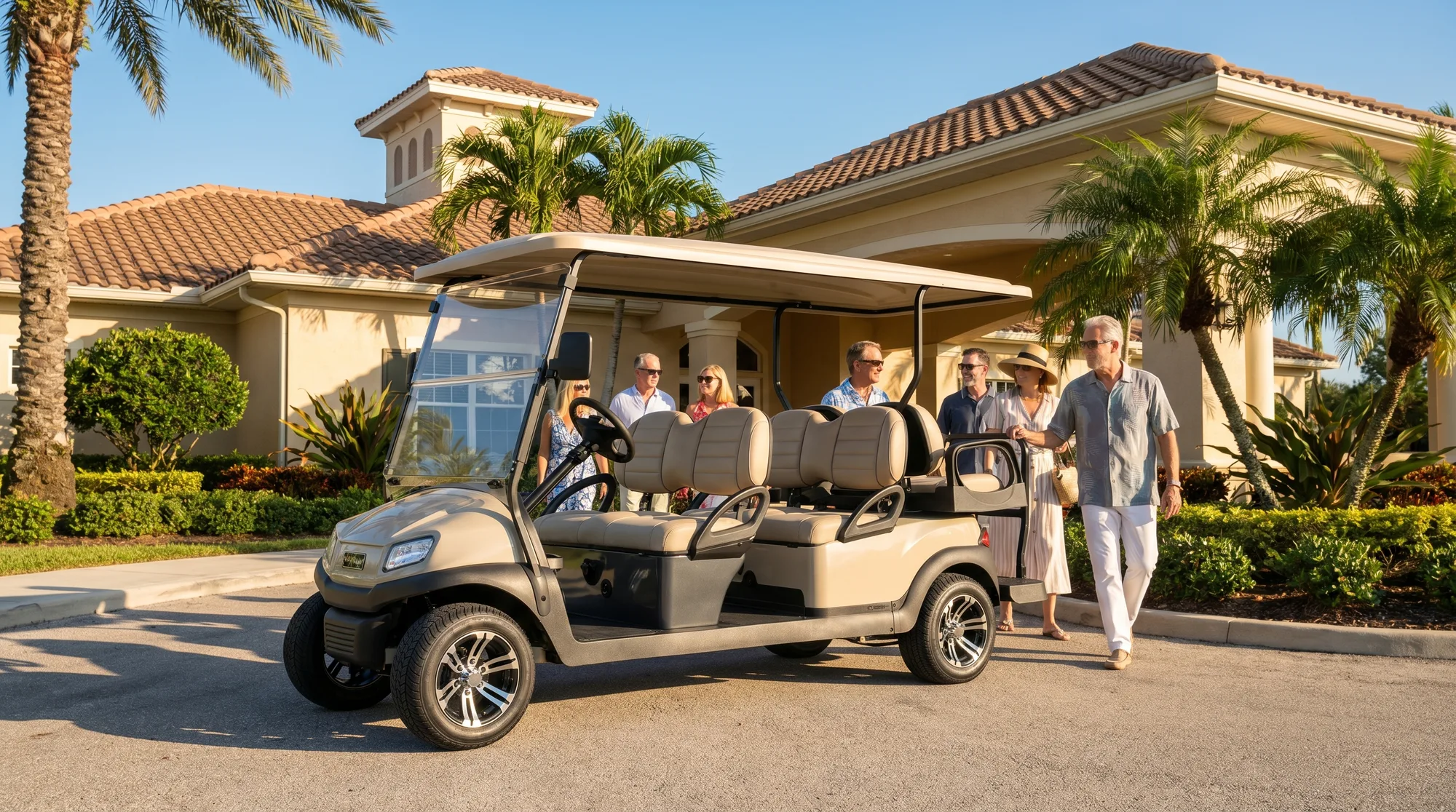
On a corporate campus especially, carts carrying visitors, executives and recruits are part of the brand experience, and even on a university campus a tidy, well-marked fleet signals a well-run institution. Coordinated livery, the institution's colors and clear department markings make the fleet look intentional rather than accumulated. It also aids security and accountability: a marked cart is identifiable, and staff know which department a given vehicle belongs to. Our guide to custom carts covers how far campus branding can go.
- Role
- Accessibility shuttle
- Key spec
- Low entry, weather, bookable
- Role
- Burden carrier
- Key spec
- Cargo bed, durability
- Role
- Patrol cart
- Key spec
- Lighting, visibility, storage
- Role
- Cargo cart
- Key spec
- Covered, secure load space
- Role
- Utility carrier
- Key spec
- Rugged, equipment capacity
| Role | Key spec | |
|---|---|---|
| ADA paratransit | Accessibility shuttle | Low entry, weather, bookable |
| Facilities | Burden carrier | Cargo bed, durability |
| Campus safety | Patrol cart | Lighting, visibility, storage |
| Mail and logistics | Cargo cart | Covered, secure load space |
| Grounds | Utility carrier | Rugged, equipment capacity |
Uptime, lease and buy
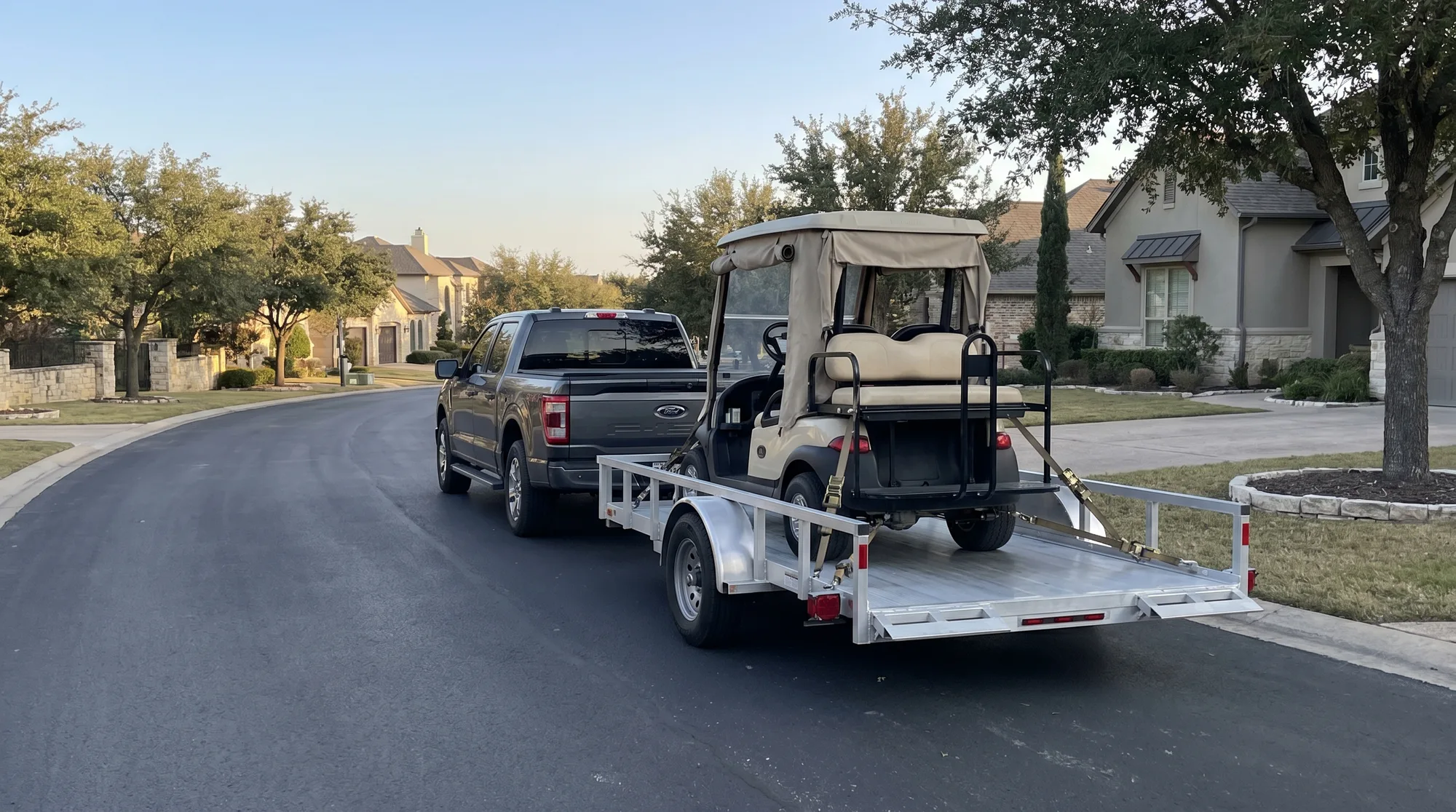
A campus fleet works hard year-round, and downtime ripples: a dead paratransit cart strands a student, a dead facilities cart slows a repair. That makes a real fleet-management program, scheduled maintenance, a charging plan, spares and a single owner of the fleet rather than scattered department ownership, the difference between a fleet that runs and one that limps. Most large permanent campuses buy and maintain their carts, since the long, hard use makes ownership economical and the carts are core infrastructure. Short-term needs, a construction phase or a one-off event, can be met with seasonal leasing. Our guides to cost, commercial leasing and fleet management cover the decisions.
A campus cart fleet is municipal infrastructure in miniature. The institutions that run it well treat it like a transit department, not a pile of vehicles departments fight over.
So what should you do?
Size and budget per department, treat ADA paratransit as a dependable bookable service, make pedestrian safety the center of your cart policy with speed limits and driver training, plan distributed charging bays properly, brand the fleet for a coherent campus experience, and manage uptime with a real fleet-management program. Most large campuses buy and maintain; lease for short-term needs. If you would like help speccing a campus fleet across departments, with honest numbers, we are glad to help.
Spec a campus fleet across every department
Tell us your campus size, your departments and your accessibility needs, and we will recommend a coordinated fleet with an honest price.
Frequently asked questions
How do colleges decide how many golf carts they need?+
Size per department rather than as one shared pool. Facilities, grounds, campus safety, mail and accessibility services each have distinct needs, so budget and count carts for each role, then add charging and maintenance spares. Treating it as one fleet leads to shared carts that fit no job well.
Why is ADA paratransit important on a campus?+
Students with injuries or disabilities may be unable to cross a large campus between classes, and an accessible cart shuttle is often how a campus meets its obligation to support them. It should be a dependable, bookable service with dedicated accessible carts and trained drivers, not a borrowed cart when one is free.
How do campuses keep carts safe around pedestrians?+
Pedestrians, many of them distracted, are the dominant risk. Set and enforce cart speed limits, keep carts off the busiest paths at class-change times where possible, fit good visibility and audible warning, and train every driver on pedestrian priority with a clear policy on who may drive, where and how fast.
Should a campus lease or buy its golf carts?+
Most large permanent campuses buy and maintain their carts, since year-round hard use makes ownership economical and the carts are core infrastructure. Short-term needs such as a construction phase or a one-off event are well suited to seasonal leasing.
How should a campus charge a spread-out cart fleet?+
Plan ventilated charging bays near where each department's carts are based, using proper circuits rather than daisy-chained extension cords. Standardize the infrastructure across departments to ease maintenance and sharing, and consider faster-charging lithium packs to cut downtime on a hard-working fleet.
Related solutions
Ready to explore what we build?
See the vehicles and the setting this applies to, or get a tailored quote built around your site.

Ready to find the right buggy?
Tell us how and where it will work and we will specify a vehicle and a tailored quote built around you. Every build comes with a 3-year warranty and a 24-hour priority call-out.