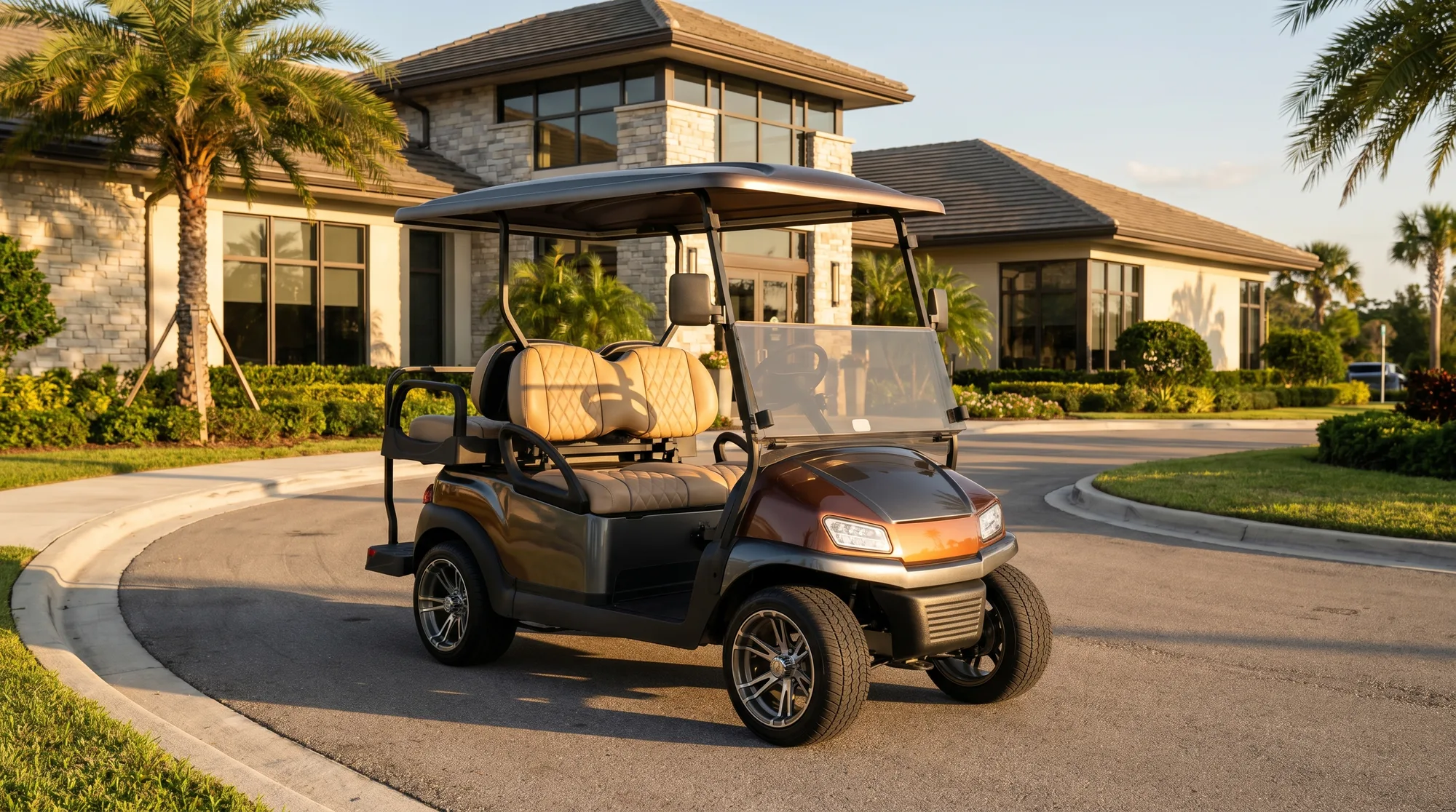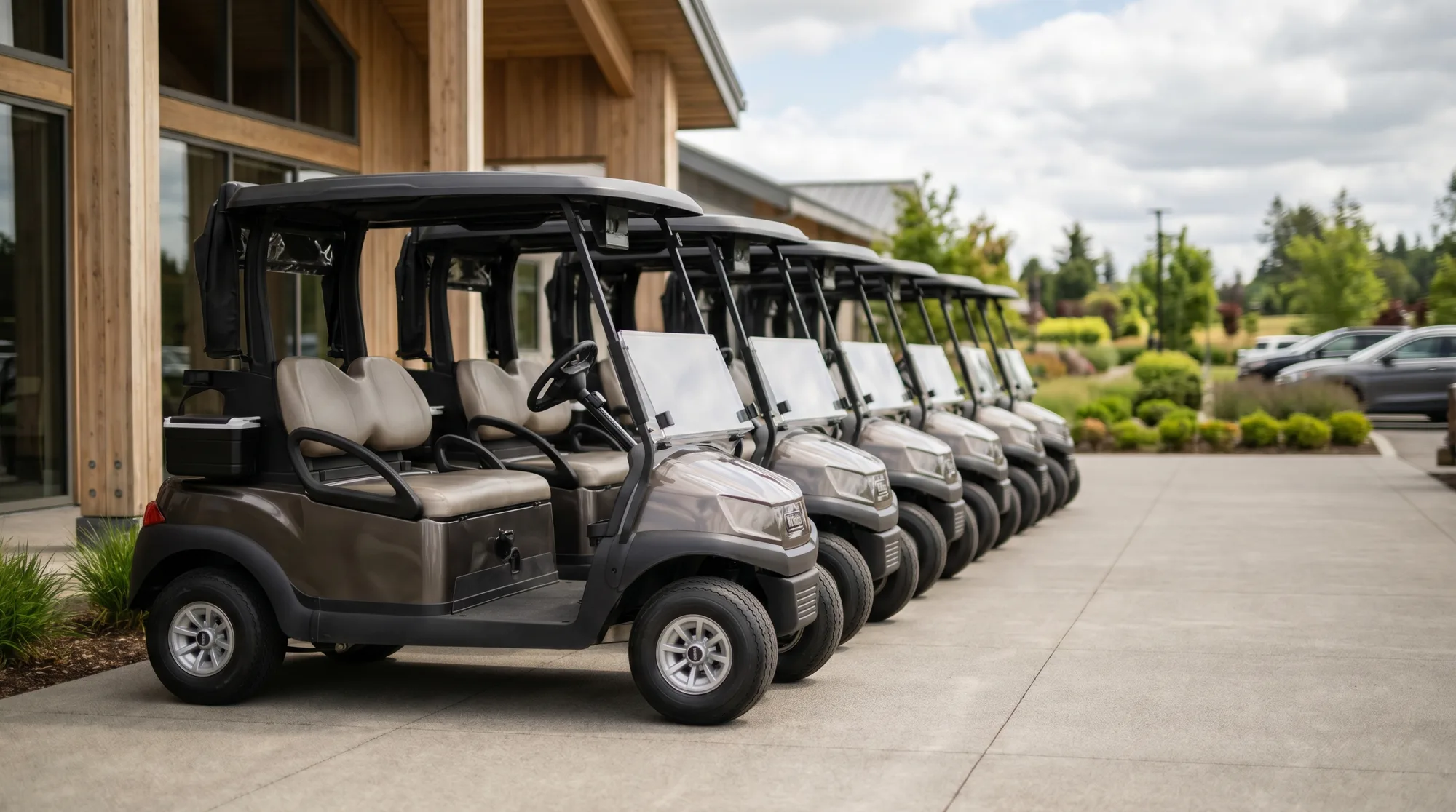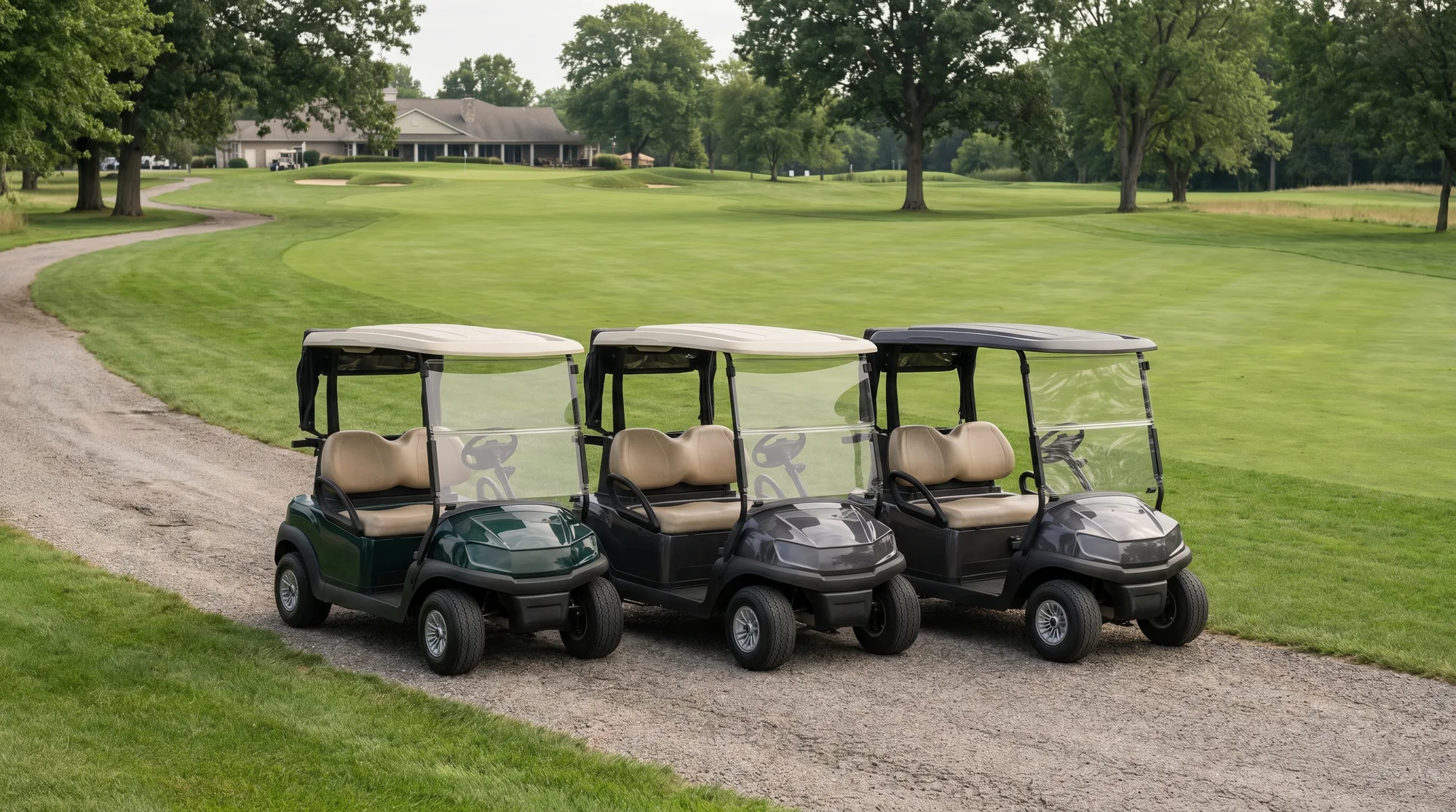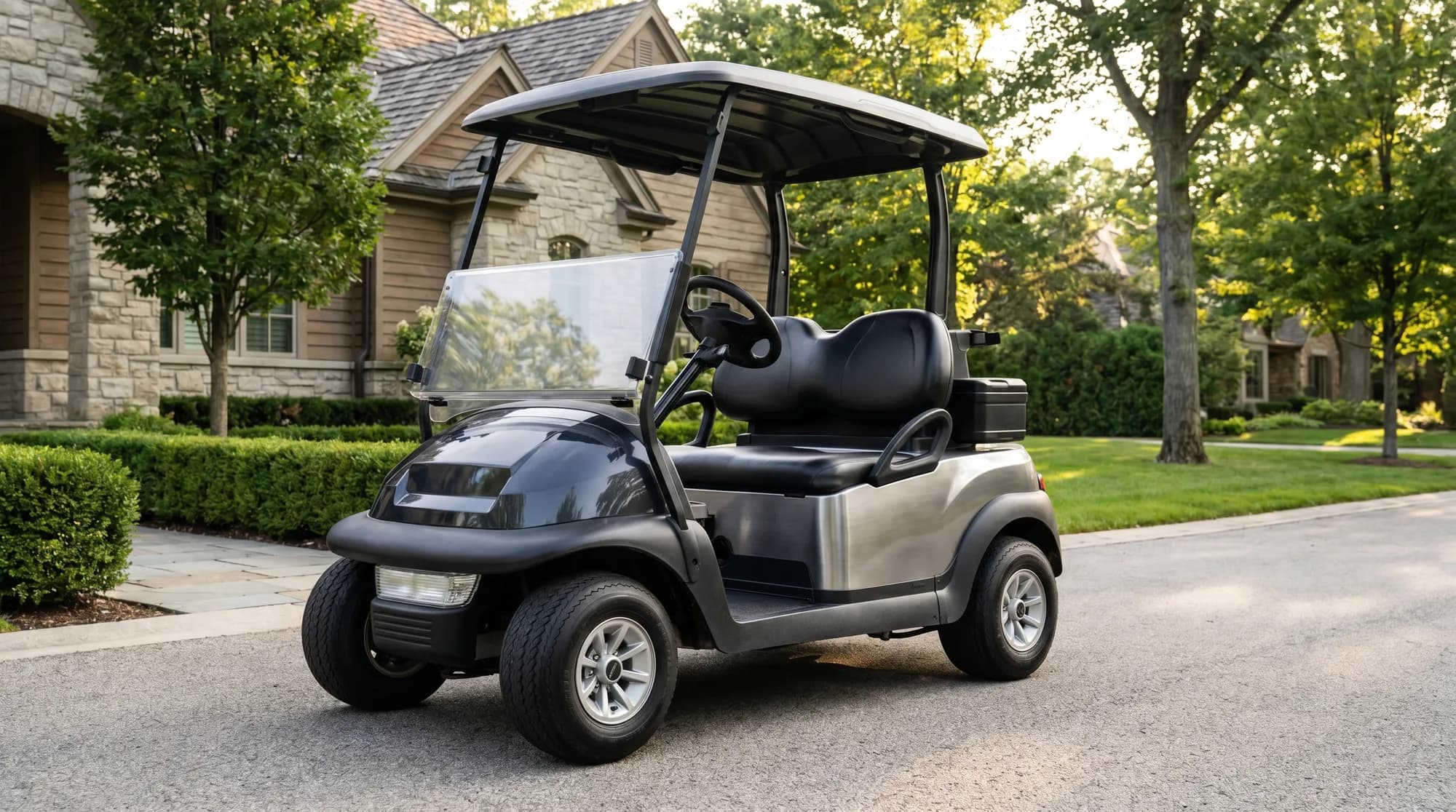
Changing the color of a golf cart is one of the most satisfying upgrades there is, and there are two real routes: a vinyl wrap or custom paint. They land in very different places on cost, permanence and the kind of finish you get. A wrap is faster, cheaper, reversible and brilliant for graphics; paint is more permanent, can look factory-deep and survives abrasion better, but costs more and is harder to undo. This guide compares the two honestly, explains how each is done, and tells you how to keep whichever you choose looking sharp. It pairs with our overview of what is possible with custom golf carts.
Wrap versus paint: the honest comparison
Both can look superb. The right choice depends on what you value: cost and reversibility, or permanence and depth of finish.
- Vinyl wrap
- Lower
- Custom paint
- Higher
- Vinyl wrap
- Faster
- Custom paint
- Longer (prep and cure)
- Vinyl wrap
- Yes, peels off
- Custom paint
- No, permanent
- Vinyl wrap
- Excellent
- Custom paint
- Harder, costlier
- Vinyl wrap
- Good, can lift at edges
- Custom paint
- Excellent if done well
- Vinyl wrap
- Yes
- Custom paint
- No, it is the finish
| Vinyl wrap | Custom paint | |
|---|---|---|
| Cost | Lower | Higher |
| Time | Faster | Longer (prep and cure) |
| Reversible | Yes, peels off | No, permanent |
| Graphics and patterns | Excellent | Harder, costlier |
| Abrasion resistance | Good, can lift at edges | Excellent if done well |
| Protects body underneath | Yes | No, it is the finish |
When a wrap is the right call
A wrap is a printed or colored vinyl film applied over the cleaned body panels. It is the better choice when you want a color change without commitment, complex graphics or patterns, a faster turnaround, or the ability to return the cart to its original look later. Because the film sits over the original body, it also shields that surface from minor scuffs and sun, which can help if you ever sell. The trade-offs are that edges and seams can lift over time, sharp impacts can tear film, and a cheap wrap on poor prep peels early.
When custom paint is worth it
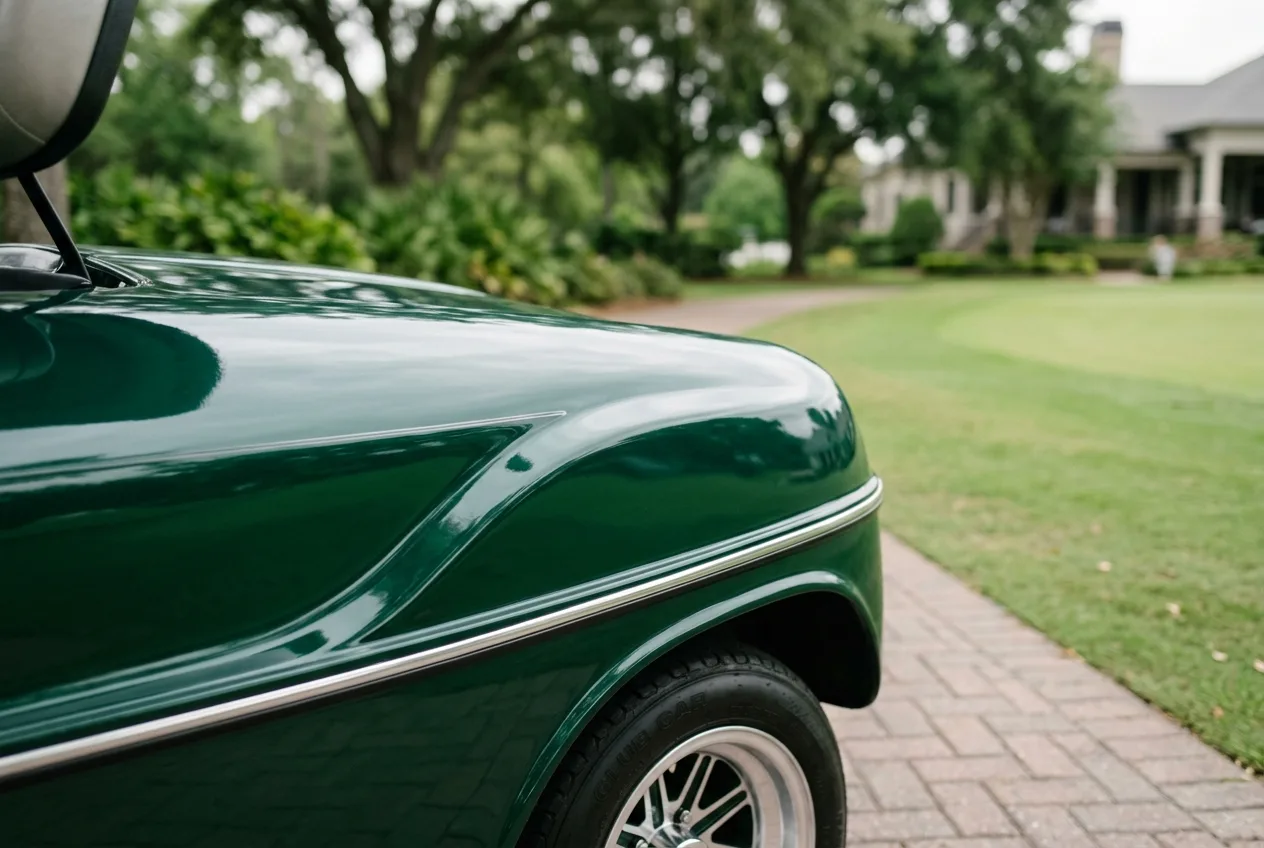
Paint is the route for a permanent, deep, integrated finish, the kind that looks like the cart came that way. Done properly it resists abrasion better than film and has no edges to lift. The catch is that painting plastic cart bodies is a real process: the panels need correct cleaning, the right adhesion promoter or primer for plastic, careful coats and cure time. Skipping steps is why a cheap paint job flakes within a season. Paint also commits you; changing color again means repainting.
- 01
Strip and clean the panels
Remove panels where practical and clean thoroughly. Any wax, grease or release agent left on plastic ruins adhesion.
- 02
Prep for plastic
Use the correct adhesion promoter or plastic primer. Plastic needs different prep from metal or it will not hold paint.
- 03
Apply in proper coats
Build color in even coats with the right paint system, allowing flash time between them. Rushing causes runs and poor finish.
- 04
Clear and cure
A clear coat adds depth and protection. Allow full cure before reassembly and normal use, or the soft finish marks easily.
Cost, time and doing it yourself
Budget varies widely with the size of the cart, the complexity of the design and whether you pay for professional work. As an indicative guide, a partial wrap or accent can start in the low hundreds of dollars, a full professional wrap runs several hundred and up, and full custom paint commonly lands well over a thousand once proper prep and clear coat are included. DIY can cut the cost, but a botched wrap or a flaking paint job usually costs more to put right than paying for good work first time.
Making the finish last
Whichever route you choose, care keeps it looking new far longer. Both finishes hate harsh chemicals, abrasive scrubbing and constant baking sun without protection.
- Wash gently with mild soap and a soft cloth; skip harsh solvents and pressure washing close to wrap edges.
- For wraps, keep edges and seams clean and dry; lifting usually starts where dirt gets under the film.
- For paint, a quality wax or sealant protects the clear coat and the color beneath it.
- Store out of constant UV where you can; sun fades both film and paint over years.
- Address small wrap tears or paint chips early before water and dirt spread the damage, much like the upkeep in our accessories worth it guide.
Wrap, paint and the bigger custom picture
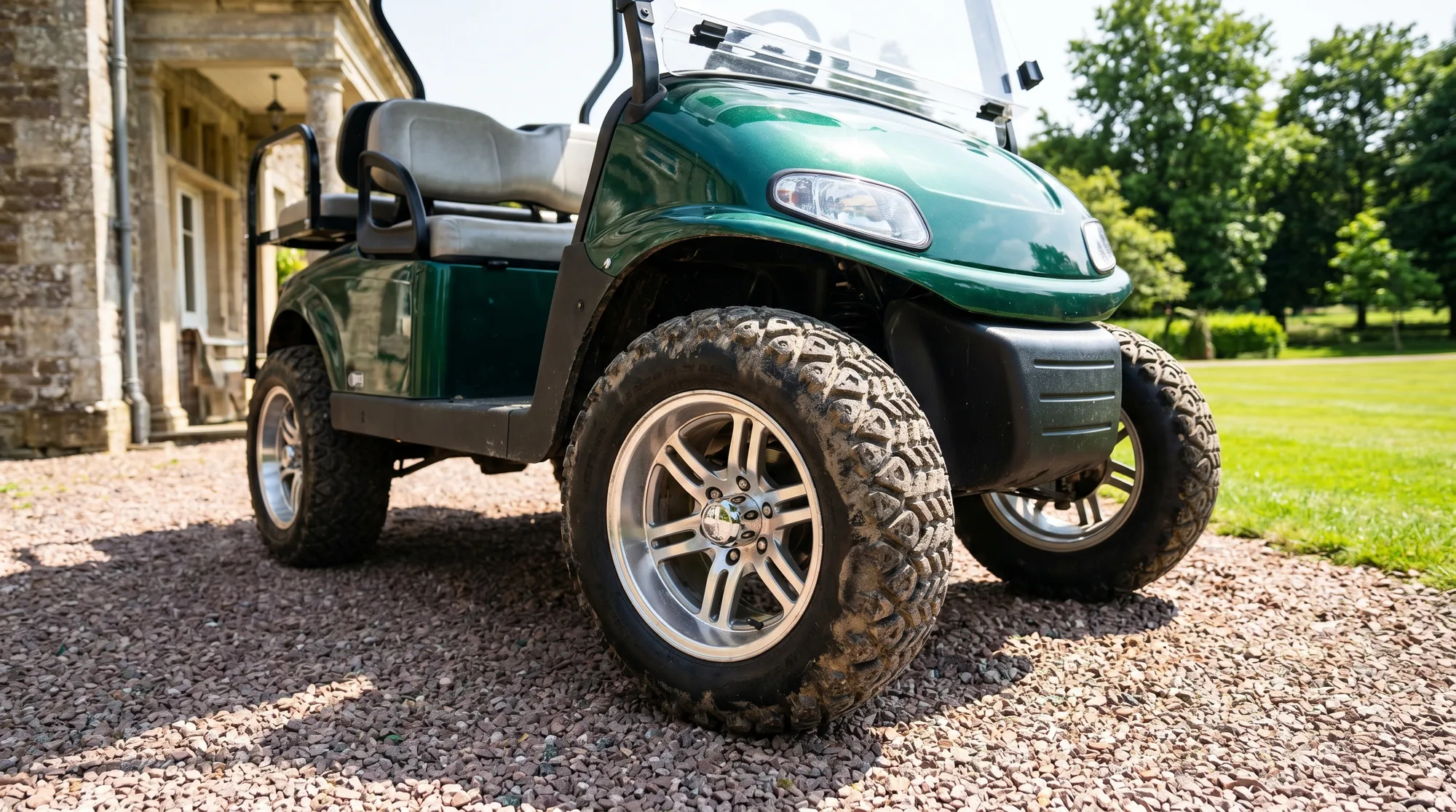
A finish is one part of customizing a cart. If you are planning color alongside lift kits, wheels, seating or lighting, look at our overview of what is possible with custom golf carts to plan the whole look together, and the tires and wheels guide since wheels change the visual impact of any color as much as the paint does. Coordinating the finish with the rest of the build is what makes a cart look designed rather than assembled.
Color is the upgrade everyone notices, but it is prep that decides whether they still notice it next year. Wrap or paint, the surface under it has to be right first.
So should you wrap or paint?
Choose a wrap if you want lower cost, fast turnaround, graphics, or the freedom to change your mind and protect the original body. Choose custom paint if you want a permanent, deep, abrasion-tough finish and you are committed to the color. Either way, pay for proper prep and the result will outlast a cheap version of the other option. If you would like a custom cart specified with the finish, wheels and kit coordinated, tell us your vision and we will put honest numbers against it.
Design a custom cart finish
Tell us the look you want, and we will spec a coordinated custom build with an honest price.
Frequently asked questions
Is it better to wrap or paint a golf cart?+
A wrap is cheaper, faster and reversible, and is great for graphics while protecting the body underneath. Paint is more permanent, deeper-looking and tougher against abrasion but costs more and cannot be undone easily.
How much does it cost to wrap a golf cart?+
Indicatively, a partial or accent wrap can start in the low hundreds of dollars, while a full professional wrap runs several hundred and up. Custom paint commonly exceeds a thousand dollars. Prices vary by cart and design.
Can you paint a plastic golf cart body?+
Yes, but plastic needs the correct prep, including the right adhesion promoter or primer, careful coats and full cure time. Skipping plastic-specific prep is why cheap paint jobs flake quickly.
How long does a golf cart wrap last?+
A quality wrap on well-prepped panels and cared for properly can last several years. Edges lifting and fading from constant sun shorten its life, so keep seams clean and store out of UV where possible.
Can a wrap be removed later?+
Yes. A quality wrap can be peeled off, which is one of its main advantages, letting you return the cart to its original look or change color again. Paint, by contrast, is permanent.
Related solutions
Ready to explore what we build?
See the vehicles and the setting this applies to, or get a tailored quote built around your site.
Ready to find the right buggy?
Tell us how and where it will work and we will specify a vehicle and a tailored quote built around you. Every build comes with a 3-year warranty and a 24-hour priority call-out.