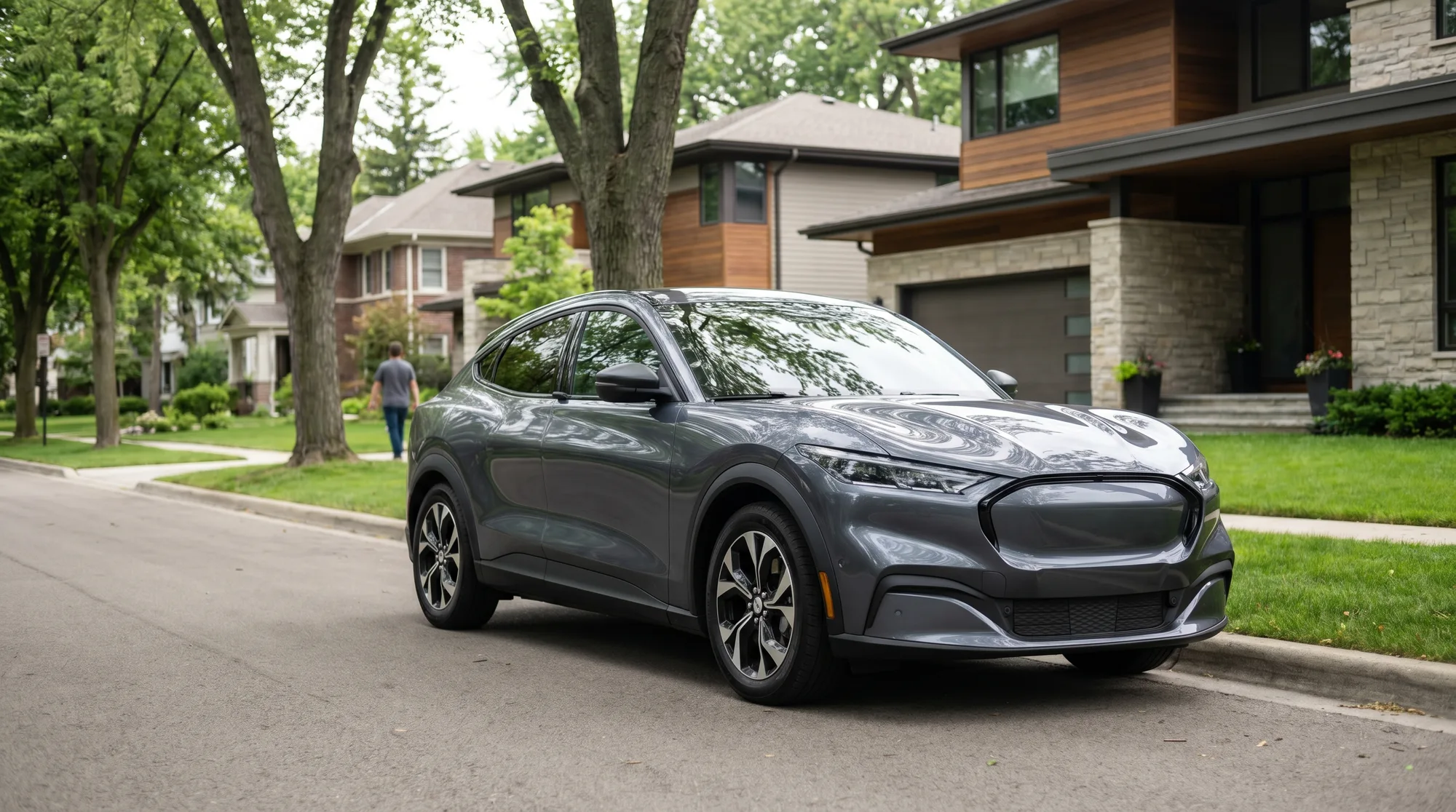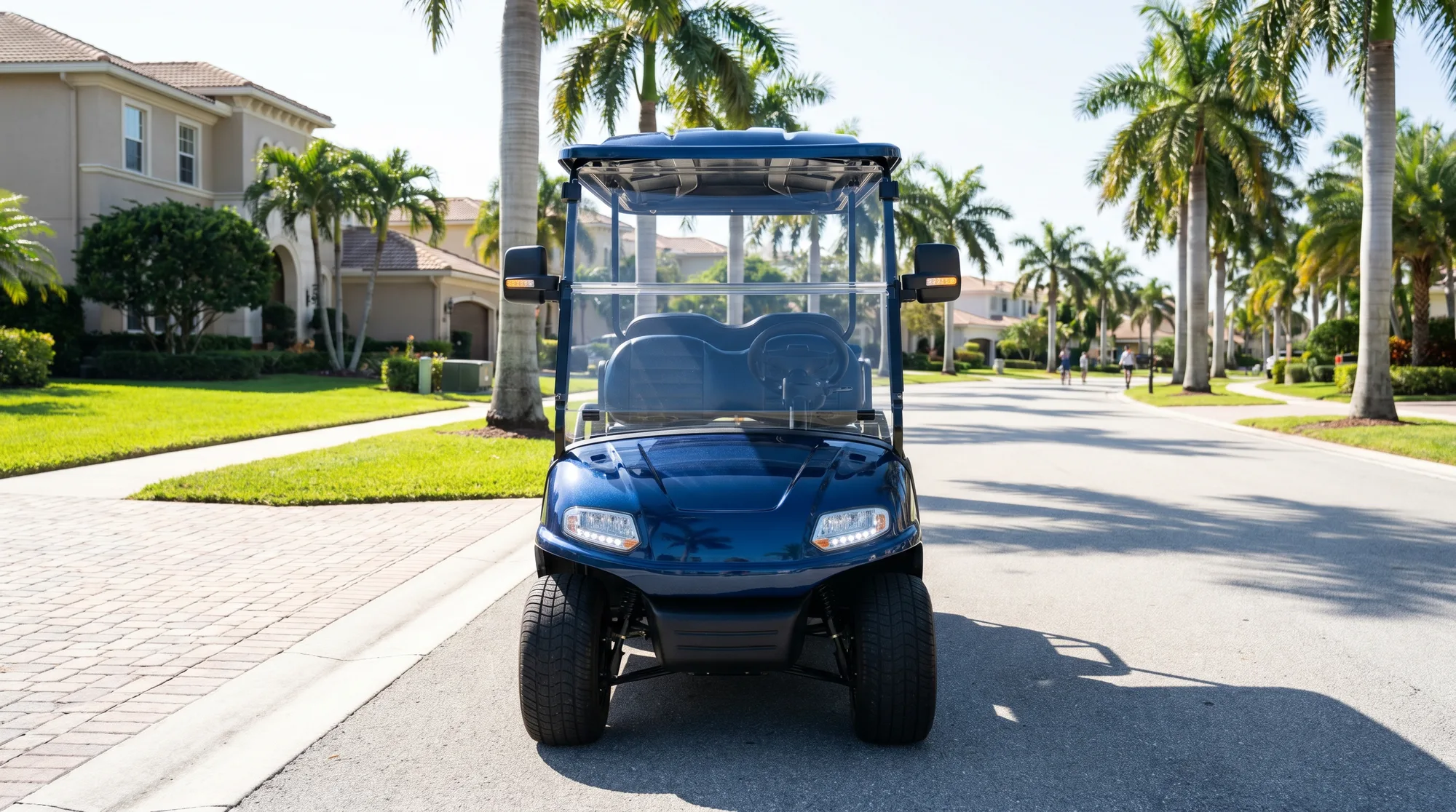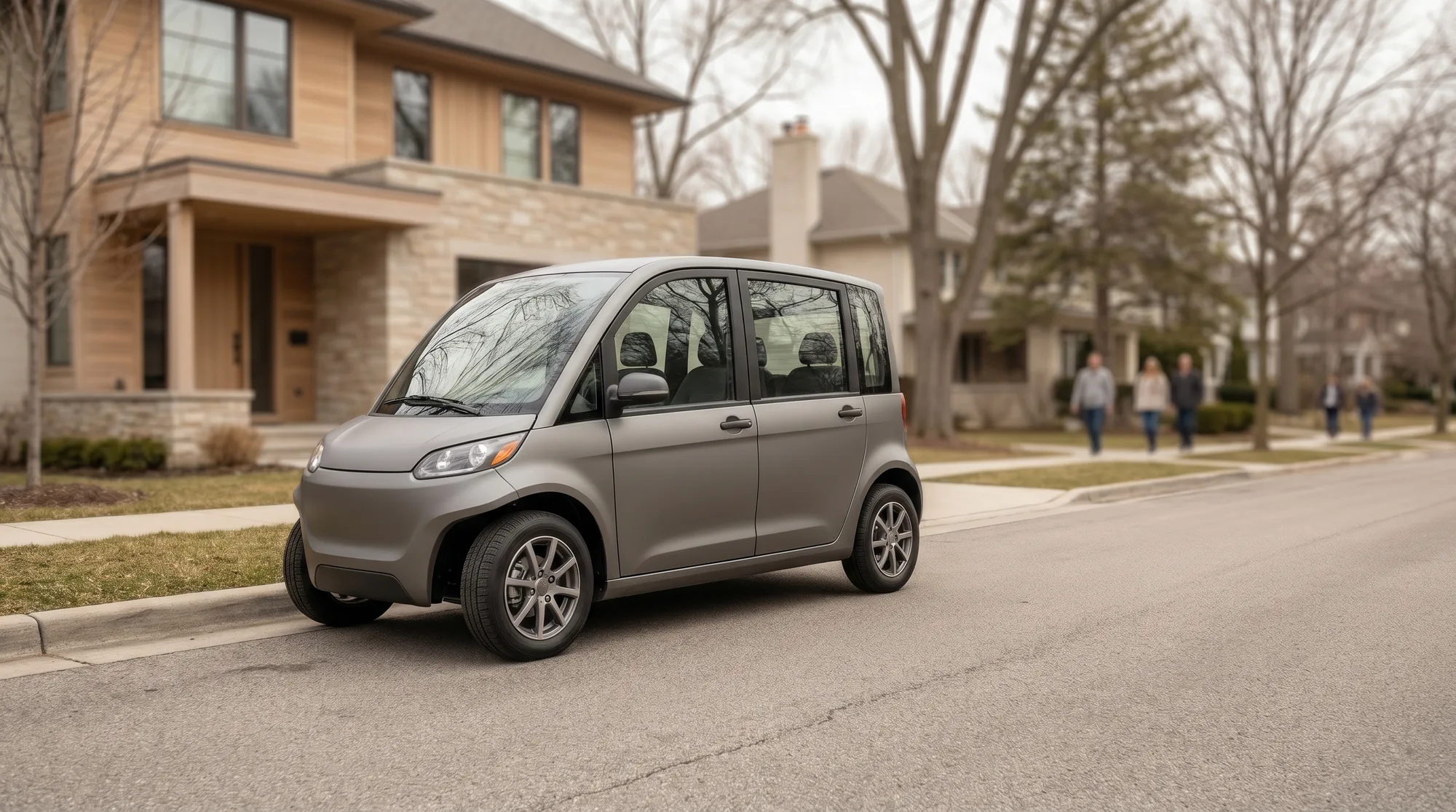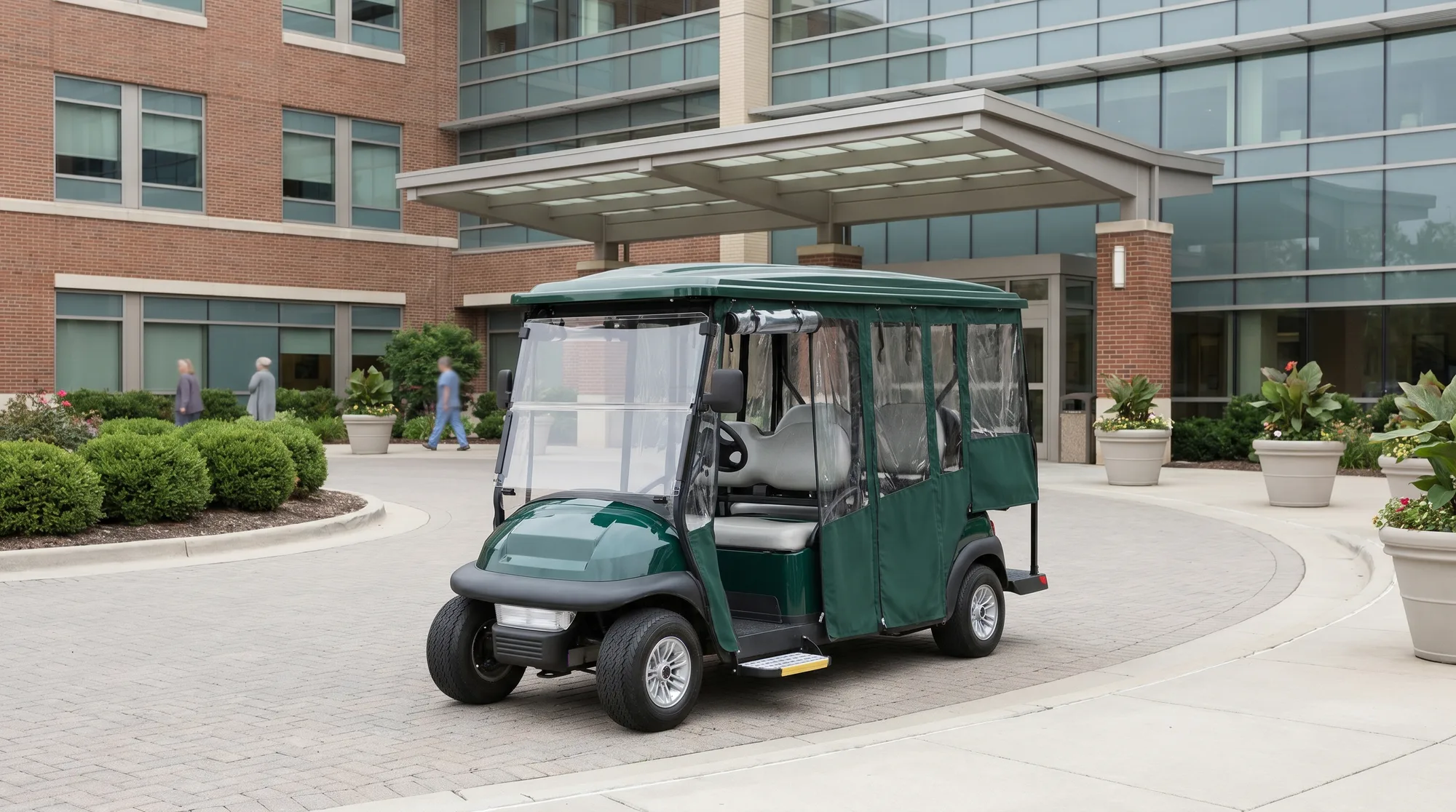
California has its own vocabulary for small electric vehicles, and it matters. The state uses golf cart, Low-Speed Vehicle and Neighborhood Electric Vehicle in specific ways, with NEV treated as the road-legal electric class. Compared with some sun-belt states, California is more structured about licensing, registration and where these vehicles may go. If you are buying or driving one in the Golden State, here is the framework that governs it.
California's classifications
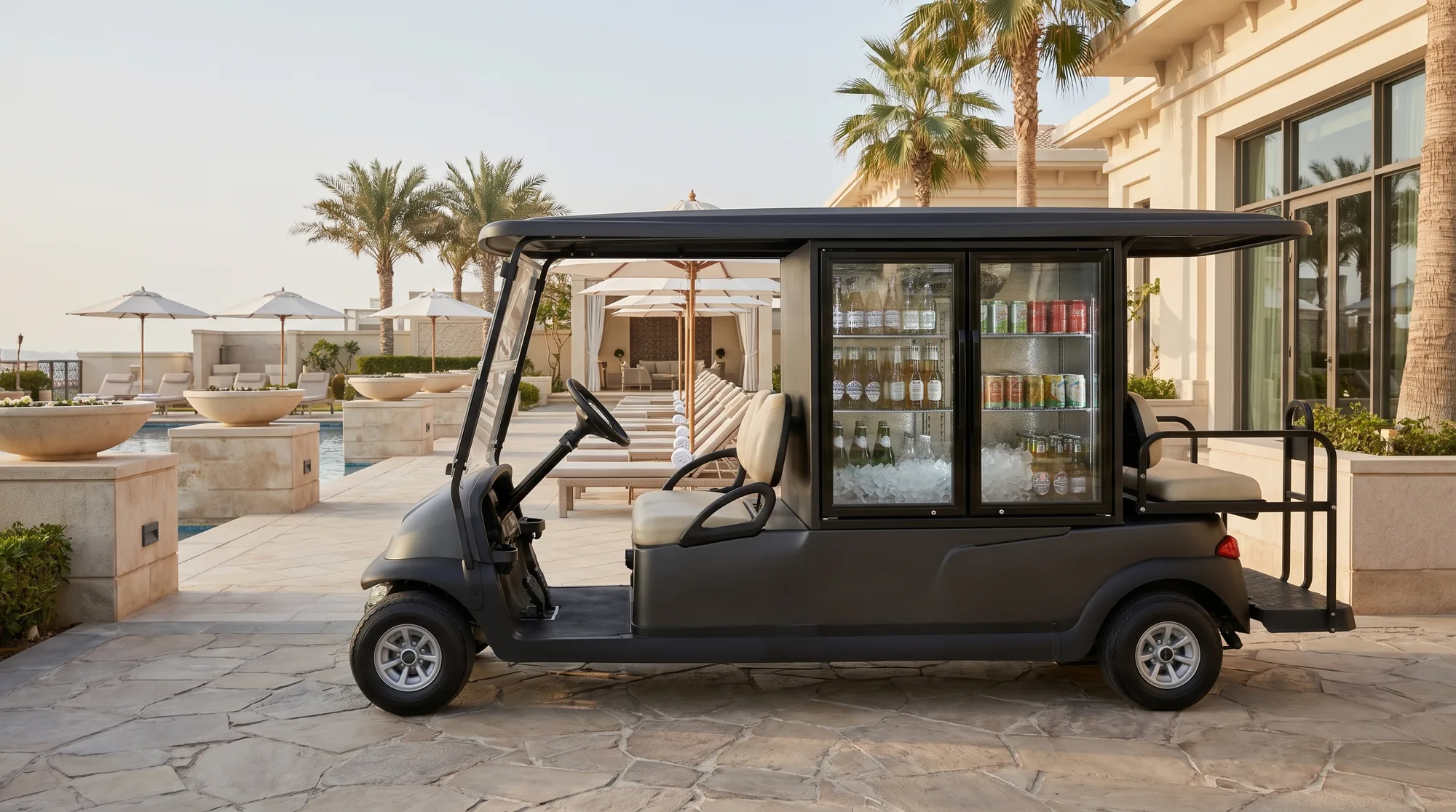
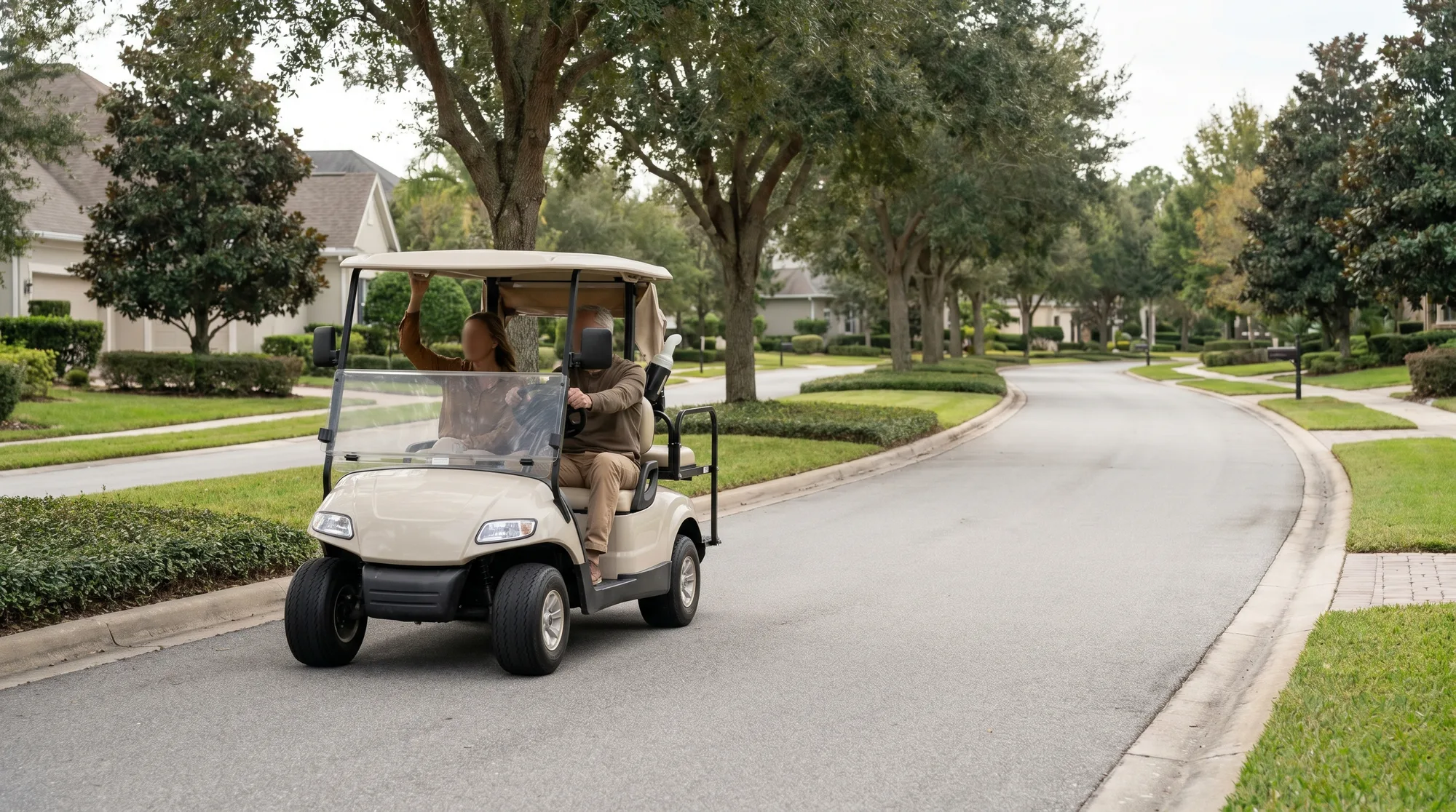
California distinguishes between a golf cart, which is a low-speed vehicle designed for golf and limited use, and a Low-Speed Vehicle or Neighborhood Electric Vehicle, which the state treats as a registrable, road-legal class. In California parlance, an NEV is the electric LSV, and it is what most people mean when they talk about driving a cart on public streets. The plain golf cart, by contrast, has far narrower road rights and generally cannot be registered for general road use.
Licensing, registration and insurance
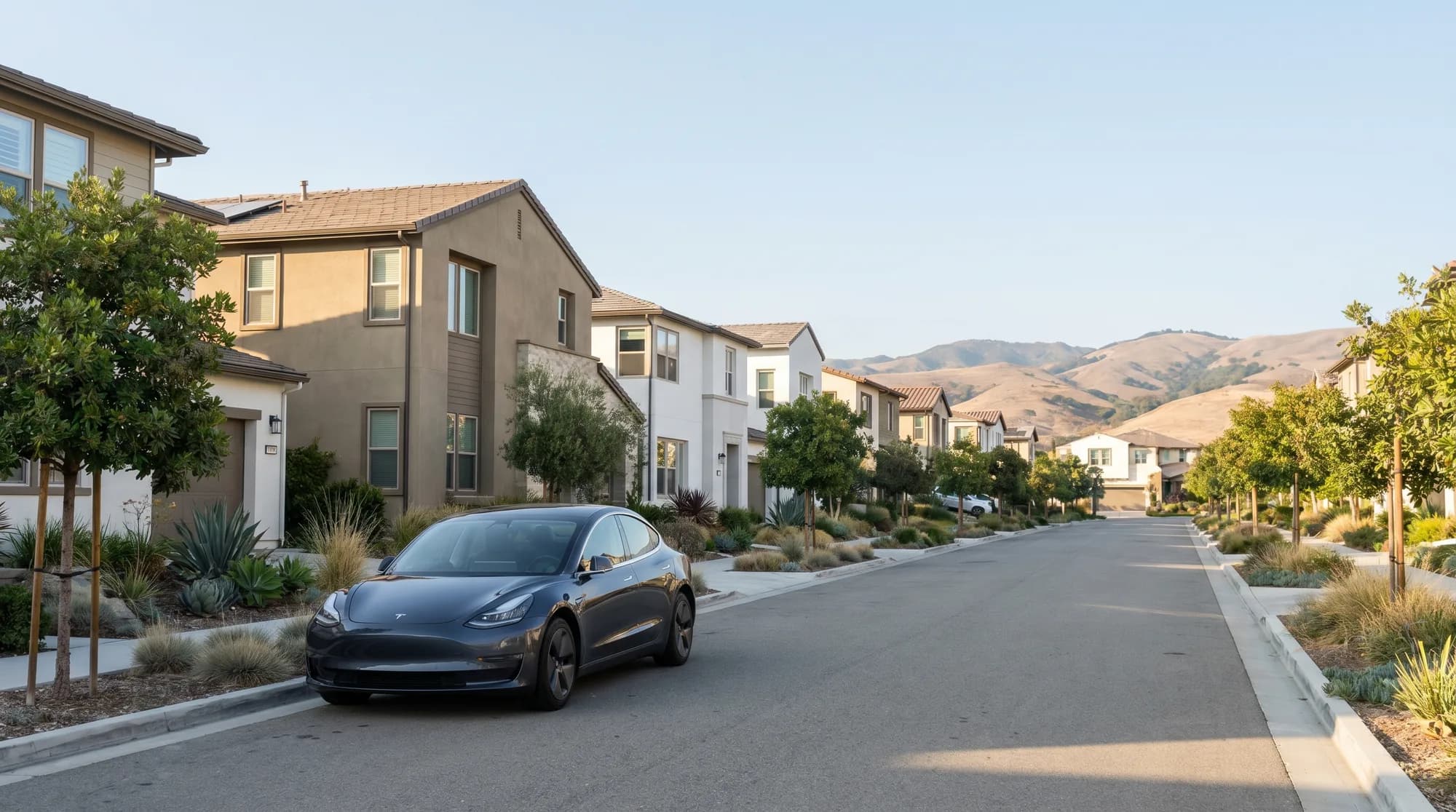
This is where California is firm. An LSV or NEV must be registered with the California DMV, must carry insurance meeting the state's financial-responsibility requirements, and must be operated by someone holding a valid California driver's license. There is no informal route: if the vehicle is going on public roads as an NEV, it is registered and insured like any other road vehicle, and the driver is licensed. The vehicle must also carry the full LSV safety equipment and a VIN.
Where you can drive
An LSV or NEV in California may generally be operated on highways with a posted speed limit of 35 mph or less. Crossing a road with a higher limit may be permitted at an intersection, but sustained driving on faster roads is not. A plain golf cart's road use is narrower still: golf courses, private property, and public streets only where a local ordinance specifically allows, typically near a golf course or within a designated cart-friendly zone. The contrast with the LSV/NEV class is the whole point of choosing correctly.
- Golf cart
- Low-speed (sub-20 mph)
- LSV / NEV
- 20-25 mph
- Golf cart
- Golf course, private property, roads only where allowed
- LSV / NEV
- Roads posted 35 mph or below
- Golf cart
- Not for general road use
- LSV / NEV
- Required
- Golf cart
- Not for general road use
- LSV / NEV
- Required
- Golf cart
- Per local rule
- LSV / NEV
- Valid California license required
- Golf cart
- Not required
- LSV / NEV
- Required
| Golf cart | LSV / NEV | |
|---|---|---|
| Top speed | Low-speed (sub-20 mph) | 20-25 mph |
| Where allowed | Golf course, private property, roads only where allowed | Roads posted 35 mph or below |
| DMV registration | Not for general road use | Required |
| Insurance | Not for general road use | Required |
| Driver license | Per local rule | Valid California license required |
| Safety equipment + VIN | Not required | Required |
Buying for California use
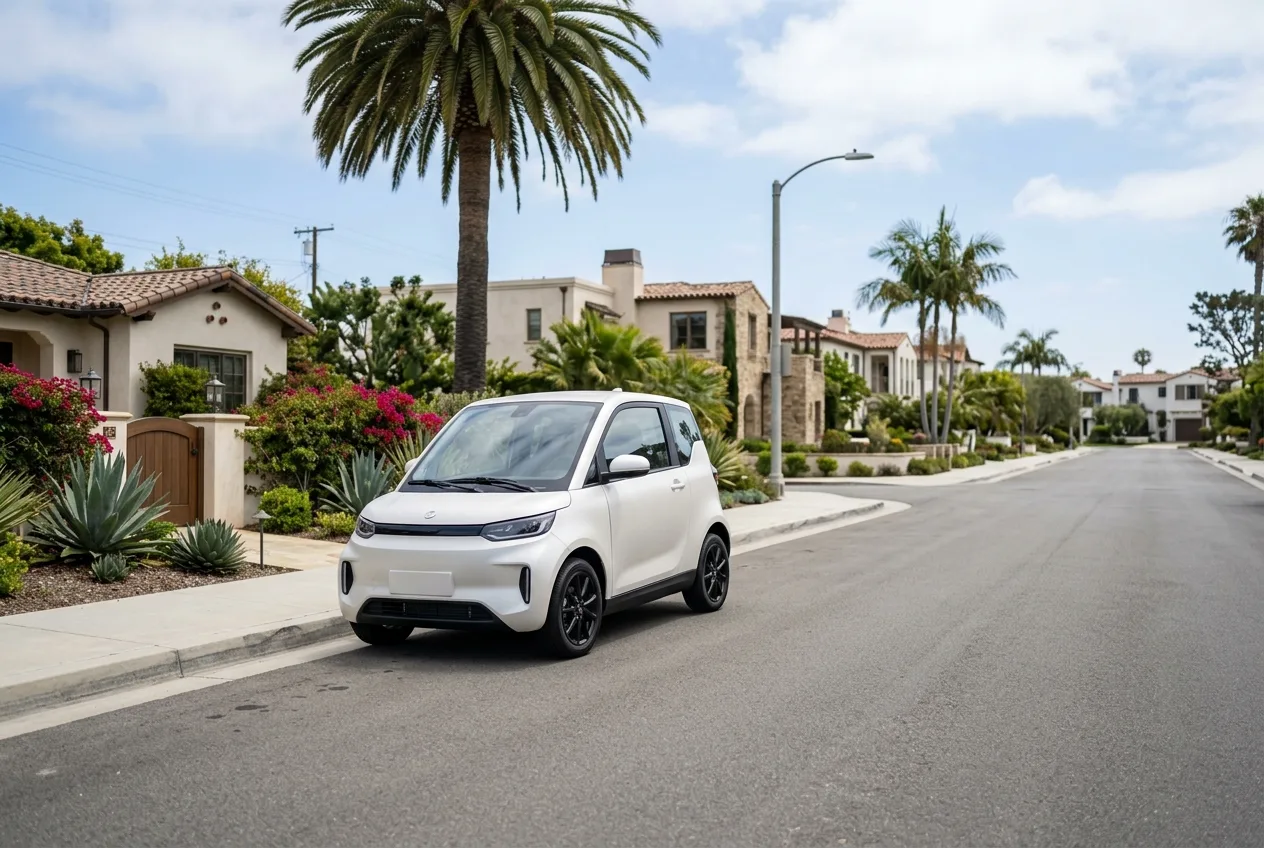
If you plan to drive on public roads in California, buy an LSV/NEV built to the standard, then register and insure it. Trying to use a plain golf cart on the road outside a permitted zone is a quick way to a citation. For the choice between classes see golf cart vs LSV and LSV vs NEV vs golf cart, and for the national rules see street-legal golf carts and LSV rules.
Registration and cover
California's DMV process for an NEV follows the usual road-vehicle pattern; registering and titling a golf cart or LSV covers the documents and steps, and golf cart insurance covers what cover to buy. If you are upgrading a cart rather than buying an NEV, how to make a golf cart street legal explains what is realistic. Rules vary by city and county, so always confirm with your local authorities and the California DMV.
Going road-legal in California?
Tell us your city and routes and we will quote an LSV/NEV that meets California's registration and equipment rules.
Frequently asked questions
Do I need a license to drive an NEV in California?+
Yes. An LSV or NEV on public roads must be driven by someone holding a valid California driver's license, and the vehicle must be registered and insured.
Where can I drive an NEV in California?+
Generally on roads posted at 35 mph or less. Crossing a faster road at an intersection may be allowed, but sustained driving on higher-speed roads is not.
Can I drive a plain golf cart on California streets?+
Only on golf courses, private property, and public roads where a local ordinance specifically allows it, typically near a golf course or within a designated zone. Otherwise you need an LSV/NEV.
Does an NEV need to be registered in California?+
Yes. An LSV/NEV must be registered with the California DMV, carry insurance, have a VIN and the full LSV safety equipment, and be driven by a licensed driver.
Are the rules the same across California?+
No. Some cities and planned communities have their own NEV transportation plans and lanes, so local rules and infrastructure vary. Confirm with your local authorities and the California DMV.
Related solutions
Ready to explore what we build?
See the vehicles and the setting this applies to, or get a tailored quote built around your site.
Ready to find the right buggy?
Tell us how and where it will work and we will specify a vehicle and a tailored quote built around you. Every build comes with a 3-year warranty and a 24-hour priority call-out.