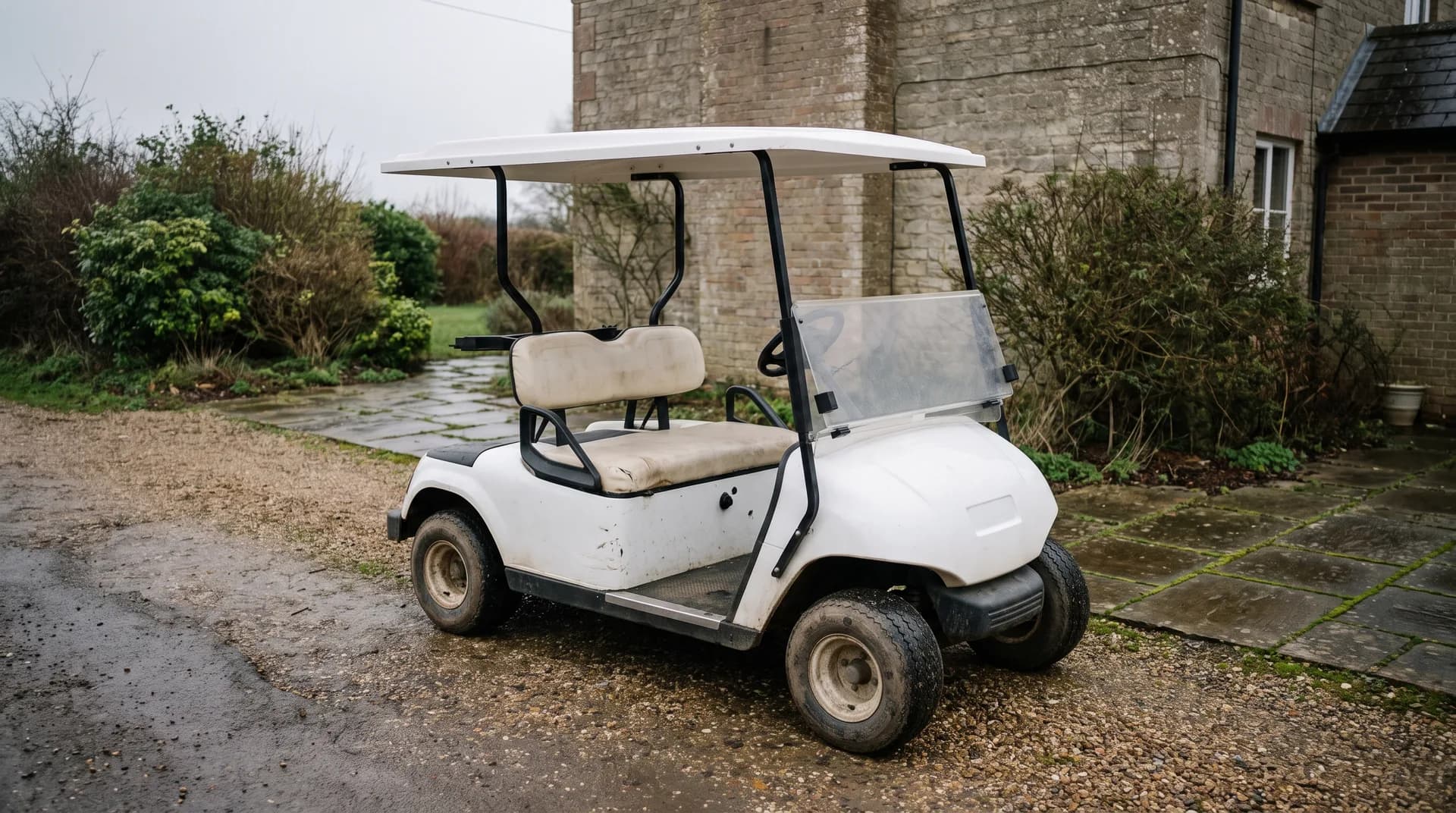
Selling a golf cart is unusual in that the single most valuable thing you can do costs almost nothing, and the things sellers instinctively spend money on move the price least. Buyers in this market are pricing uncertainty, and most of the uncertainty is in one component. Remove it and your vehicle becomes worth more than the identical one advertised next to it.
- Evidence of battery health lifts your price more than any cosmetic work.
- Buyers discount heavily for unknowns, so every fact you can prove is money.
- Photographs of date codes and the underside pre-qualify serious buyers.
- Trade-in is quicker and lower; a private sale is slower and higher.
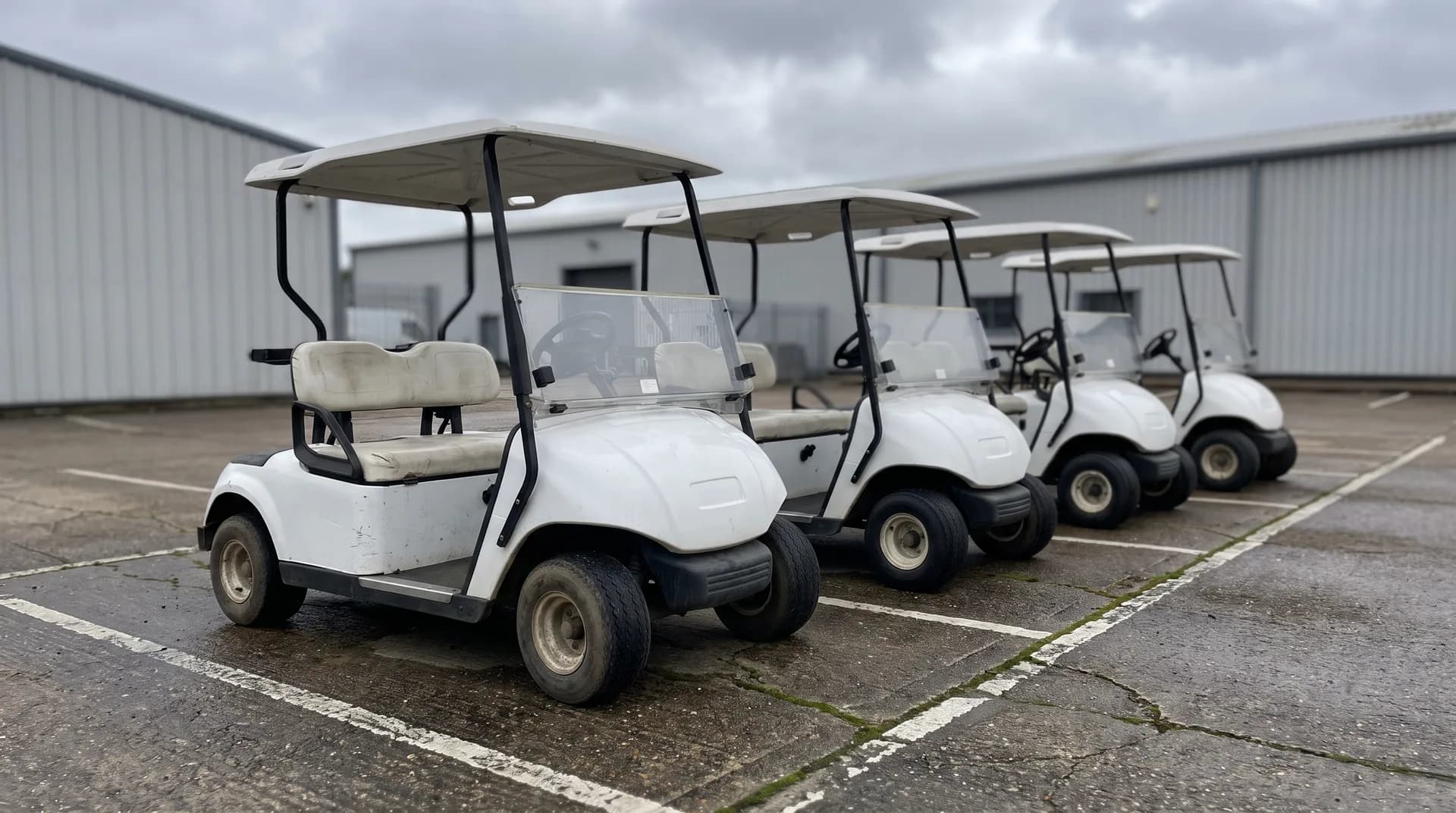
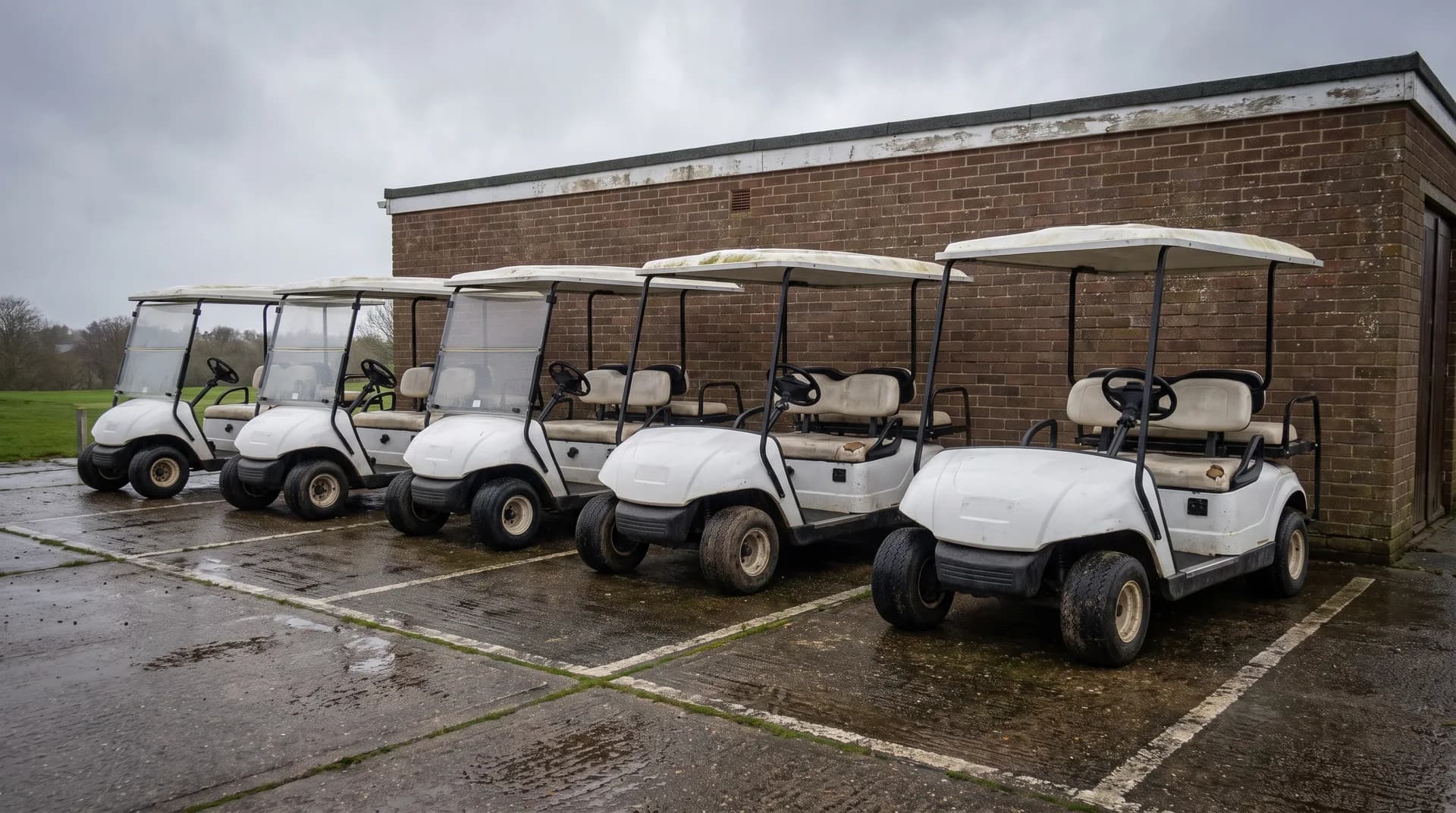
- Fleets and matched sets are worth selling together rather than individually.
What buyers are actually paying for
A used golf cart buyer is trying to work out one thing above all: how soon will this need a battery pack. Everything else, the paint, the seats, the canopy, is secondary and, crucially, cheap for them to put right. That means the value you can add before selling is not in presentation but in proof. A measured state of health, a documented installation date, a charger that visibly completes its cycle, and a service record between them remove most of the reason a buyer has to discount you.
- Effect on price
- Large
- Cost to you
- Very low
- Effect on price
- Large
- Cost to you
- High, but usually recovered
- Effect on price
- Moderate
- Cost to you
- None if you already have them
- Effect on price
- Moderate
- Cost to you
- Low to moderate
- Effect on price
- Moderate
- Cost to you
- Very low
- Effect on price
- Small
- Cost to you
- Low
- Effect on price
- Small relative to cost
- Cost to you
- High
| Effect on price | Cost to you | |
|---|---|---|
| Documented battery health and date | Large | Very low |
| Recent pack replacement | Large | High, but usually recovered |
| Service records | Moderate | None if you already have them |
| New tires and adjusted brakes | Moderate | Low to moderate |
| Clean, complete, with the right charger | Moderate | Very low |
| New seat covers and decals | Small | Low |
| Full respray | Small relative to cost | High |
Prepare the evidence, not just the vehicle
- Photographs of the battery date codes, clearly legible
- The pack's installation date and, if you have it, a measured state of health
- Any service records, receipts or invoices, however incomplete
- The original charger, and a photograph of it completing a charge cycle
- Hour meter reading if fitted, photographed rather than quoted
- Clear photographs of the underside, battery tray and any damage you know about
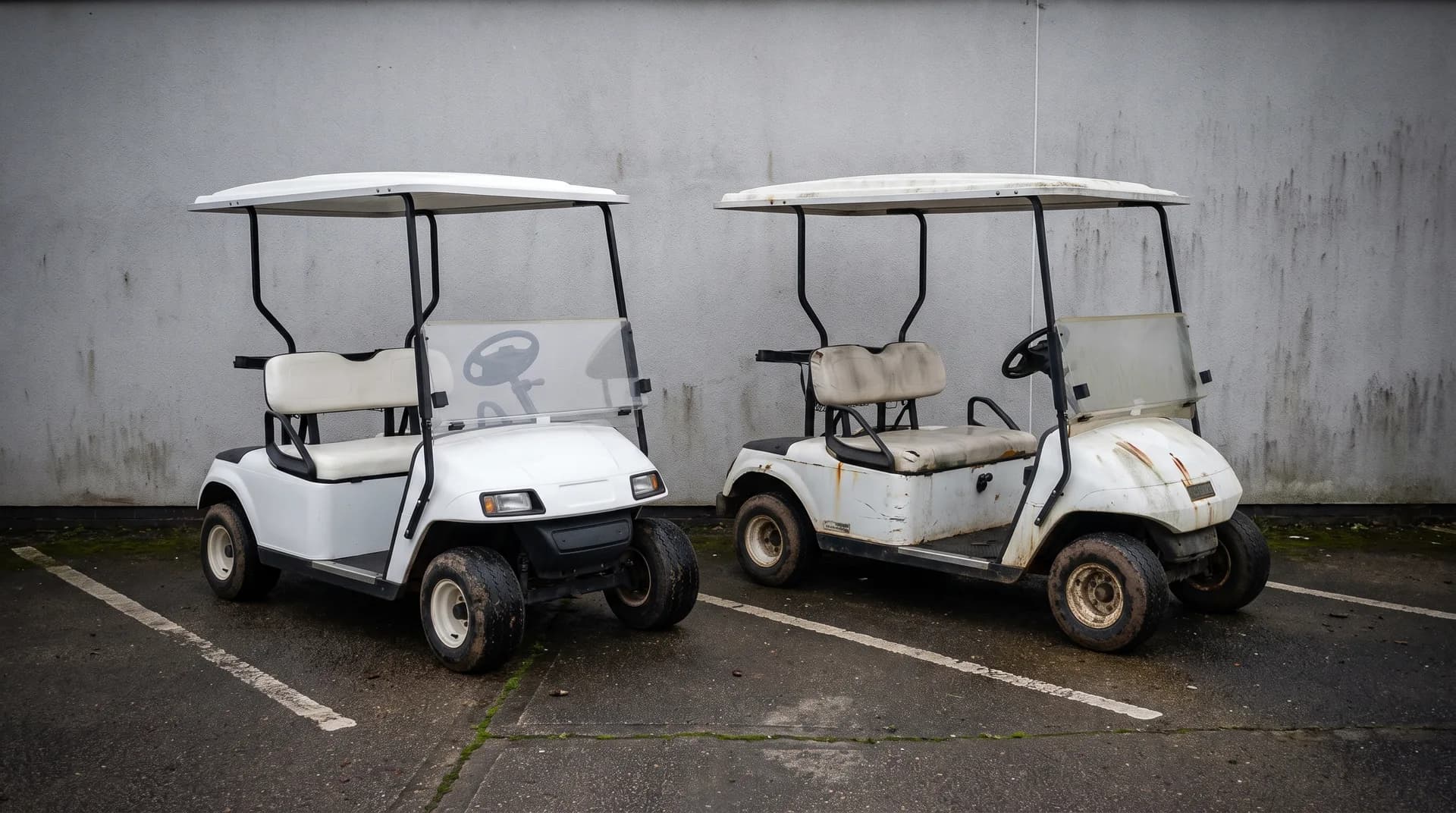
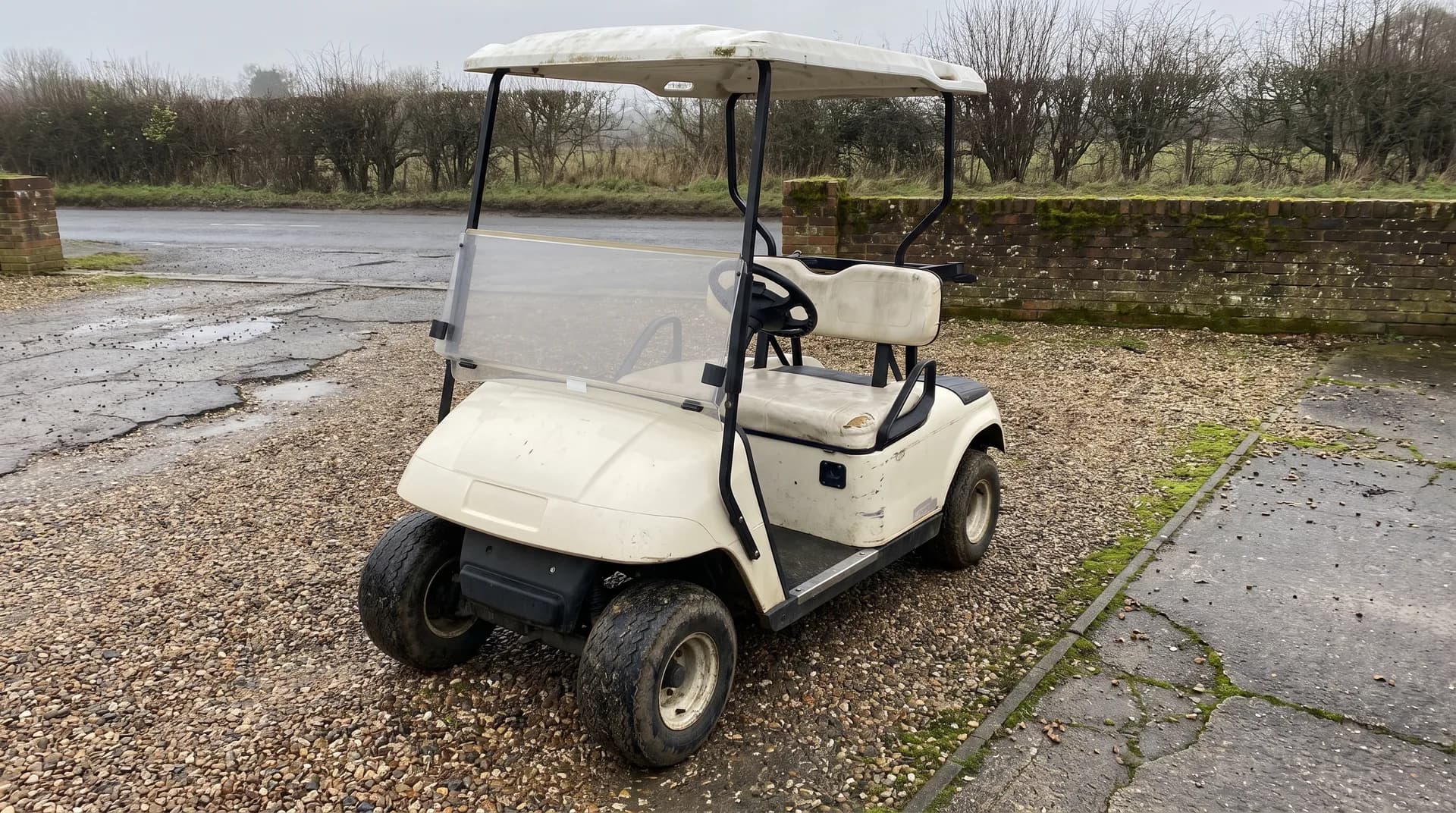
Photographing the damage you know about sounds counterproductive and is not. Buyers assume the worst about anything not shown, and a seller who volunteers a scuffed panel and a worn seat reads as honest about everything else, which is precisely the impression that stops people discounting. It also filters out buyers who would have travelled, seen it and walked away, which saves everyone a day.
Where to sell, and what each costs you
Selling privately gets the highest price and takes the longest, involves showing the vehicle to strangers, and leaves you exposed to a buyer later claiming it was misdescribed, which is why an honest advert protects you as much as it sells the cart. Trade sale or part-exchange is quicker and lower, and the discount is the dealer taking on the resale risk and the preparation work. Auction is quickest of all and lowest, and is generally only sensible for vehicles you want gone or that need work you do not want to do. For a single tidy vehicle with good evidence, private usually rewards the effort. For a tired one, or several at once, trade is normally the better use of your time.
Timing
Demand for golf carts is seasonal in a fairly predictable way. Interest builds through late winter and spring as clubs, estates, venues and event operators plan for the season, and thins through the autumn. A vehicle advertised in February generally sells faster and closer to the asking price than the same vehicle in October. If you are not in a hurry, that timing is worth more than most of the preparation you could do. If you are in a hurry in the wrong season, price accordingly rather than waiting for a buyer who is not looking.
Getting a figure to start from
Comparing your cart with current adverts is the obvious method and the least reliable one, because asking prices in a thin market reflect hope as much as value, and you cannot see what any of them actually sold for. Build the number instead: what an equivalent new vehicle costs, less age and hours, less any work due, with the battery treated as its own line. Our guide to used golf cart prices walks through that method, and our valuation tool will give you an indicative range from the vehicle's details if you would rather start with a figure and work back.
Frequently asked questions
How much is my used golf cart worth?+
It depends far more on battery condition than on age or appearance. Build the figure from the equivalent new price, deduct for age, hours and any work due, and treat the pack as its own line item with a value that reflects its remaining life.
What adds most value before selling a golf cart?+
Evidence rather than cosmetics. A documented battery installation date and measured state of health, plus service records and the correct charger, lift the price far more than new seat covers or a respray.
Is it better to sell a golf cart privately or trade it in?+
Privately gets more and takes longer, and exposes you to a later dispute if the advert overstates anything. Trade or part-exchange is quicker and lower because the dealer takes on the preparation and resale risk.
When is the best time to sell a golf cart?+
Late winter and spring, as clubs, estates and event operators plan for the season. Autumn is consistently slower, so a vehicle sold then usually needs to be priced to move rather than advertised and waited on.
Should I replace the batteries before selling?+
Sometimes. A new pack usually adds close to its cost in value because it removes the buyer's main uncertainty, but it ties up money and only pays back on a vehicle that is otherwise sound. On a tired cart, sell it as it is and price honestly.
Find out what yours is worth
Give us the details and we will give you an honest indicative figure, and tell you whether preparing it further would pay for itself. We also buy and part-exchange.
Related solutions
Ready to explore what we build?
See the vehicles and the setting this applies to, or get a tailored quote built around your site.

Ready to find the right golf cart?
Tell us how and where it will work and we will specify a vehicle and a tailored quote built around you. Every build comes with a 3-year warranty and a 24-hour priority call-out.
Our guides are written and reviewed by the Hawke Electric Vehicles team, the people who specify, build, deliver and support the vehicles. We focus on honest, practical advice and flag where a figure depends on the build rather than guessing.
More guides by Hawke