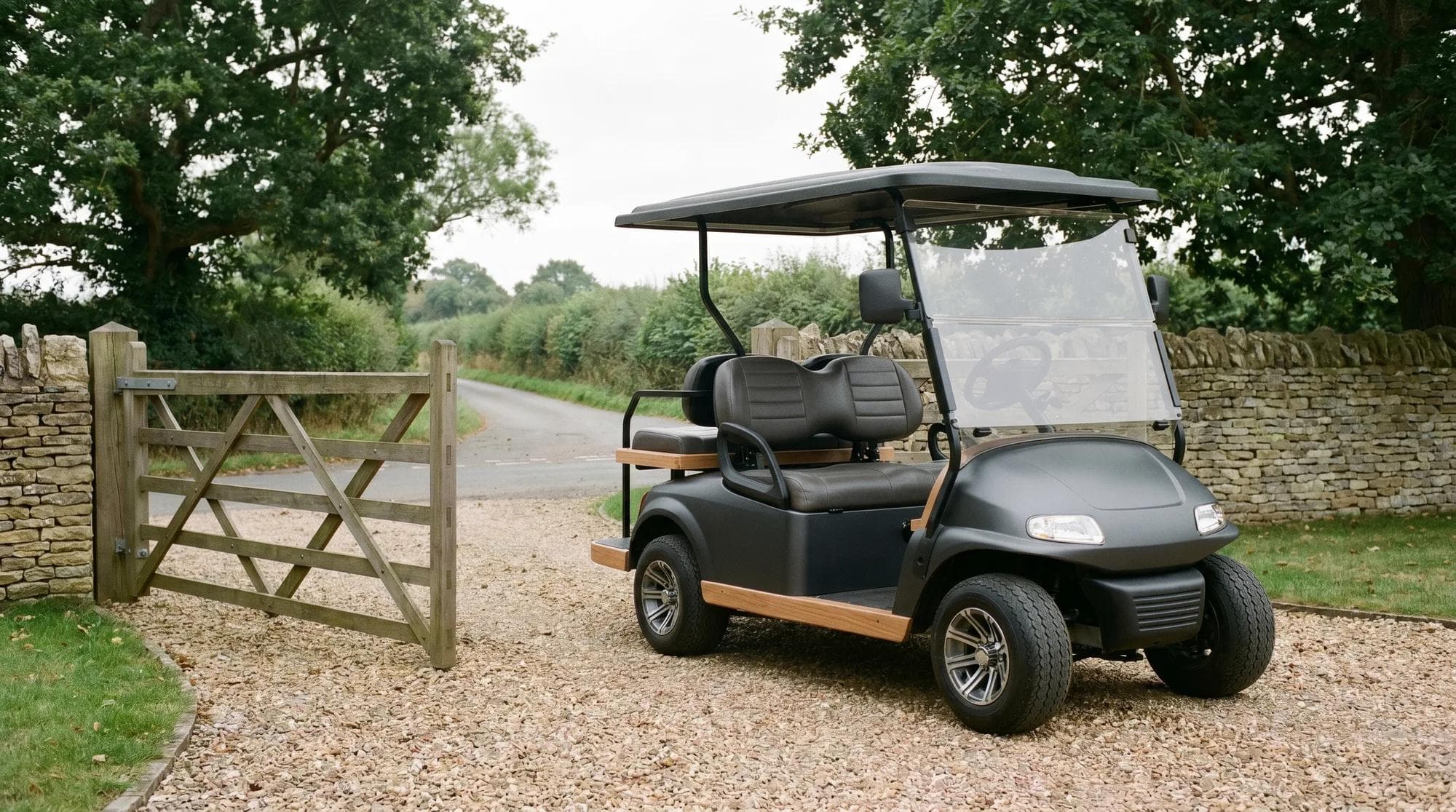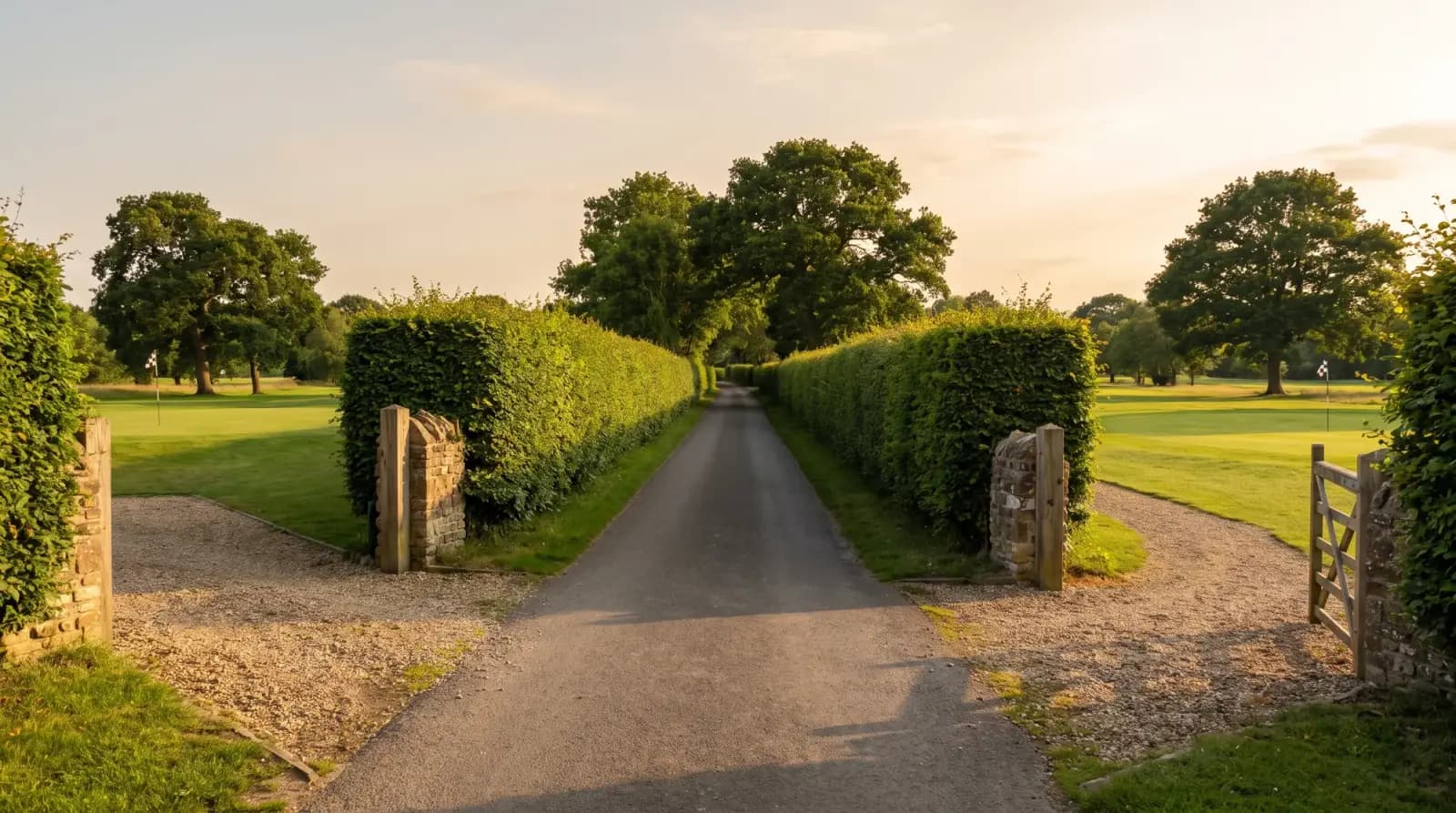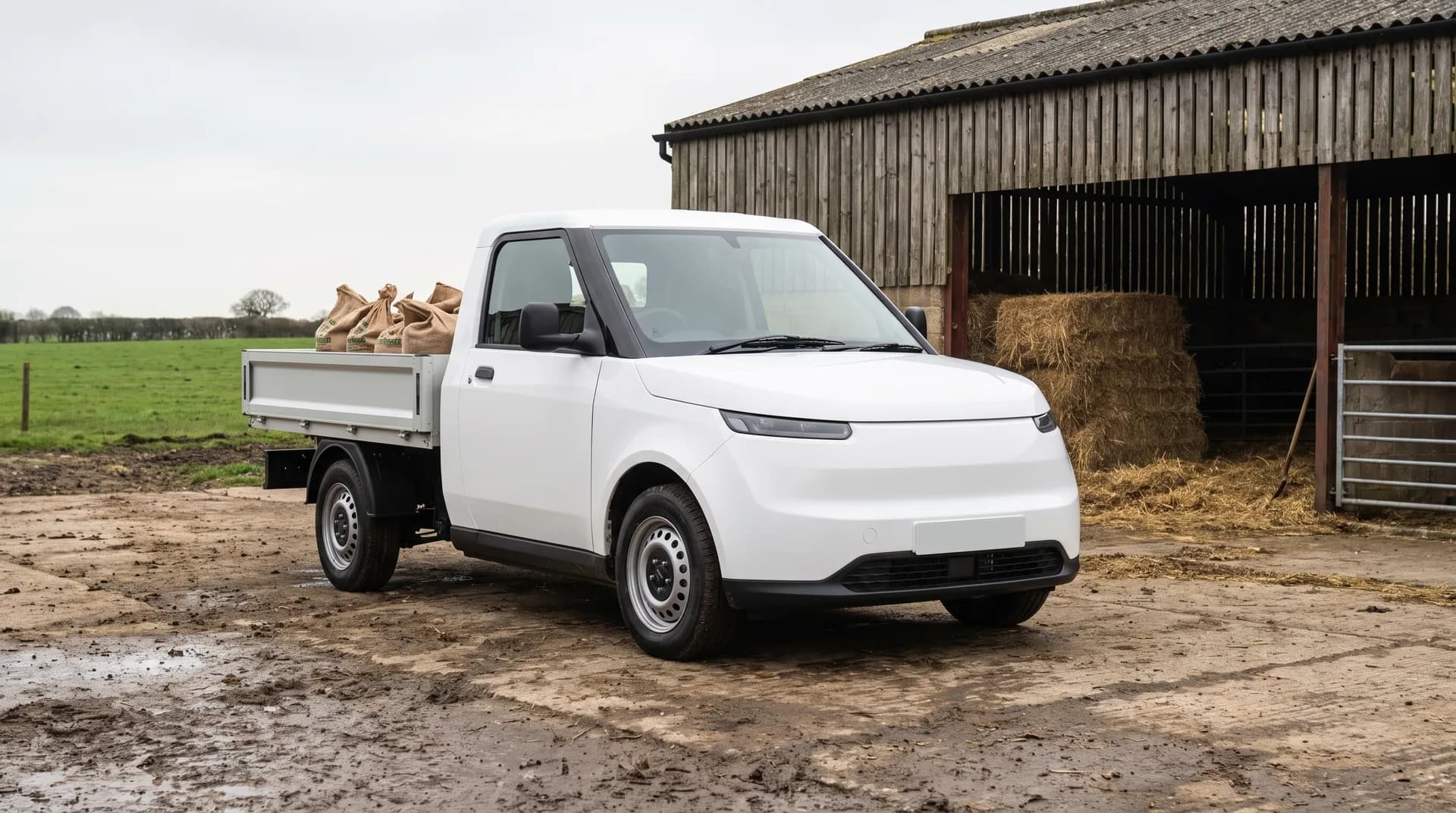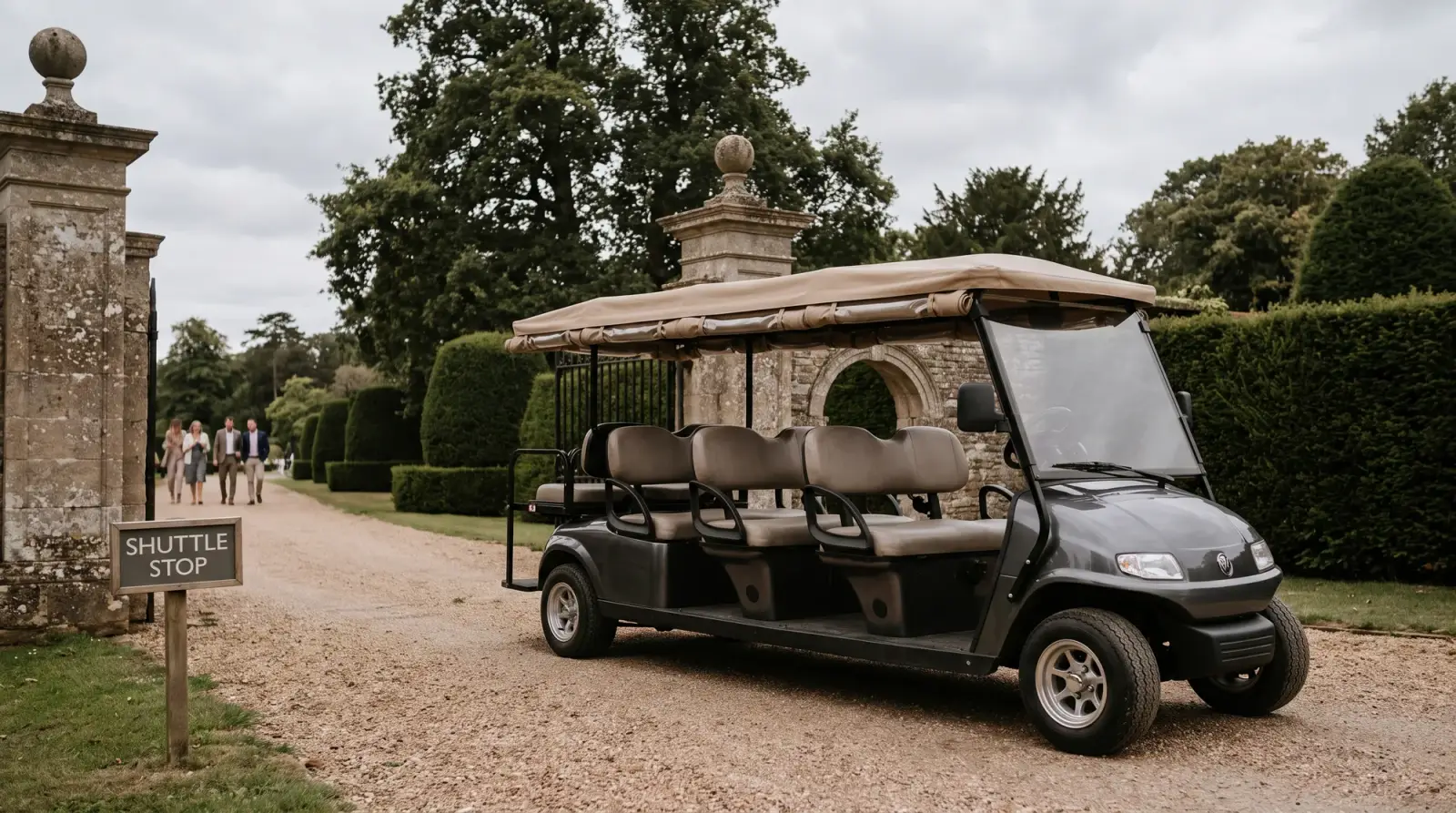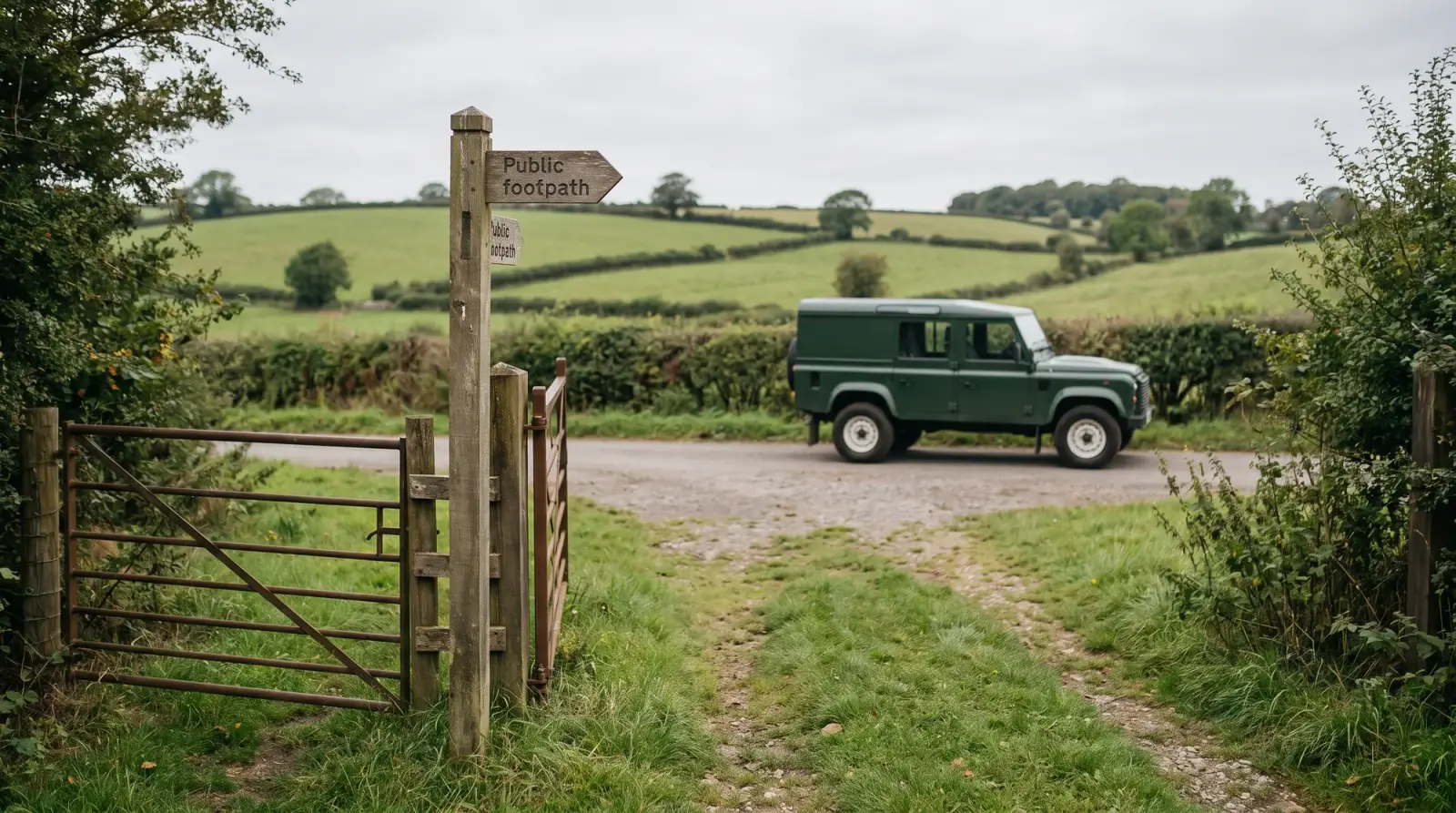
No, you can't drive a golf cart along a public footpath or bridleway, unless you have lawful authority to be there. Driving a mechanically propelled vehicle on a footpath, bridleway or restricted byway is an offence under section 34 of the Road Traffic Act 1988, and an electric cart is squarely a mechanically propelled vehicle.
The exception matters enormously if you own land, though. Where a public right of way crosses private ground, the landowner (and anyone with the landowner's permission) generally retains the private right to drive on their own land, because the public's footpath rights sit on top of the owner's existing rights rather than replacing them. So the farmer whose cart trundles along a field-edge path isn't breaking the law, while a rambler who brought a cart to the same path would be. This guide untangles who may drive what, where.
- Section 34 of the Road Traffic Act 1988 makes it an offence to drive a mechanically propelled vehicle on a footpath, bridleway or restricted byway without lawful authority.
- Landowners, and people with their permission, can generally drive on their own land even where a public path crosses it, because private rights persist.
- Pavements beside roads are covered by different law (section 72 of the Highways Act 1835) and are off-limits to golf carts.
- Class 2 and 3 mobility vehicles have special pavement and path rights at 4mph that golf carts do not share.
- Byways open to all traffic (BOATs) are the one category of green lane where motor vehicles are allowed.
What does section 34 actually say?
Section 34 makes it an offence, without lawful authority, to drive a mechanically propelled vehicle on a road being a footpath, bridleway or restricted byway, or on any land not forming part of a road. Two things follow. First, the offence isn't about engines or speed; a silent electric cart commits it just as surely as a 4x4. Second, the phrase "without lawful authority" is where all the interesting cases live.
Lawful authority includes the landowner's own rights. A public footpath gives the public a right to pass on foot, and nothing more, but it doesn't extinguish what the owner could already do on their own ground. That's why an estate can run golf carts along a track that doubles as a footpath, and why gamekeepers, greenkeepers and farm staff drive paths every day without a second thought. There's also a statutory defence for driving within 15 yards of a road onto land to park, though that's aimed at cars pulling off the highway rather than golf carts. If your cart use strays near actual roads, read our guide on whether you can drive a golf cart on the road first.
Footpath, bridleway, byway: what's allowed where?
England and Wales grade their rights of way, and the grade decides who can use them. The categories trip people up constantly, so here they are in one table.
- Public may use it by
- Foot only
- Golf cart allowed?
- No, unless you're the landowner or have their permission on their land
- Public may use it by
- Foot, horse, bicycle
- Golf cart allowed?
- No, same landowner exception
- Public may use it by
- Foot, horse, cycle, horse-drawn vehicles
- Golf cart allowed?
- No motor vehicles, same exception
- Public may use it by
- All traffic including motor vehicles
- Golf cart allowed?
- Yes in principle, but the cart must then meet road-vehicle rules
- Public may use it by
- Foot; Class 2/3 mobility vehicles at 4mph
- Golf cart allowed?
- No, s.72 Highways Act 1835 applies
| Public may use it by | Golf cart allowed? | |
|---|---|---|
| Public footpath | Foot only | No, unless you're the landowner or have their permission on their land |
| Bridleway | Foot, horse, bicycle | No, same landowner exception |
| Restricted byway | Foot, horse, cycle, horse-drawn vehicles | No motor vehicles, same exception |
| Byway open to all traffic (BOAT) | All traffic including motor vehicles | Yes in principle, but the cart must then meet road-vehicle rules |
| Pavement beside a road | Foot; Class 2/3 mobility vehicles at 4mph | No, s.72 Highways Act 1835 applies |
The BOAT row deserves a caveat. Because a byway open to all traffic carries public vehicular rights, it's treated as a road, which drags in licensing, insurance and vehicle standards. A standard cart isn't road legal by default, as we explain in are golf carts road legal in the UK, so in practice BOATs are for registered vehicles, not fleet golf carts.
Pavements are a different law entirely
People assume pavements and footpaths are the same thing in law. They aren't. A pavement running alongside a carriageway is a footway, and driving on it is prohibited by section 72 of the Highways Act 1835, a splendidly elderly statute that still does daily service. There's no landowner exception to help you there, because the highway authority controls the highway. If your land fronts a road and you want to move a cart 200 metres to another gate, the pavement isn't the answer.
What should landowners with public paths actually do?
Carry on farming, keeping and managing, but do it thoughtfully. Your private right to drive your own land coexists with the public's right to walk it, so the practical duty is to avoid endangering or obstructing walkers. Slow right down at blind field corners. Give horses on bridleways a wide, unhurried berth. Keep gateways passable. If you employ staff or contractors who drive golf carts across walked routes, put it in the risk assessment, because a collision with a member of the public on a right of way would raise exactly the liability questions no estate wants.
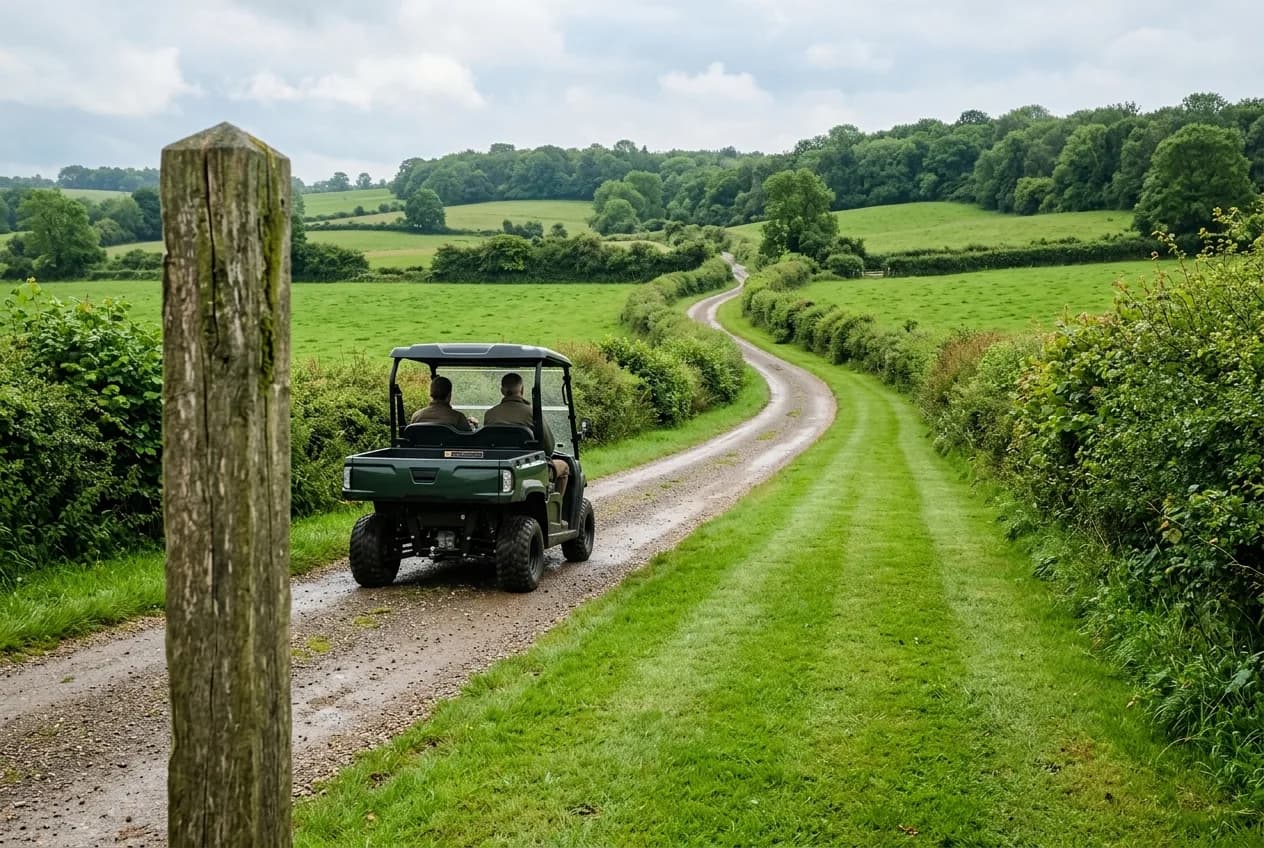
Golf courses crossed by rights of way face the same pattern in miniature. The club can route golf carts across its own land freely, but walkers on the path have priority in the sense that the club mustn't endanger them, and marshalling busy crossings on medal days is cheap insurance. Estates and farms running utility golf carts day in, day out might find our guide to electric golf carts for farms and agriculture useful for the operational side.
Frequently asked questions
Is it illegal to drive a golf cart on a public footpath?+
For the general public, yes. Section 34 of the Road Traffic Act 1988 makes driving a mechanically propelled vehicle on a footpath, bridleway or restricted byway an offence unless you have lawful authority.
Can a landowner drive a cart on a footpath crossing their land?+
Generally yes. The public's right is limited to passing on foot; the landowner's private rights over their own land persist, so the owner and those with their permission can normally drive there.
Can mobility golf carts use pavements?+
Class 2 and 3 invalid carriages can, at up to 4mph, under their own statutory rules. Golf carts aren't invalid carriages and have no pavement rights at all.
Can you use a golf cart on a bridleway?+
Not as a member of the public; bridleways carry rights on foot, horseback and bicycle only. On your own land crossed by a bridleway, the landowner exception applies as it does for footpaths.
What is the 4mph rule?+
It's the speed limit for Class 2 mobility vehicles, and for Class 3 vehicles when they're on pavements. It comes from the invalid carriage regulations and applies only to those vehicles, not to golf or utility golf carts.
If you're a landowner, map where your cart routes and public paths overlap, then write two lines of policy: slow to walking pace within sight of path users, and never drive the village pavement, ever. That's the whole legal exposure managed. And if you're buying a machine for estate work, choose one built for tracks and grass rather than tarmac; the right tool makes the temptation to shortcut along the road disappear.
Golf Carts built for estates, farms and courses
From quiet single-seaters to utility models with proper load beds, the Hawke range is designed for private land work, with bespoke colors and a 3-year warranty.
Related solutions
Ready to explore what we build?
See the vehicles and the setting this applies to, or get a tailored quote built around your site.
Ready to find the right golf cart?
Tell us how and where it will work and we will specify a vehicle and a tailored quote built around you. Every build comes with a 3-year warranty and a 24-hour priority call-out.
Our guides are written and reviewed by the Hawke Electric Vehicles team, the people who specify, build, deliver and support the vehicles. We focus on honest, practical advice and flag where a figure depends on the build rather than guessing.
More guides by Hawke