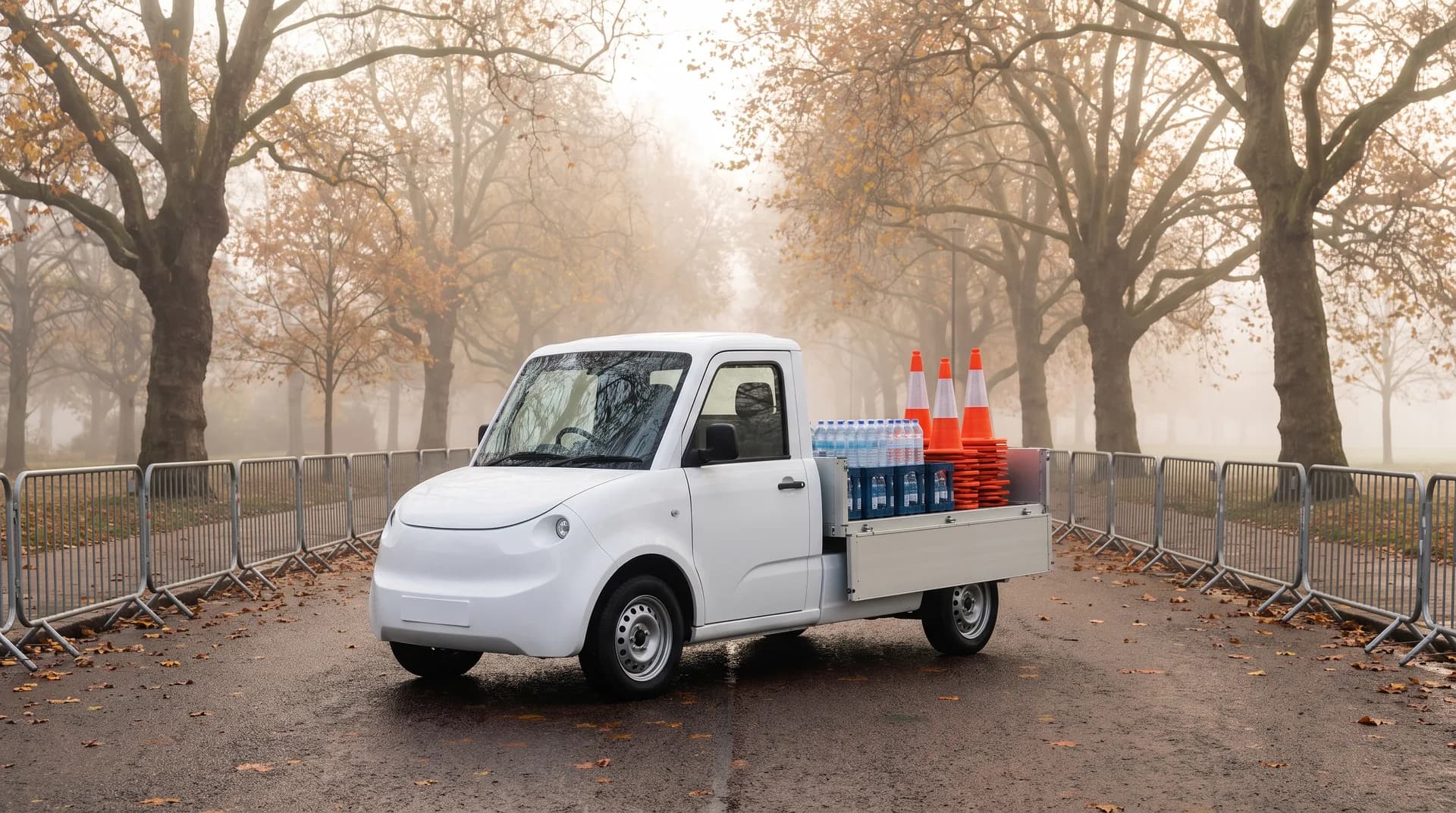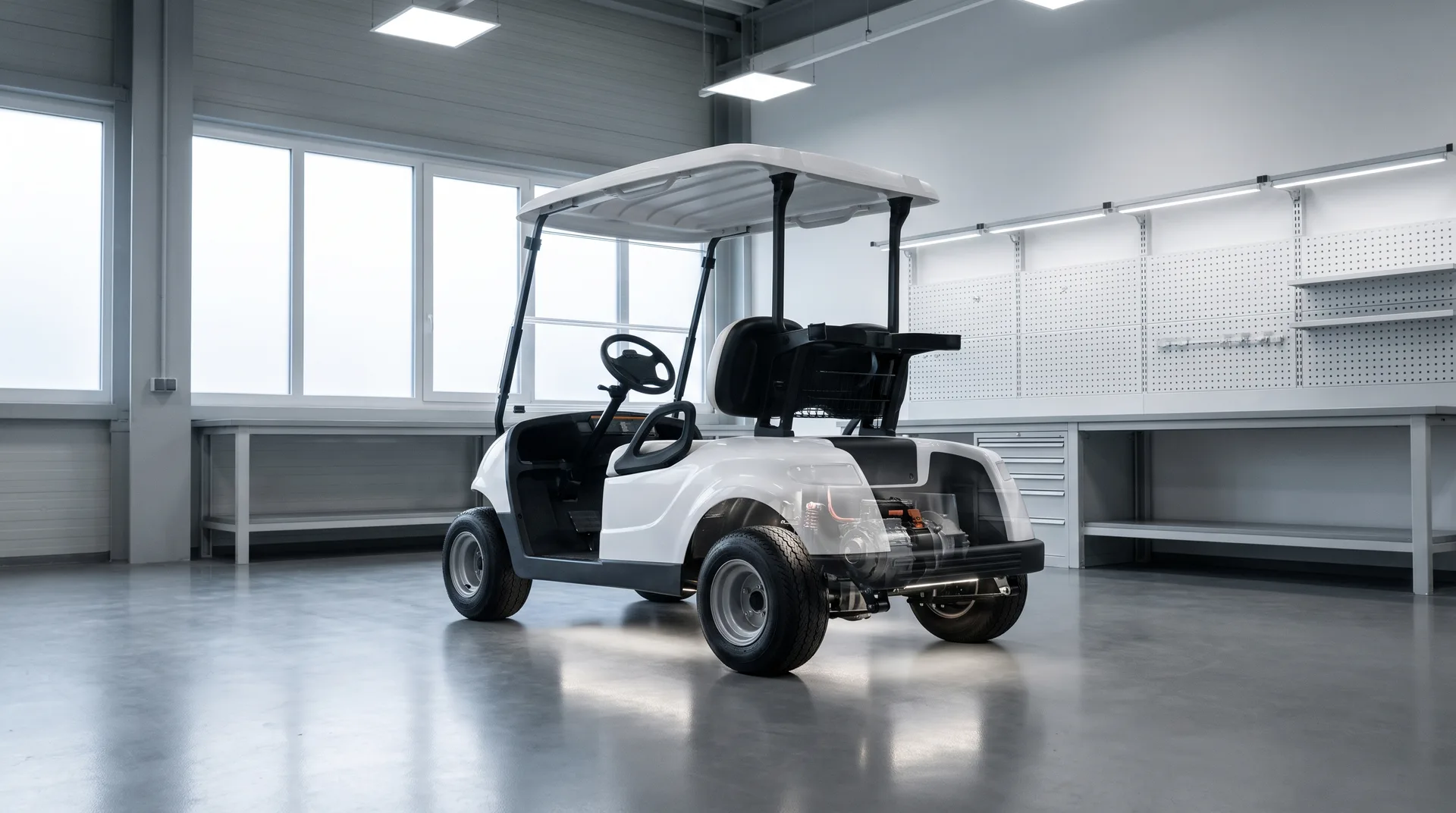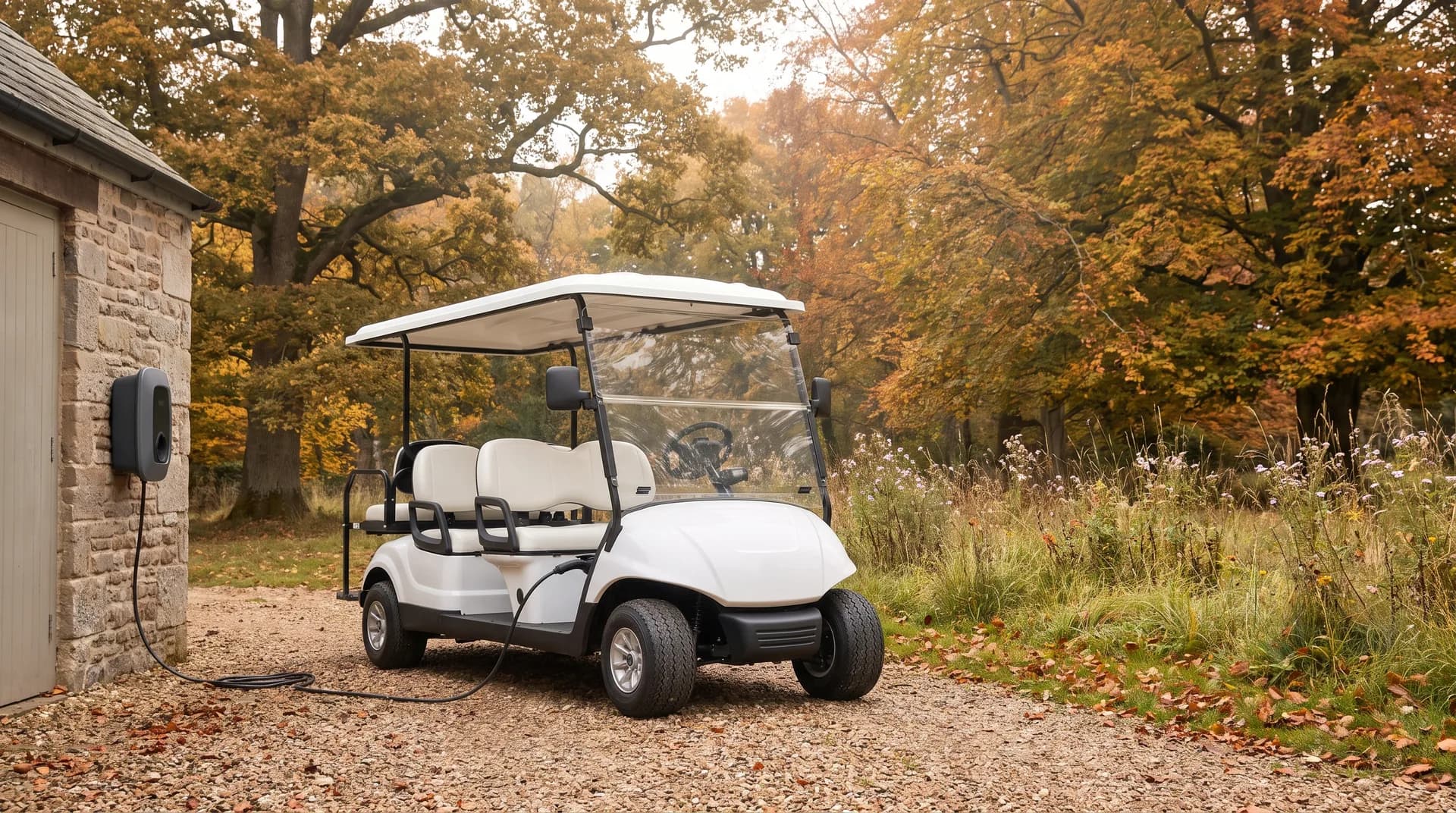
Guests, corporate clients and event organizers now ask venues hard questions about sustainability, and on-site transport is one of the few areas where a venue can give a straightforwardly good answer. Swap gas or diesel site vehicles for electric golf carts and three things are simply true: nothing comes out of a tailpipe on your grounds, the vehicles are near silent, and an electric drivetrain wastes far less of the energy it uses than a combustion engine does. This guide sets out that case honestly, no invented percentages, no borrowed statistics, and shows how venues can fold electric golf carts into their sustainability story without drifting into greenwash.
- Zero tailpipe emissions on site is a fact you can state plainly, not a marketing stretch.
- Near-silent running cuts noise for guests, neighbours and wildlife, a real sustainability good.
- Electric drivetrains convert far more of their energy into motion than combustion engines.
- Claim only what you can evidence, and say what you have not yet done as readily as what you have.
- Charging from renewable tariffs or on-site generation strengthens the story further.
What sustainable event transport actually means on site
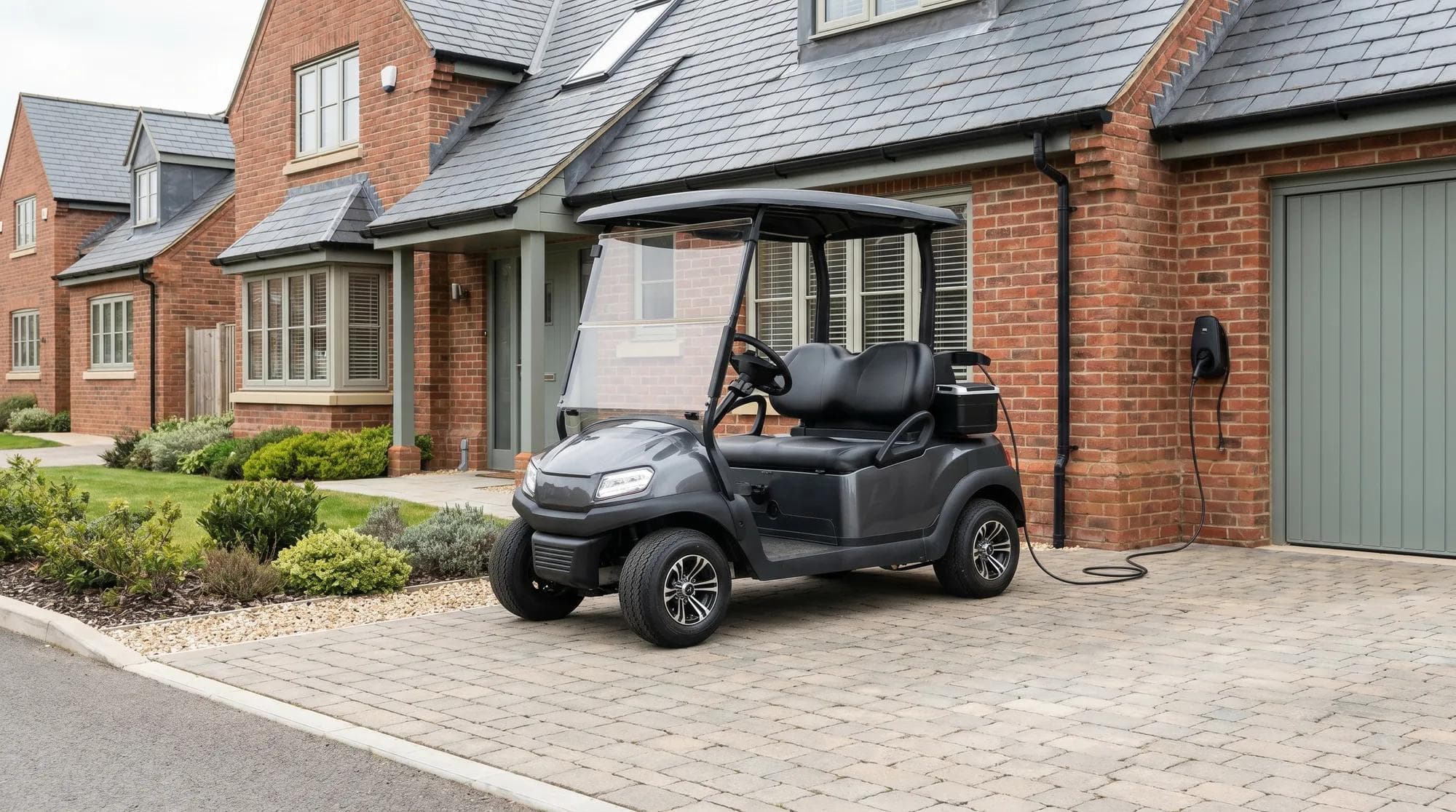
Strip away the buzzwords and on-site transport sustainability comes down to what the vehicle emits where it works, how much energy it uses to do its job, and what it does to the environment immediately around it. Electric golf carts score well on all three, and the first is the cleanest claim in the whole subject: an electric cart has no exhaust, so it emits nothing at the point of use. On a hotel terrace, along a garden path, inside a courtyard or beside an outdoor dining area, that is a direct, honest difference guests can breathe. It is worth being precise, though: zero tailpipe emissions is not the same as zero emissions overall, because the electricity that charges the battery has to come from somewhere. Say "zero tailpipe emissions on site" and you are on solid ground; say "zero emissions" unqualified and you have overclaimed. Venues on renewable electricity tariffs, or with their own solar generation, can close that gap and say so, which makes the claim stronger still.
Quiet, efficient, and honest about both
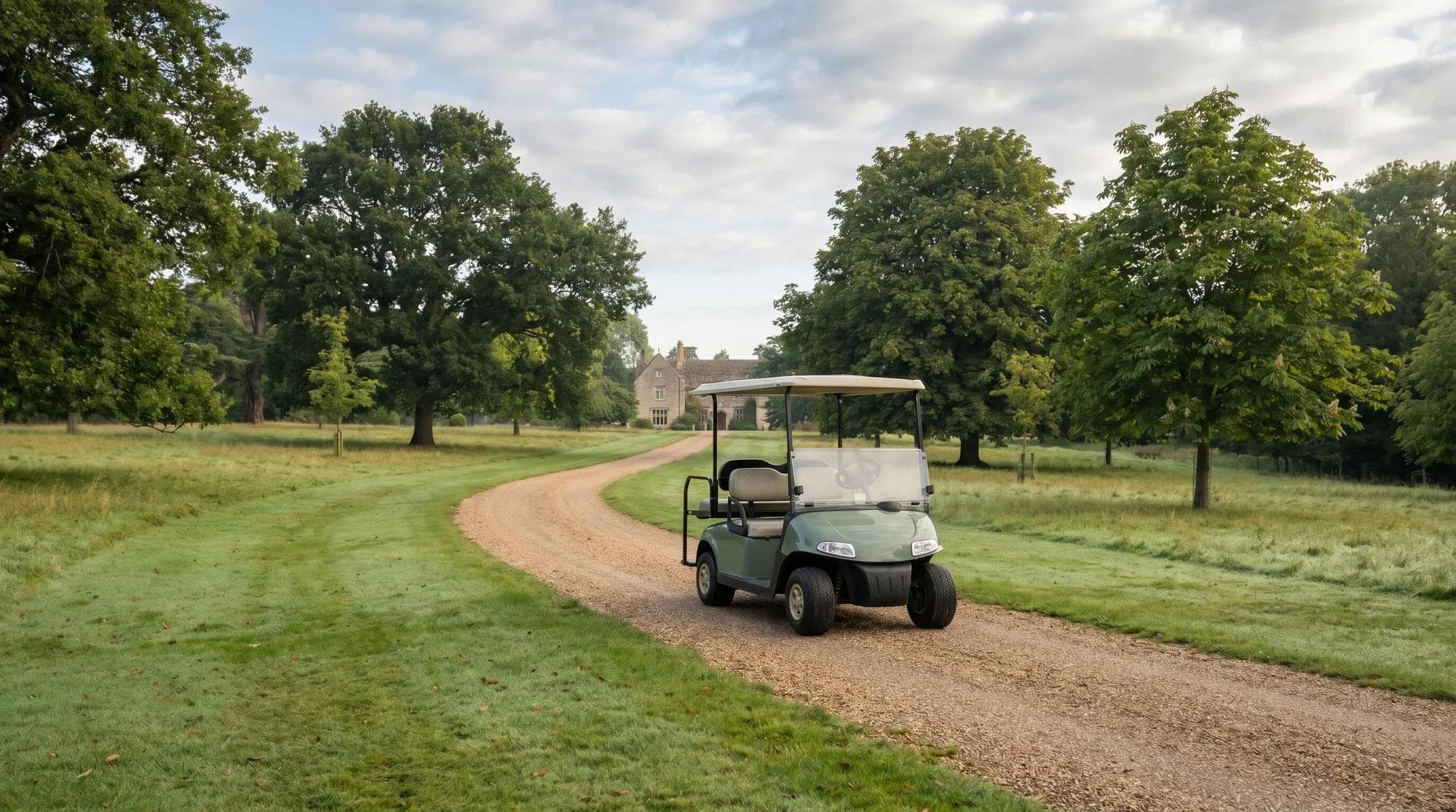
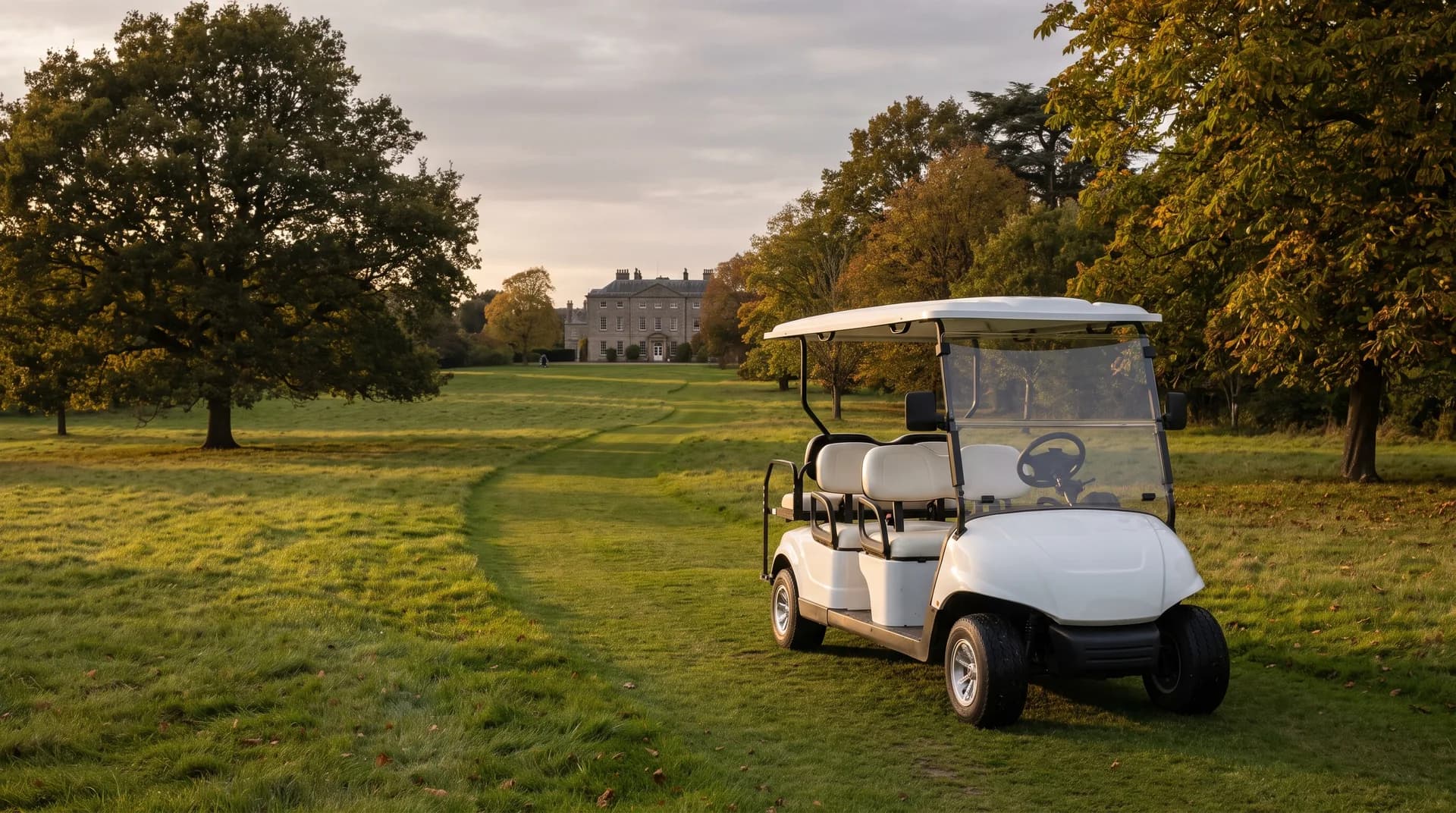
Noise is an underrated part of the environmental case. A near-silent vehicle changes the experience of grounds for guests, spares neighbours the drone of site traffic, and disturbs wildlife far less than an engine, which matters to venues whose appeal is peace: hotels, spas, gardens, heritage sites and wedding venues. Our guide to cart noise levels covers this in more depth. Efficiency is the other quiet strength. Electric motors convert most of the energy they draw into motion, while combustion engines lose much of their fuel's energy as heat, which is why an electric cart does the same day's work on far less energy, and why the running cost gap is so wide, as our electric versus gas running cost guide sets out. Less energy per mile is a sustainability improvement in itself, before any accounting of where the electricity came from. There is a lifecycle footprint in manufacturing any vehicle and battery, and honesty requires acknowledging it; the operational gains are made on top of that, day after working day.
Folding golf carts into your venue's sustainability story
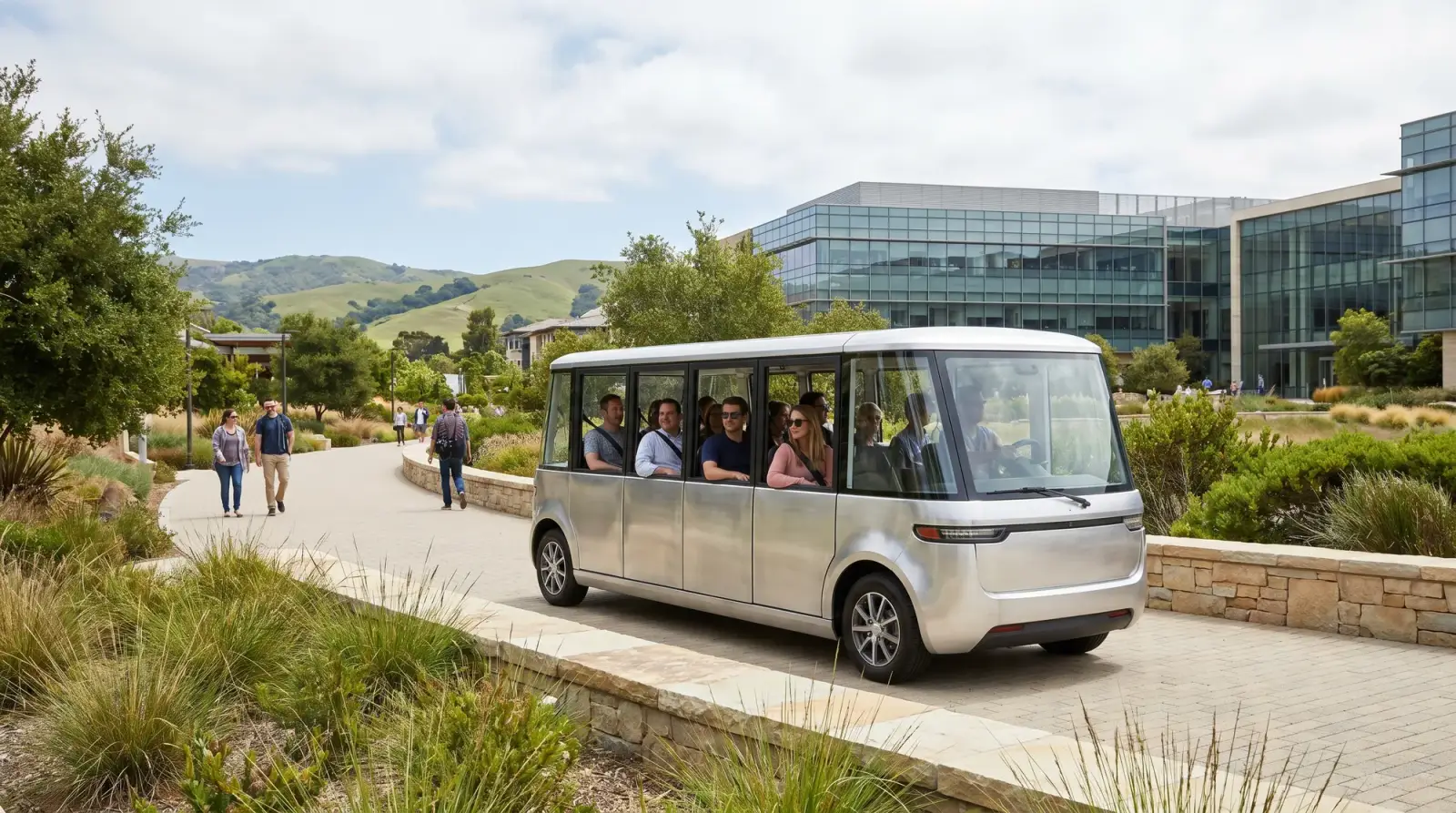
The venues that do this well treat the fleet as evidence inside a bigger story, not as the story itself. In practice that looks like: an accurate line in your sustainability policy stating that on-site transport is electric with zero tailpipe emissions; a note of when the switch happened and what it replaced; the charging arrangement, including a renewable tariff if you have one; and the guest-facing benefits, quieter grounds, cleaner air where people eat and gather, told as experience rather than virtue. Corporate clients running their own responsibility audits increasingly ask suppliers and venues about exactly this, and being able to answer specifically, with dates and details rather than adjectives, is what separates a credible venue from a brochure claim. Attractions and resorts have led the way here, as our guide on why attractions are going electric explores, and the same logic applies to any venue with grounds.
The greenwashing trap: claim only what you can evidence
The fastest way to waste a genuine sustainability improvement is to inflate it. Regulators and guests alike have grown sharp on green claims, and the rules of the road are simple: be specific, be accurate, and be able to substantiate every claim you publish. That means no invented percentages, no "carbon neutral" labels without a recognised basis behind them, and no promoting the electric fleet while quietly ignoring a diesel generator behind the marquee. If your electricity is not yet renewable, say the fleet is electric and the tariff is on the roadmap; an honest work-in-progress reads better than a perfect claim that unravels. Keep simple records, when vehicles were switched, what they replaced, your tariff, because written evidence is what turns a marketing line into a defensible statement. The wider environmental picture, including batteries and end-of-life recycling, is covered in our guide to the environmental benefits of electric golf carts.
Getting there: fleet, hire or both
None of this requires buying a fleet on day one. Venues with year-round grounds work typically buy or lease, and can explore the range to match vehicles to the site; venues whose peaks are seasonal often hire for the busy months and keep the owned fleet small; and an event-by-event hire lets a venue offer zero-tailpipe transport for a single wedding or corporate day before committing to anything. Whichever route fits, the sustainability case is the same: quieter grounds, cleaner air where your guests are, less energy burned per mile, and a story you can tell with a straight face because every word of it is true.
Frequently asked questions
Are electric golf carts really zero emission?+
They are zero emission at the tailpipe, nothing is emitted where the vehicle works. Total footprint depends on how the electricity is generated and on manufacturing, which is why "zero tailpipe emissions on site" is the accurate claim, and charging on a renewable tariff strengthens it.
How should a venue describe its cart fleet in sustainability materials?+
Specifically and verifiably: state that on-site transport is electric with zero tailpipe emissions, when you switched, what was replaced and how the fleet is charged. Avoid unqualified labels like "green" or "carbon neutral" unless you have recognised substantiation.
Do electric golf carts use less energy than gas ones?+
Yes. Electric drivetrains convert most of their input energy into motion, while combustion engines lose much of theirs as heat, so the same day's work takes less energy, which also shows up as much lower running costs.
Is the quietness really a sustainability benefit?+
Yes. Noise is a recognised form of environmental impact, and near-silent vehicles reduce disturbance for guests, neighbours and wildlife, which is particularly valuable for hotels, gardens, heritage sites and wedding venues.
Can we offer electric transport without buying a fleet?+
Yes. Hiring for a season, a wedding or a single event lets a venue provide zero-tailpipe on-site transport without capital commitment, and many venues run a small owned fleet topped up by hire at peak times.
Make your grounds transport part of the story
Tell us about your venue and how your vehicles work, and we will spec an electric fleet, to buy, lease or hire, that you can stand behind in your sustainability reporting.

Ready to find the right golf cart?
Tell us how and where it will work and we will specify a vehicle and a tailored quote built around you. Every build comes with a 3-year warranty and a 24-hour priority call-out.
Our guides are written and reviewed by the Hawke Electric Vehicles team, the people who specify, build, deliver and support the vehicles. We focus on honest, practical advice and flag where a figure depends on the build rather than guessing.
More guides by Hawke