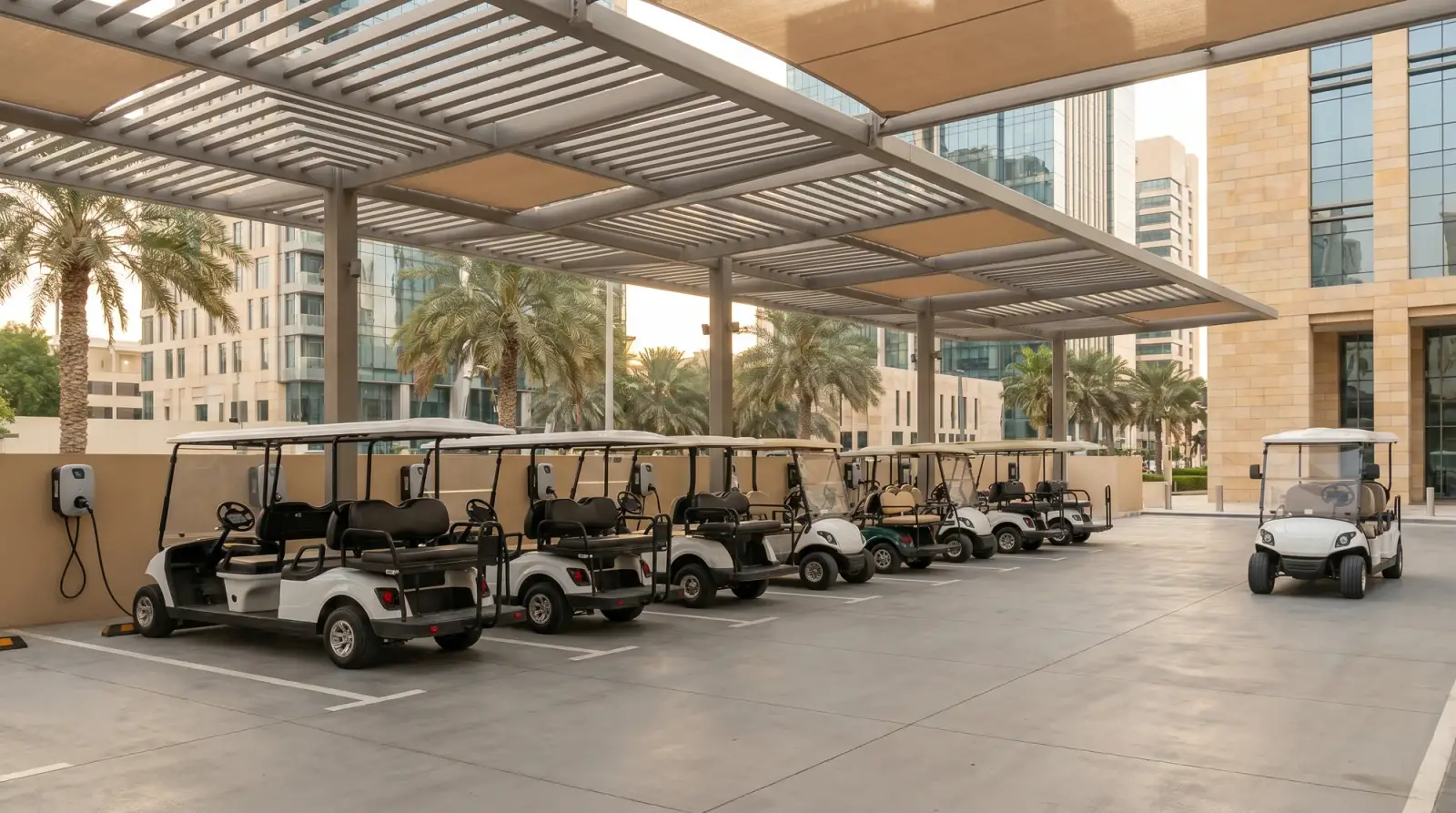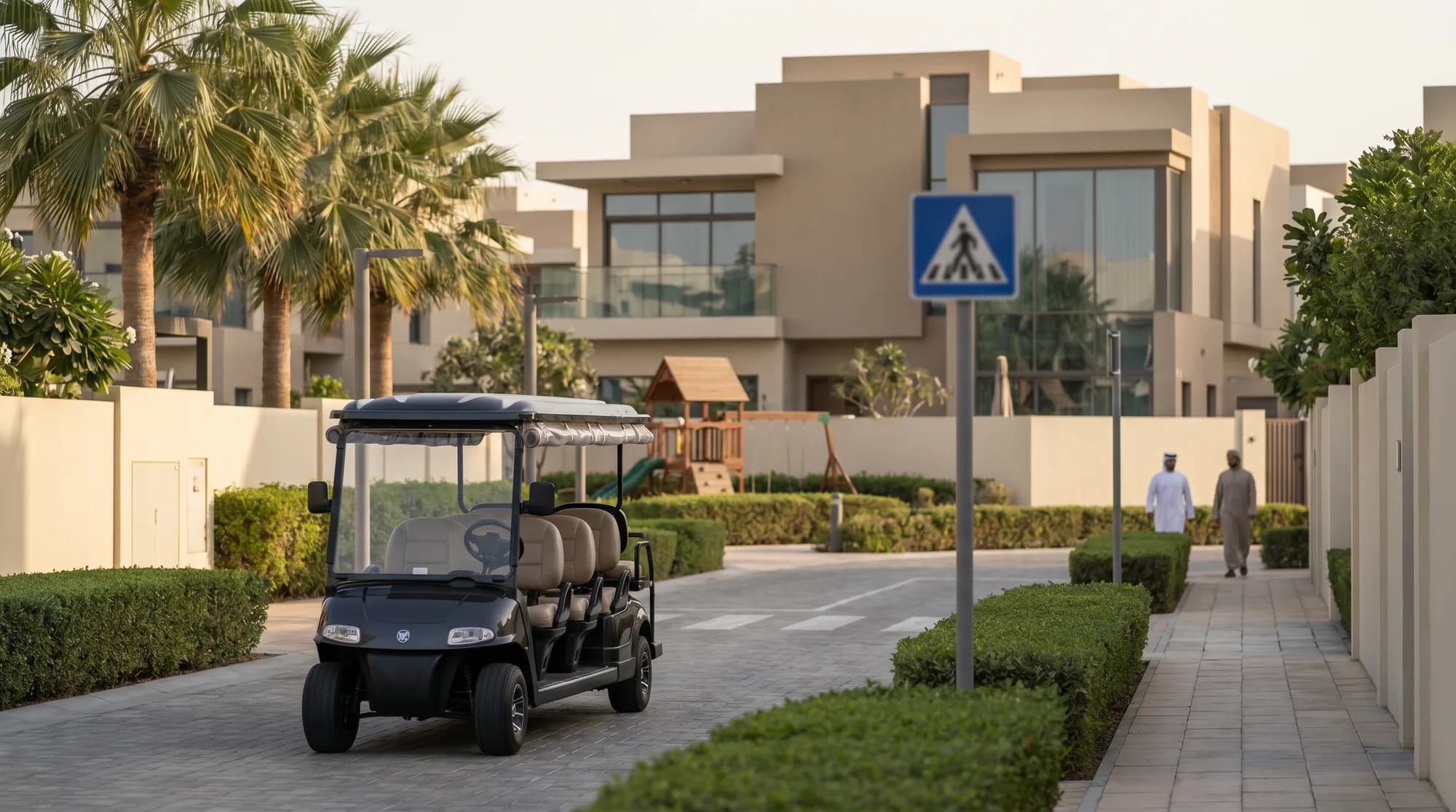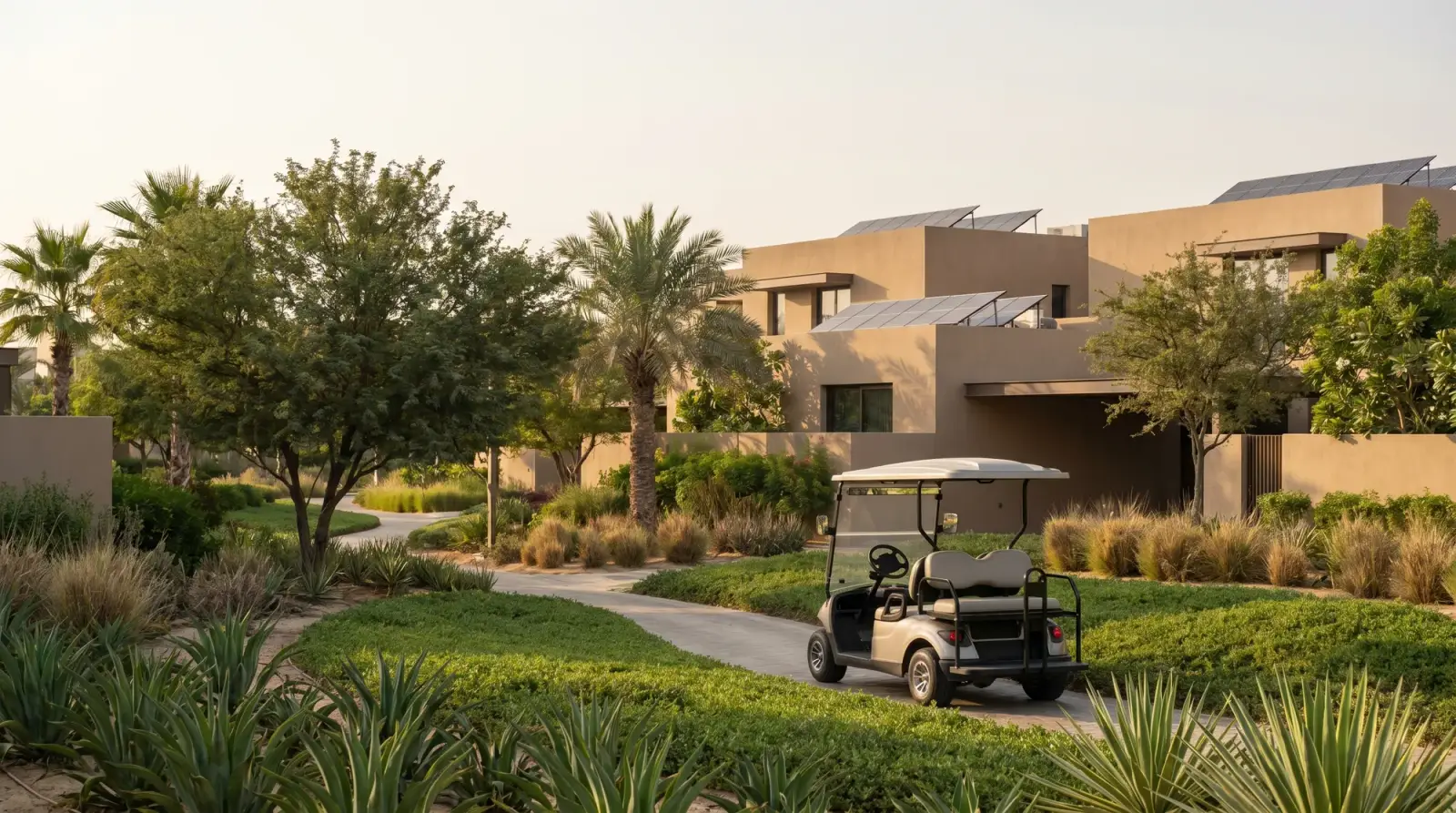
The UAE has set out an ambitious sustainability direction: the UAE Net Zero 2050 strategic initiative, the Dubai 2040 Urban Master Plan with its emphasis on liveable, walkable, low-emission communities, and a growing expectation that developers, resorts and communities report against ESG goals. Electric golf carts are a small piece of that puzzle, but a genuine one. Where a gas utility vehicle or a short car trip is replaced by a quiet, zero-tailpipe-emission cart, the local emissions, noise and air-quality picture improves, and that contribution, properly understood, supports the wider targets a UAE operator is now expected to meet.
It is worth being honest about scale and about claims, though. A cart fleet will not decarbonise an organization on its own, and overstating its impact invites the greenwashing criticism that ESG reporting is designed to catch. The useful framing is that electric golf carts are a credible, visible, measurable part of a community or operator's sustainability effort, especially when they displace gas vehicles, and this guide explains where the real benefit lies and how to claim it without exaggeration.
- Electric golf carts support UAE Net Zero 2050 and Dubai 2040 by replacing gas vehicles and short car trips with zero-tailpipe-emission transport.
- The biggest real-world win is displacing gas: a gas utility cart or a short car hop produces emissions a battery cart does not.
- Lifecycle thinking matters: the honest comparison includes manufacturing and electricity source, not just the tailpipe.
- Golf Carts fit the walkable, low-emission community vision of Dubai 2040, complementing rather than replacing active travel.
- For ESG reporting, electric golf carts are a visible, measurable contribution; claim the local emissions and air-quality benefit, not a total solution.
- Pair the sustainability case with durability: a long-lived, heat-tolerant lithium cart is greener than one replaced early.
The national and city context
The UAE Net Zero 2050 initiative commits the country to net-zero emissions by mid-century, and that top-line goal cascades down into expectations on businesses, developers and communities to reduce their own footprints. The Dubai 2040 Urban Master Plan pushes in a complementary direction: liveable, twenty-minute communities where residents can meet daily needs locally, with an emphasis on green space, active travel and lower-emission mobility. Together they create a clear policy backdrop in which low-emission local transport is encouraged and increasingly expected.
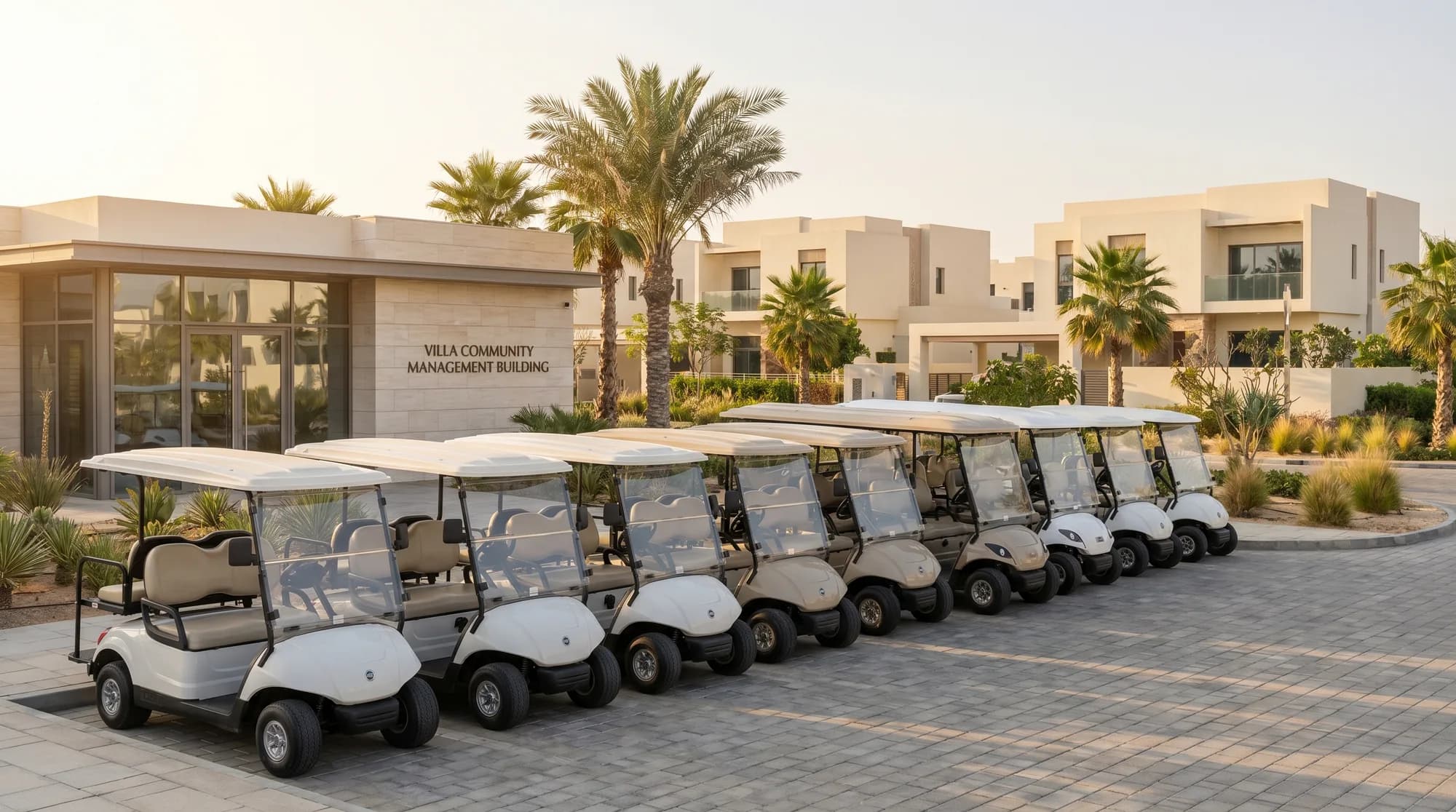
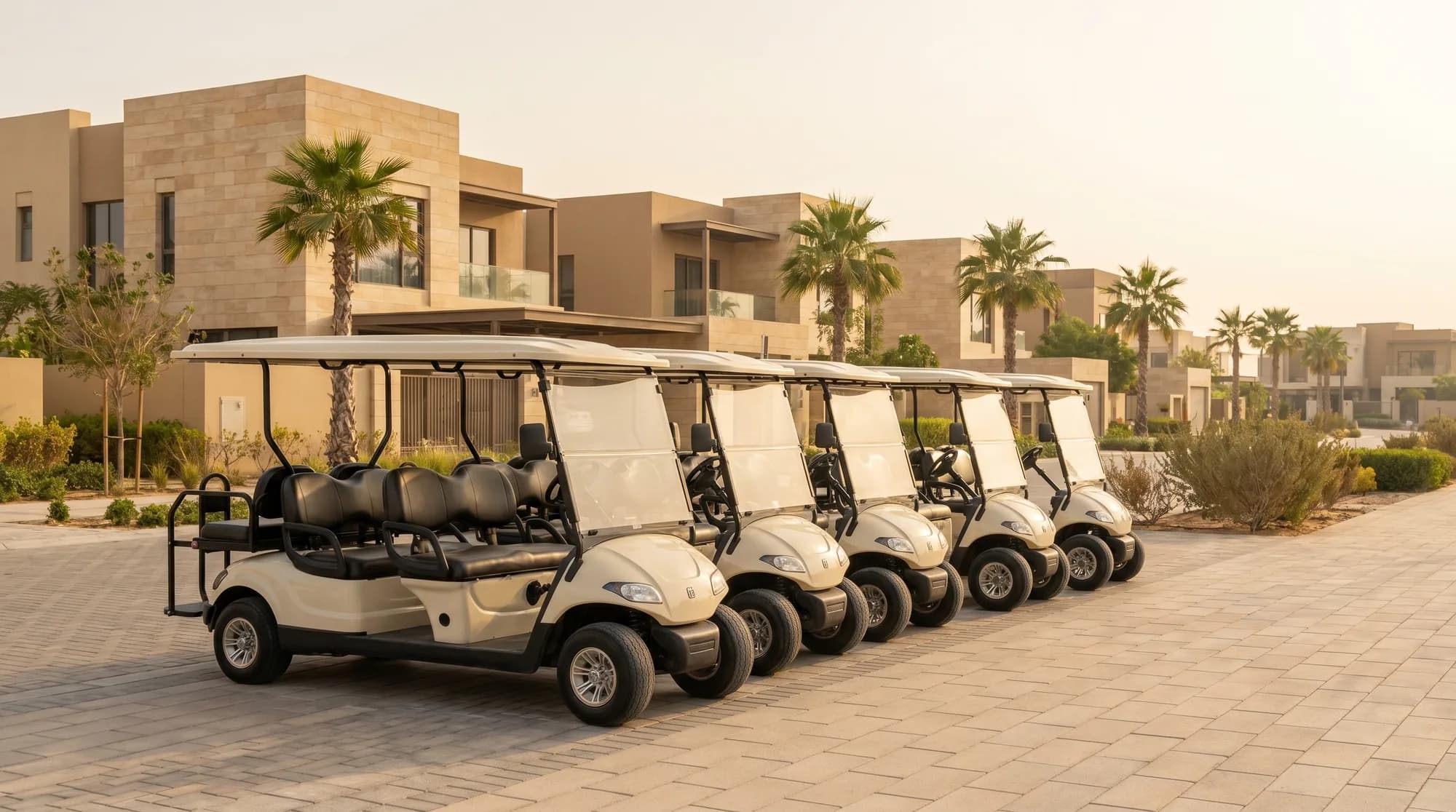
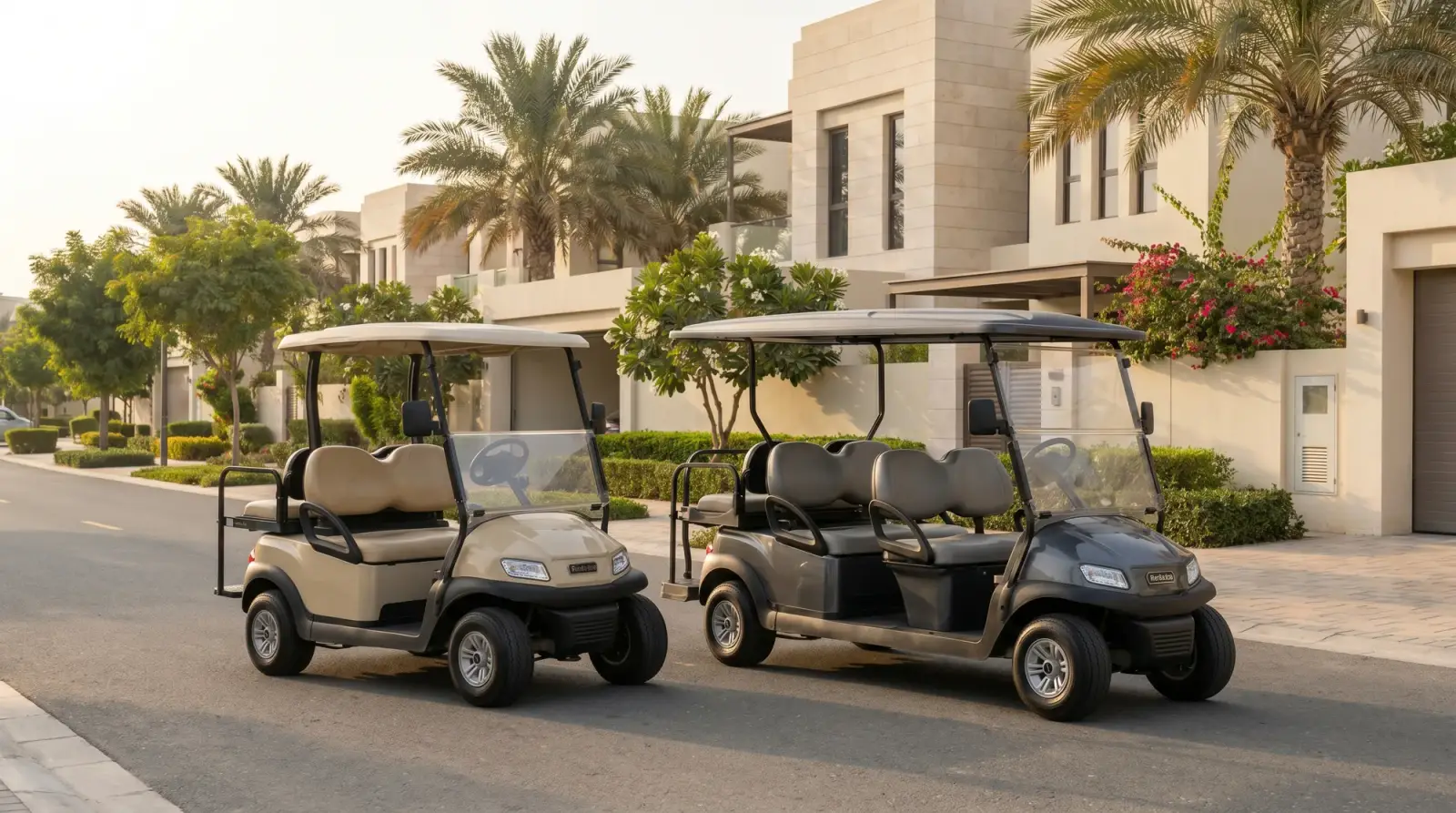
Electric golf carts sit naturally inside that vision. They are local-scale, zero-tailpipe-emission, quiet vehicles ideal for exactly the kind of community, resort and campus journeys the master plan imagines being made without a gas car. They do not solve transport at city scale, but for the short trips within a community they are a clean, fitting choice that aligns with where policy is heading.
Gas versus electric: where the win is
The clearest emissions benefit comes from displacement. Every journey made by an electric cart that would otherwise have been made by a gas utility vehicle, a maintenance truck or a short car hop avoids the tailpipe emissions of that journey. Across a busy resort, community or estate, those short trips add up, and replacing a gas grounds fleet with an electric one removes a steady stream of local emissions and noise. That is the substance behind the sustainability claim.
There is a quieter benefit too: air quality and noise. A gas cart fills a community or an enclosed space with exhaust and engine noise; an electric one does neither. In residential and hospitality settings that local improvement is felt directly by residents and guests, and it is part of the liveability the Dubai 2040 plan is reaching for. The durability angle that underpins a credible green case is covered in lithium batteries for golf carts in UAE heat.
Lifecycle and the honest comparison
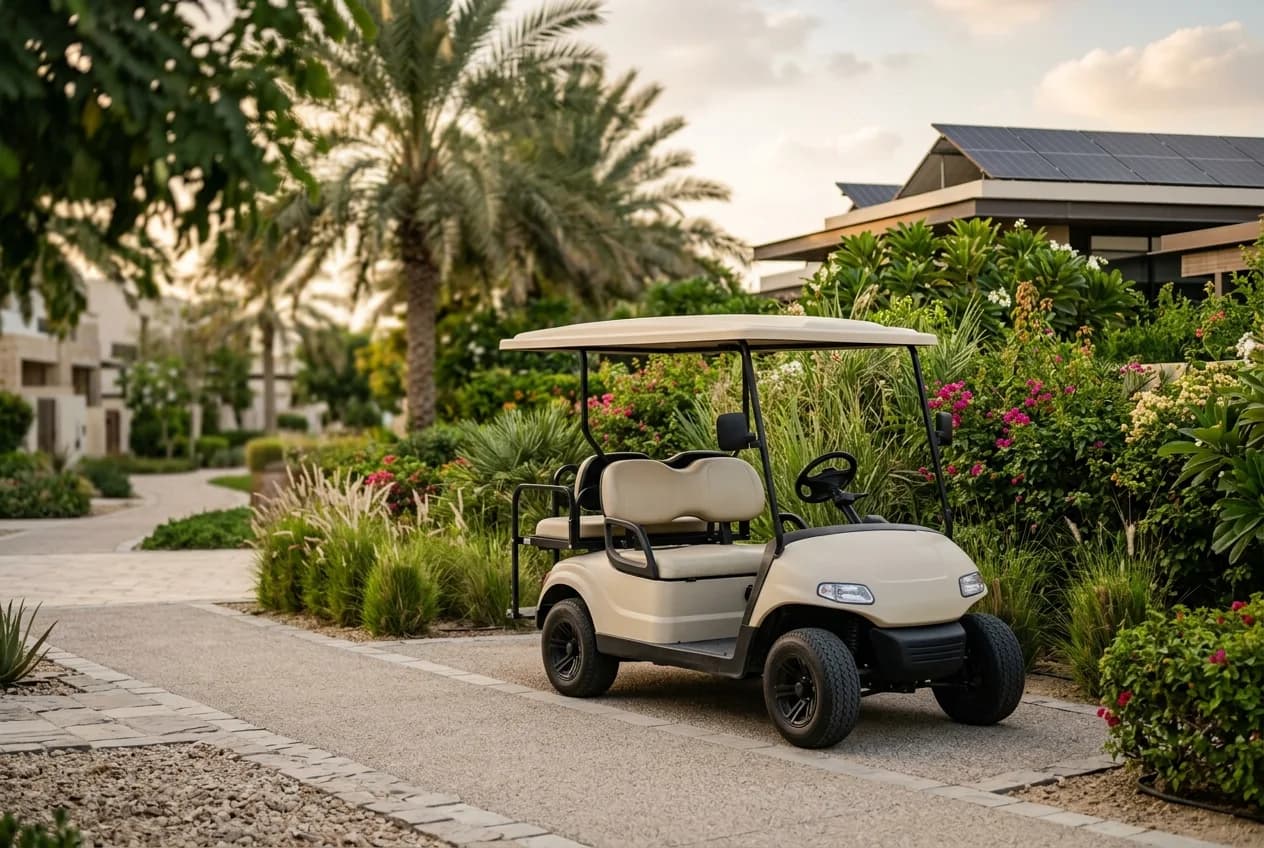
A credible sustainability case is a lifecycle case, not a tailpipe slogan. The fair comparison between an electric cart and a gas one includes the emissions of making each vehicle, the emissions of the electricity or fuel that powers it, and how long each lasts before it has to be replaced. Electric comes out ahead on the use phase, decisively so where it displaces gas, but the manufacturing and electricity-source factors are real and worth acknowledging rather than glossing over.
This is where durability and sustainability meet. A cart that survives UAE heat for many years, with a long-lived lithium battery and a maintenance regime that keeps it going, spreads its manufacturing footprint over far more service than a cheap cart replaced early. Buying quality and maintaining it well is itself a sustainability decision, not just an economic one, and it strengthens any ESG claim made about the fleet.
Golf Carts and the walkable community
The Dubai 2040 vision of walkable, twenty-minute communities is not about replacing walking with golf carts; it is about making local life work without a gas car. Electric golf carts complement active travel rather than competing with it: they carry the elderly, the less mobile, the heavily laden and the maintenance crews who keep the green spaces green, leaving the walking and cycling to those who can. Positioned that way, a community cart fleet supports the liveability goal rather than undermining it.
For a community planning around these goals, the cart is one tool among several: shade, green space, active-travel routes and low-emission local transport together. The community-fleet planning that turns this into reality is covered in buying a community golf cart fleet and, for new developments, golf cart fleets for master-developer handover.
Making a credible ESG claim
For an operator reporting against ESG targets, electric golf carts are a visible and measurable contribution worth claiming, provided the claim matches the substance. The defensible statements are the local ones: zero tailpipe emissions in operation, reduced local air pollution and noise, and the displacement of a specific number of gas vehicles or trips. The indefensible ones are the sweeping totals that imply a cart fleet decarbonises an organization. Measure what you actually change, report that, and the claim survives scrutiny.
Practically, that means recording how many gas vehicles a fleet replaces, tracking the golf carts' usage, and stating the benefit in concrete terms. A community or resort that does this turns a cart fleet from a vague green gesture into a documented part of its sustainability story, aligned with the national and city targets the UAE is pursuing. To plan a fleet with that story in mind, share the details via /request-a-quote, and for indicative budgeting see how much a golf cart costs in the UAE.
An electric cart will not decarbonise an organization, but where it replaces a gas vehicle it makes a real, local, measurable difference. Claim that honestly and it strengthens your sustainability story rather than risking it.
Plan a low-emission cart fleet
Tell us your community or operation and your sustainability goals, and we will help specify a durable electric fleet with current indicative pricing in AED.
Frequently asked questions
Do electric golf carts help meet UAE Net Zero 2050 goals?+
They contribute, mainly by displacing gas vehicles and short car trips with zero-tailpipe-emission transport. They will not decarbonise an organization alone, but as a visible, measurable local-emissions reduction they support the wider Net Zero direction.
Are electric golf carts really cleaner than gas ones?+
In operation, decisively: an electric cart has zero tailpipe emissions and no engine noise, while a gas one emits both. The honest full comparison includes manufacturing and the electricity source, but the use-phase win, especially displacing gas, is clear.
How do golf carts fit the Dubai 2040 Urban Master Plan?+
They suit its walkable, low-emission community vision by handling local trips that would otherwise need a gas car, especially for the elderly, less mobile and maintenance crews. They complement active travel rather than replacing walking and cycling.
Can I use a cart fleet in our ESG reporting?+
Yes, if the claim matches the substance. Report the defensible local benefits: zero tailpipe emissions in operation, reduced local pollution and noise, and the number of gas vehicles or trips displaced. Avoid sweeping totals that overstate the impact.
Does buying a durable cart make it more sustainable?+
Yes. A long-lived, heat-tolerant lithium cart spreads its manufacturing footprint over far more years of service than a cheap one replaced early. Buying quality and maintaining it well is a sustainability decision as much as an economic one.
Related solutions
Ready to explore what we build?
See the vehicles and the setting this applies to, or get a tailored quote built around your site.

Ready to find the right golf cart?
Tell us how and where it will work and we will specify a vehicle and a tailored quote built around you. Every build comes with a 3-year warranty and a 24-hour priority call-out.
Our guides are written and reviewed by the Hawke Electric Vehicles team, the people who specify, build, deliver and support the vehicles. We focus on honest, practical advice and flag where a figure depends on the build rather than guessing.
More guides by Hawke