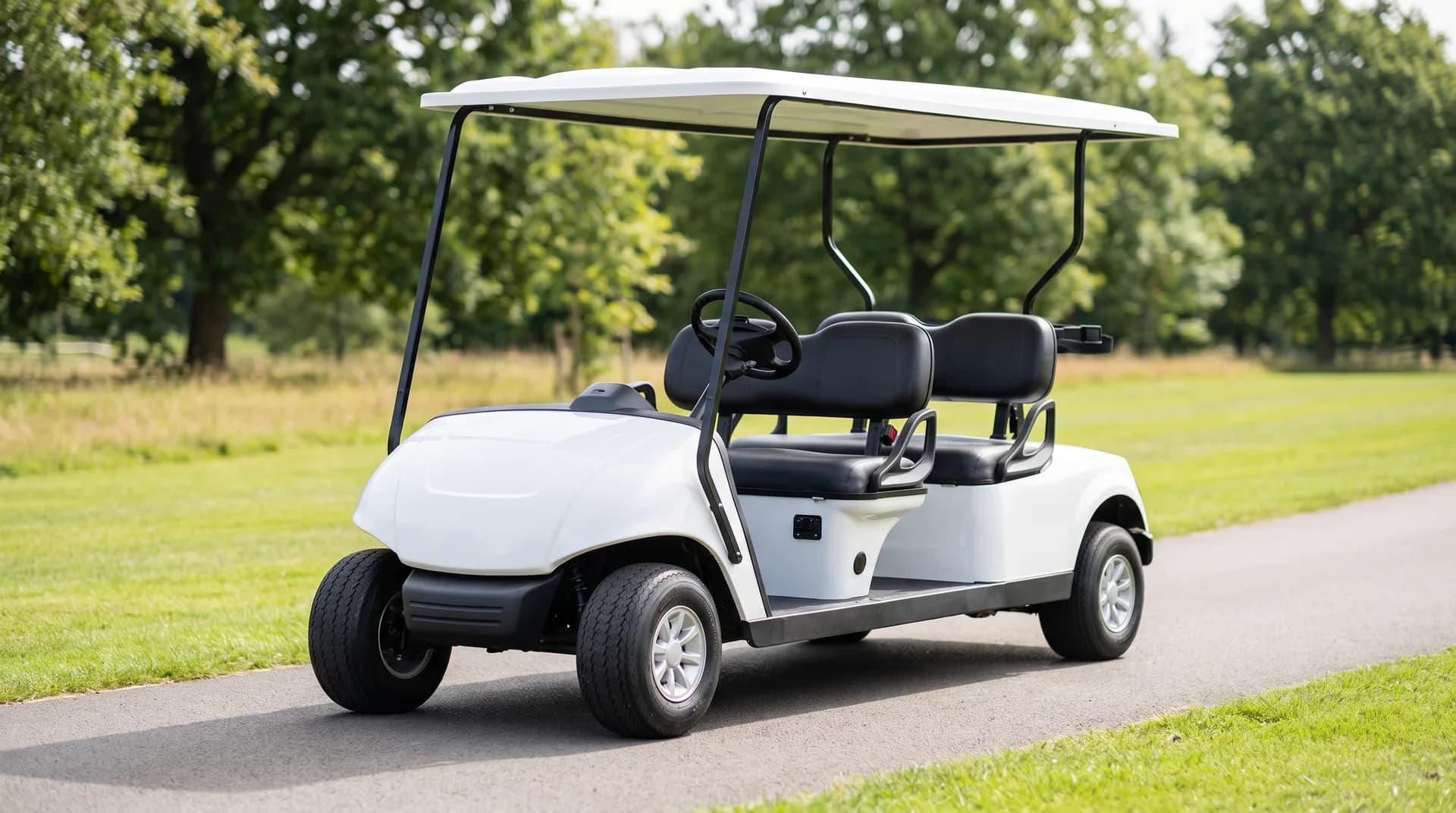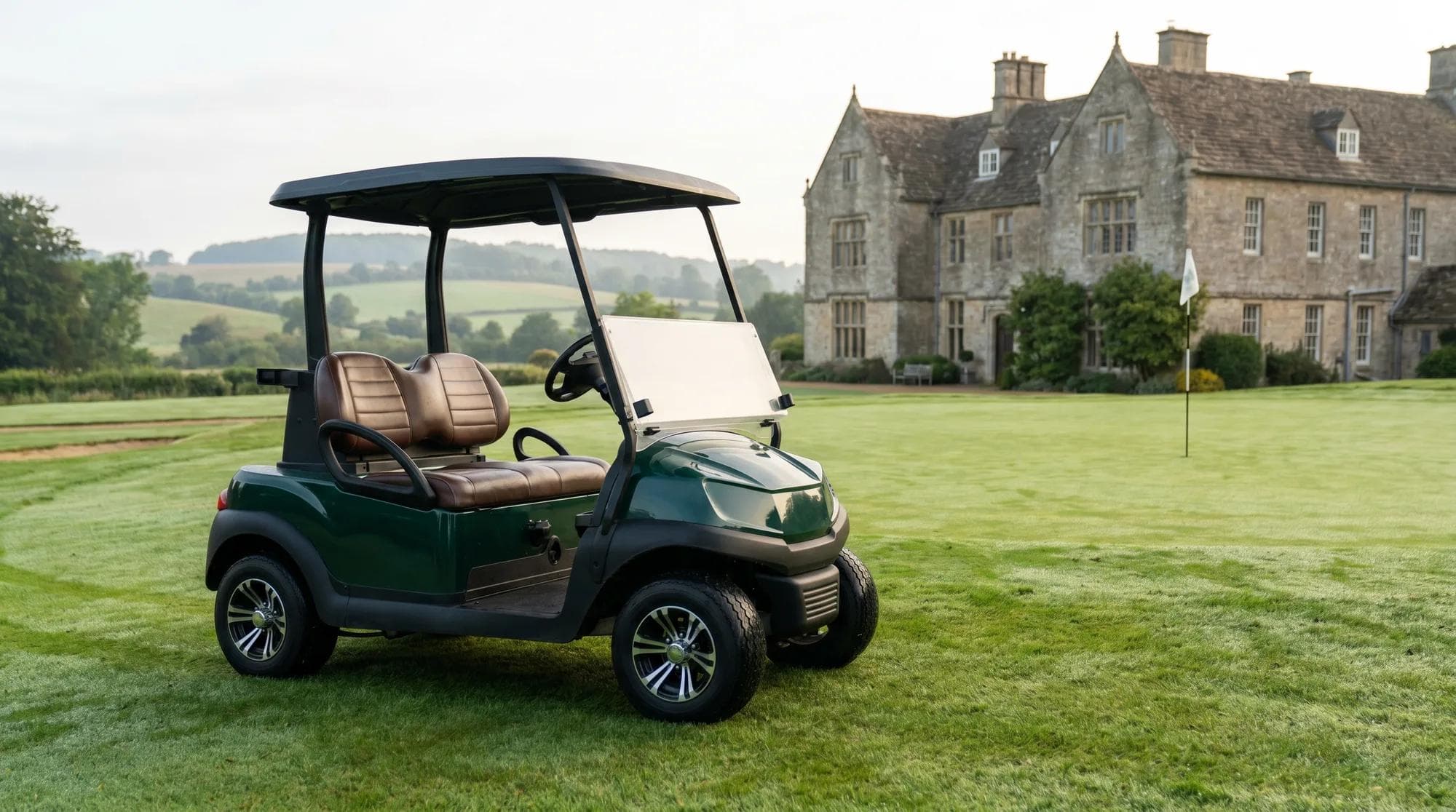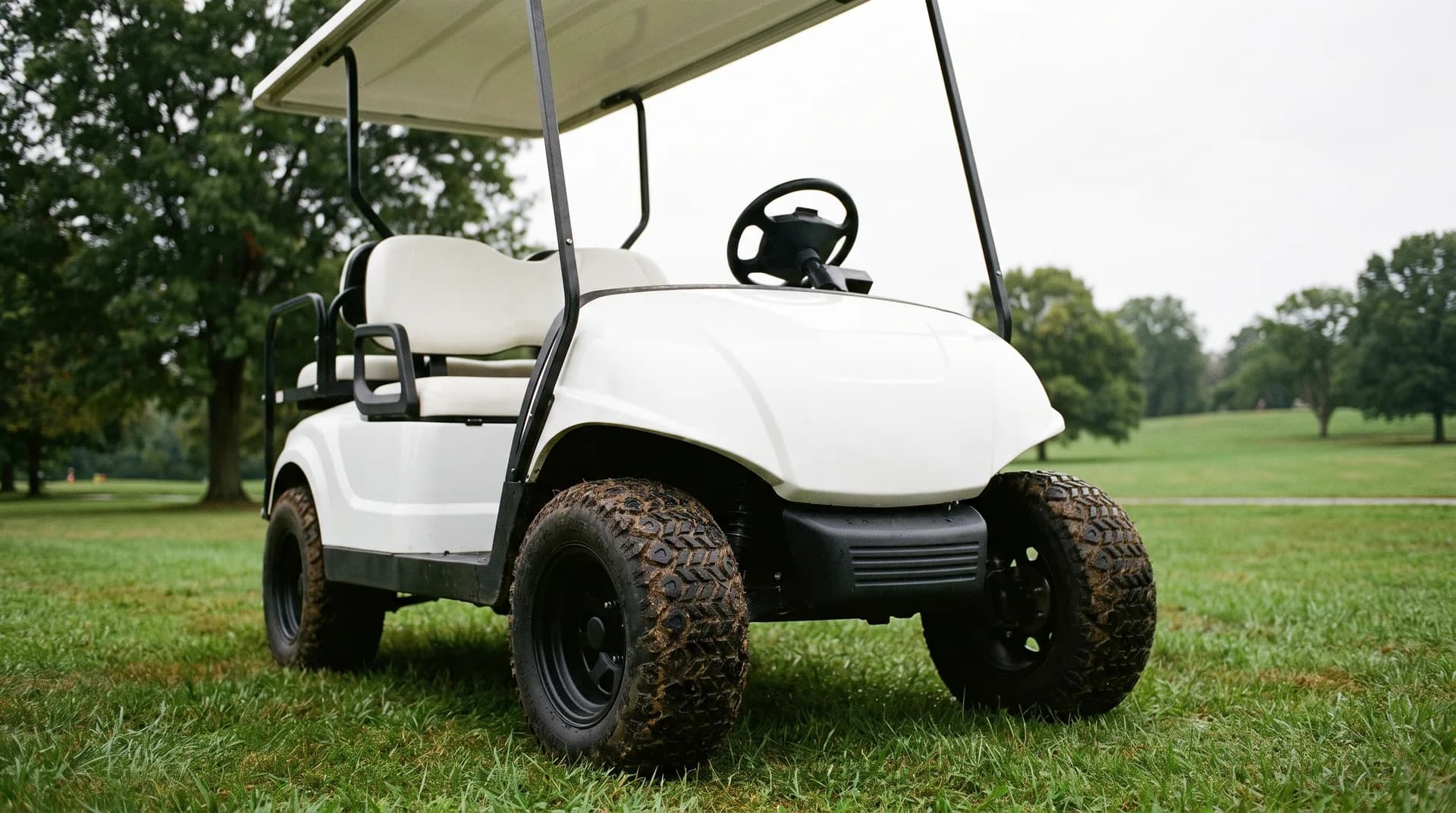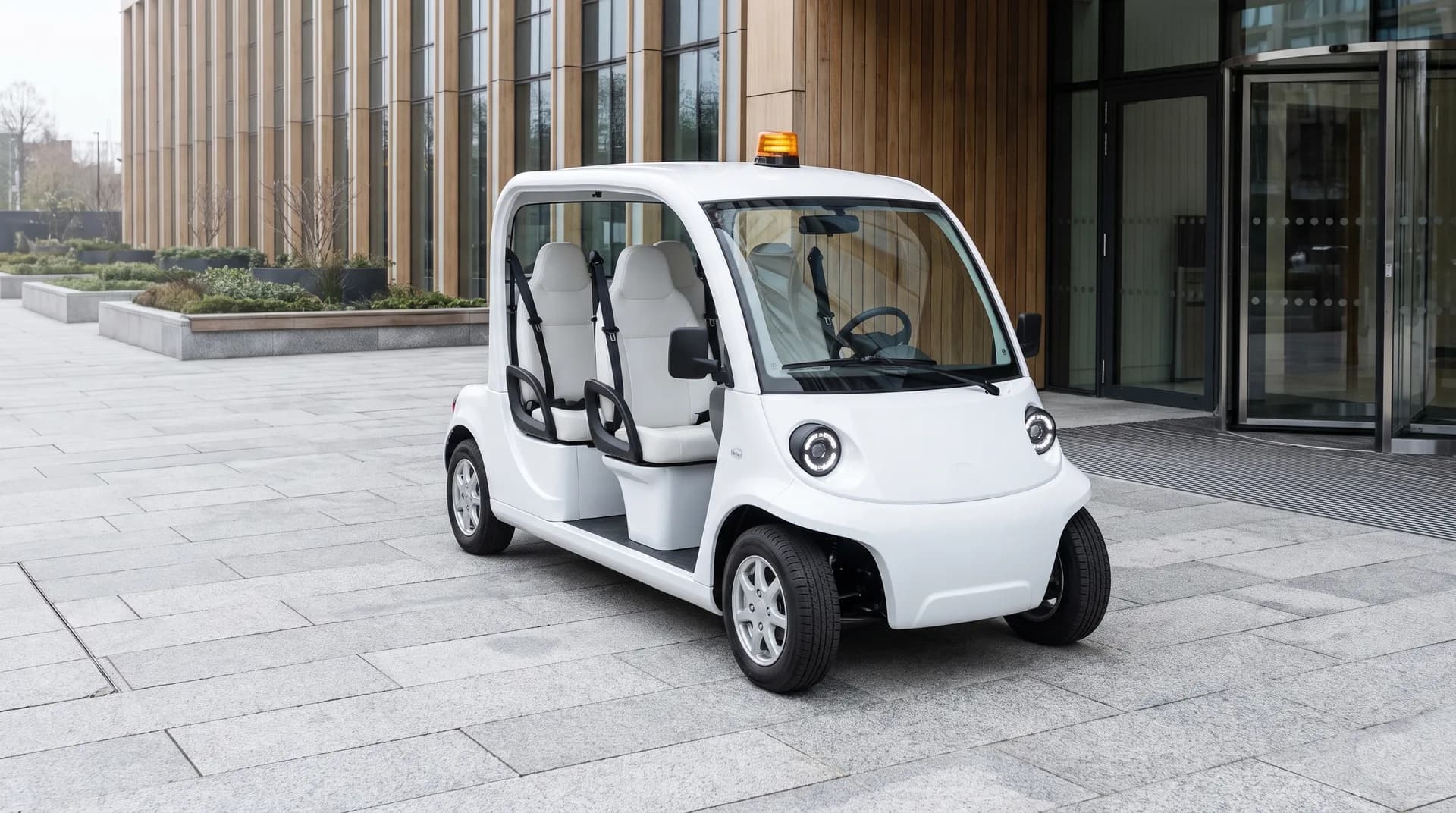
A cart used well is a quiet asset to everyone's round: it speeds the game, spares the course and gets players round who otherwise could not. Used carelessly, it churns wet turf, crowds greens and irritates the four-ball behind. The difference is a handful of habits that every cart driver should know, and that this short guide sets out. Every club also has its own cart rules for the day, from cart-path-only to course closures, and the first rule of etiquette is simply to follow them.
- Follow the club's cart rules for the day; they exist to protect the course.
- Keep well away from greens, tees and bunkers; park on paths or fairway edges.
- Avoid wet and soft areas; turf damage from golf carts takes weeks to heal.
- Drive smoothly and quietly, and keep pace with the group, not ahead of it.
- Park considerately at the next tee, ready to move on without holding play.
Protecting the course
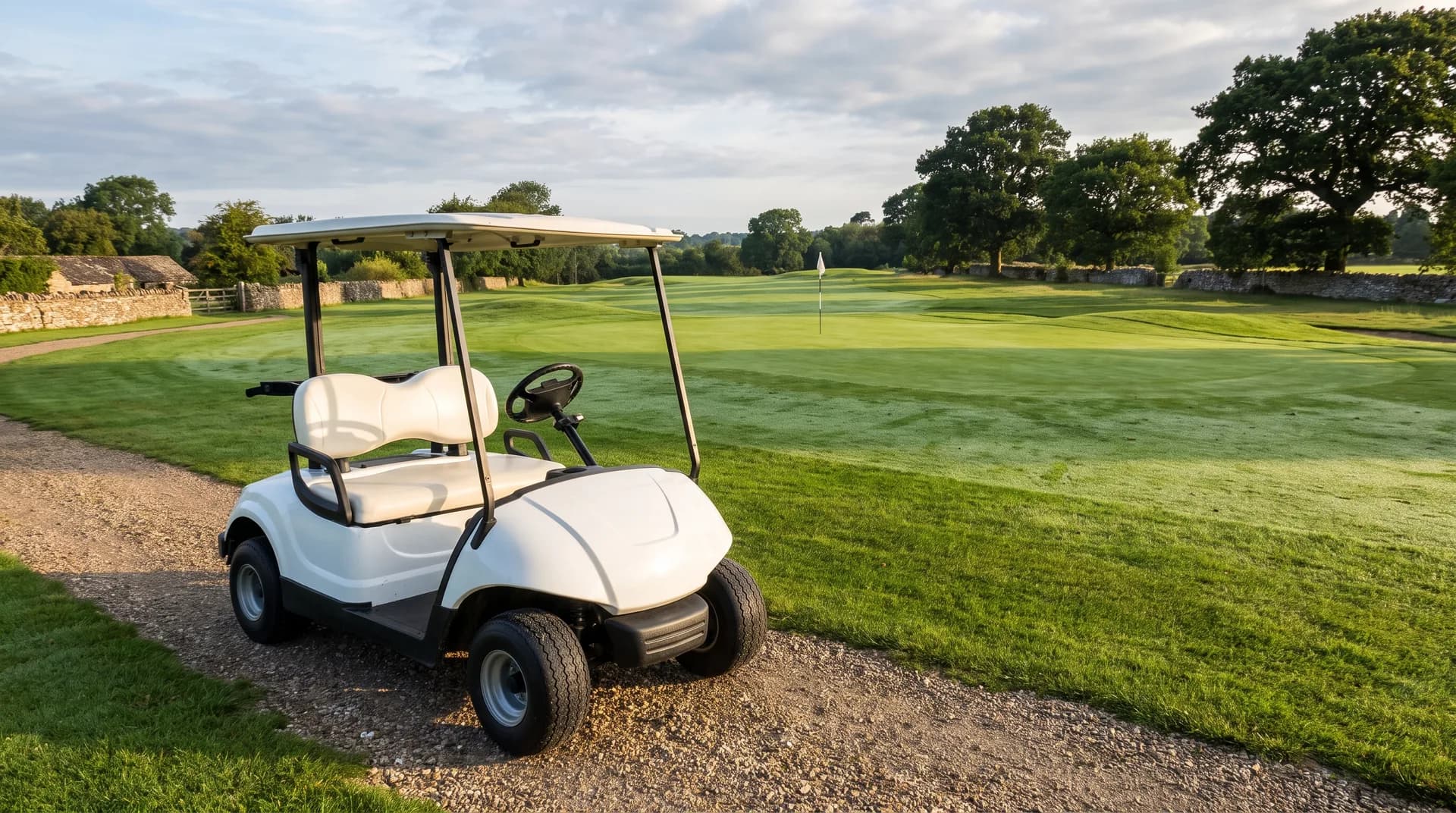
The course is the point, so the core of cart etiquette is protecting it. Keep well clear of greens, tees and bunker surrounds, where the turf is most delicate; stick to paths where the club asks; and avoid obviously wet or soft ground, where wheels mark quickest. Clubs vary their rules with the weather for exactly this reason, and honouring the day's ruling, golf carts on paths only, or off the course entirely, is the single most important habit. The turf-protection logic is the same as in our tires guide.
Pace and consideration
A cart should speed the game up, not just move the sitting around. Park level with your ball, take a couple of clubs so you are not walking back, and move the cart on to the next tee while others putt out, parked so the group behind can see the green is clearing. Drive smoothly rather than racing, especially near other players mid-shot, and keep noise and conversation down around greens. An electric cart helps here; it is near silent, as our guide on driving a cart notes.
Sharing and common sense
The rest is ordinary consideration: share the cart sensibly between players, do not overload it beyond its seats, leave it where the next user or the club expects it, and report any fault rather than parking the problem for someone else. None of it is complicated, and a cart driven with a little care is welcome on any course, which is ultimately what keeps clubs happy to allow them.
Frequently asked questions
What is the basic etiquette for using a golf cart?+
Follow the club's cart rules for the day, keep well clear of greens, tees and bunkers, avoid wet and soft ground, drive smoothly near other players, and park considerately so play keeps moving. It is mostly course protection and ordinary consideration.
Where should I not drive a cart on the course?+
Close to greens, tees and bunker surrounds, where turf is most delicate, and across obviously wet or soft areas. Where the club asks for paths only, stay on the paths; the day's ruling exists to protect the course.
How does a cart speed up play?+
Park level with your ball, carry a couple of clubs to it, and move the cart on to the next tee while others putt out. A cart used this way genuinely quickens the round rather than just easing it.
Why do clubs restrict golf carts in wet weather?+
Because wheels mark soft turf quickly and the damage takes weeks to heal. Path-only rules and closures are about protecting the course, and honouring them is the first rule of cart etiquette.
Does cart etiquette differ between clubs?+
The principles are universal, but each club sets its own rules for paths, weather and where golf carts may go, so check the day's ruling when you book or arrive and follow it.
A cart your club will welcome
Choosing golf carts for a club or course? We specify turf-friendly, quiet fleets that courses are glad to see. Tell us about yours.
Related solutions
Ready to explore what we build?
See the vehicles and the setting this applies to, or get a tailored quote built around your site.
Ready to find the right golf cart?
Tell us how and where it will work and we will specify a vehicle and a tailored quote built around you. Every build comes with a 3-year warranty and a 24-hour priority call-out.
Our guides are written and reviewed by the Hawke Electric Vehicles team, the people who specify, build, deliver and support the vehicles. We focus on honest, practical advice and flag where a figure depends on the build rather than guessing.
More guides by Hawke