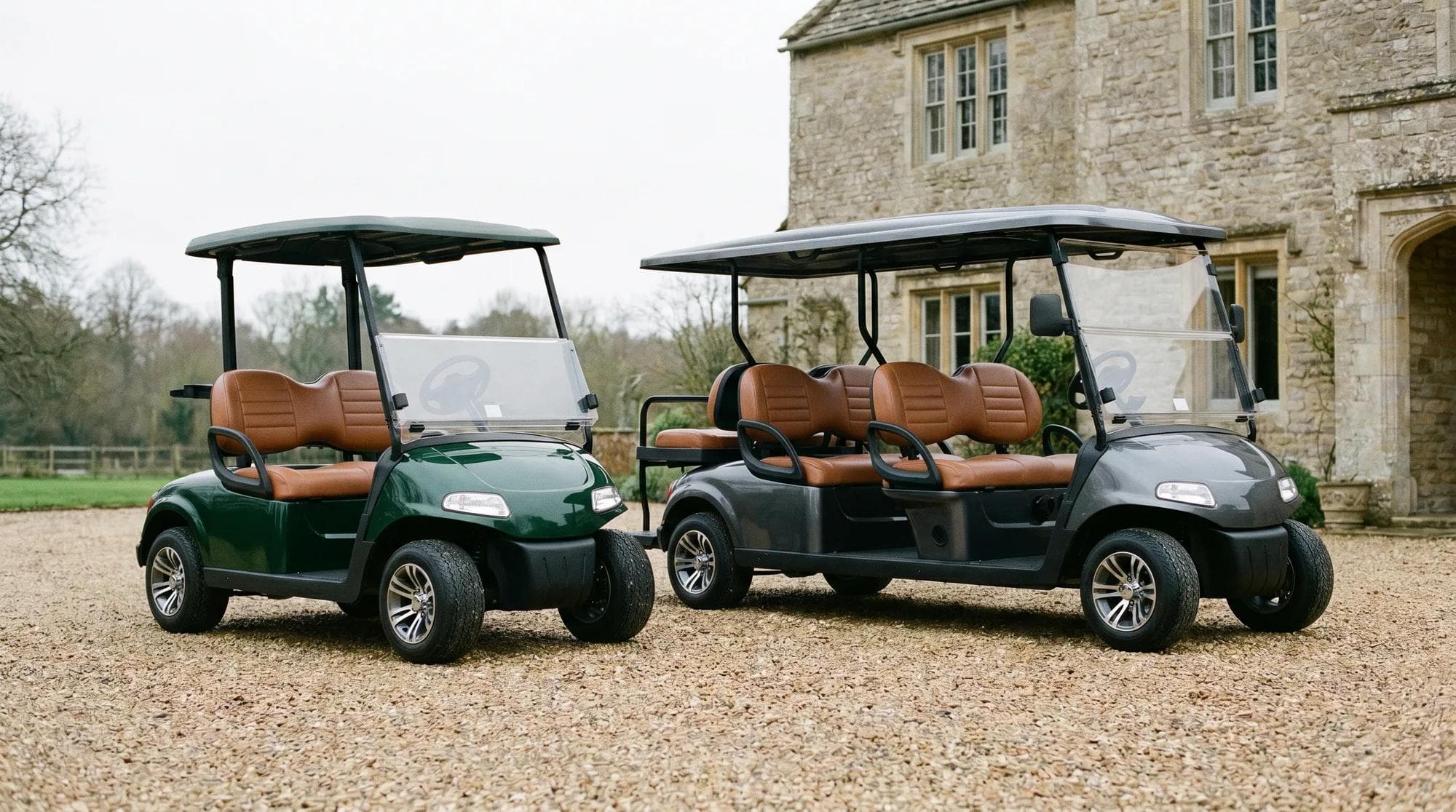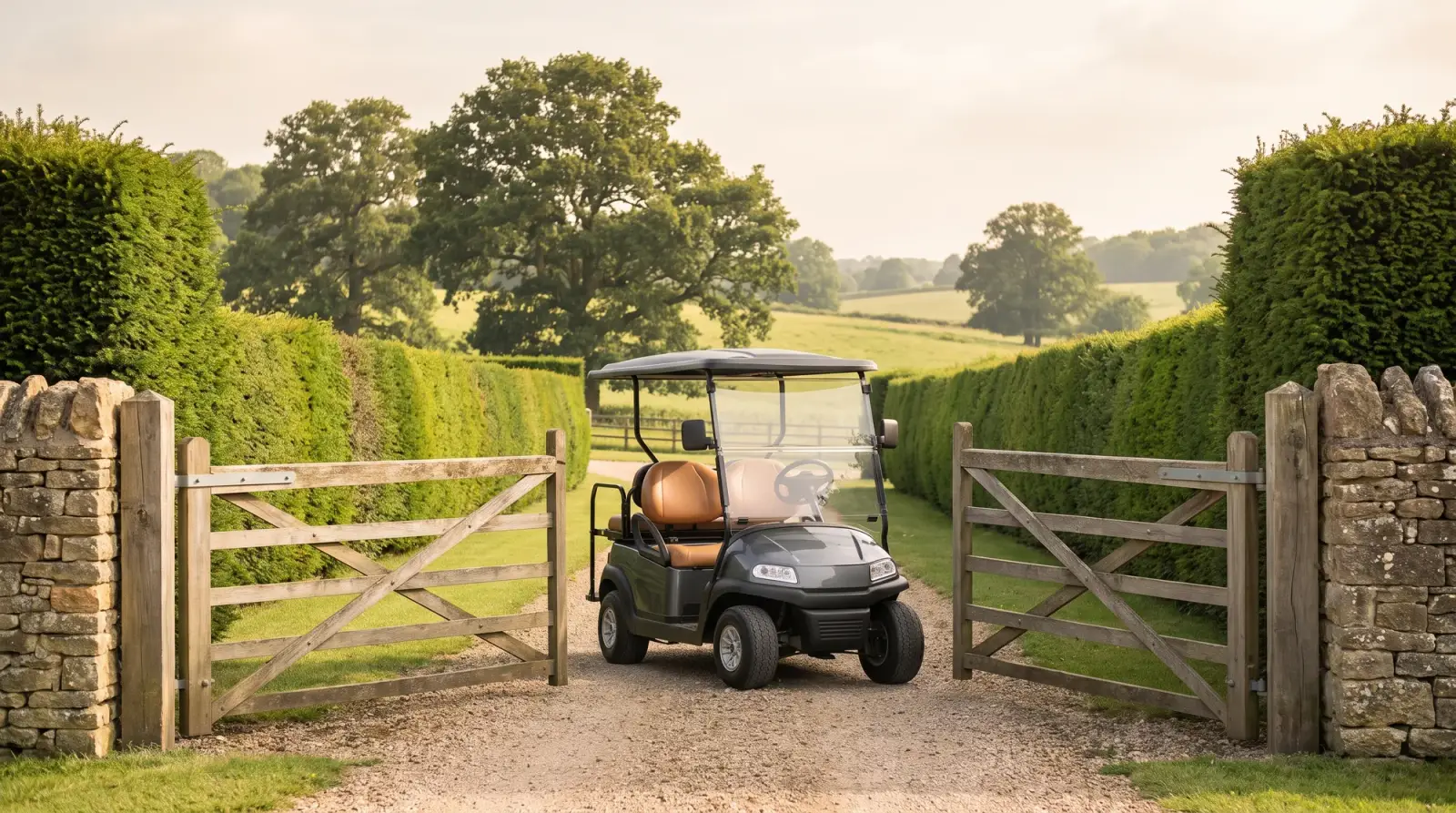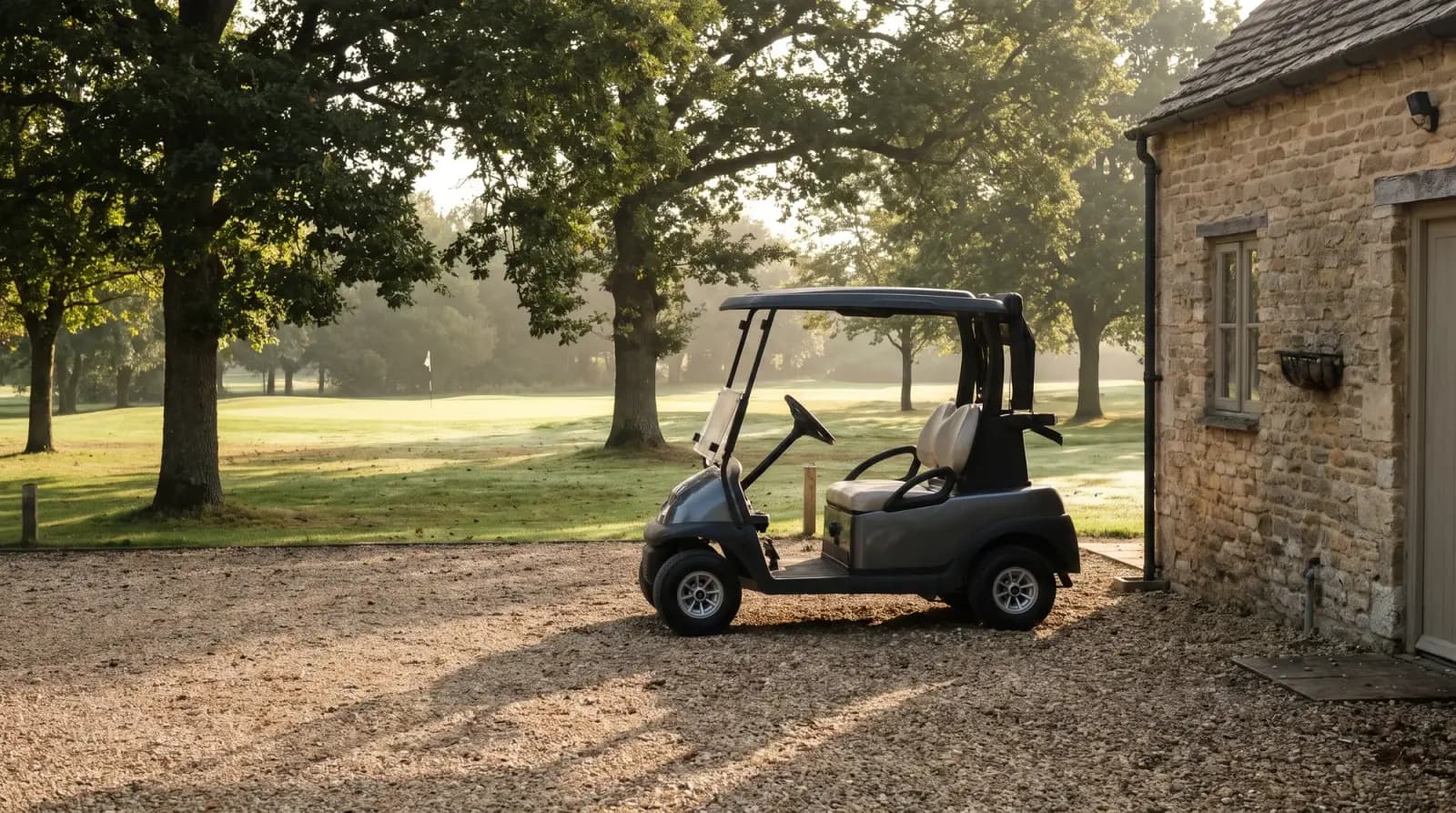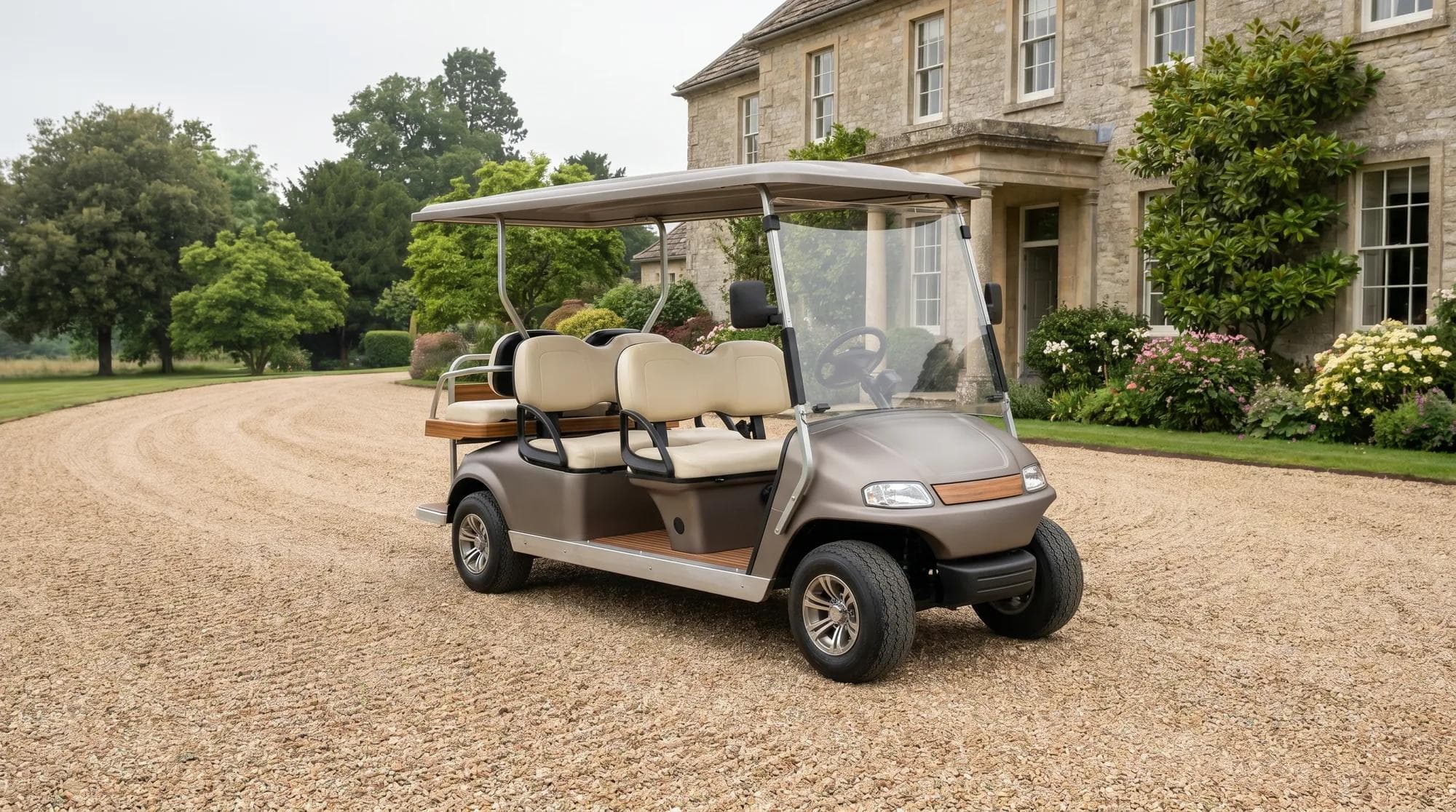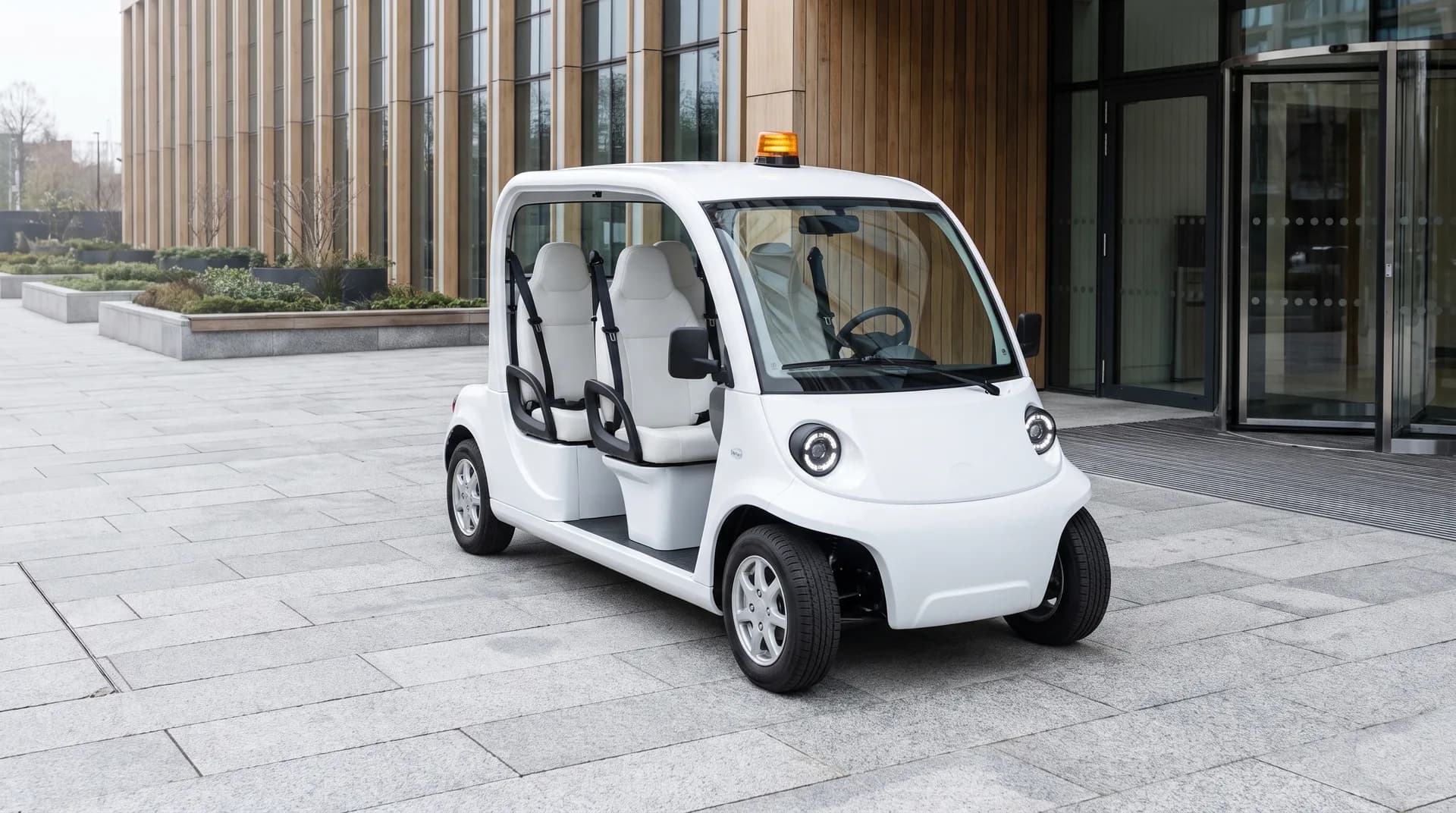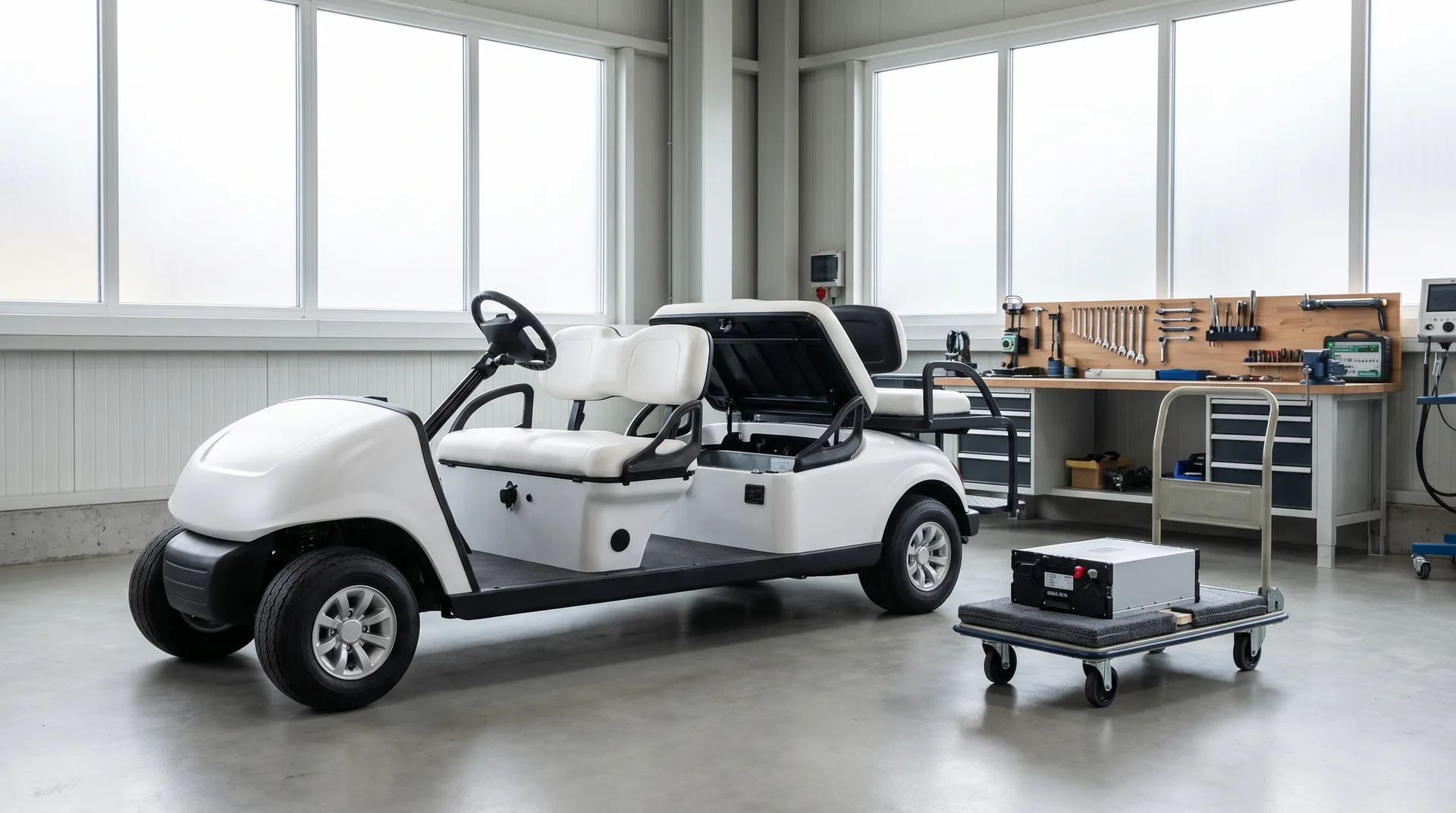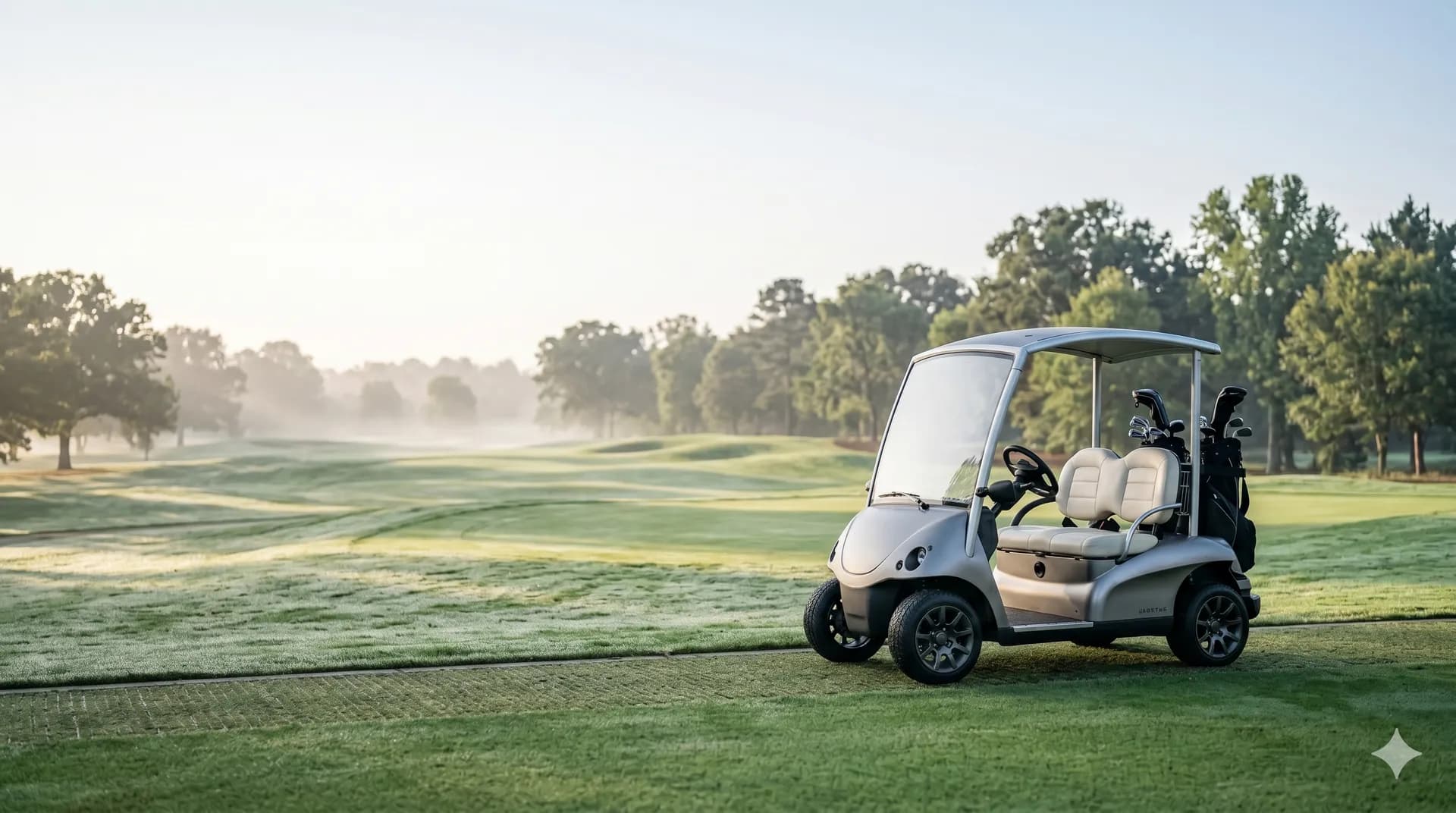
The honest answer to the 4-passenger versus 6-passenger question is a single test: how often do five or more people genuinely need to travel together? If the answer is routinely, buy the 6-passenger, because you cannot add seats to a 4-passenger later and a second vehicle costs far more than the step-up did. If the answer is rarely, the 4-passenger is cheaper to buy, easier to place and easier to store, and empty seats are wasted money. That rule settles most cases; the rest of this guide is for the buyers in the middle, working through price, footprint, turning, storage, resale and the typical buyer profiles on each side. As reference points, our Hawke S4 starts at £14,900 and the S6 at £18,900, both excluding VAT.
- The deciding question is peak regular load, not average load: count how often five or more travel together.
- The step from 4 to 6 seats typically adds around a fifth to a third to the price, far less than buying a second vehicle later.
- A 6-passenger is roughly half a metre longer, which matters at gates, in sheds and on tight path networks.
- Both sizes drive on the same licence-free private-land basis; the 6-passenger simply asks for wider turns.
- Resale favours whichever size your region's venues are short of, but clean, battery-healthy examples of both sell well.
4-passenger vs 6-passenger golf cart: the head-to-head
The core difference is one extra bench row on a stretched wheelbase, and everything else flows from it. The 6-passenger costs more, ours by £4,000 at from-price, is around half a metre longer at roughly three and a bit metres, needs a wider turning circle, weighs more, and works its battery and motor harder when fully loaded. In exchange it moves fifty per cent more people per trip with the same driver, which is why venues, hotels and larger families step up. Neither is more capable on ground: same tire options, same weather protection options, same private-land legal position. Exact measurements per model matter more than category generalisations, so check our golf cart dimensions guide against your tightest gate before ordering either.
- 4-passenger
- £14,900 excl VAT
- 6-passenger
- £18,900 excl VAT
- 4-passenger
- Around 2.7 to 3.0 m
- 6-passenger
- Around 3.2 to 3.6 m
- 4-passenger
- Nimbler, easier at gates
- 6-passenger
- Needs wider sweeps and planning
- 4-passenger
- Fits most sheds and containers
- 6-passenger
- Check shed length before buying
- 4-passenger
- Up to 4
- 6-passenger
- Up to 6, one driver
- 4-passenger
- Broad: families, clubs, small venues
- 6-passenger
- Strong with venues and hotels
- 4-passenger
- Families, golf clubs, small sites
- 6-passenger
- Venues, hotels, estates, big families
| 4-passenger | 6-passenger | |
|---|---|---|
| From-price (Hawke) | £14,900 excl VAT | £18,900 excl VAT |
| Typical length | Around 2.7 to 3.0 m | Around 3.2 to 3.6 m |
| Turning and tight spots | Nimbler, easier at gates | Needs wider sweeps and planning |
| Storage footprint | Fits most sheds and containers | Check shed length before buying |
| People per trip | Up to 4 | Up to 6, one driver |
| Resale market | Broad: families, clubs, small venues | Strong with venues and hotels |
| Typical buyer | Families, golf clubs, small sites | Venues, hotels, estates, big families |
Price and running costs
On the forecourt, the gap between the sizes is meaningful but not dramatic, about £4,000 between our S4 and S6, and used markets show a similar proportional spread. Running costs are closer than buyers expect: both charge from a standard supply for pennies per mile, both carry near-identical servicing schedules, and insurance on private land is usually arranged per vehicle at similar cost. The 6-passenger consumes somewhat more energy when loaded and wears tires and brakes a little faster, but the dominant cost of either vehicle over ten years is the battery, so chemistry and battery care matter far more than the seat count. What is expensive is buying wrong: a 4-passenger that proves too small leads to a second purchase, and a 6-passenger that was never needed ties up capital and shed space.
Footprint, turning and storage
The physical difference bites in three places. At pinch points: a 6-passenger's extra length and turning circle can rule out routes a 4-passenger strolls through, so walk your site before deciding. In storage: winter housing, container storage and cart sheds are sized in metres, and half a metre is the difference between the door closing and not. On slopes and cambers: a longer, heavier vehicle carrying six adults asks more of its brakes and demands more anticipation from the driver, which is a training point rather than a fault. None of this argues against the 6-passenger where six seats are needed; it argues for measuring first. If you have not yet settled the size question at all, our general what size cart guide starts one step further back.
Resale and the typical buyers on each side
Both sizes hold value on the same terms: battery health, service history and bodywork condition set the price, and a lithium machine with records outsells a tired lead-acid one at any size. The buyer pools differ, though. Used 4-seaters sell to the broadest market, families, small venues, clubs, so they move quickly. Used 6-seaters sell into a narrower but hungrier market of venues and hotels that need capacity and would rather not pay new prices, so clean examples are sought after. Depreciation dynamics are covered properly in our depreciation and resale guide. In practice, resale should be a tie-breaker rather than a driver: buy the size your peak load demands, look after the battery, and either size will sell respectably when you upgrade. You can compare current models of both sizes across the range.
Frequently asked questions
Is a 6-passenger much more expensive to run than a 4-passenger?+
No. Charging, servicing and insurance are similar; the 6-passenger uses somewhat more energy when loaded and wears consumables slightly faster. The purchase price gap, around £4,000 between our S4 and S6, is the main financial difference.
Can one person drive a 6-passenger, or does it need anything special?+
One driver, same as a 4-passenger, and on private land no licence category applies to either. The 6-passenger simply needs wider turns and more braking anticipation when full, which is a short training conversation, not a barrier.
We occasionally carry six but usually two. Which size?+
How occasional is occasional? A handful of times a year: buy the 4-passenger and hire extra capacity for the big days. Weekly: buy the 6-passenger, because splitting groups across trips or vehicles every week is the more expensive nuisance.
Does a 6-passenger fit in a standard container or cart shed?+
Often, but not always: 6-seaters run roughly 3.2 to 3.6 metres long depending on model, and some sheds and containers are tight at exactly that length. Measure the intended storage before ordering, including the approach angle to the door.
Which holds its value better?+
Neither has a structural advantage: battery health and condition dominate resale at both sizes. 4-seaters sell to a broader market and move faster; clean 6-seaters attract venue buyers willing to pay for capacity. Buy for your use, not the resale table.
Still between the two sizes?
Describe a normal week and your tightest gate, and we will tell you straight whether the S4 or S6 fits, then price it to your specification.
Related solutions
Ready to explore what we build?
See the vehicles and the setting this applies to, or get a tailored quote built around your site.
Ready to find the right golf cart?
Tell us how and where it will work and we will specify a vehicle and a tailored quote built around you. Every build comes with a 3-year warranty and a 24-hour priority call-out.
Our guides are written and reviewed by the Hawke Electric Vehicles team, the people who specify, build, deliver and support the vehicles. We focus on honest, practical advice and flag where a figure depends on the build rather than guessing.
More guides by Hawke