How to clean up a golf buggy battery acid leak safely
Written by the Hawke Electric Vehicles Service Team
Quick answer
Cleaning up a leaked battery acid spill safely means neutralising the acid with a bicarbonate of soda solution while you wear eye protection, gloves and an apron, working in a ventilated space, then rinsing and drying the area. Most spills take 30 to 60 minutes to make safe with a box of bicarbonate of soda, a bucket of water and basic protective equipment. Trace and fix the leaking battery afterwards so the spill does not return.
Tools needed
- Chemical splash goggles
- Acid-resistant gloves
- Apron or old clothing
- Bucket of clean water
- Old cloths or paper towels
- Plastic scraper
- Wire brush or terminal brush
- Bin bag for waste
Parts needed
- Bicarbonate of soda (baking soda)
- Distilled water for terminal cleaning
- Anti-corrosion terminal spray or petroleum jelly
- Replacement battery where the case is cracked
What this fixes
This procedure deals with a battery that has leaked or vented electrolyte: a wet, oily film in the battery tray, a sharp acrid smell, white or pale blue crusty corrosion building up on the terminals and cables, bubbled or lifting paint on the tray or frame, and damp patches that keep returning after you wipe them. Cleaning up the spill and neutralising the acid stops the corrosion spreading to cables, the frame and the floor, and it makes the buggy safe to work on. It does not repair the battery that leaked; that battery still needs testing and, if the case is cracked, replacing.
Tools and parts
Parts
- Bicarbonate of soda, a full box for a small spill
- Clean or distilled water for rinsing and mixing
- Anti-corrosion terminal spray or petroleum jelly
- Replacement battery, only if the case has cracked
You will need chemical splash goggles, acid-resistant gloves, an apron or old clothes you can throw away, a bucket of clean water, old cloths or paper towels, a plastic scraper, a wire or terminal brush and a bin bag for the waste. This is a moderate job rather than a difficult one, and it takes around 30 to 60 minutes for a typical spill. Do not use a household cloth you intend to keep, and do not pour the rinse water down a drain that runs to a watercourse.
How to do it
1Put on protection and open up the space
Before anything else, put on your goggles, gloves and apron, then open doors and windows or move the buggy outside so air moves freely around the battery bay. Lay down old cloths or cardboard to catch drips.
ExpectedYou are fully protected and standing in moving air, with nothing flammable within reach of the battery
2Switch off and isolate the pack
Turn the key off, set any Tow/Run switch to Tow, and disconnect the main negative cable first, then the positive, so nothing is live while you work. Note where the leak sits so you can trace it later.
ExpectedThe pack is isolated and the buggy cannot power up; the wet or corroded area is identified
3Contain and lift the free liquid
Blot up any pooled electrolyte with paper towels or cloths, working from the outside of the spill inwards so you do not spread it. Drop each used cloth straight into the bin bag.
ExpectedThe standing liquid is soaked up and the area is damp rather than wet
4Mix the neutralising solution
In the bucket, stir a generous few tablespoons of bicarbonate of soda into around a litre of clean water until it dissolves. Keep the dry box to hand as well.
ExpectedA cloudy solution that is ready to pour or apply with a cloth
5Neutralise until the fizzing stops
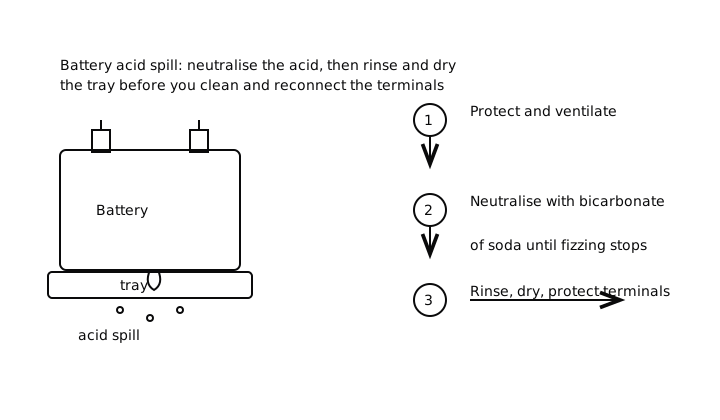
Sprinkle dry bicarbonate of soda directly onto the damp acid, or apply the solution with a cloth, and watch for fizzing where the powder meets the acid. Keep adding bicarbonate of soda and wiping until fresh powder no longer fizzes. Give the corroded terminals the same treatment.
ExpectedFresh bicarbonate of soda sits on the surface without bubbling, which shows the acid is neutralised
6Rinse and dry thoroughly
Wipe the neutralised residue away with cloths, rinse the area with a little clean water, then dry it completely with fresh cloths. Moisture left behind keeps corrosion going.
ExpectedA clean, dry tray and frame with no white residue and no acrid smell
7Clean and protect the terminals
With the corrosion neutralised, brush the terminals and cable ends bright with a terminal brush, wipe them with a cloth dampened in distilled water, dry them, and coat them with anti-corrosion spray or a thin film of petroleum jelly before reconnecting.
ExpectedBright, dry metal at every terminal, protected against fresh corrosion
8Inspect the battery that leaked
Look closely at the battery the spill came from. Check the case for cracks, the vent caps for damage, and the electrolyte level in each cell. A battery that has boiled dry from overcharging can be topped up and tested; a cracked case cannot be repaired.
ExpectedA clear finding: either a serviceable battery to be watered and tested, or a cracked case that needs replacing
Check it worked
9Confirm the area is neutral and dry
Sprinkle a small amount of fresh bicarbonate of soda across the cleaned area and watch for any reaction, then run a hand over the surface once it is dry.
ExpectedNo fizzing anywhere, no damp patches and no lingering acid smell means the spill is neutralised and the area is safe
When to book an engineer
Book an engineer if the acid has reached the frame, the wiring loom or the floor and you cannot tell how far the corrosion has spread, if a battery keeps leaking or venting after you have cleaned up, or if you would rather not handle acid yourself. Repeated leaks usually mean a failing battery or a charger that is overcharging the pack, and both are worth diagnosing before they damage the rest of the vehicle. If any electrolyte reached your skin or eyes, treat that as a medical matter first.
Common questions
What neutralises battery acid safely?
A bicarbonate of soda solution, which is a mild alkali. Dissolve a few tablespoons in a litre of water, or sprinkle the dry powder straight onto the acid. It fizzes as it neutralises the acid and stops once the acid is gone. Never use a stronger alkali or any other chemical.
Is a leaking battery dangerous?
The electrolyte is dilute sulphuric acid, so it will burn skin and eyes and corrode metal and paint, and charging batteries also give off flammable hydrogen. Handled with goggles, gloves and ventilation it is manageable, but do not ignore a leak, because the acid keeps damaging whatever it touches.
Can I still use a battery that has leaked?
It depends on why it leaked. A battery that boiled over from overcharging or a low electrolyte level can often be topped up with distilled water and tested. A battery with a cracked case has failed and needs replacing, because the crack cannot be sealed reliably.
How do I stop the corrosion coming back?
Neutralise every trace of acid, rinse, dry the area completely, then clean the terminals bright and protect them with anti-corrosion spray or petroleum jelly. If the leak returns, the battery or the charger is the cause and needs attention, not more cleaning.
What should I do with the used cloths and water?
Once the acid is neutralised the waste is far less hazardous, but treat it with care. Bag the used cloths, and check your local guidance on disposing of the rinse water rather than tipping it into a drain that runs to a watercourse.
Why did my battery leak in the first place?
The common causes are overcharging that boils the electrolyte and pushes it out of the vents, a low electrolyte level that lets a cell overheat, a cracked case from a knock or from freezing, and a loose vent cap. Cleaning up deals with the mess; finding which of these applies stops it happening again.
Did this fix it?
Every guide is written from manufacturer service documentation and workshop practice, then reviewed before publication. Read how we write and review our repair guides.