Golf cart brakes dragging: causes and fixes
Written by the Hawke Electric Vehicles Service Team
Quick answer
A golf cart that feels held back, loses range, or has a wheel that runs hot usually has a brake dragging: an over-adjusted brake, a seized or sticking cable, a parking brake that is not fully releasing, or weak shoe return springs. Jack each wheel and spin it to find which one drags, then work back from there. A dragging brake wastes range and overheats the drum, so it is worth finding promptly.
Tools needed
- Floor jack and jack stands
- Wheel chocks
- Wrenches and socket set
- Brake adjusting tool or screwdriver
- Safety glasses
Parts needed
- Brake cable if seized
- Shoe return springs if weak
- Brake shoes if worn or contaminated
Confirm the symptom
This guide covers a cart that will not roll freely, feels sluggish or held back on the flat, loses range for no clear reason, or has a wheel or drum that is hot after a drive. These are the signs of a brake dragging rather than a battery or motor problem. With the cart safely raised, spin each wheel by hand and compare how freely each one turns.
If instead the brakes are weak or the pedal is spongy, that is the opposite problem, so see the brakes not working guide. If the parking brake will not release at all, see the parking brake stuck guide. If the cart feels slow but the wheels all spin freely, the cause is more likely the battery or motor, so check the running slow guide. Come back here for a wheel that drags.
What causes it
| Cause | How common | How to confirm | Fix |
|---|---|---|---|
| Brake over-adjusted, shoes set too tight | very common | Back off the adjuster and recheck the wheel spins free | How to adjust golf cart drum brakes |
| Seized or sticking brake cable | common | Check the cable frees and returns fully as the pedal releases | How to replace a golf cart brake cable |
| Parking brake not fully releasing | common | Release the parking brake fully and recheck the drag | |
| Weak or broken shoe return springs | common | Inspect the return springs inside the drum | |
| Worn, contaminated or swollen shoes | occasional | Inspect the shoes for wear, oil or swelling |
Find the dragging wheel first
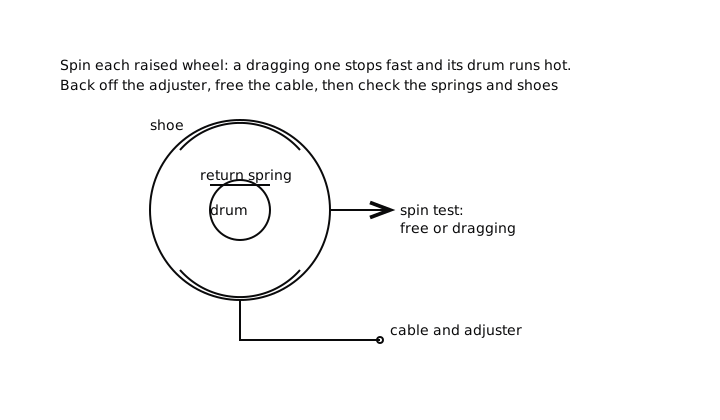
Before adjusting anything, find which wheel drags. With the cart safely raised and the parking brake off, spin each wheel by hand. A free wheel spins several turns; a dragging wheel stops quickly or will not spin freely, and its drum may be warm. This tells you which brake to work on.
1Spin each wheel and compare
With the parking brake released, spin each raised wheel by hand and compare. Feel each drum for warmth after a short drive if you are not sure.
ExpectedOne wheel that stops quickly or will not spin freely, or a drum warmer than the others, identifies the dragging brake
Brake over-adjusted or cable sticking
The most common cause is a brake adjusted too tight, so the shoes never fully clear the drum. A seized or sticking cable does the same by holding the brake partly on. Back the adjustment off and check the cable frees; the brake adjustment and cable replacement guides cover both in detail.
2Back off the adjuster and check the cable
Back off the brake adjuster on the dragging wheel a little and recheck the spin, following the brake adjustment guide. Then apply and release the brake and watch the cable return fully rather than staying tensioned.
ExpectedThe wheel spins freely once the adjuster is backed off correctly, and the cable moves and returns fully; a cable that stays tight is seized
Parking brake not releasing
A parking brake that does not fully release holds the brakes partly on. This is easy to rule out and sometimes the whole answer, particularly if both rear wheels drag together.
3Fully release the parking brake and recheck
Make sure the parking brake is fully released, working the mechanism through its travel, then recheck the drag on the affected wheels.
ExpectedThe drag clears when the parking brake is fully released; if it does not, the mechanism or cable is holding on and needs attention
Weak springs or contaminated shoes
Inside the drum, weak or broken shoe return springs let the shoes stay in contact after each brake application, and shoes that are worn, oil-contaminated or swollen can bind. This means pulling the drum to inspect, so it is a step further in.
4Inspect the springs and shoes
With the drum removed, check the shoe return springs are present and firm, and inspect the shoes for wear, oil contamination or swelling that would stop them pulling clear of the drum.
ExpectedFirm return springs and clean, sound shoes that sit clear of the drum; weak springs or contaminated shoes found here are the cause
When to get professional help
Brakes are safety critical, so call a technician if you are not confident adjusting them, if a cable is seized, if the springs or shoes need replacing, or if the drag continues after adjustment. A brake left dragging overheats and can fade or seize, and a badly set brake is a safety risk. A technician can strip, inspect and set the brakes correctly and confirm the wheels run free and stop properly.
Common questions
Why does my golf cart feel like it is held back?
The usual cause is a brake dragging: an over-tight adjustment, a sticking cable, a parking brake not fully releasing, or weak shoe return springs. Raise the cart and spin each wheel to find which one does not turn freely, then work back from there. A dragging brake also wastes range and overheats the drum.
How do I know which brake is dragging?
With the cart safely raised and the parking brake off, spin each wheel by hand and compare. A free wheel spins several turns; a dragging wheel stops quickly or will not spin freely, and its drum often feels warm after a drive. That wheel is the one to work on first.
Can a dragging brake damage my cart?
Yes. A brake left dragging overheats the drum and shoes, which can cause the brake to fade or seize, and it wastes battery range and stresses the motor. It is worth finding and curing promptly rather than driving on it, both for safety and to avoid heat damage to the brake parts.
Will backing off the adjuster fix a dragging brake?
If the cause is an over-tight adjustment, backing the adjuster off as the brake adjustment guide describes will free it. But if the cable is seized, a spring is weak, or the shoes are contaminated, adjustment alone will not cure it, and the brake needs stripping to fix the real cause. Confirm the wheel spins free after any adjustment.
Guided check
Diagnose it step by step
Answer a few questions and we will point you at the most likely cause.
Question 1 of 5
Does it still stop safely, just with a longer or softer pedal?
Did this fix it?
Every guide is written from manufacturer service documentation and workshop practice, then reviewed before publication. Read how we write and review our repair guides.