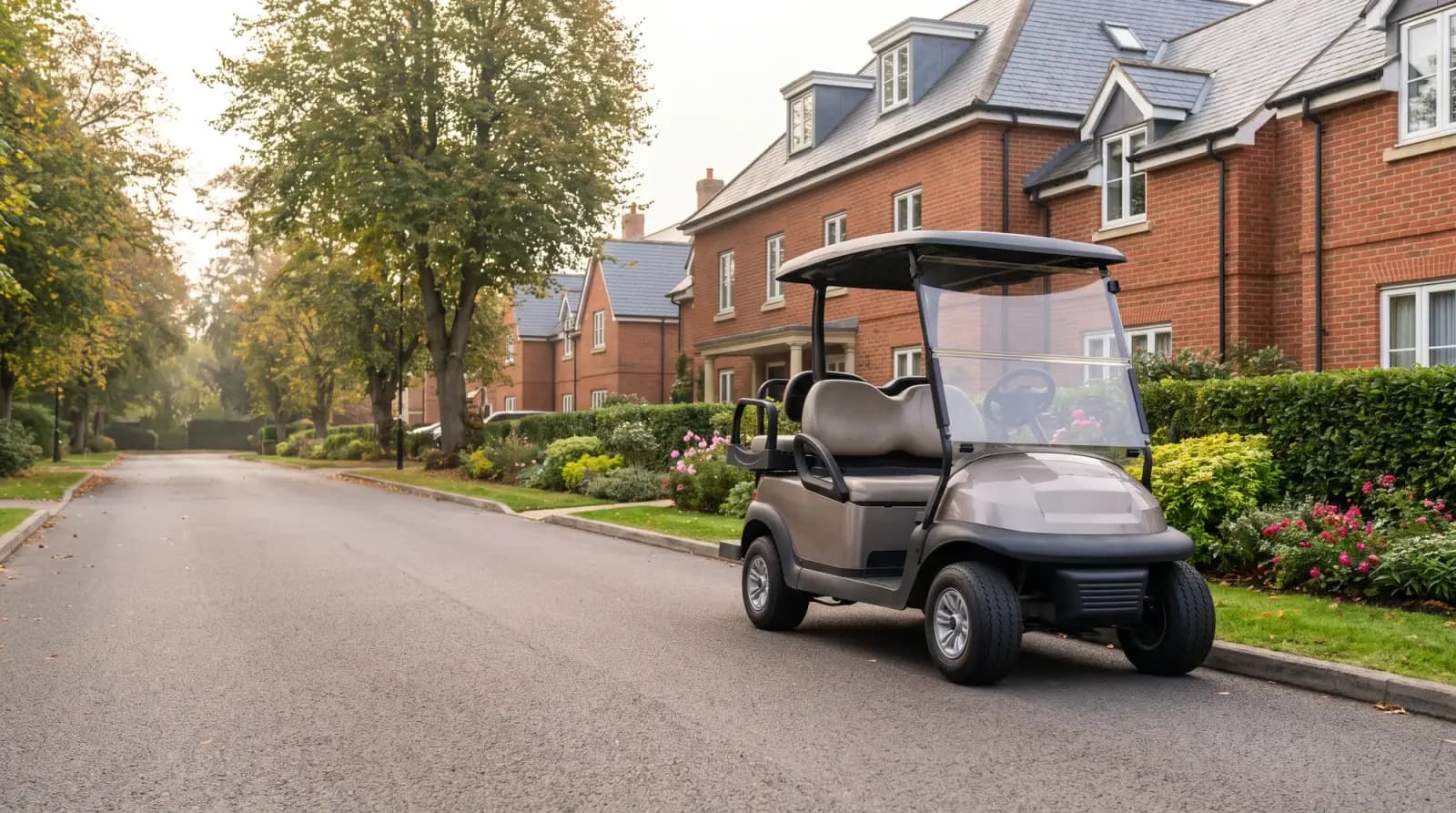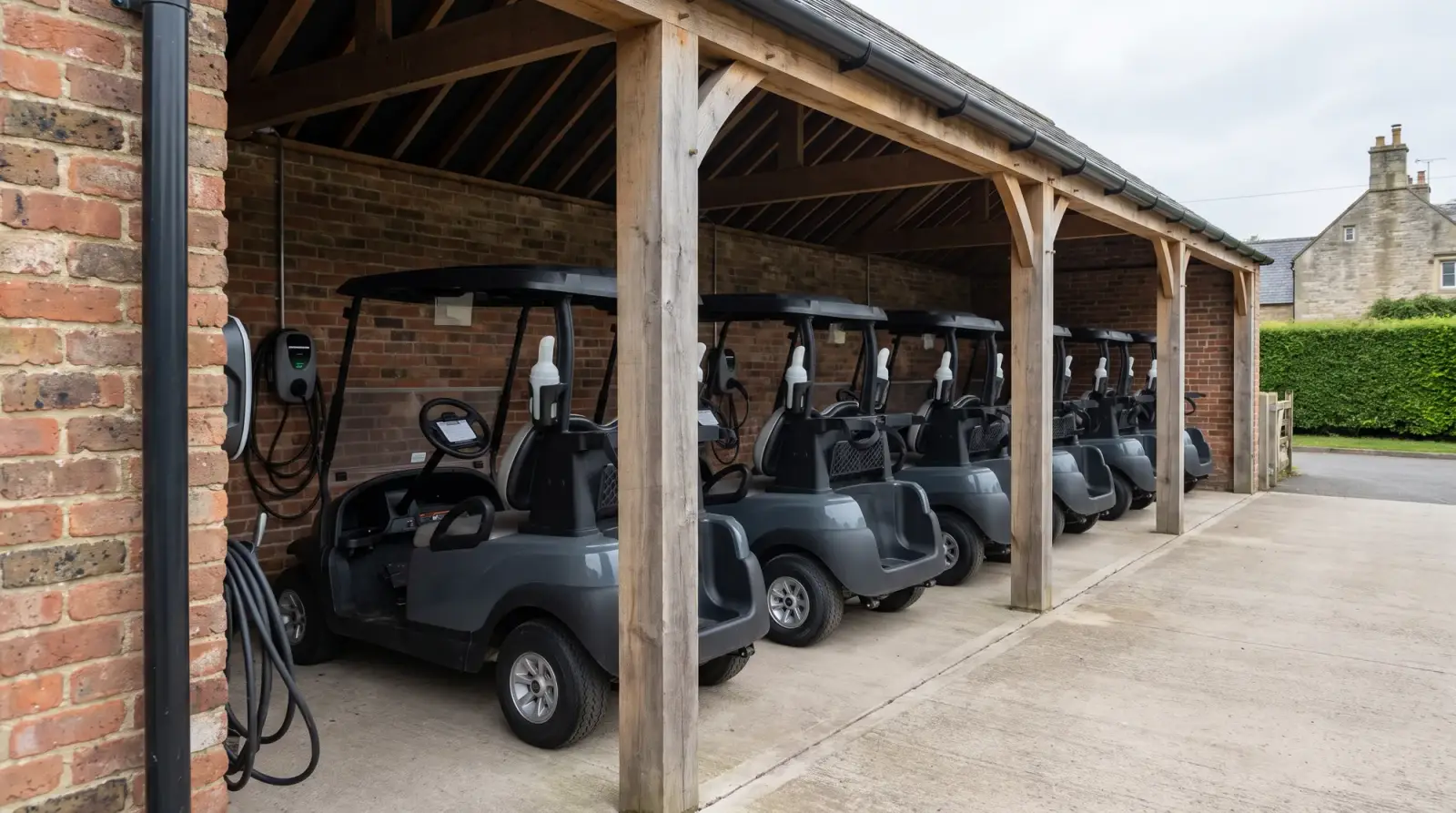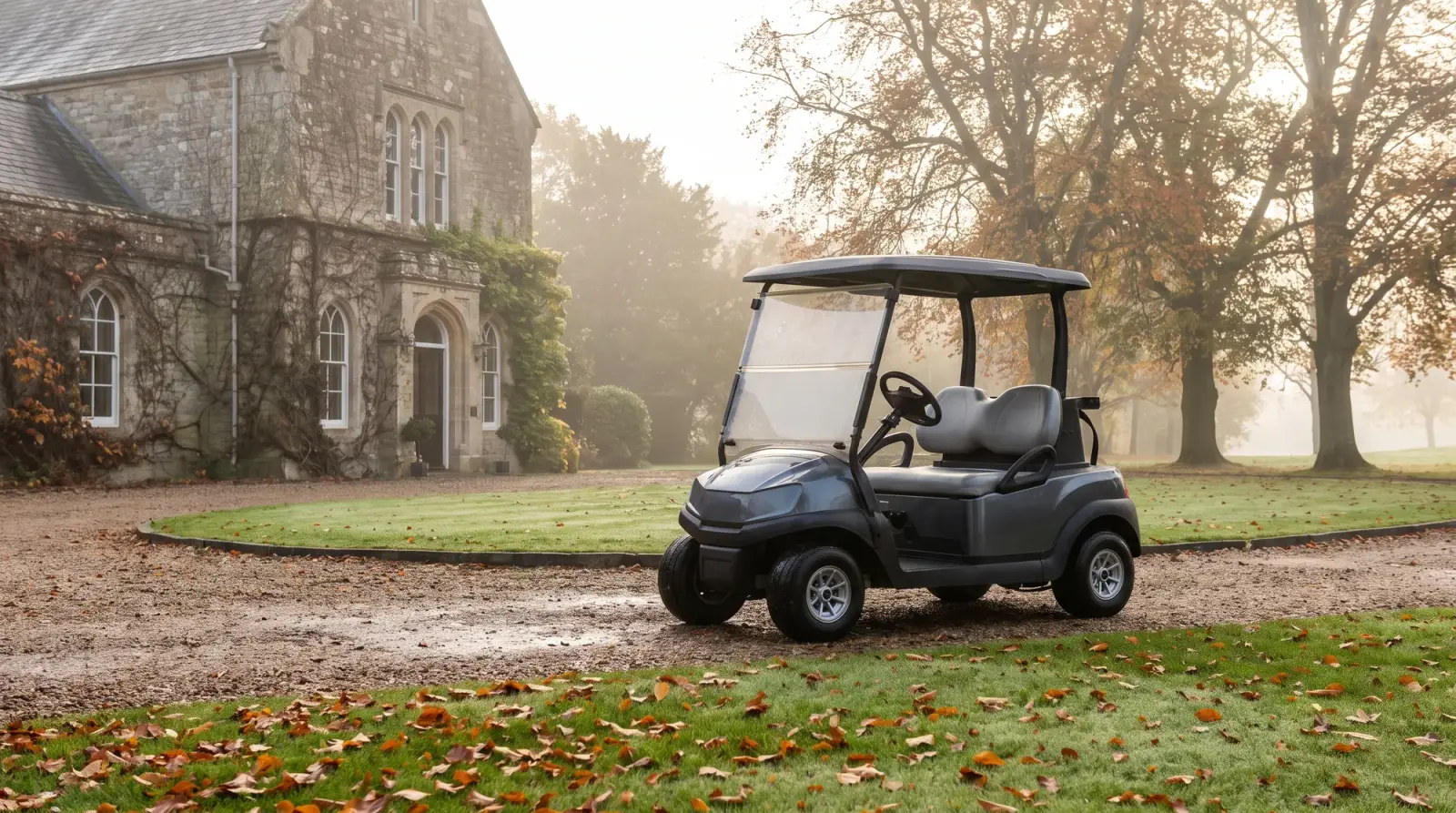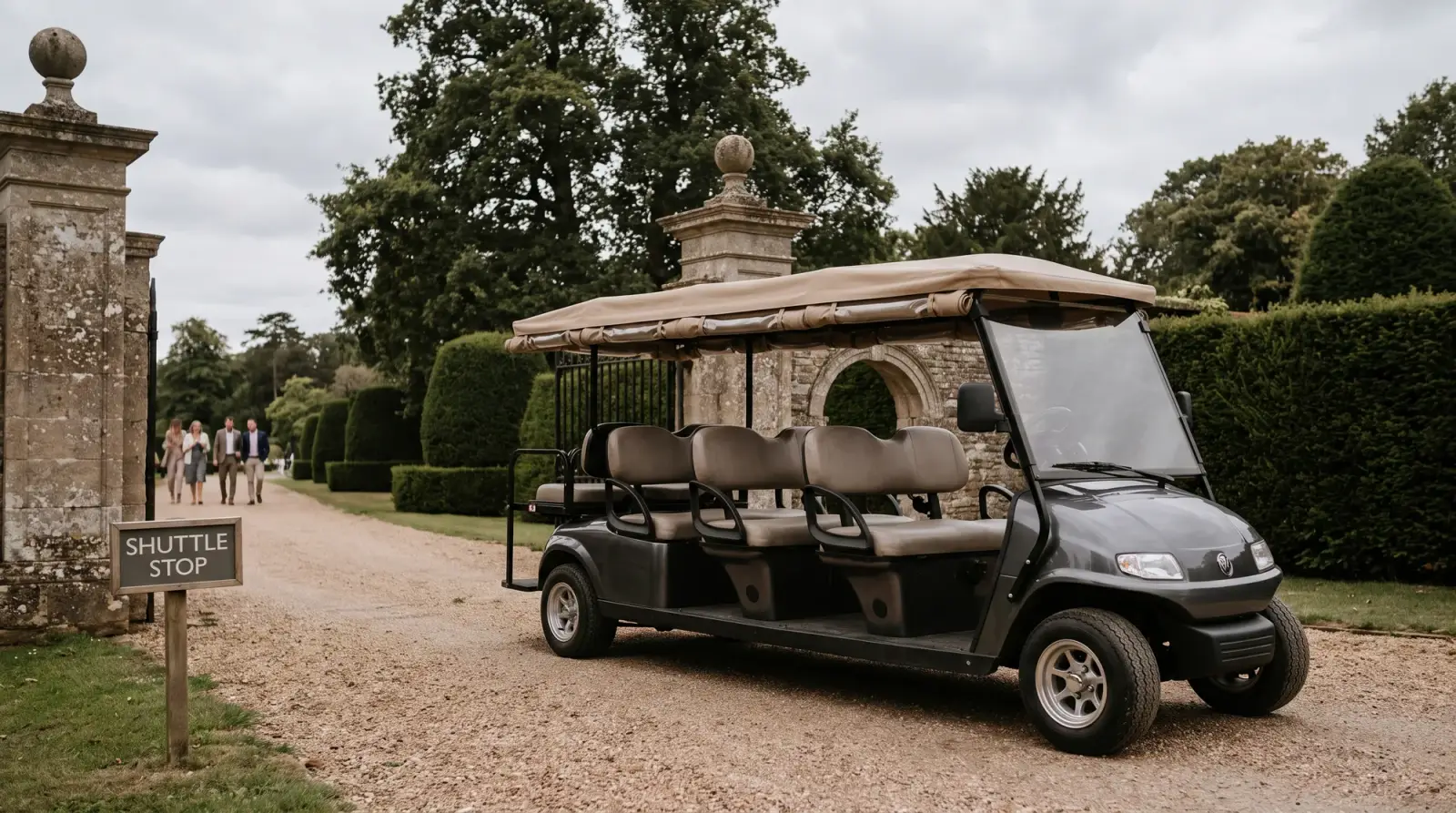
A visitor mobility cart service is one of the highest-impact accessibility projects an attraction can run, and the ingredients are modest: one to three multi-seat electric golf carts, a pool of trained volunteer drivers and a simple route linking the car park, the entrance and the points visitors most want to reach. The National Trust has proved the model at properties across the country, where volunteer-driven golf carts carry less-mobile visitors who would otherwise see the tearoom and not much else.
If you manage visitor experience or volunteering at a garden, country park or heritage site, the practical questions are always the same. What does the vehicle need? How do you train drivers who've never driven a cart? What will the insurer ask? And should visitors book, or just turn up? None of it is complicated, but most of it needs deciding before the cart ever arrives.
- The proven model is one to three six or eight-seat electric golf carts running a fixed loop or hail-and-ride route between car park, entrance and key garden points.
- Volunteer drivers don't need a special licence on private land, but they do need an induction and a documented driving assessment before solo shifts.
- Your public liability insurance must name volunteer drivers. Tell your insurer before the first shift, not after an incident.
- Accessible spec beats speed: low step height, grab handles both sides and a quiet electric drive that doesn't fight hearing aids.
- Start free and turn-up, measure demand for a season, then add bookable access slots only if the cart keeps leaving people behind.
How do National Trust-style cart services work?
The pattern is remarkably consistent across properties in the Dunham Massey and Attingham Park mould. A small fleet of electric golf carts shuttles between the car park or welcome building and the parts of the property that involve the longest walk. Volunteers drive them. Visitors either wait at marked stops or flag the cart down as it passes, and the service is usually free, funded as part of the property's access provision rather than as a revenue line.
Two route styles dominate. A fixed loop runs a published circuit on a rough timetable, say every 15 to 20 minutes, calling at the entrance, the main garden and a far point such as a lakeside or walled garden. Hail-and-ride is looser. The cart patrols where it's needed and visitors wave it down. Fixed loops suit larger estates with predictable demand and multiple stops; hail-and-ride suits smaller gardens where one driver can see most of the route from the seat.
There's a third variant worth knowing: the on-request run. Visitors ask at the welcome desk, and a volunteer is radioed to collect them. It uses driver time efficiently on quiet weekdays, but it only works if the desk team and drivers share a radio channel and actually use it.
What vehicle does an accessibility shuttle need?
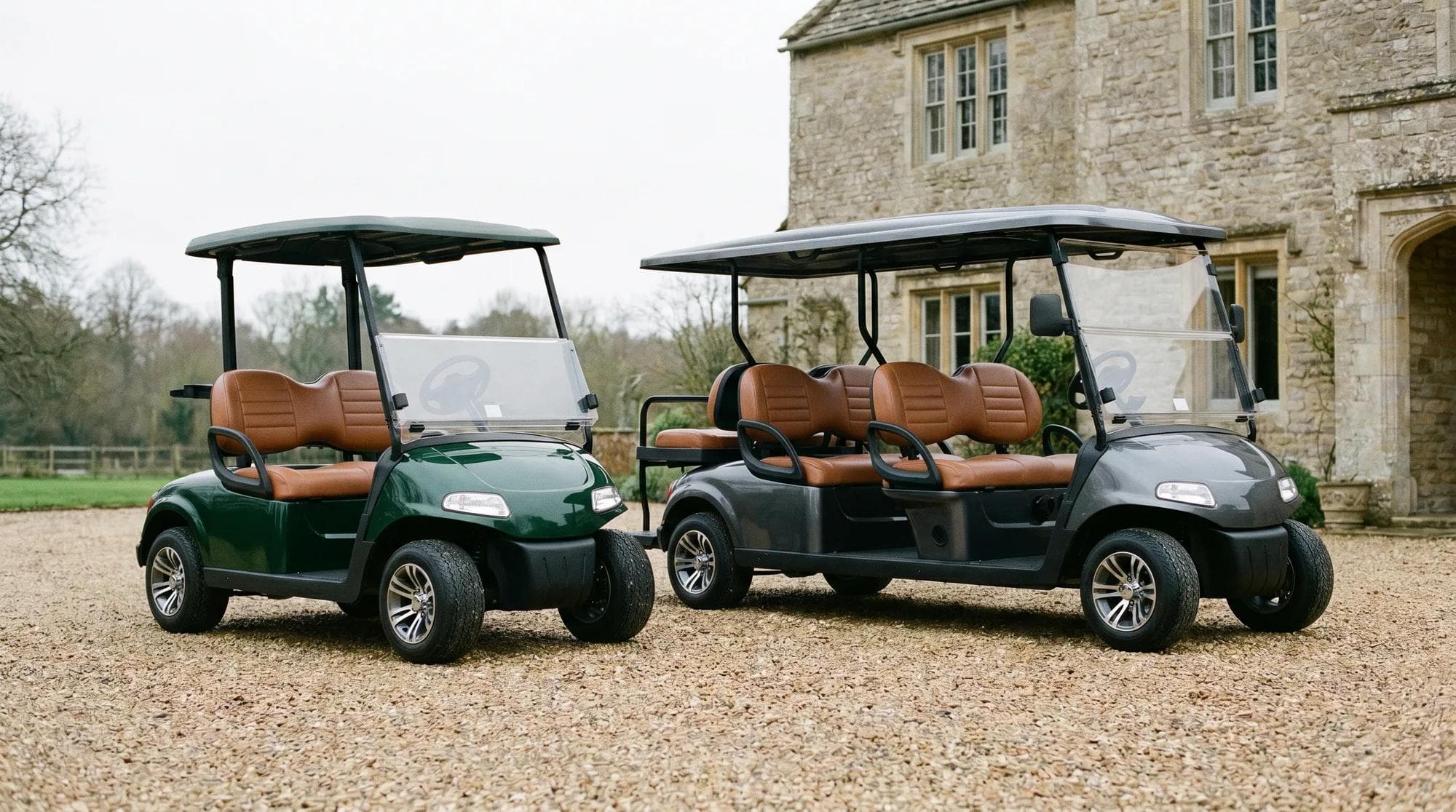
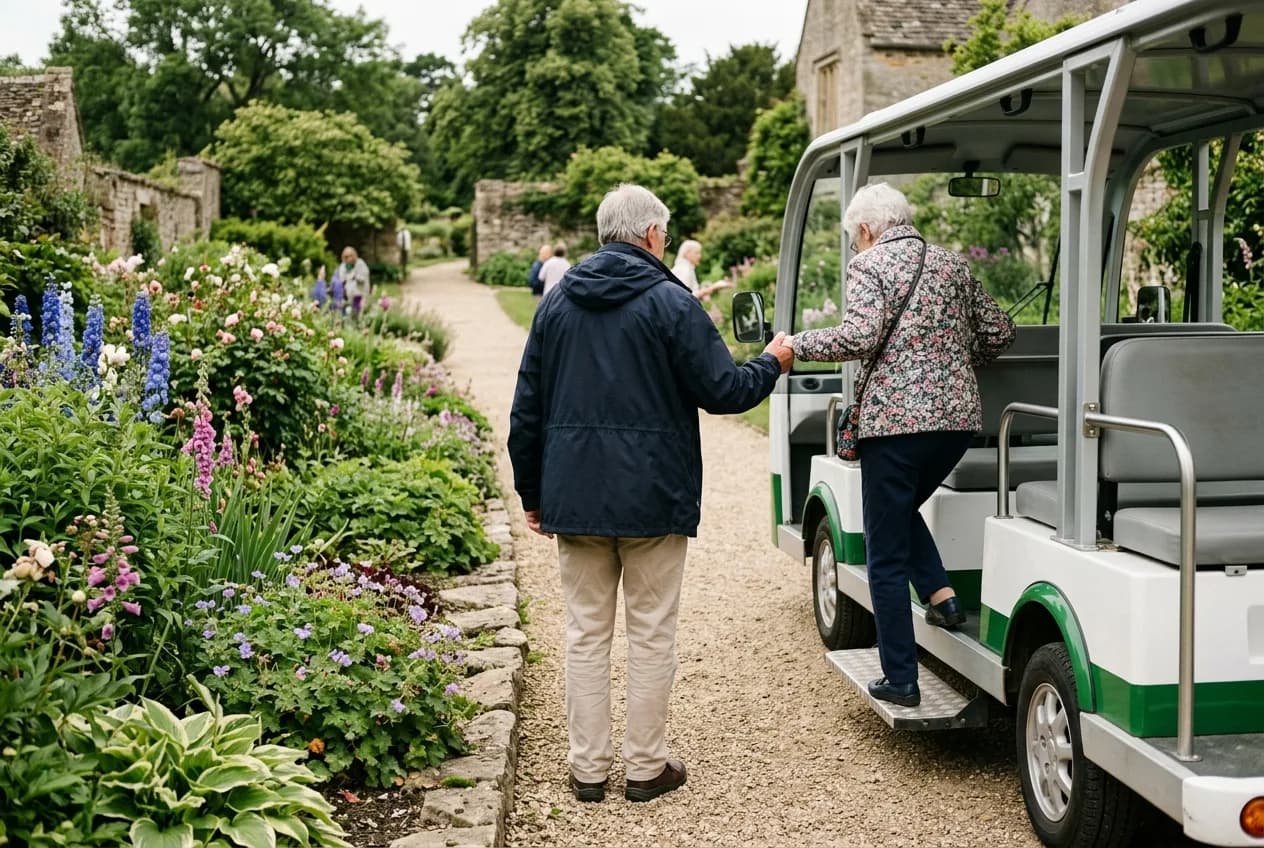
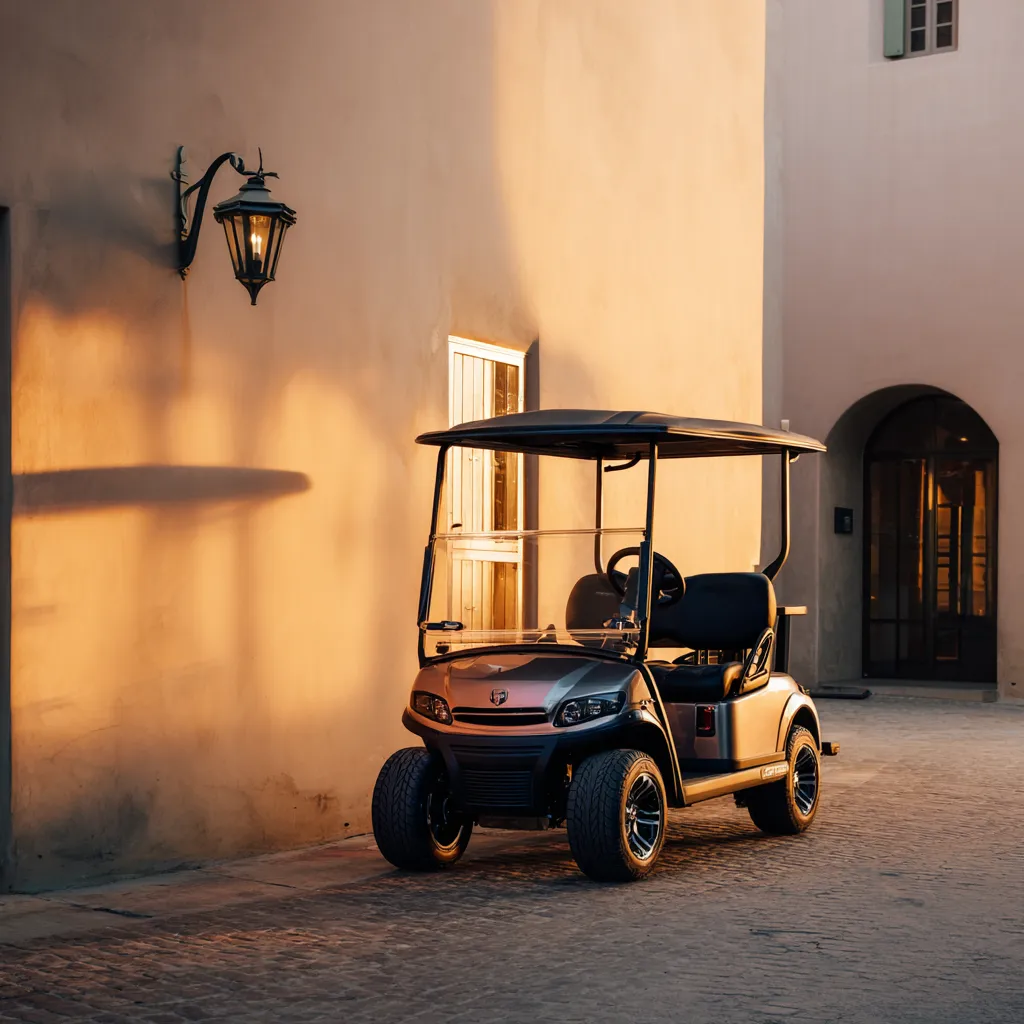
Speed is irrelevant. A visitor shuttle rarely needs more than 10mph, and on busy paths you'll run slower than that. What matters is how easily an 85-year-old with a walking stick gets in and out. Look for a low, flat step (ideally under 30cm), grab handles on both sides of every row, a full weather canopy and a rear rack for folded wheelchairs and walking frames. Forward-facing bench seats are easier for most passengers than inward-facing ones.
Quiet drive matters more than people expect. An electric cart is near-silent, which means passengers wearing hearing aids can actually hear the driver's commentary and instructions, and the vehicle doesn't intrude on the atmosphere of a garden the way a gas machine does. Six seats is the sweet spot for most attractions: driver plus five, or driver plus four and a luggage shelf. Bigger properties running timetabled loops often step up to eight. Our guide to choosing the right cart size covers the trade-offs in more detail.
- Suits
- Smaller gardens with one main route
- Typical operating model
- Hail-and-ride or on-request, weekends and peak days
- Suits
- Larger estates with a long approach from the car park
- Typical operating model
- Fixed loop every 15 to 20 minutes, daily in season
- Suits
- Major properties with multiple routes or event days
- Typical operating model
- Timetabled loops plus event and overflow cover
| Suits | Typical operating model | |
|---|---|---|
| 1 x 6-passenger | Smaller gardens with one main route | Hail-and-ride or on-request, weekends and peak days |
| 2 x 6-seaters | Larger estates with a long approach from the car park | Fixed loop every 15 to 20 minutes, daily in season |
| 3 x 6 or 8-seaters | Major properties with multiple routes or event days | Timetabled loops plus event and overflow cover |
Not sure which spec fits your paths? Hire first. Short-term cart hire lets you run the service for a trial season, learn what your routes actually demand, and buy the right vehicle second time around instead of guessing first time.
Do volunteer drivers need training or a licence?
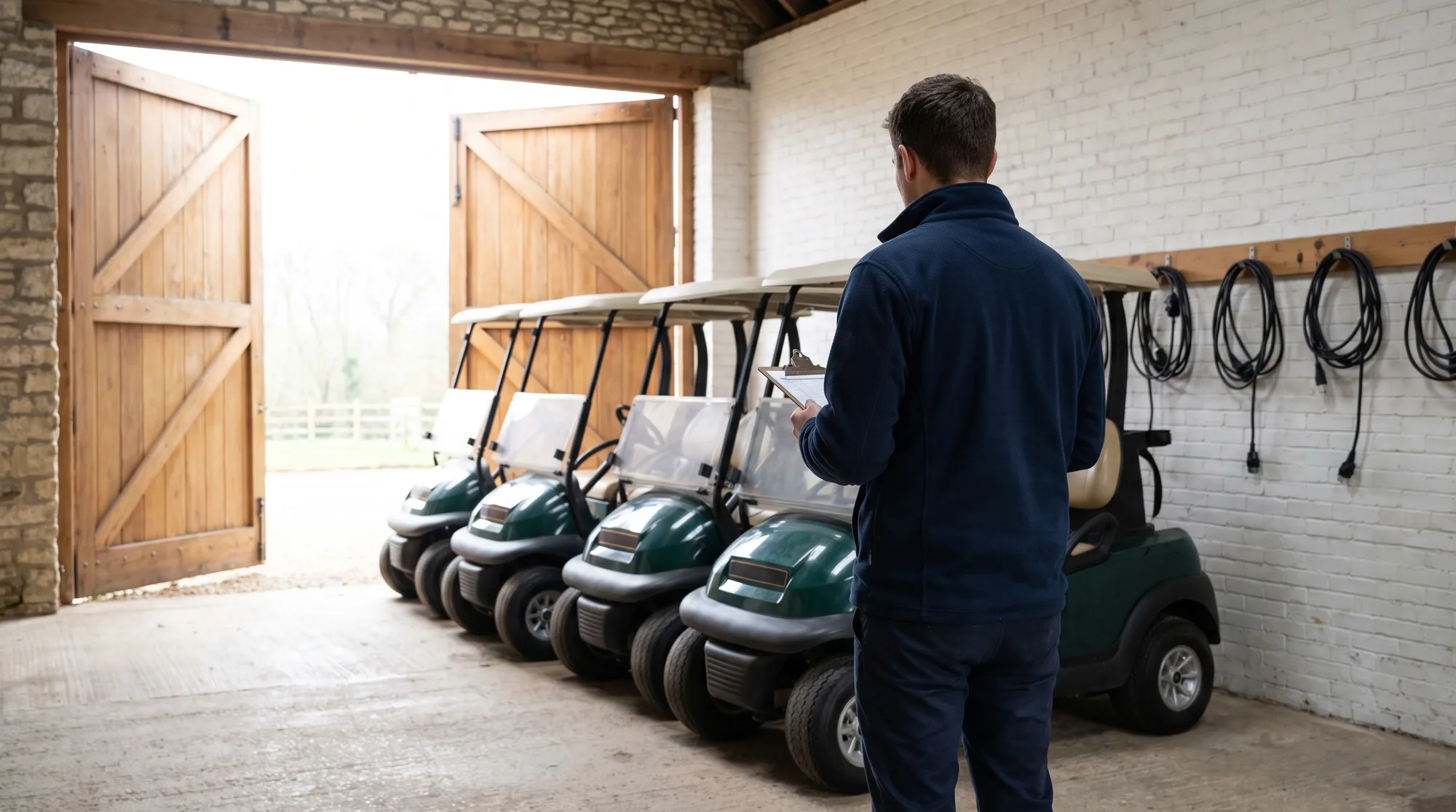
No special licence is legally required to drive a cart on private land. Many attractions still ask volunteers to hold a full driving licence as a sensible baseline, but the law doesn't demand it. What good practice does demand is a structured induction (the route, the stops, how to help passengers board, what to do if someone falls) followed by a documented driving assessment before anyone takes passengers solo. Keep the records. A cart used by your organization is work equipment, so maintenance and training paperwork falls under the same regime we cover in our fleet compliance guide to PUWER and PAT testing.
Refresher assessments once a year keep standards honest, and they give you a fair, documented way to stand a volunteer down if their driving deteriorates. That conversation is far easier when it's a routine assessment result rather than a personal judgement.
It's also worth reading up on how cart cover works generally, because the exclusions catch people out. Our guide to golf cart insurance in the UK explains the difference between liability-only and full vehicle cover.
Should the service be free, bookable or turn-up?
Free and turn-up is the most inclusive model and the easiest to run, which is why most volunteer-driven services start there. The weakness shows on peak days, when a visitor who genuinely can't manage the walk waits 40 minutes while the cart ferries people who fancied a lift. Bookable slots fix that by guaranteeing access, but they add admin, need someone to manage a diary, and exclude the spontaneous visitor who didn't know the service existed.
The answer is a hybrid. Run free and turn-up as the default, publish the service clearly on your access page, and hold one or two bookable runs a day for visitors who contact you in advance. You get the inclusivity of turn-up with a safety net for the people who need certainty.
How do you set the service up?
- 01
Walk the route first
Map the run from car park to entrance to key garden points on foot. Note gradients, pinch points, loose surfaces and where a six-passenger can actually turn around. This walk decides your vehicle spec.
- 02
Choose and trial the vehicle
Shortlist six-seat-plus electric golf carts with a low step, grab rails and a canopy, then get one on site for a trial day before committing. Paths that look fine on paper can be too cambered or too narrow in practice.
- 03
Sort insurance and the risk assessment
Notify your insurer, confirm volunteer drivers are named, and write a route risk assessment covering passengers, pedestrians and reversing points.
- 04
Recruit and assess drivers
Run the induction, complete a documented driving assessment for each volunteer, and set a minimum roster so the service doesn't collapse when two people are on holiday.
- 05
Set the operating model and publish it
Fixed loop or hail-and-ride, hours, free or bookable. Put it on your access page and on Euan's Guide-style listings so visitors can plan around it.
- 06
Review after one season
Count passengers, log missed pickups and near misses, then decide whether the fleet grows, the route changes or the timetable tightens.
Frequently asked questions
How do National Trust mobility golf carts work?+
Volunteer drivers run electric golf carts on a fixed loop or hail-and-ride basis between the car park, entrance and key garden points. The service is typically free, and properties usually advise checking availability on the day because it depends on volunteer cover.
Do cart drivers need training or a licence?+
No special licence is required on private land. Good practice is an induction plus a documented driving assessment before solo shifts, with annual refreshers. Many attractions ask for a full driving licence as a baseline, but that's policy, not law.
What insurance does a visitor cart service need?+
Public liability insurance that explicitly names volunteer drivers, plus appropriate cover for the vehicle itself. If any part of the route crosses or uses a public road, motor insurance requirements apply and you should take specializt advice.
How many seats should an accessibility cart have?+
Six is the sweet spot for most attractions: driver plus five passengers. Large properties running timetabled loops often use eight-seaters. Step height, grab handles and space for folded wheelchairs matter more than the raw seat count.
Should the service be free or bookable?+
Most start free and turn-up because it's simplest and most inclusive. Add a couple of bookable runs per day if demand outstrips capacity, so visitors who can't risk a wait are guaranteed a seat.
If you're starting from zero: one six-seat electric cart, hail-and-ride, free, weekends and holidays first. That gets a real service running within a couple of months and generates the passenger numbers you'll need to justify a second vehicle. Scale from evidence, not optimism.
Planning an accessibility shuttle?
Hawke supplies accessible six and eight-seat electric people movers with low step heights, grab rails and bespoke colors to match your site, backed by a 3-year warranty and UK-wide support. Tell us about your routes and we'll spec the right vehicle.
Ready to find the right golf cart?
Tell us how and where it will work and we will specify a vehicle and a tailored quote built around you. Every build comes with a 3-year warranty and a 24-hour priority call-out.
Our guides are written and reviewed by the Hawke Electric Vehicles team, the people who specify, build, deliver and support the vehicles. We focus on honest, practical advice and flag where a figure depends on the build rather than guessing.
More guides by Hawke