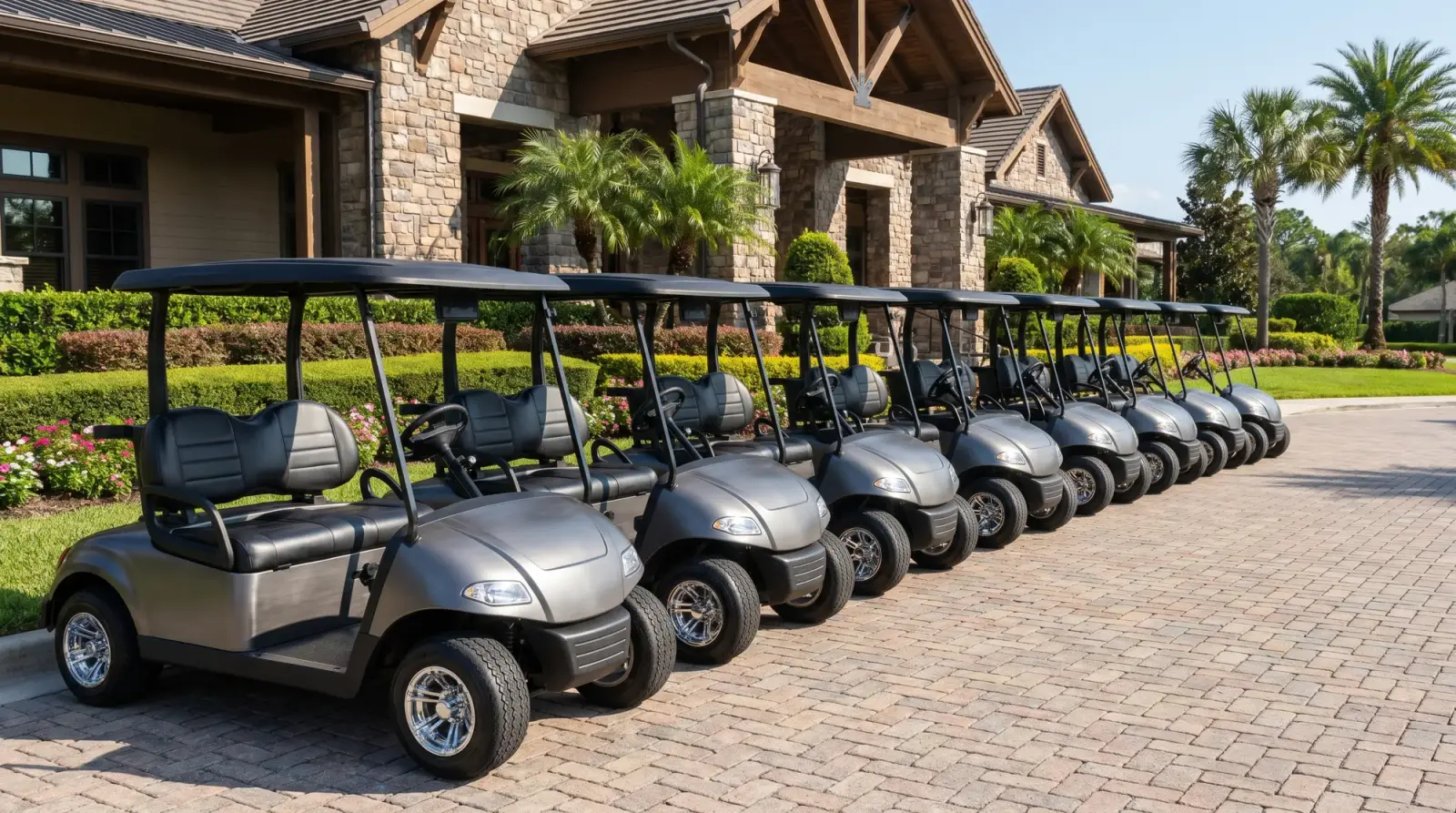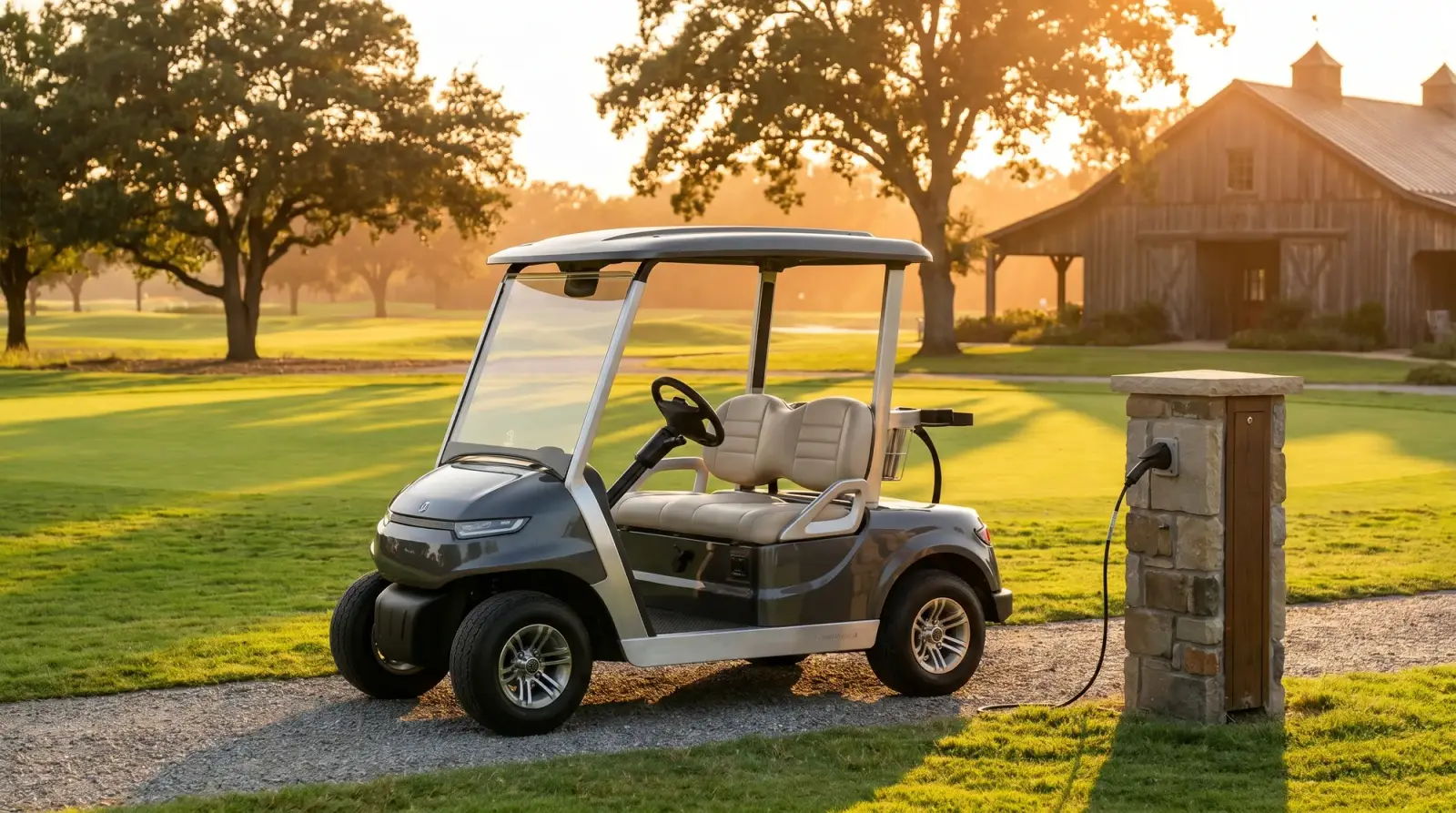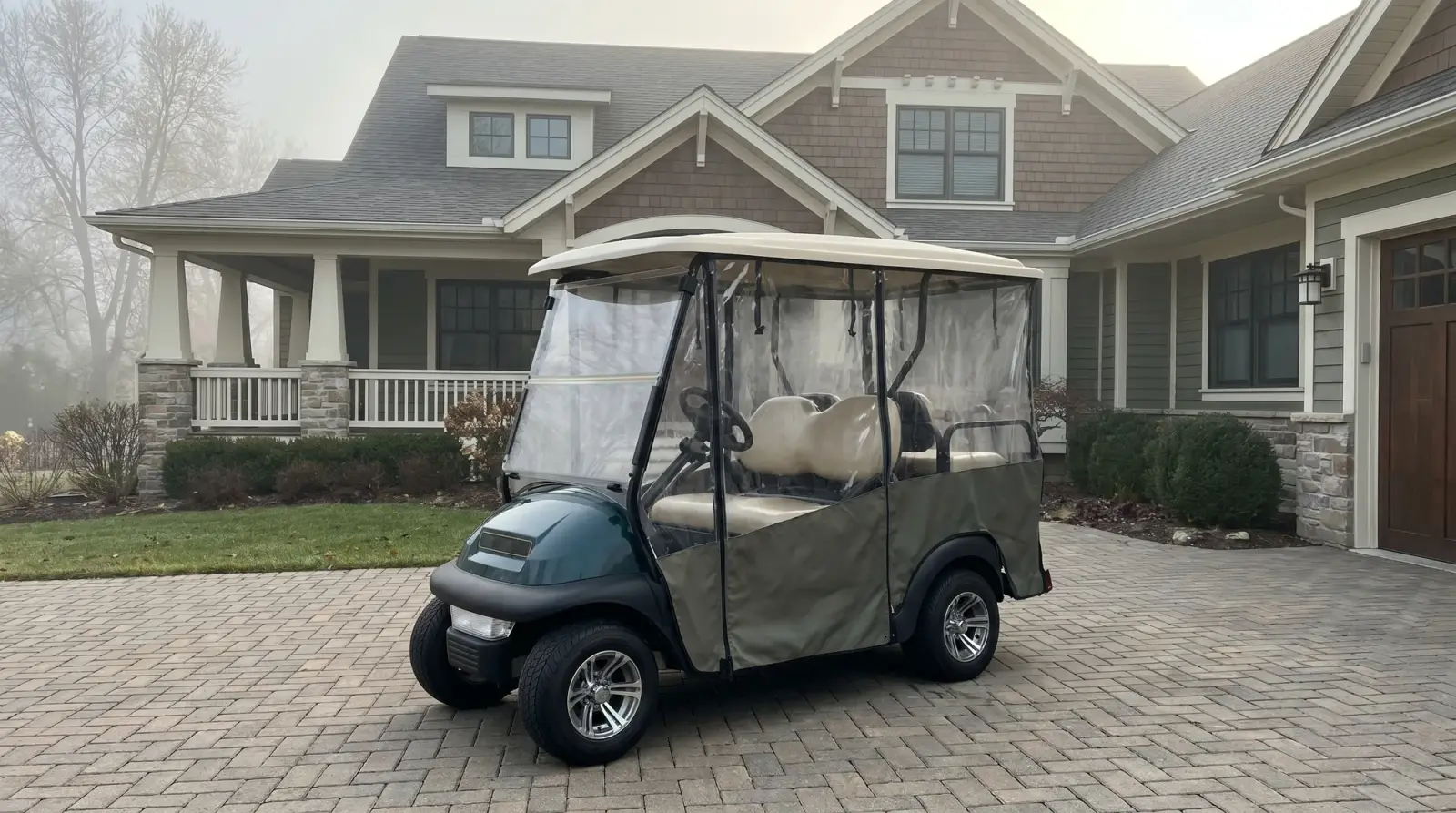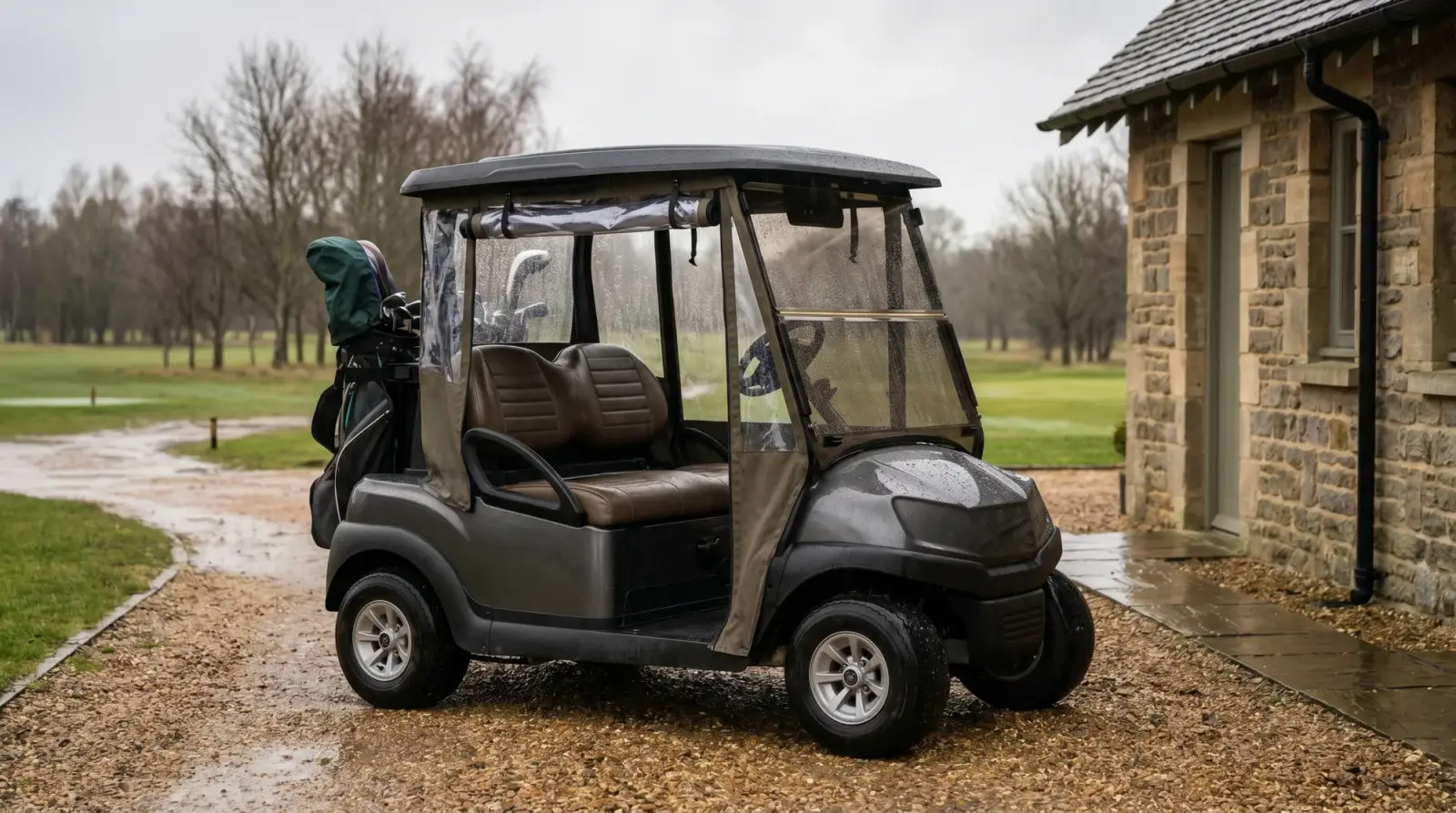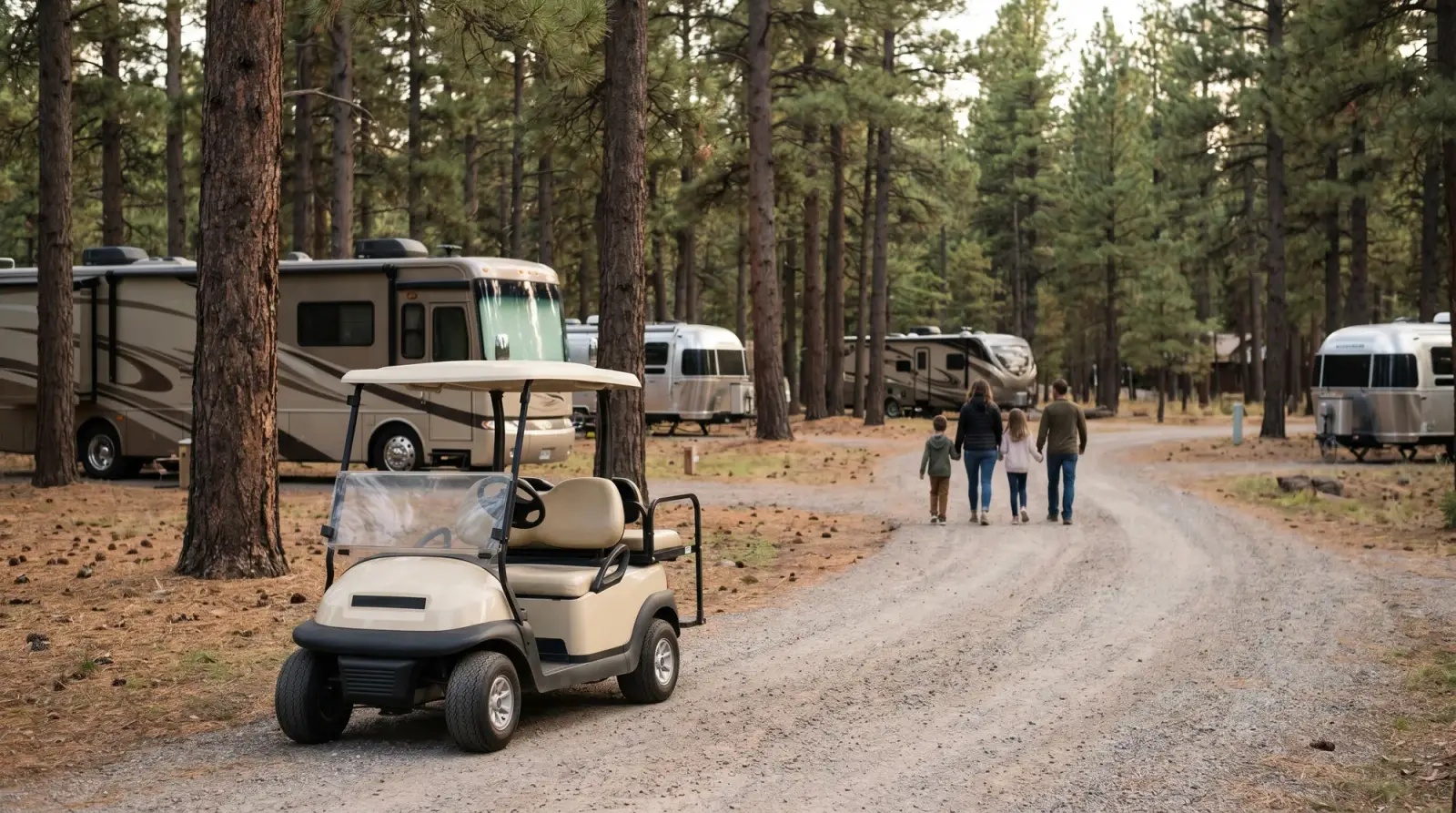
For a campground or RV park, golf carts are not a luxury; they are operational infrastructure. Staff use them to check in arrivals, ferry guests and luggage, run maintenance and patrol the grounds, while guest rentals can become a genuine revenue line. But buying for a commercial operation is nothing like buying a personal cart. You are choosing for hard daily duty, mixed terrain, multiple drivers, year-round weather and a charging schedule that has to keep a fleet moving. This guide is written for the operator, covering fleet sizing, the right specs, charging logistics, rentals and the return on investment that justifies the spend.
- Carts at a park are working assets; spec for durability and daily duty, not weekend leisure.
- Size the fleet by job: separate staff operations carts from any guest rental fleet.
- Mixed terrain, gravel and slopes mean you need real torque, good tires and sometimes a lift.
- Cargo beds and extra seats matter; staff carry tools, luggage and guests constantly.
- Charging logistics make or break a fleet; plan power, scheduling and possibly lithium from the start.
Carts as park infrastructure, not extras
The first mental shift for an operator is to stop thinking of these as recreational vehicles. At a busy park a cart runs all day, every day, in the hands of seasonal staff who will not baby it, over gravel, grass, dirt and pavement, in all weather. That duty cycle is brutal compared with a homeowner driving to the clubhouse twice a week. It means you prioritize build quality, serviceability and the right power for the terrain over cosmetics, and you plan for maintenance as a line item rather than a surprise.
It also means thinking in terms of fleet, not vehicle. Even a small park usually needs more than one cart, and the jobs differ enough that one model rarely fits all of them. For the broader shared-use picture, our guides on carts for resorts and communities and the maintenance demands of heavy use in our maintenance and repair basics are useful companions to this operator view.
Sizing the fleet by job
Do not pick a fleet size from a gut feeling; build it from the jobs the carts have to do. List the roles, estimate the simultaneous demand at your busiest, and size from there with a little spare for downtime and charging.
- Check-in and guest transport: ferrying arrivals, luggage and guests to sites, often the busiest role at peak.
- Maintenance and grounds: carrying tools, supplies and crew, almost always needing a cargo bed.
- Security and patrol: covering the grounds reliably, day and night, which means good lights and range.
- Guest rentals: a separate, often larger fleet sized to demand, weekends and holidays driving the peak.
- Spare capacity: always keep margin so a cart on charge or in for service does not stop operations.
Specifying carts that survive park life
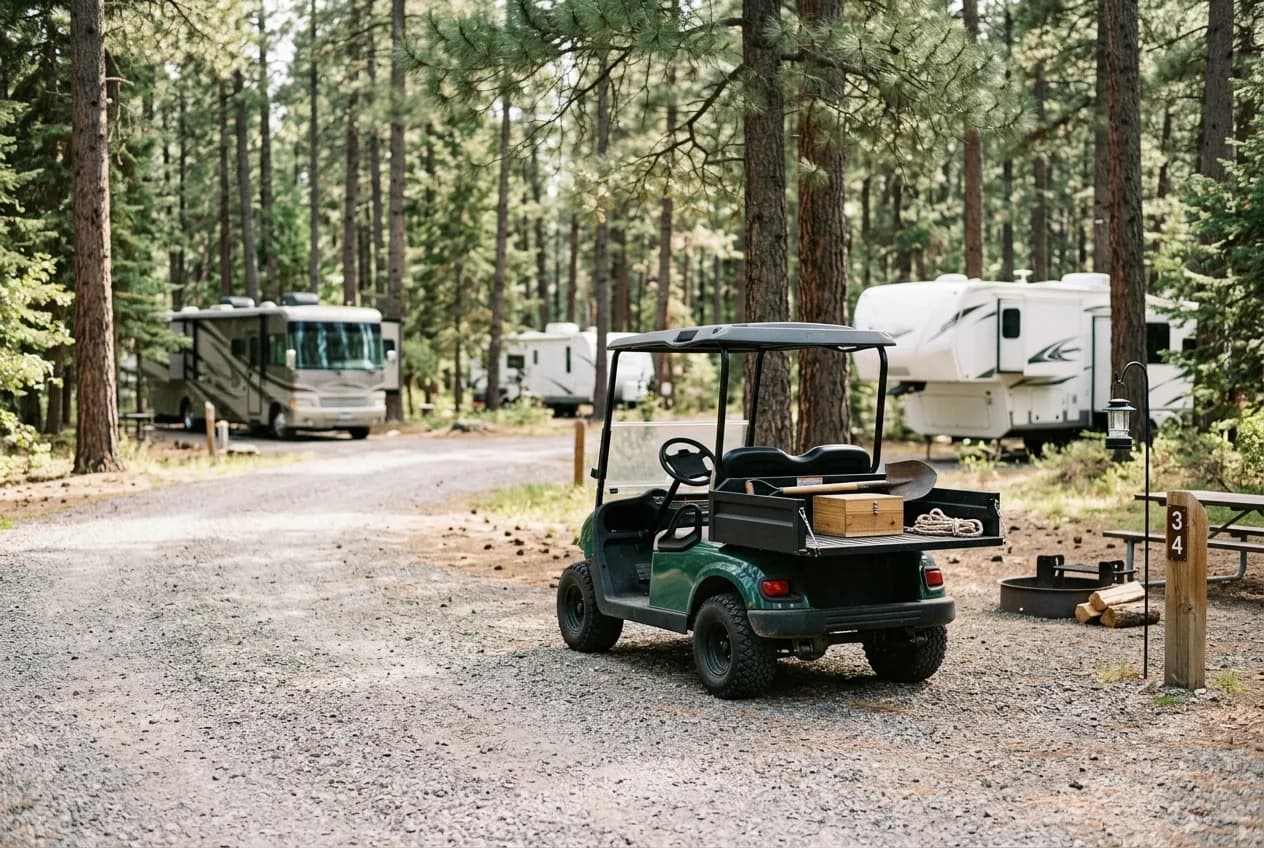
Park terrain is the deciding factor in the spec. Gravel roads, grass, dirt and slopes demand real torque, durable tires and good ground clearance; a flat-ground course cart will struggle. Many parks benefit from a mild lift and all-terrain tires, covered in our lift kits explained and hills and off-road guides. Beyond drivetrain, think about seating and cargo: utility carts with cargo beds for staff, four or six seats for guest transport, and weather protection so the fleet works in rain and sun alike.
Charging logistics: the make-or-break detail
Nothing stops a fleet faster than running out of charged carts. For a single cart, charging is trivial; for a fleet, it is a logistics problem you must design for. You need enough circuits and the right power to charge multiple carts overnight, a charging area that is safe and ventilated, and a schedule that staggers use so carts are ready when shifts start. This is exactly where lithium batteries earn their premium at scale: they charge faster, can opportunity-charge during the day, last longer under hard use and need no watering, which matters across a fleet. Our lithium versus lead-acid guide and home charging guide explain the trade-offs that scale up here.
- Lead-acid
- Lower per cart
- Lithium
- Higher per cart
- Lead-acid
- Slow, mostly overnight
- Lithium
- Faster, opportunity charging
- Lead-acid
- Watering, terminal care
- Lithium
- Effectively none
- Lead-acid
- Shorter, replace sooner
- Lithium
- Longer, better for fleets
- Lead-acid
- Higher, longer charges
- Lithium
- Lower, quick top-ups
| Lead-acid | Lithium | |
|---|---|---|
| Upfront cost | Lower per cart | Higher per cart |
| Charge time | Slow, mostly overnight | Faster, opportunity charging |
| Maintenance | Watering, terminal care | Effectively none |
| Lifespan under hard use | Shorter, replace sooner | Longer, better for fleets |
| Downtime | Higher, longer charges | Lower, quick top-ups |
Rentals as a revenue line
A guest rental fleet can turn carts from a cost into a profit center, but it adds responsibilities. You will need a clear rental agreement, driver rules and age requirements, a safety briefing, insurance suited to commercial rental use, and a maintenance routine to keep rental carts safe and presentable. Rentals also wear carts harder, since renters drive less carefully than staff, so build that into your replacement planning. Done well, a holiday-weekend rental fleet can pay for a meaningful share of your overall cart investment.
Making the numbers work
The ROI case for park carts rests on three things: labor saved by moving staff and supplies efficiently, guest satisfaction that drives repeat bookings and reviews, and direct rental revenue. Against that sit the purchase, charging infrastructure, maintenance and insurance. For most parks the math favors buying durable carts, specifying lithium where the duty cycle is heavy, and keeping spare capacity so the fleet never stops the operation. Indicative pricing for commercial-grade carts varies widely with spec, seating and battery, so the only honest figure is a quote against your actual fleet plan rather than a sticker number.
The parks that get this right buy for the duty cycle and plan the charging first. The ones that struggle bought pretty carts and discovered they could not keep them charged.
So what should an operator do?
Map the jobs, size the fleet with spare capacity, spec durable carts for your terrain with the right cargo and seating, design the charging logistics before you buy, and treat any rental fleet as a real business with its own rules and costs. Then build the ROI from labor, guest experience and rental revenue. We work with campground and RV-park operators to spec fleets to the real duty cycle, with honest pricing on multi-cart orders.
Plan a campground or RV-park fleet
Tell us your terrain, your jobs and your peak demand, and we will spec a durable fleet and charging plan with an honest price.
Frequently asked questions
How many golf carts does a campground need?+
Size the fleet by job, not by guesswork. Add up check-in and guest transport, maintenance, security and any rental demand at your busiest, then keep spare capacity so a cart on charge or in for service never stops operations. Keep staff operations carts separate from a guest rental fleet.
What kind of golf cart is best for a campground?+
A durable, higher-torque cart with good tires and ground clearance for gravel, grass and slopes, often with a mild lift. Spec cargo beds for maintenance crews and four or six seats for guest transport, plus weather protection so the fleet works in all conditions.
Should a park fleet use lithium or lead-acid batteries?+
For heavy daily duty, lithium often wins despite the higher upfront cost. It charges faster, supports opportunity charging during the day, lasts longer under hard use and needs no watering, all of which reduce fleet downtime. Lead-acid can suit lighter use or tighter budgets.
Can renting golf carts to guests be profitable?+
Yes, a guest rental fleet can become a real revenue line, especially on holiday weekends. Price rentals to cover purchase, charging, maintenance, insurance and faster wear, and put clear agreements, driver rules and a safety briefing in place. Renters wear carts harder than staff.
What is the biggest mistake parks make with carts?+
Underplanning the charging. For a fleet, charging is a logistics problem: you need enough circuits, a safe ventilated area and a schedule that keeps carts ready for each shift. Many parks buy the right carts and then cannot keep them charged, which stops the operation.
Related solutions
Ready to explore what we build?
See the vehicles and the setting this applies to, or get a tailored quote built around your site.

Ready to find the right golf cart?
Tell us how and where it will work and we will specify a vehicle and a tailored quote built around you. Every build comes with a 3-year warranty and a 24-hour priority call-out.
Our guides are written and reviewed by the Hawke Electric Vehicles team, the people who specify, build, deliver and support the vehicles. We focus on honest, practical advice and flag where a figure depends on the build rather than guessing.
More guides by Hawke