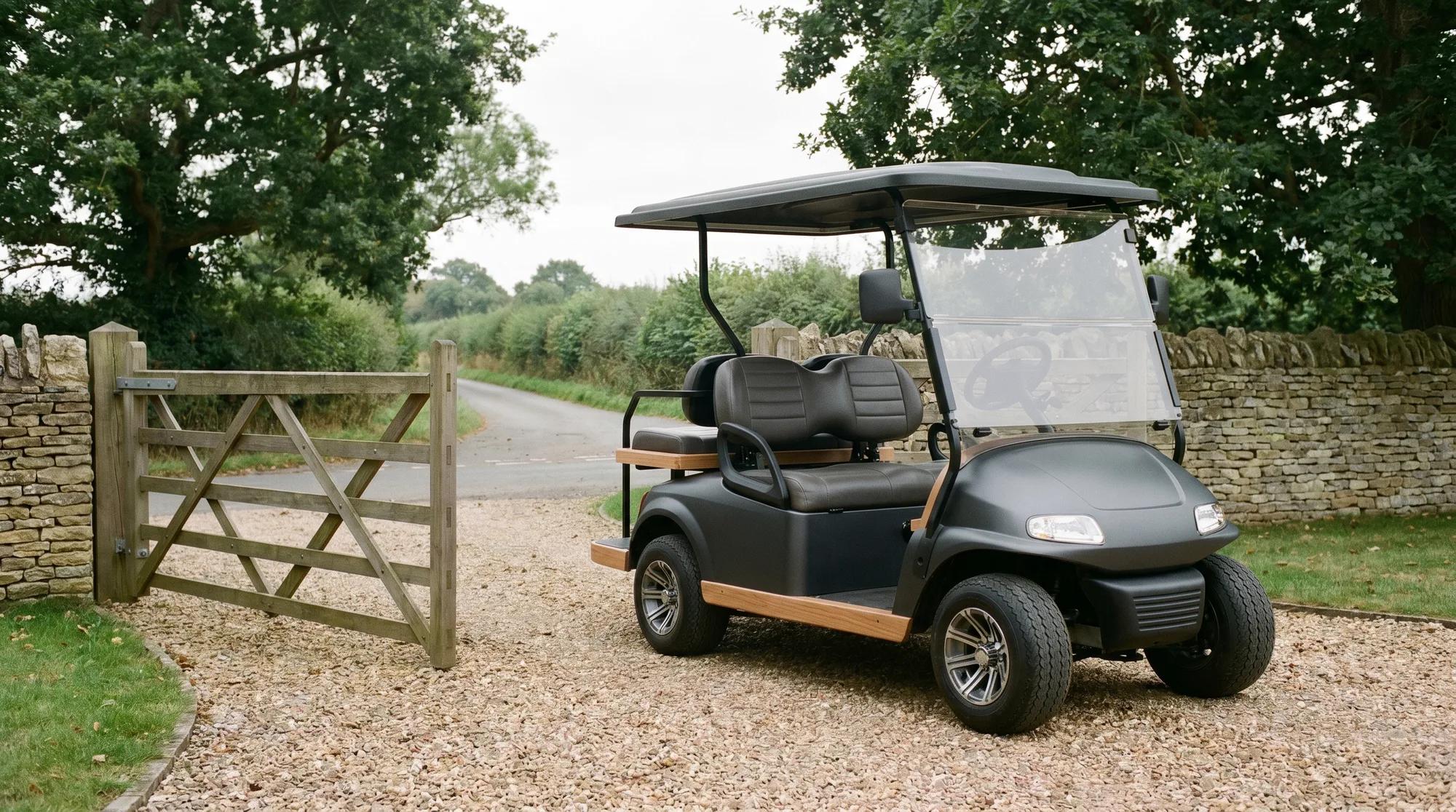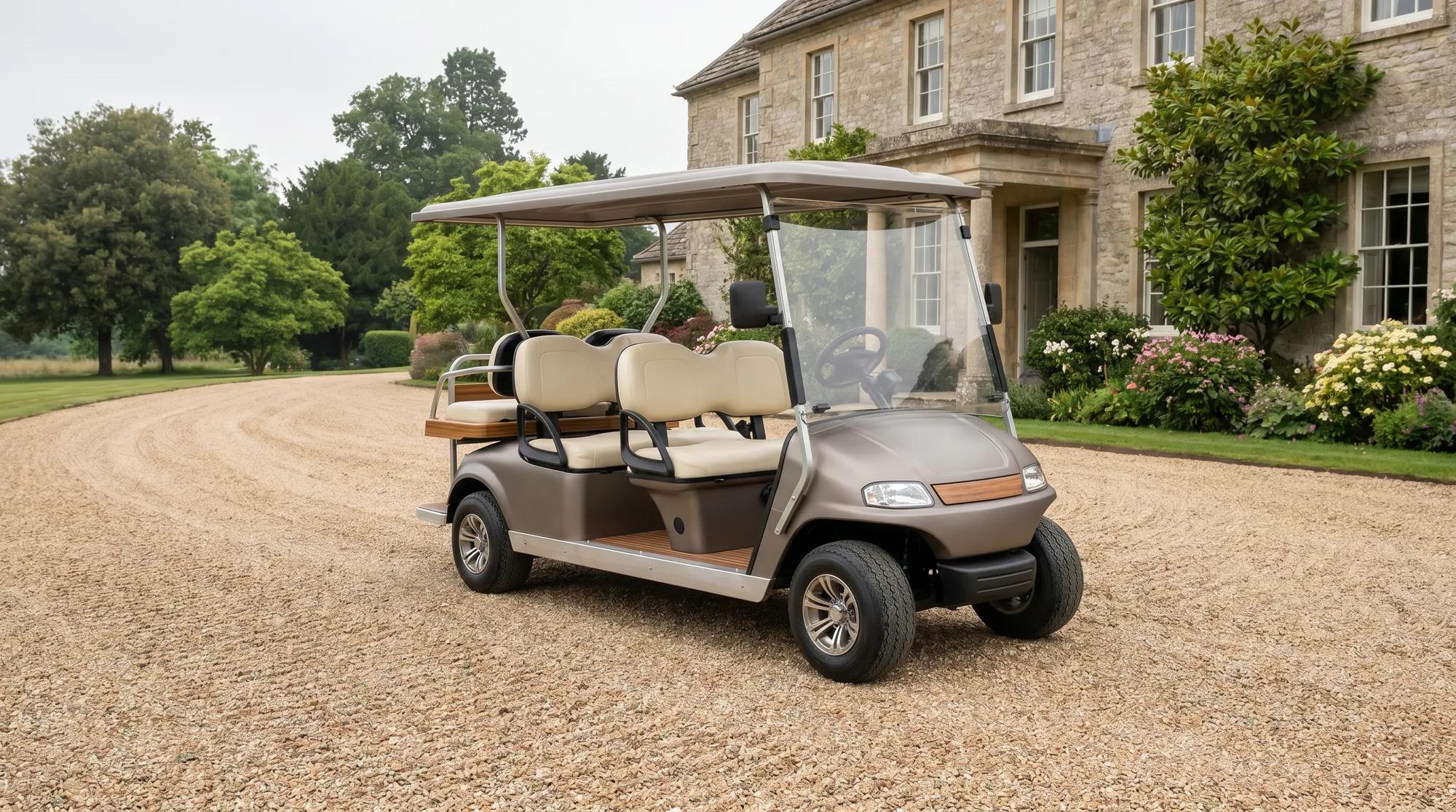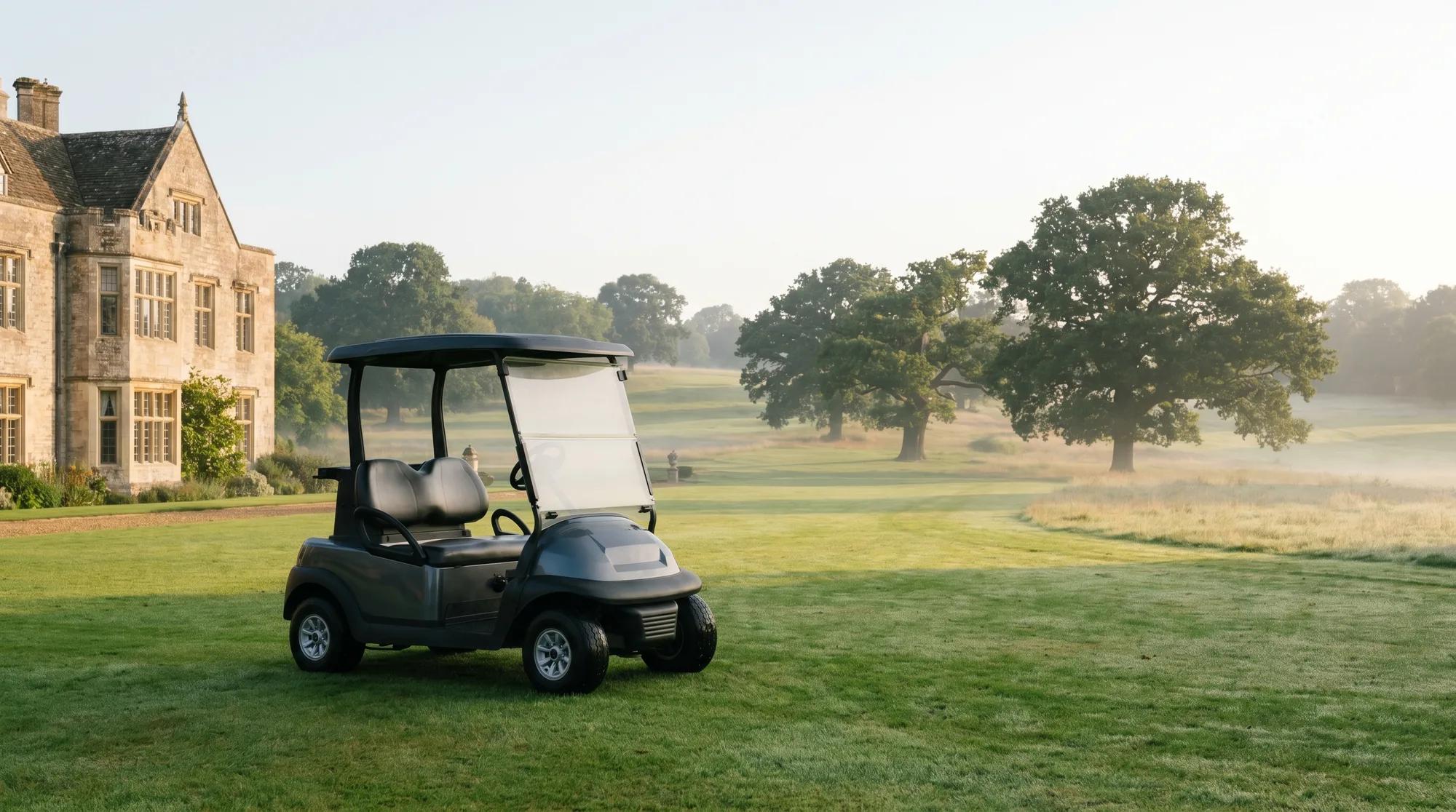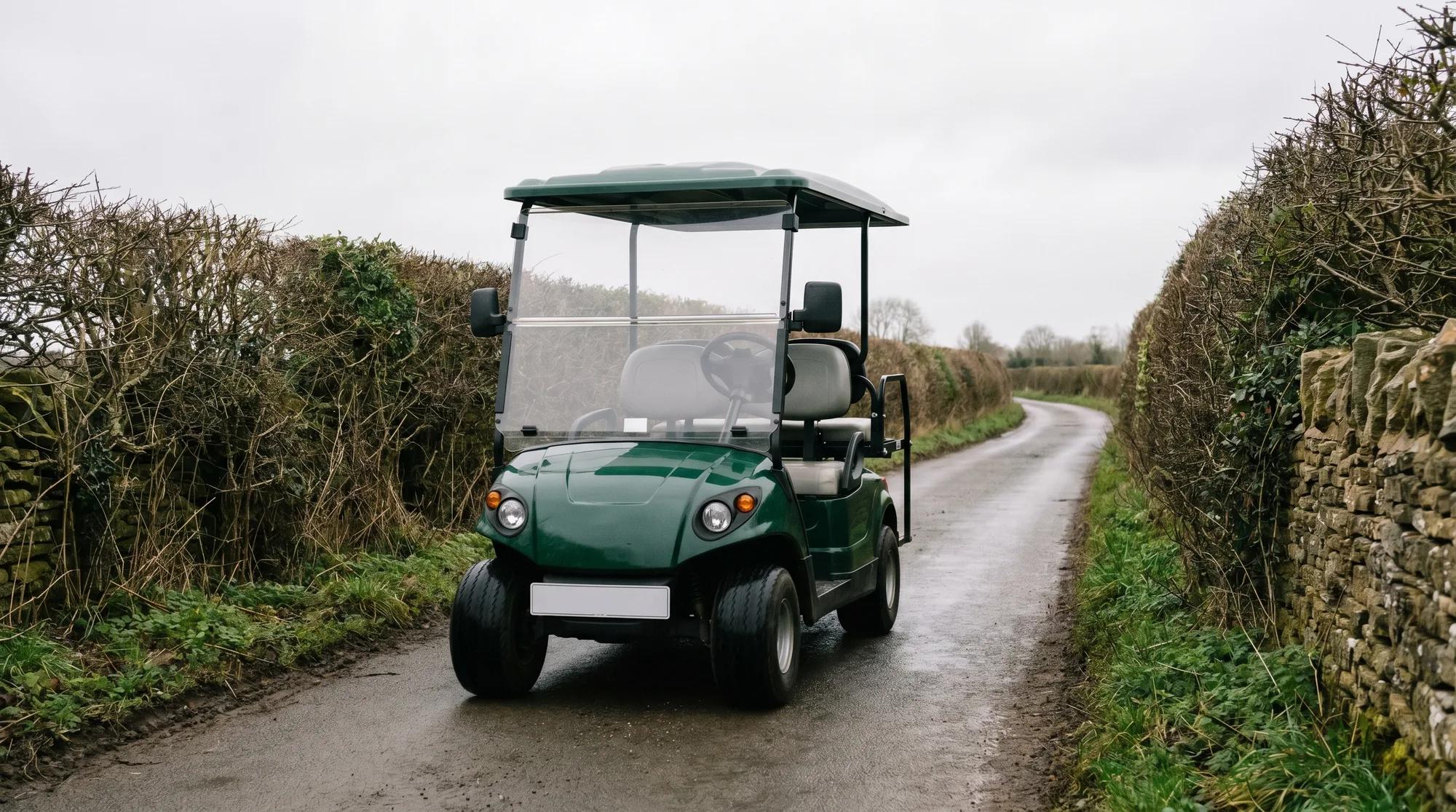
Golf cart insurance is not legally required on private land, but it is widely recommended, and it becomes a legal requirement the moment a cart is used on a public road. The practical answer for most owners is that some form of cover is worth having for theft, accidental damage and liability, even where the law does not compel it. This guide sets out where cover is needed, the types of policy available, and what tends to affect the premium.
Do you need insurance for a golf cart?
On private land, an estate, golf course, resort or resort park, there is no legal obligation to insure a cart, in the way there is for a car on the road. That said, most owners choose to, because a cart is a valuable asset that can be stolen, damaged or involved in an incident with a third party. On a public road, insurance is a legal requirement alongside registration and the correct vehicle specification.
Private land versus public road
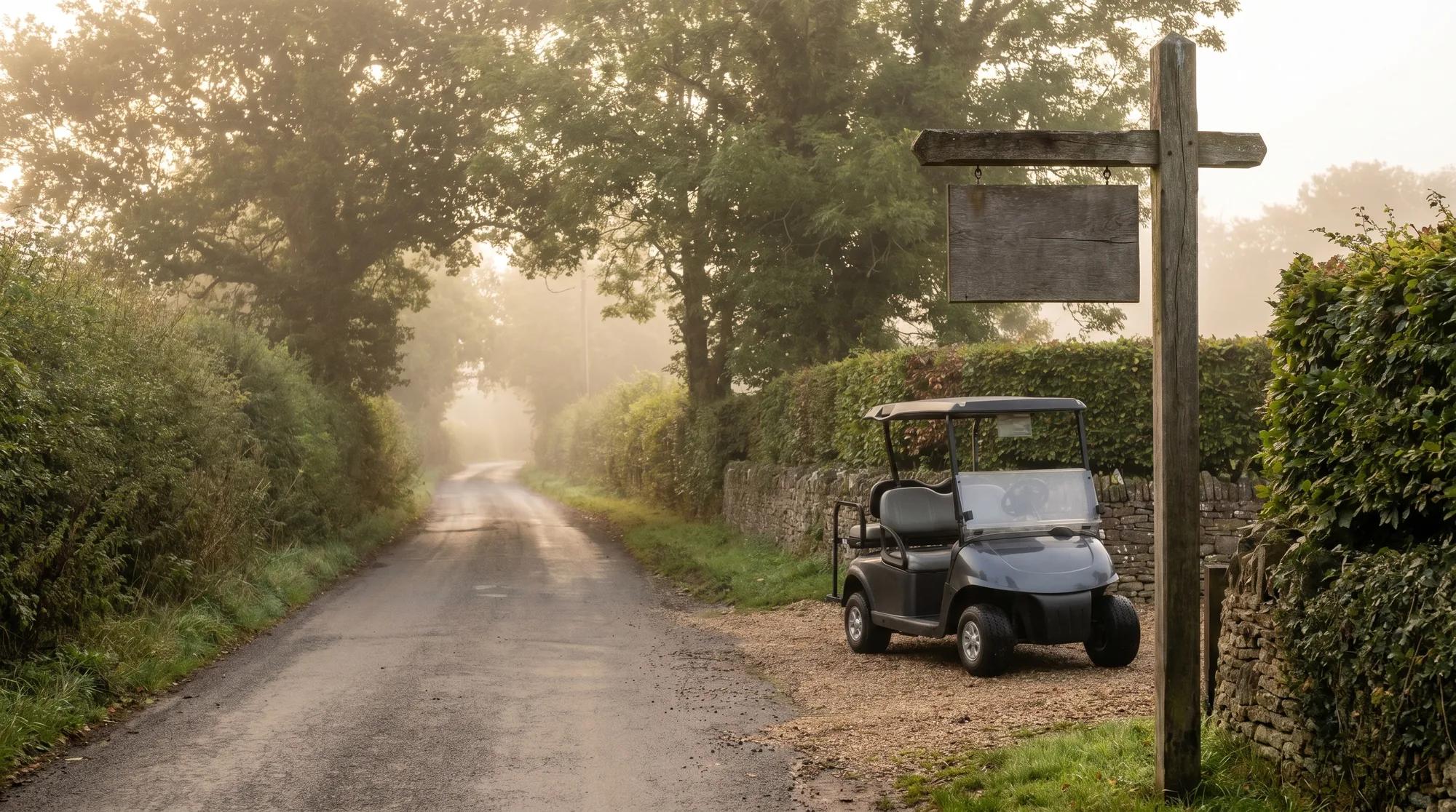
The distinction that matters most is where the cart is used. Standard golf carts are built for private-land use, where they can be driven without registration, road tax or a licence. Cover here is optional but sensible. Using a cart on or across a public road is a different matter: that requires a suitably specified, registered vehicle and a road-use insurance policy. If any part of your route touches a public road, treat insurance as essential and tell us at enquiry so the specification is right.
Types of cover available
Policies are usually built from a few familiar components, and you can combine them to suit how the cart is used and where it is kept.
- Theft: cover against the vehicle being stolen, which matters for golf carts stored on open sites
- Accidental damage: repair or replacement after collision, tipping or mishandling
- Public liability: cover if the cart injures someone or damages property
- Fleet cover: a single policy across several vehicles for a business or estate
- Road-use cover: required where a cart is registered and used on public roads
What affects the premium?
Premiums vary with use and value rather than following a single fixed rate. The vehicle's value, where it is stored overnight, how it is used (private leisure versus commercial hire), the number of vehicles, and the claims history all play a part. A cart kept in a secure store on a managed estate is generally viewed differently from one left out on an open public-access site. Specialist providers will price each case on its own facts, so the premium for a single cart, and any discount for secure storage, are best confirmed with an insurer rather than quoted as a fixed figure.
- Private land
- No
- Public road
- Yes
- Private land
- No
- Public road
- Yes
- Private land
- Theft, damage, liability
- Public road
- Legal requirement plus the above
- Private land
- Owners protecting an asset
- Public road
- Anyone using the road legally
| Private land | Public road | |
|---|---|---|
| Legally required | No | Yes |
| Registration needed | No | Yes |
| Typical reasons to insure | Theft, damage, liability | Legal requirement plus the above |
| Who usually buys | Owners protecting an asset | Anyone using the road legally |
Business and fleet cover
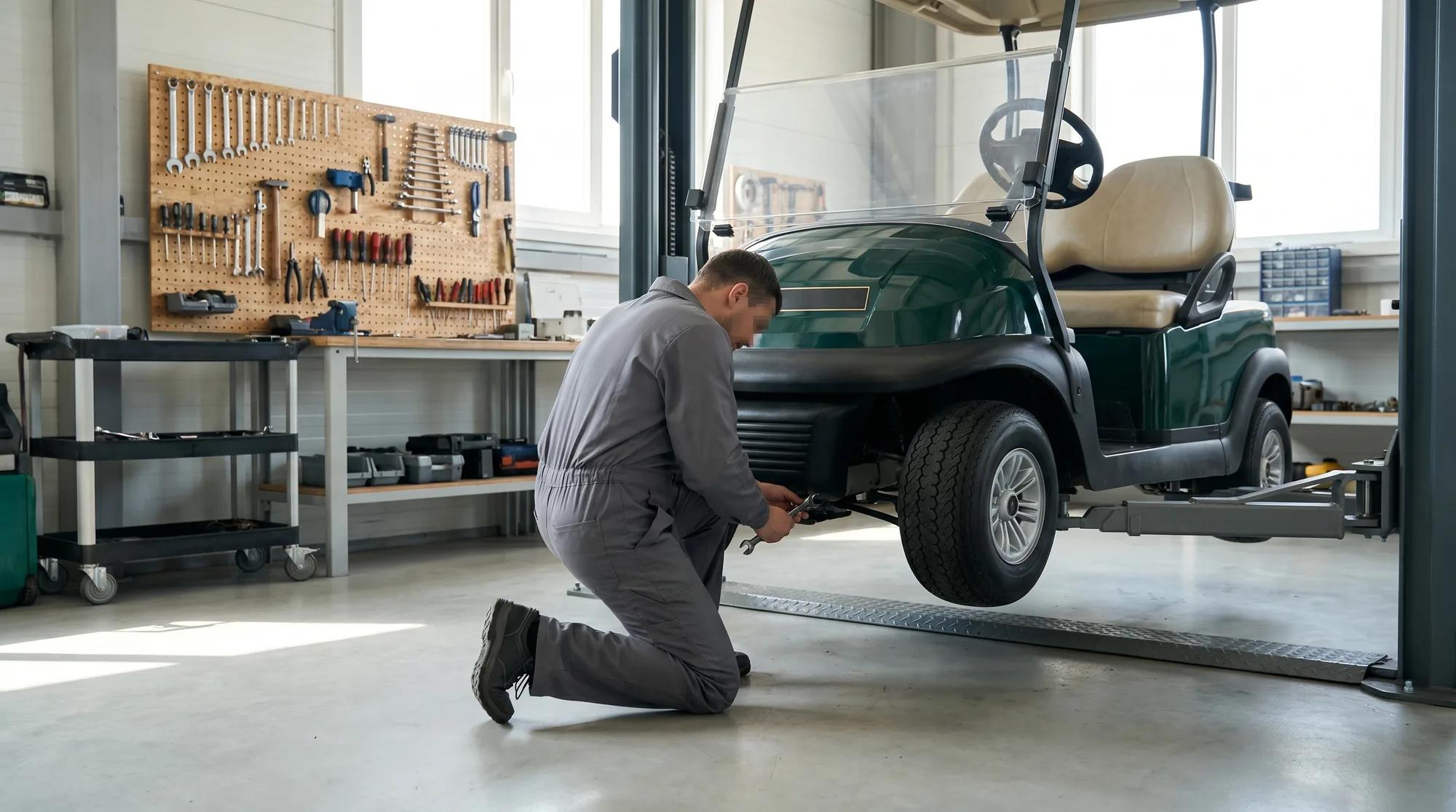
Resorts, clubs, estates and hire operators usually insure a fleet under one policy rather than vehicle by vehicle. Fleet cover can be simpler to administer and is often arranged alongside a maintenance and call-out plan, so that a vehicle off the road is repaired and back in service quickly. If you run vehicles commercially, mention the use and the fleet size when you arrange cover, as commercial and hire use is rated differently from private leisure use.
Cover is widely available for golf carts on both private land and the road. The right policy follows from being clear about where and how the vehicle is used.
Making a claim
Keep a record of the vehicle's identification details, photographs of its condition, and proof of where it is stored, as these help if you ever need to claim. Report incidents promptly and follow the insurer's process. The claims excess and exact process vary between providers, so check the policy wording when you take cover out.
We can point you towards the right specification for your use, including where a vehicle needs to be road-ready, and help you plan ownership so that cover, servicing and call-out fit together. Tell us how and where you will use the cart and we will set out what is sensible.
Plan ownership properly
From cover to servicing, we help you plan how a cart is owned and looked after. Request a tailored quote and we will set it out clearly.
Frequently asked questions
Do I legally need insurance for a golf cart on private land?+
No. There is no legal requirement to insure a cart used solely on private land, though many owners choose to for theft, damage and liability cover.
Is insurance required to drive a cart on the road?+
Yes. Public-road use requires a suitably specified, registered vehicle and a road-use insurance policy, alongside the other legal requirements.
Can I insure a whole fleet under one policy?+
Yes. Fleet cover is widely available for businesses, estates and hire operators, and is often arranged alongside a servicing and call-out plan.
Related solutions
Ready to explore what we build?
See the vehicles and the setting this applies to, or get a tailored quote built around your site.
Ready to find the right golf cart?
Tell us how and where it will work and we will specify a vehicle and a tailored quote built around you. Every build comes with a 3-year warranty and a 24-hour priority call-out.