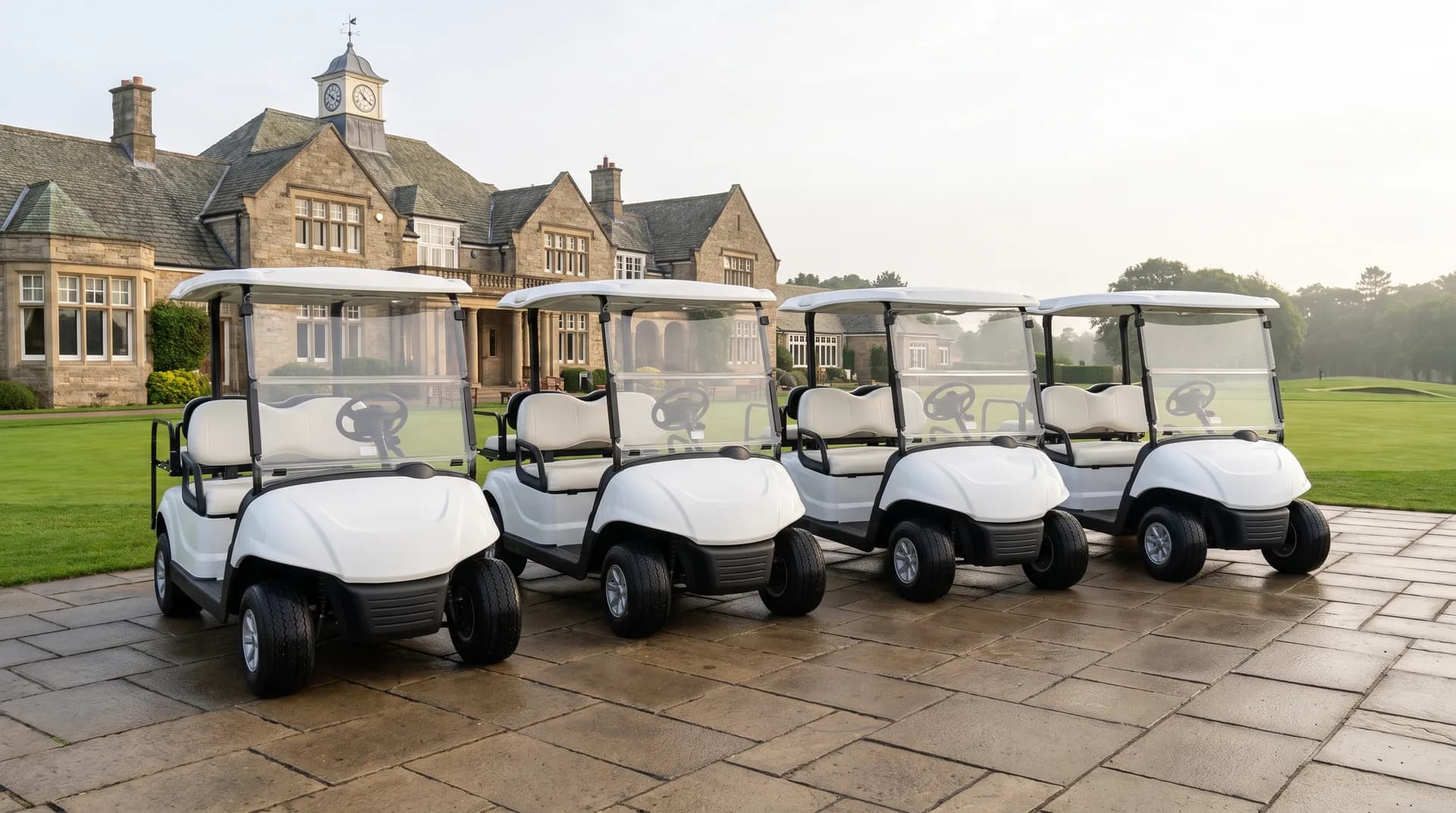
For a golf club, resort or large estate, a cart fleet is an asset to run well, not just to buy. Managed properly, every vehicle earns its keep, stays available when needed, and lasts; managed poorly, golf carts sit idle, run flat, or go off the road at the worst moment. The good news is that an electric fleet is straightforward to manage, and a few sensible habits keep it working and profitable. This guide sets out how to run one.
- Match fleet size to your busiest realistic day, with a little headroom for downtime.
- Plan charging so every vehicle is ready each morning, not caught flat.
- Keep vehicles serviced on a schedule to maximise uptime and life.
- Track condition and usage so problems are caught before they become failures.
- The lower running cost and reliability of electric make a fleet easier to run.
Sizing and utilisation
The first management decision is the right number of vehicles: enough to cover your busiest realistic day with a little headroom for servicing and the occasional fault, but not so many that they sit idle. Watching how a fleet is actually used, which days and hours it is stretched, tells you whether to add, hire in for peaks, or trim. Getting the size right is the foundation, and our guide on hire versus buying helps with the peaks.
Charging the fleet
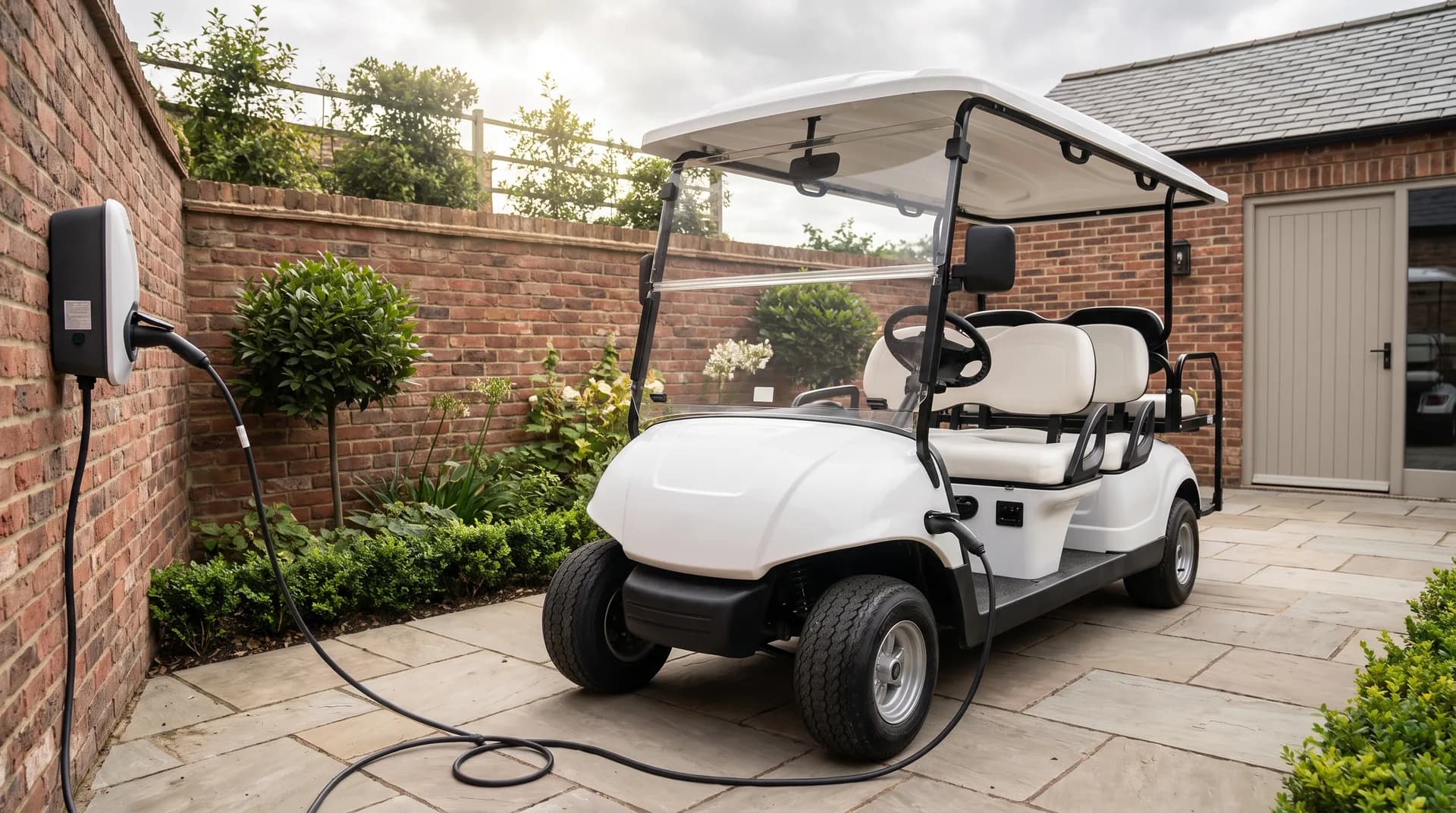
A fleet lives or dies on charging. Every vehicle needs to be ready each morning, so charging points and a simple overnight routine matter: golf carts come in, go on charge, and are ready for the first tee or the first shift. We help plan the charging layout so a fleet charges together without overloading the supply, and so adding a vehicle later does not break the arrangement. Lithium's partial-charge tolerance makes stop-start fleet use easier.
Servicing and uptime
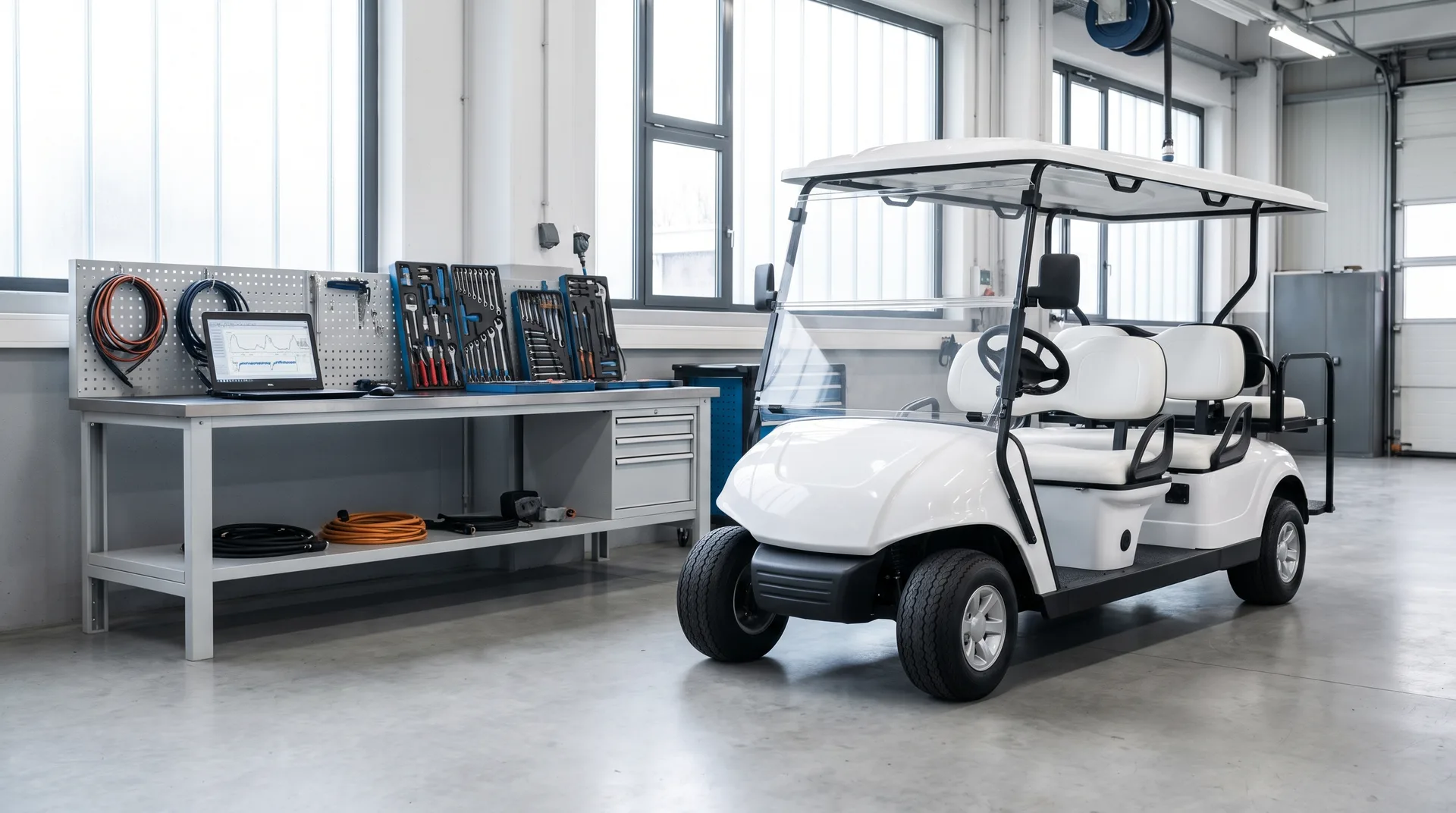
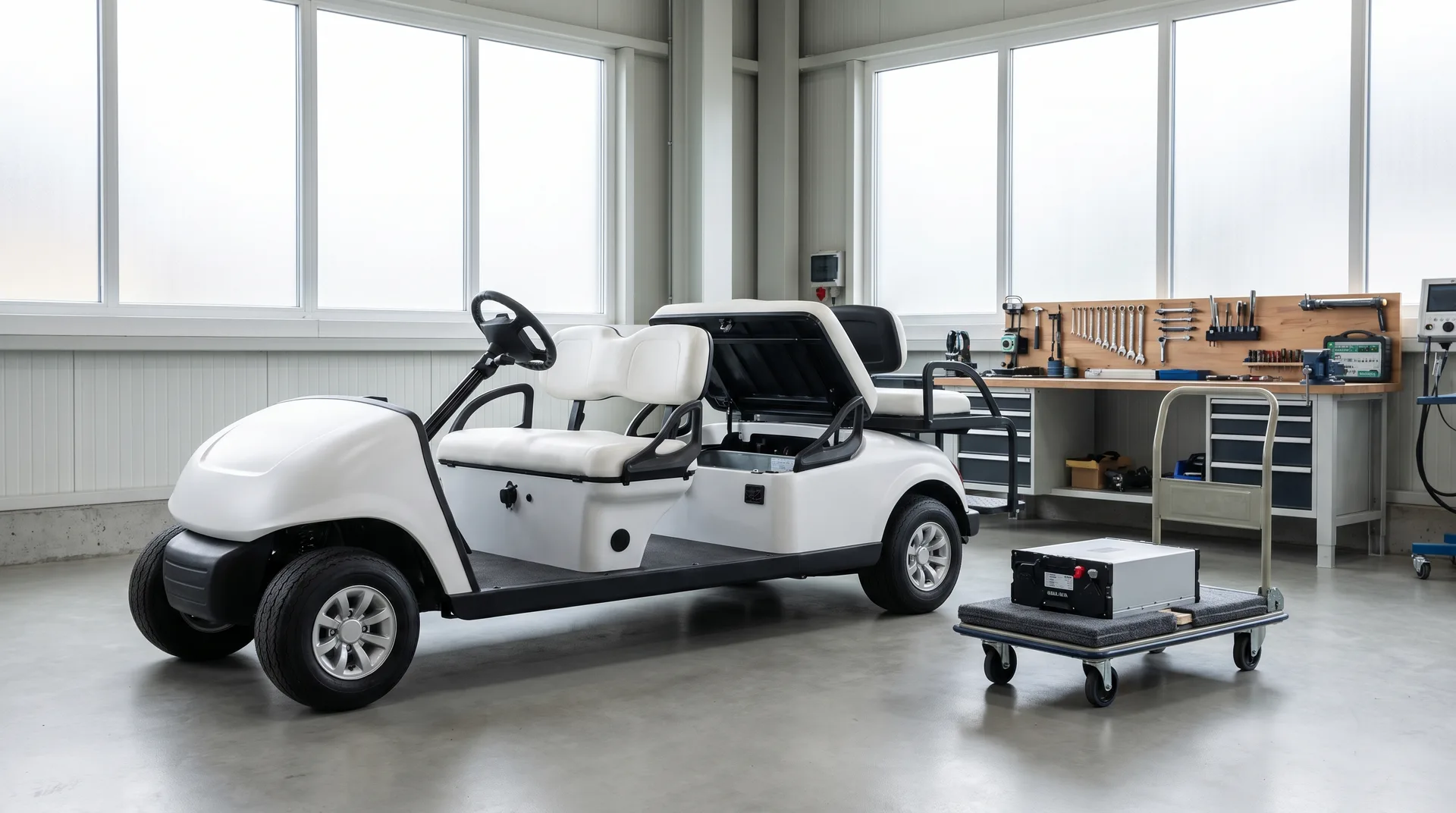
Uptime is the point of a fleet, so scheduled servicing is management, not a chore: it keeps vehicles available and extends their life, and it is far lighter on an electric fleet than a gas one. A service plan turns maintenance into a predictable arrangement, and a 24-hour priority call-out means a fault is dealt with quickly rather than taking a vehicle out of action for days. Planning servicing into the quiet periods keeps the fleet ready for the busy ones.
Tracking and the case for electric
Keeping a simple record of each vehicle's condition, usage and servicing catches wear before it becomes a failure and informs when to replace. And the economics favour electric across a fleet: low running costs and high reliability multiply over many vehicles, as our guides on running costs and cost set out. A well-run electric fleet is cheaper and easier to manage than the gas equivalent.
Frequently asked questions
How big should my cart fleet be?+
Enough to cover your busiest realistic day with a little headroom for servicing and faults, but not so many that vehicles sit idle. Watching actual usage tells you whether to add, hire in for peaks, or trim.
How do I keep a fleet charged and ready?+
Plan charging points and a simple overnight routine so every vehicle charges together and is ready each morning. We help lay out charging so the supply is not overloaded and adding a vehicle later does not break the arrangement.
How do I maximise uptime?+
Service on a schedule to keep vehicles available and extend their life, and use a 24-hour call-out so faults are dealt with quickly. A service plan makes maintenance predictable, and electric fleets need far less than gas.
Is an electric fleet cheaper to run than gas?+
Across a fleet, yes, markedly. Low running costs and high reliability multiply over many vehicles, and there is far less to service. The saving is a large part of why clubs and resorts move fleets to electric.
Can you help manage our fleet?+
Yes. We help size the fleet, plan charging, and provide servicing, parts and priority call-out through a service plan, so your fleet stays available and earning. Tell us your operation and we will advise.
Run a fleet that earns its keep
Tell us your operation and how your fleet is used, and we will help size, charge and support it, and set out an honest quote.
Related solutions
Ready to explore what we build?
See the vehicles and the setting this applies to, or get a tailored quote built around your site.

Ready to find the right golf cart?
Tell us how and where it will work and we will specify a vehicle and a tailored quote built around you. Every build comes with a 3-year warranty and a 24-hour priority call-out.
Our guides are written and reviewed by the Hawke Electric Vehicles team, the people who specify, build, deliver and support the vehicles. We focus on honest, practical advice and flag where a figure depends on the build rather than guessing.
More guides by Hawke