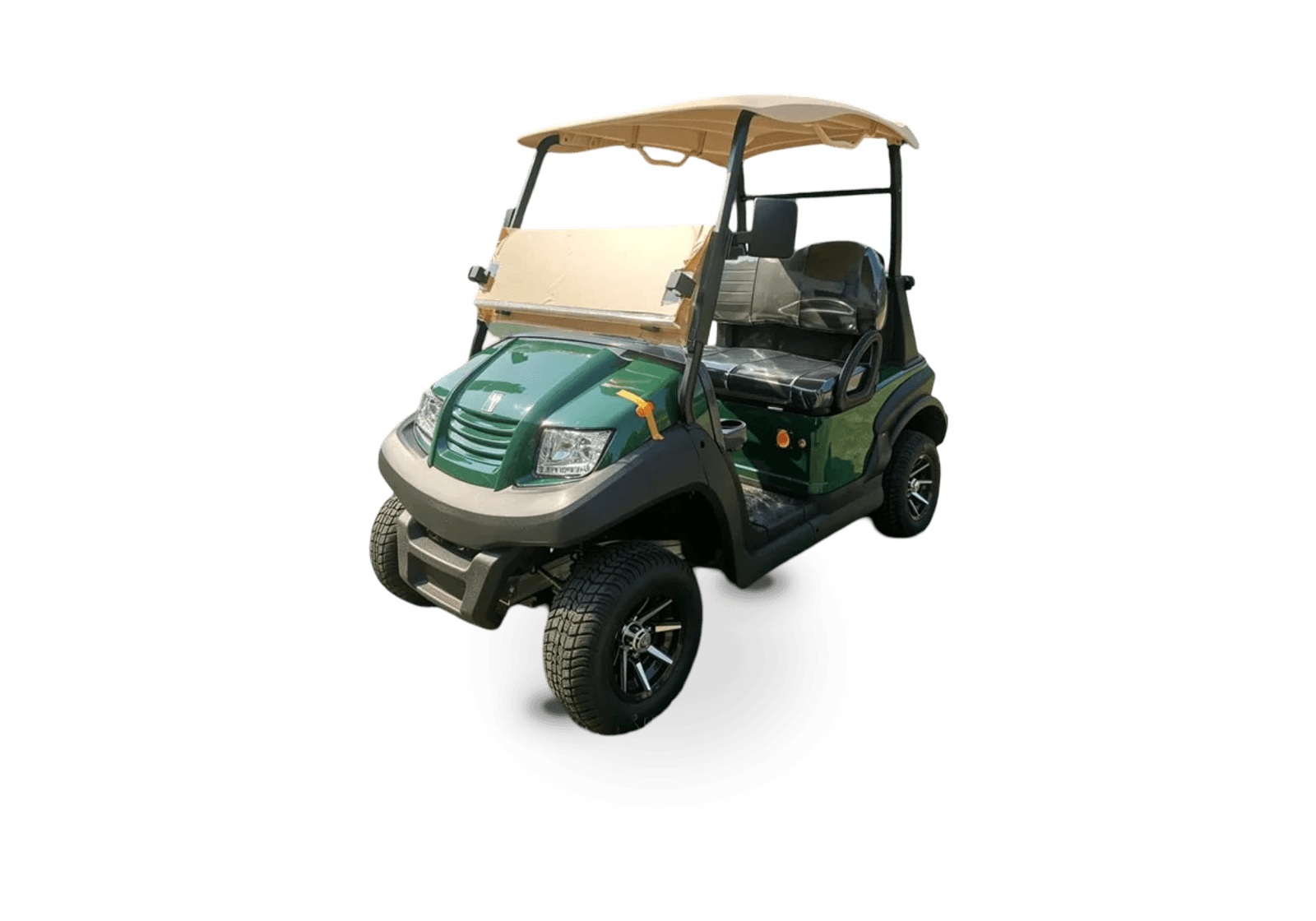
2-Passenger Electric Golf Cart
Hawke S2
Quiet, capable transport for the course, the club and the grounds.
Pricing on request, tailored to your configuration.
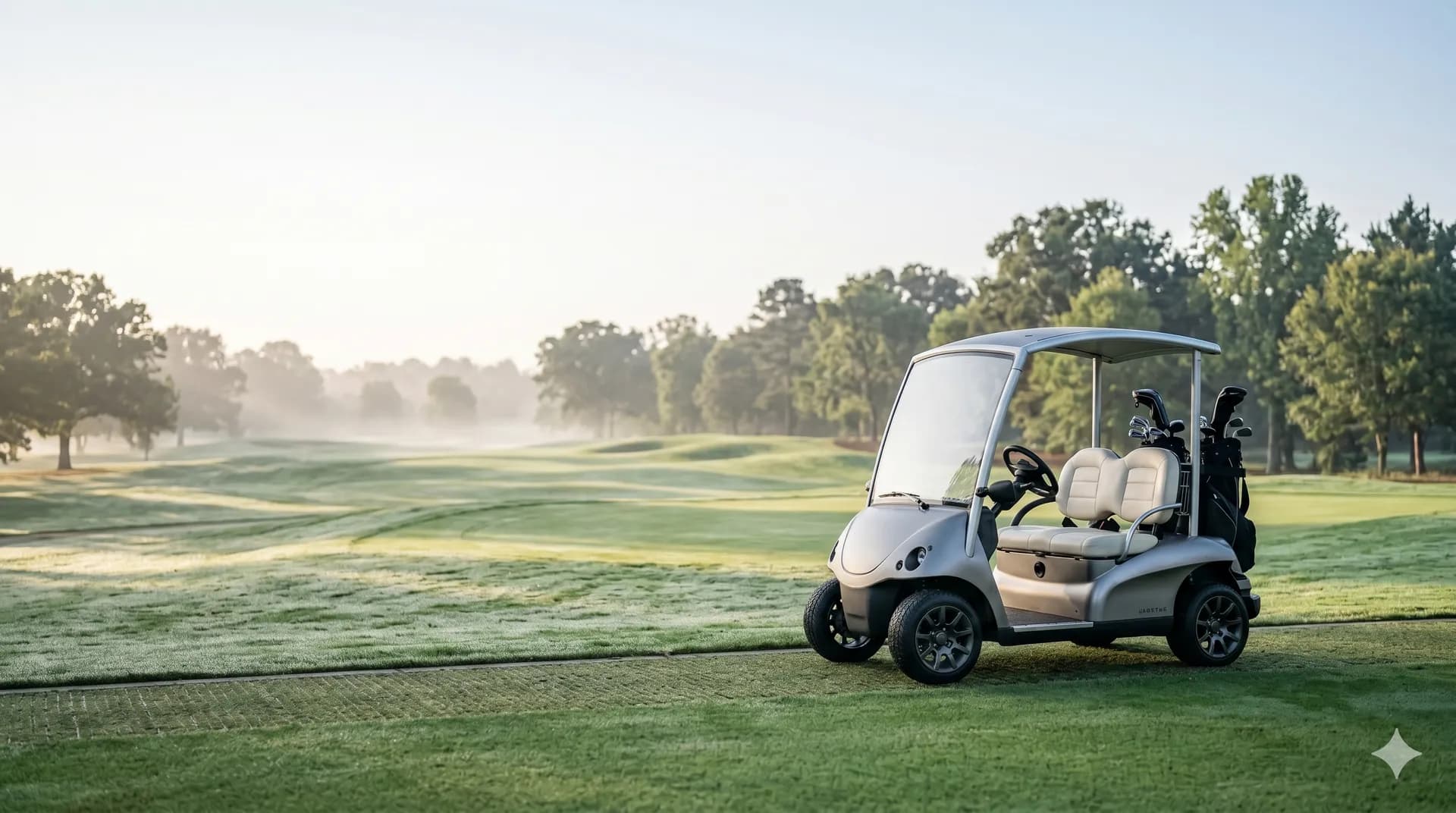
Electric vs Gas
For most UK clubs, estates and resorts, an electric golf cart is the better long-term choice over gas: quieter, cleaner, cheaper to run and simpler to maintain. Gas still has a place on very long, remote duty cycles with nowhere to charge. This is a fair comparison across the things that actually matter on a course, so you can decide with confidence rather than on habit.
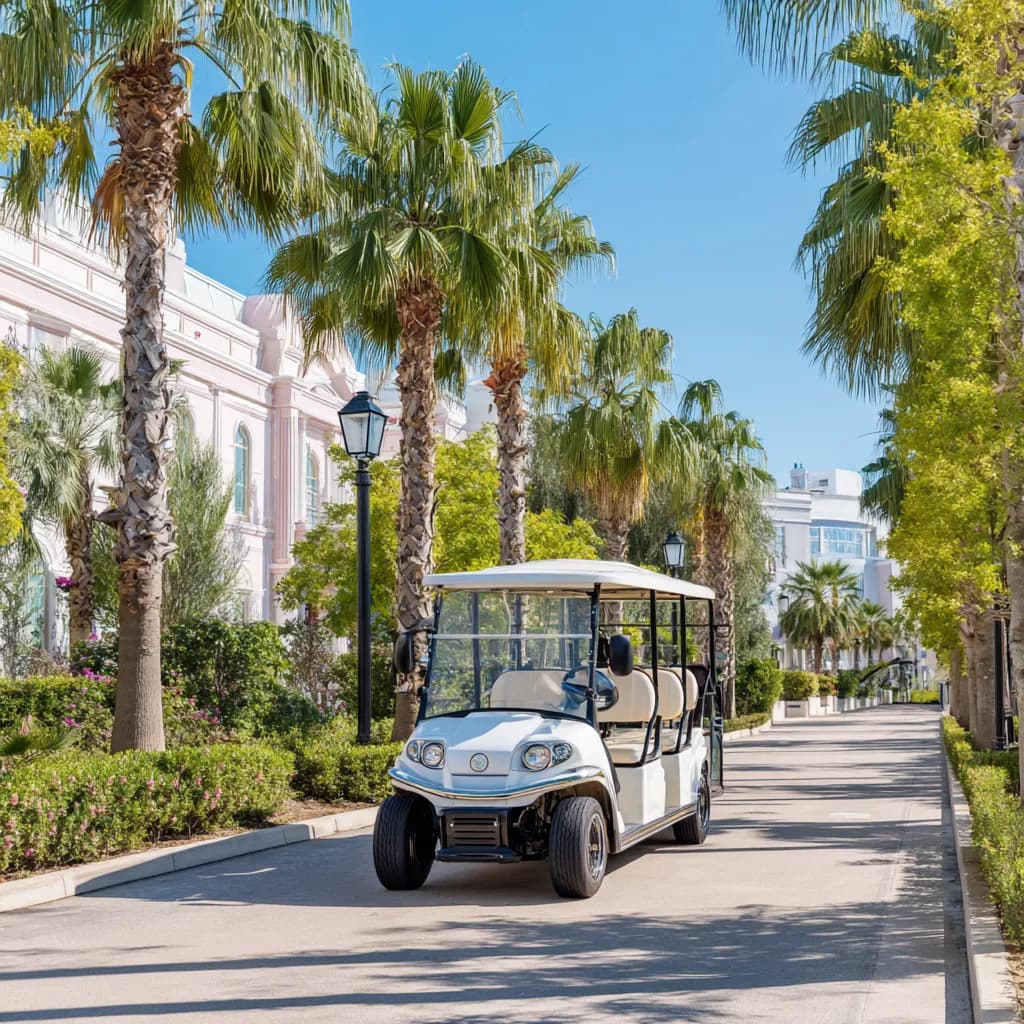
Electric golf carts charge overnight from a standard supply, and a unit of electricity does far more work than a litre of gas, so the cost per round is lower. There is no fuel to buy in, store or measure. Gas means ongoing pump prices and on-site storage. For the detailed numbers, see our running-cost guide, which sets out the comparison in full.
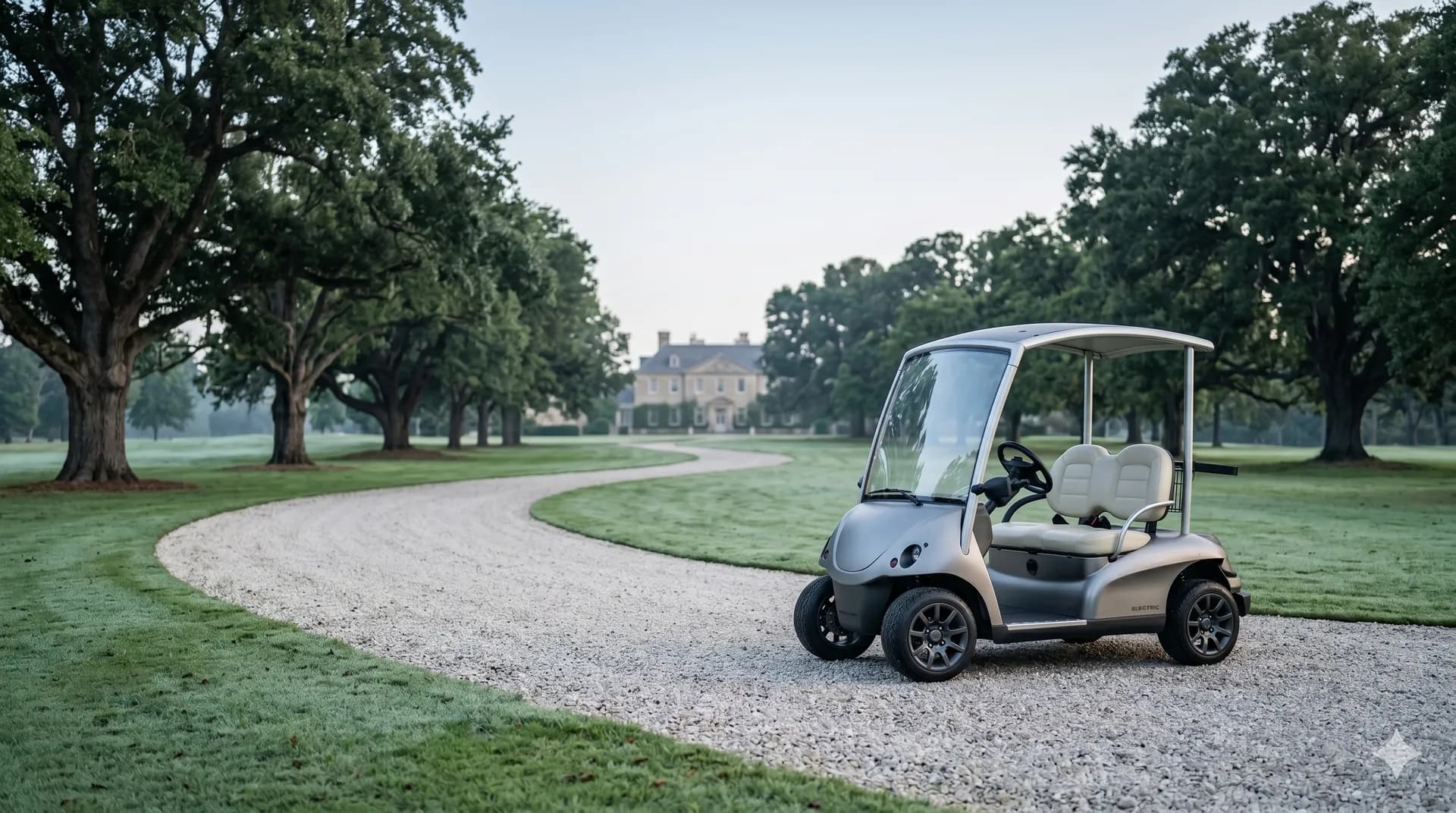
This is where the gap is most obvious. An electric cart runs near-silently, so play, conversation and guests are never disturbed, even at dawn. A gas engine carries across a quiet course and a resort's grounds. On a site where members, residents or guests are close by, the silence of electric is not a nicety, it is part of the experience.
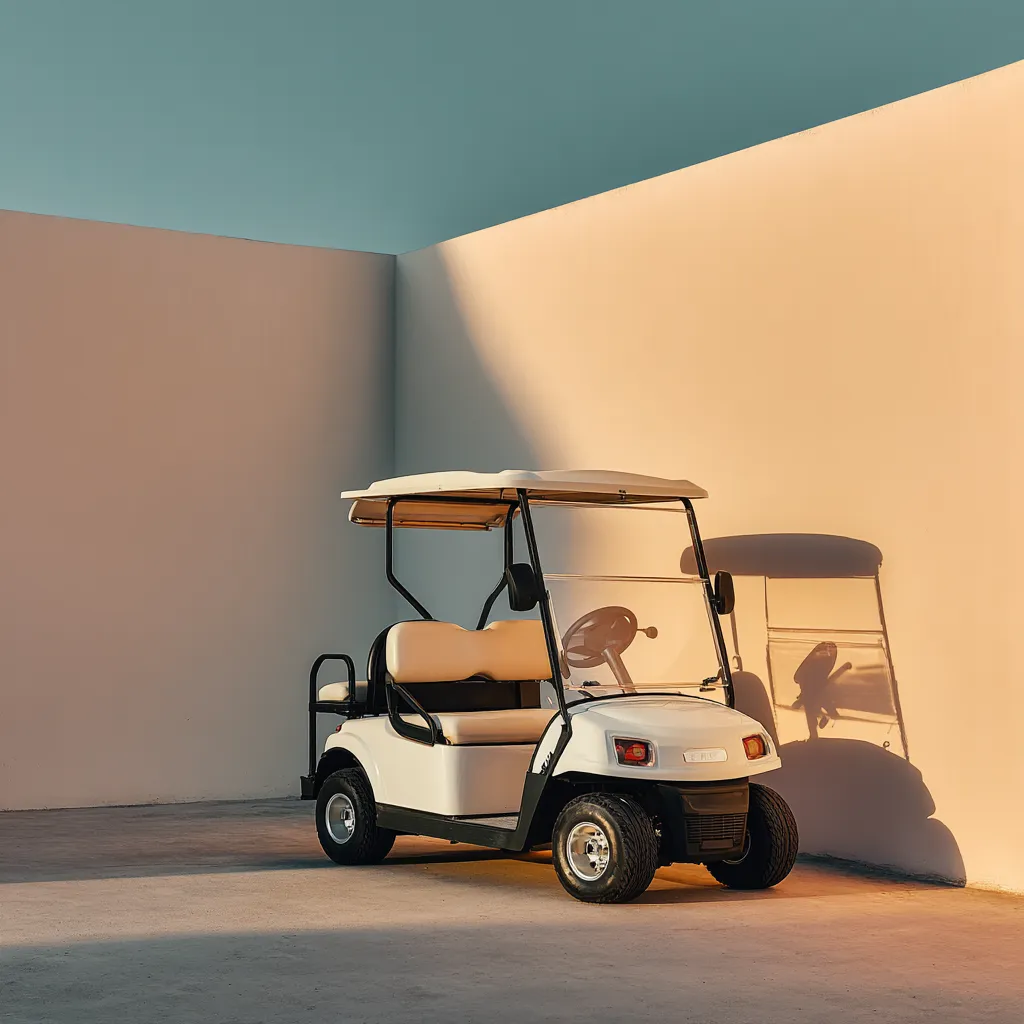
Electric golf carts produce zero emissions at the point of use, so there are no fumes around tees, paths or guest areas, and nothing for green-keeping teams to breathe in all day. Gas golf carts emit where they work. As UK clubs and estates set their own clean-air and sustainability commitments, an electric fleet is the straightforward way to meet them.
An electric drivetrain has far fewer moving parts than a gas engine: no oil changes, filters, spark plugs, belts or fuel system to service. That means less downtime, lower servicing bills and fewer things to fail mid-round. Gas golf carts need regular engine maintenance to stay reliable. For a fleet a club depends on daily, the simpler system is the easier one to keep running.
Electric motors deliver full torque instantly, so they pull up slopes and across soft ground with ease. Lithium batteries are specified for a full round and a busy day, then charge overnight. Gas's edge is the very long remote duty cycle with no power to charge, where a quick refuel keeps a vehicle going. For nearly every club, estate and resort, overnight charging fits the day comfortably.
Both are designed for the course and private grounds; road use depends on classification and type approval, and our road-legal guide sets out the position honestly. On lifespan, a well-specified electric cart ages well and holds its value, helped by a clean service history and a simple drivetrain. As demand shifts toward electric, gas golf carts face a narrowing second-hand market.
Each is configured to your specification and finished to your specification.
Quiet, capable transport for the course, the club and the grounds.
Pricing on request, tailored to your configuration.
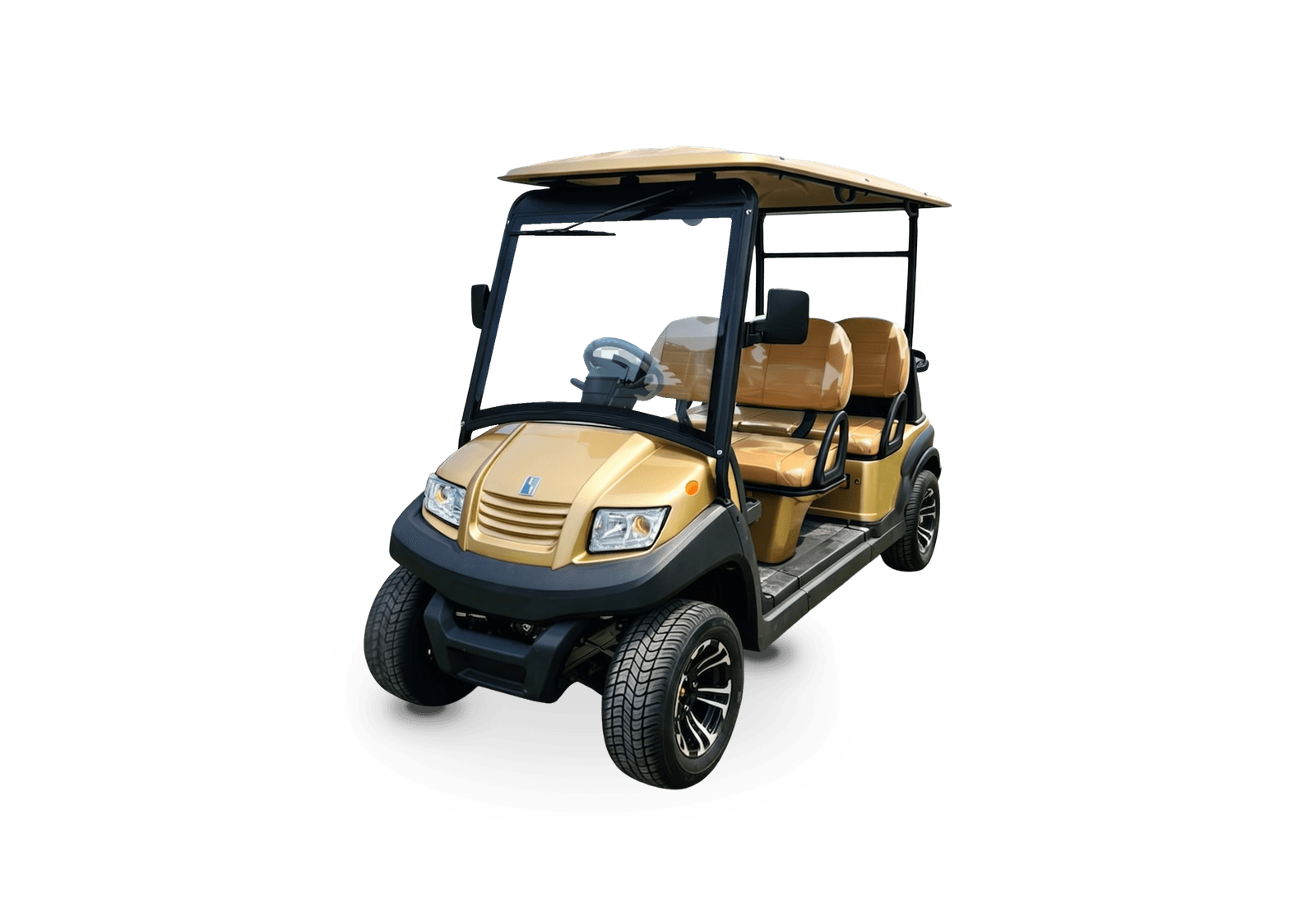
Quiet, capable transport for the course, the club and the grounds.
Pricing on request, tailored to your configuration.
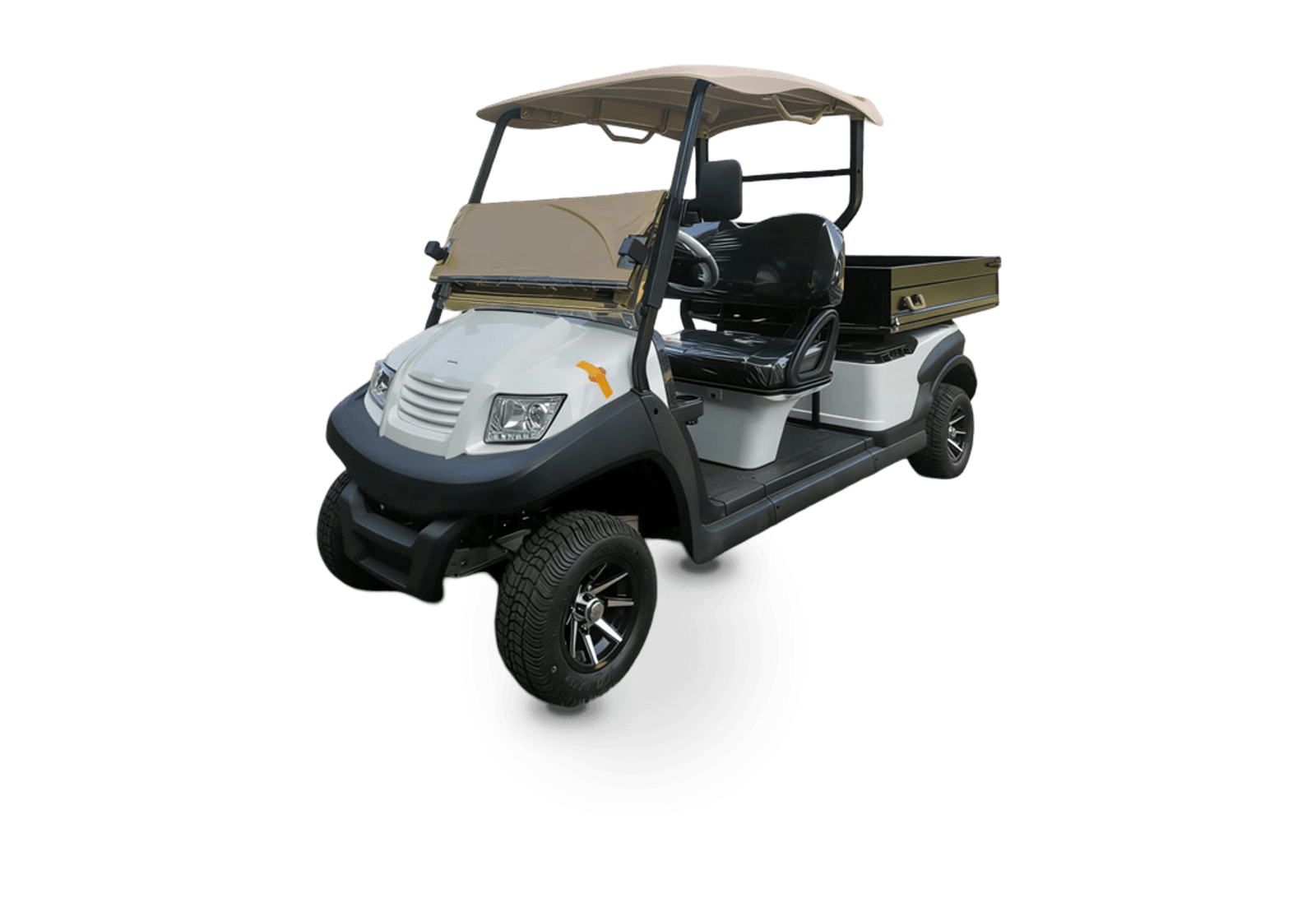
Real payload and a flat deck for everyday work across the estate.
Pricing on request, tailored to your configuration.
A fleet worthy of the course.
Quiet movement across great grounds.
For most UK clubs, estates and resorts, yes. Electric golf carts are quieter, cleaner, cheaper to run and simpler to maintain, which suits the way courses actually work. Gas still fits the rare case of very long, remote duty cycles with nowhere to charge. For the typical site, electric is the better long-term choice.
Send us your specification, fleet size and where it will work, and we will come back with a tailored quote. We aim to beat any genuine like-for-like price.